Recipe
Servings
Servings 1×
Ingredients
- Salmon
- Tomatoes
- Garlic
- Lemon
- Butter
- Cooking oil
- Chili seasoning
Method
- Use a heavy-bottomed skillet, preferably stainless steel or cast iron, to maintain consistent heat.
- Use a paper towel to pat both sides of the fillets.
- Add your fat and the garlic to the pan during the final two minutes of cooking.
- Use a spoon to baste the hot, garlic-infused fat over the cooked side of the fish.
When you walk through the door after a long day, the last thing you want is a complicated culinary project. You want something that tastes like a hug but feels like a win. That is where my 15-minute lemon garlic tilapia comes in. It is one of those easy dinner recipes that relies on high-impact aromatics and a quick sear to transform a humble white fish into a restaurant-quality centerpiece. We are stripping away the fuss and focusing on real, soulful food that respects your time and your health.
The Science of the Perfect Sear
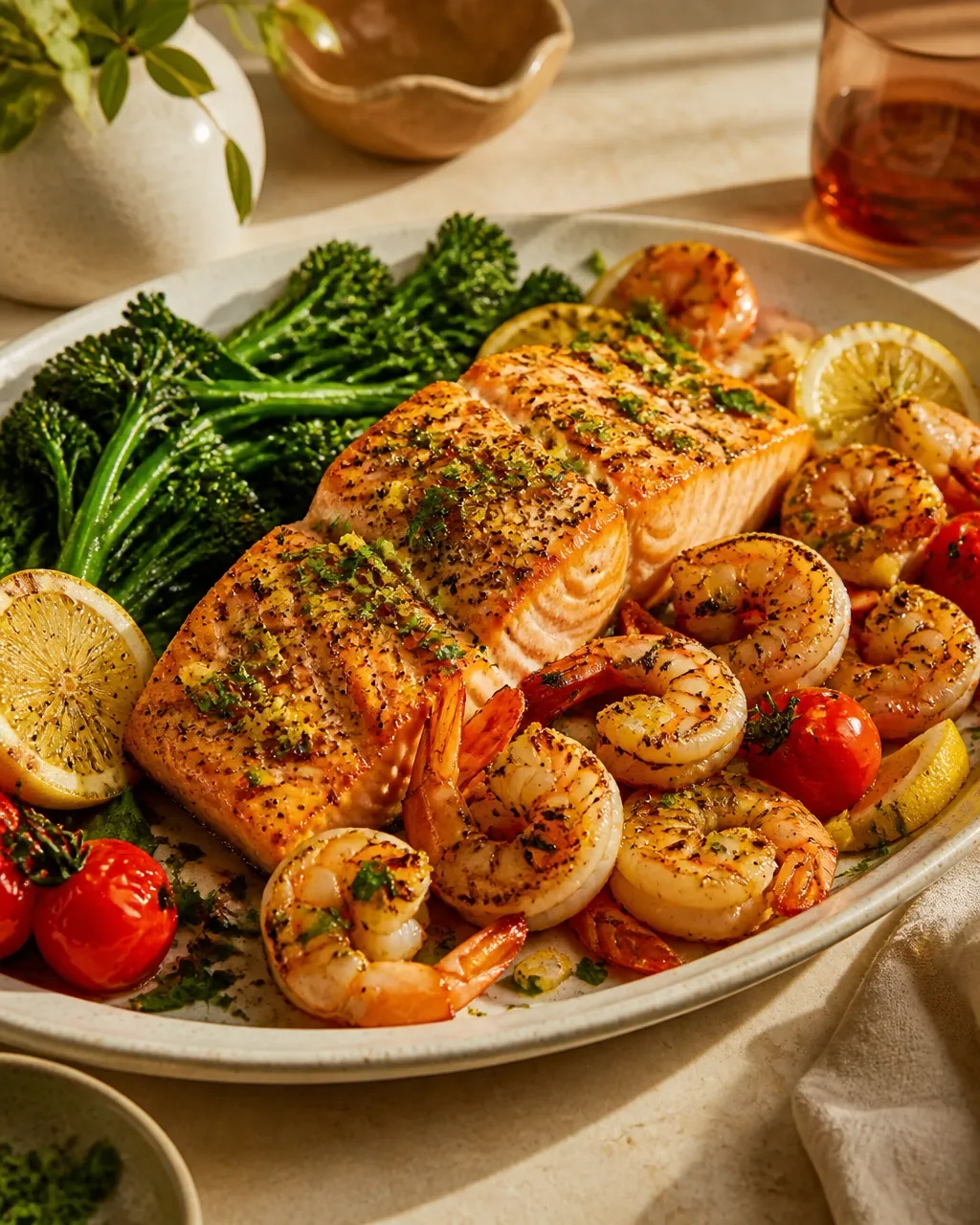
Cooking a thin, delicate protein like tilapia requires a fundamental understanding of heat management. Because tilapia is lean, it lacks the insulating fat of salmon or mackerel. This means it can go from "perfectly flaked" to "pencil eraser" in a matter of seconds. To master this dish, you must focus on the Maillard reaction, the chemical reaction between amino acids and reducing sugars that gives browned food its distinctive flavor.
Use a heavy-bottomed skillet, preferably stainless steel or cast iron, to maintain consistent heat. Ensure your fish is bone-dry before it touches the pan. Use a paper towel to pat both sides of the fillets. If there is moisture on the surface, the heat of the pan will turn that water into steam, and you will end up with gray, mushy fish instead of a golden-brown crust. Check that your oil is shimmering, not smoking, before laying the fillets away from you to avoid splashes.
The timing is non-negotiable. For a standard half-inch fillet, you are looking at roughly three to four minutes on the first side. Avoid the urge to poke, prod, or slide the fish around. The protein needs undisturbed contact with the hot surface to release naturally. If the fish sticks when you try to flip it, it is telling you it isn't ready. Wait another thirty seconds.
Balancing Acid and Fat
The soul of this dish lies in the tension between the sharp acidity of the lemon and the richness of the butter or olive oil. Tilapia is a very mild fish, often criticized for having a "muddy" or flat flavor profile. This is where chemistry comes to the rescue. Lemon juice contains citric acid, which works to neutralize triethylamines, the compounds responsible for that "fishy" smell and taste.
By adding the lemon juice at the very end of the cooking process, you preserve the volatile aromatic oils in the zest and the bright "pop" of the juice. If you cook the lemon juice for too long, the heat can cause it to turn bitter and lose its vibrant character. Pair this with a high-quality fat like grass-fed butter or a robust extra virgin olive oil. The fat acts as a delivery vehicle for the garlic’s fat-soluble flavor compounds, coating your palate and allowing the lemon’s brightness to linger without being abrasive. This balance is what makes this one of the most reliable quick healthy meals in my rotation.
Garlic Chemistry: Timing is Everything
Garlic is a fickle beast. When raw, it is pungent and sharp thanks to the enzyme alliinase. When cooked gently in fat, those sulfur compounds mellow into something sweet and nutty. However, garlic burns at a much lower temperature than the fish sears.
Never add your minced garlic at the start of the sear. It will turn into bitter, black acrid bits before the fish is even halfway done. Instead, wait until you flip the fish. Add your fat and the garlic to the pan during the final two minutes of cooking. Use a spoon to baste the hot, garlic-infused fat over the cooked side of the fish. This technique, known as arroser, ensures the garlic flavors the protein deeply without ever reaching the point of combustion.
Flavor Variations for Every Mood
Once you master the base technique, you can pivot the flavor profile to suit your cravings. If you want a Mediterranean twist, add a tablespoon of drained capers and a handful of halved cherry tomatoes during the final basting stage. The capers add a briny punch that complements the lemon, while the tomatoes burst to create a light, rustic sauce.
For those who prefer a bit of heat, whisk a teaspoon of red chili flakes into your oil before searing. The heat will infuse into the fat and penetrate the fish. If you are looking for something more herb-forward, swap the parsley for fresh dill or tarragon. Tarragon, in particular, has a subtle anise-like quality that pairs beautifully with the sweetness of the garlic. You can even experiment with adding a splash of dry white wine to the pan just after the fish comes out to de-glaze the browned bits (the fond) and create a more sophisticated pan sauce.
Side Dish Pairings for a Balanced Plate
To keep this meal soulful and satisfying, you need sides that provide a textural contrast to the tender fish. I recommend something that can soak up the lemon garlic butter. A quick-cooking pearl couscous or a 10-minute quinoa works perfectly. These grains act as a neutral canvas for the vibrant sauce.
For your greens, look toward high-fiber, crunchy vegetables like steamed broccoli or sautéed asparagus. The earthiness of the broccoli provides a grounded balance to the high-frequency acidity of the lemon. If you are in the mood for something even more streamlined, a simple arugula salad with a light balsamic vinaigrette offers a peppery bite that cuts through the richness of the garlic butter. If you're looking for more inspiration for your weeknight rotation, check out my guide on achieving the perfect glossy sauce for pasta dishes that are just as fast.
Frequently Asked Questions
Can I use frozen tilapia for this?
Yes, you absolutely can. In fact, most "fresh" fish at the grocery store was previously frozen anyway. The key is to thaw it completely in the refrigerator overnight. Avoid thawing fish in the microwave, as this starts the cooking process and ruins the texture. Once thawed, the "dry surface" rule is even more critical; frozen fish tends to release more moisture, so double up on the paper towels.
Why did my fish fall apart when I flipped it?
Tilapia has a very delicate flake structure. If it is falling apart, you likely either flipped it too early or overcooked it. When the proteins are properly seared, they form a "crust" that holds the fillet together. Also, use a thin fish spatula rather than a thick plastic one. A thin metal spatula can slide easily between the pan and the delicate crust.
How do I know when the fish is done without a thermometer?
The "flake test" is your best friend. Take a fork and gently twist it at the thickest part of the fillet. If the meat resists or looks translucent, it needs more time. If it separates easily into moist flakes and is opaque all the way through, take it off the heat immediately. Residual heat will continue to cook the fish for a minute after it leaves the pan.
Is tilapia actually healthy?
Tilapia is an excellent source of lean protein and is low in calories, making it a staple for quick healthy meals. It contains essential minerals like phosphorus and selenium. While it has lower levels of Omega-3 fatty acids than salmon, it is also much lower in mercury than many larger predatory fish, making it a safe and accessible choice for regular consumption.
Can I do this in an air fryer?
You can, although you will miss out on the specific Maillard crust that a hot pan provides. If you prefer the convenience of the air fryer, I have detailed guides on other one-basket crowd pleasers that follow similar quick-cooking principles. For fish, you would air fry at 400°F for about 8–10 minutes, depending on the thickness.
What if I don't have fresh lemons?
While fresh is king because of the zest, you can use high-quality bottled lemon juice in a pinch. However, you will lose that aromatic "soul" that comes from the oils in the peel. If you find yourself without any lemon, a splash of white wine vinegar or apple cider vinegar can provide the necessary acidity, though the flavor profile will shift significantly.
{“@type”:”BlogPosting”,”image”:”https://cdn.marblism.com/6udlMVVF4wC.webp”,”author”:{“name”:”Cookpedia”,”@type”:”Organization”},”@context”:”https://schema.org”,”headline”:”Soulful Simplicity: 15-Minute Lemon Garlic Tilapia”,”keywords”:”easy dinner recipes, quick healthy meals, lemon garlic tilapia, 15 minute meals”,”publisher”:{“logo”:{“url”:”https://cookpedia.com/logo.png”,”@type”:”ImageObject”},”name”:”Cookpedia”,”@type”:”Organization”},”description”:”A quick and healthy 15-minute lemon garlic tilapia recipe focusing on real food, simple techniques, and high-impact flavors for busy home cooks.”,”datePublished”:”2026-06-08T20:00:00″,”mainEntityOfPage”:{“@id”:”https://cookpedia.com/soulful-simplicity-15-minute-lemon-garlic-tilapia”,”@type”:”WebPage”}}