Recipe
Servings
Servings 1×
Ingredients
- Pasta
- Noodles
- Bread
- Broccoli
- Tomatoes
- Onion
- Garlic
- Lemon
- Balsamic vinegar
- Cream
- Butter
- Cooking oil
- Salt
- Black pepper
Method
- Prepare the ingredients described in the article and heat the cooking surface or oven as directed.
- Cook the main ingredients using the heat and timing guidance in the article.
- Finish with the seasonings and garnishes named in the article, then serve.
We’ve all been there. It’s Tuesday night, the fridge is looking tragically empty, and you’re staring down a jar of basic marinara from the pantry. There’s no shame in the convenience game, but let’s be honest: straight out of the jar, most sauces taste a little flat, a little tinny, and way too sugary. You don't need three hours or a culinary degree to fix it. With a few scientific tweaks to how you handle fats and heat, you can transform that $3 jar into something that tastes like a labor of love.
The Science of Flavor: Why Fat and Time are Your Best Friends
The biggest mistake most home cooks make is simply dumping the sauce into a cold pan and heating it up. To truly elevate your meal, you have to treat that jarred sauce as an ingredient, not a finished product. The secret lies in creating a flavorful foundation before the sauce ever hits the pan.
Bloom Your Aromatics in Fat
Flavor chemistry is largely about solubility. Many of the most potent aromatic compounds in garlic, onions, and dried herbs are fat-soluble, meaning they only release their full potential when heated in a lipid, like extra virgin olive oil or butter. Start by sautéing finely minced garlic or onions in a generous glug of oil. When you smell that incredible aroma, you’re witnessing "blooming." If you add dried basil or red pepper flakes to the hot oil for just 30 seconds before adding the sauce, you unlock essential oils that would otherwise stay trapped in the dried leaves. This is a foundational step for many simple pasta recipes that separates the amateurs from the pros.
The Magic of the Long Simmer
Jarred sauces are often "flash-cooked" for shelf stability, which leaves them with a high water content and a sharp, metallic tang from the canning process. When you simmer the sauce uncovered for 10 to 15 minutes, you’re doing two things: evaporating excess water to concentrate the tomato sugars and cooking off volatile acidic compounds. This reduces that harsh "jar" taste and gives you a much richer, thicker consistency.
Emulsify with Pasta Water and Butter
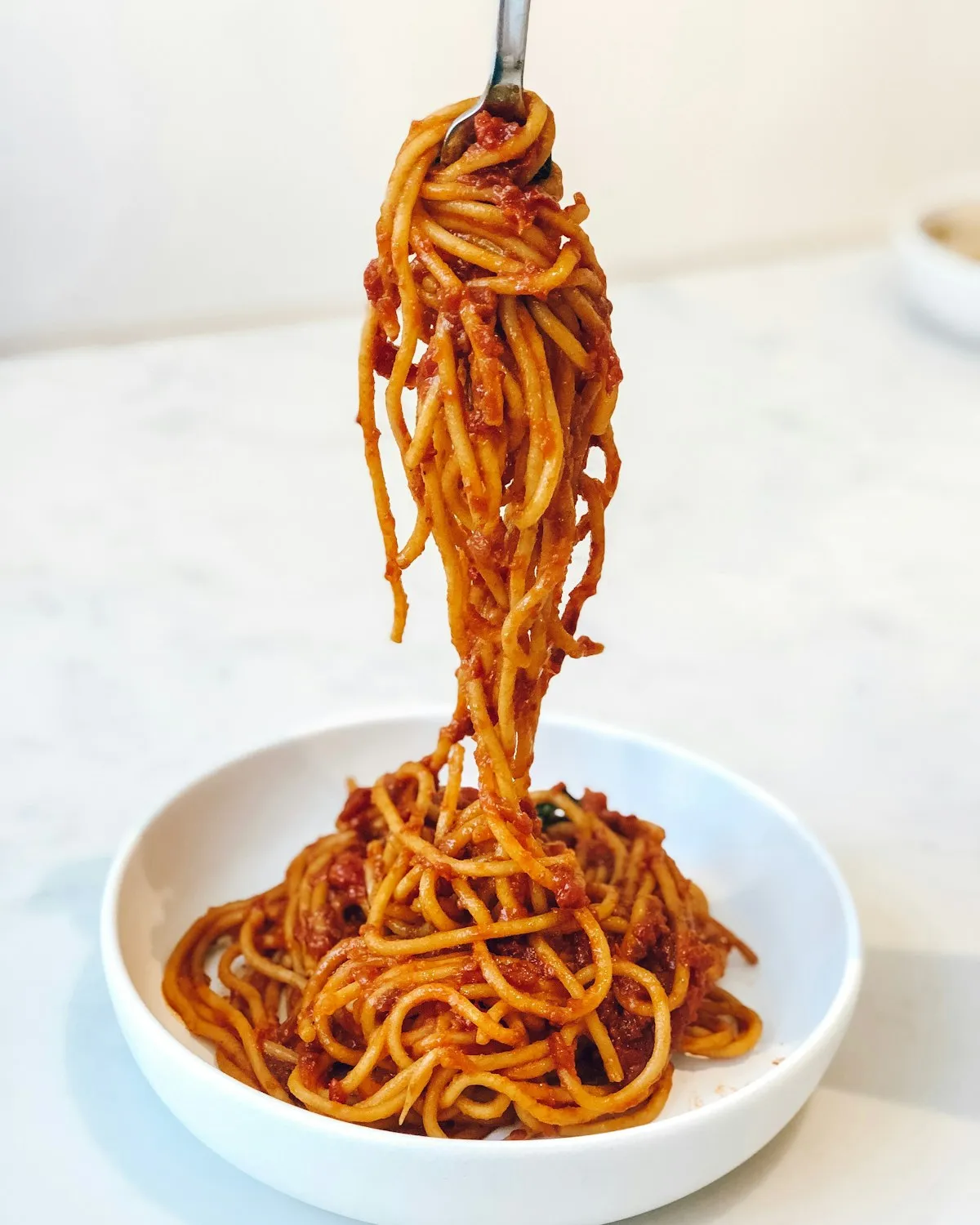
If your sauce often ends up at the bottom of the plate while your noodles sit naked on top, you’re missing the "cling factor." Pasta cooking water is liquid gold because it's packed with starch. When you finish your sauce with a splash of this starchy water and a cold knob of butter, you’re creating an emulsion. The milk solids in the butter and the starch from the water bind the fat and liquid together, creating a silky, glossy coat that actually sticks to your pasta. This technique is non-negotiable if you want a restaurant-quality finish.
Balancing the Five Tastes
Most commercial sauces lean heavily on sugar to mask cheap tomatoes. If your sauce tastes too sweet, counteract it with a tiny splash of balsamic vinegar or a squeeze of lemon juice right at the end. The acidity cuts through the sugar and brightens the overall profile. Conversely, if it’s too acidic, don't just add more sugar; try a pinch of baking soda. It chemically neutralizes the citric acid, resulting in a much smoother mouthfeel.
Beyond the Basics: Flavor Variations
Once you’ve mastered the base technique, you can start customizing. The goal is to balance the richness of the sauce with high-impact additions.
- The "Vodka" Twist (Without the Vodka): If you want a creamy, orange-hued sauce, stir in a few tablespoons of heavy cream or mascarpone at the very end. The fat in the dairy rounds out the sharp tomato acids perfectly. This is a great way to make simple pasta recipes feel much more luxurious.
- The Umami Bomb: If your sauce feels like it's missing depth, add a tablespoon of tomato paste or a finely minced anchovy to your initial sauté of garlic and oil. You won't taste "fish," but you will get a massive boost of glutamates, which provide that "savory" satisfaction.
- The Heat Seekers: For an Arrabbiata-style kick, double the amount of red pepper flakes and add a dash of smoked paprika. The smokiness mimics the flavor of fire-roasted tomatoes without the extra work.
Perfect Pairings: Balancing the Plate
A rich, elevated pasta sauce needs a side dish that provides contrast. Avoid heavy, cheesy sides that compete with the main event; instead, focus on acidity and texture.
- Arugula with Lemon Vinaigrette: The peppery bitterness of arugula is the perfect foil for a sweet, rich tomato sauce. Keep the dressing simple, just lemon juice, olive oil, and salt. This acidity "resets" your palate between bites, making every forkful of pasta taste as good as the first.
- Charred Broccolini: The slight bitterness of charred greens cuts through the fat of the butter-finished sauce. Roast them with a little garlic and lemon zest for a crunchy, bright addition to the table.
- Garlic Confit Toast: Instead of greasy frozen garlic bread, rub a toasted baguette with a raw garlic clove and a drizzle of the same high-quality olive oil you used for the sauce. It provides a clean, punchy flavor that complements the simmered-down garlic in your pasta.
Frequently Asked Questions
Why does my sauce taste "metallic" even after simmering?
The metallic taste often comes from the interaction between the acidic tomatoes and the tin or glass packaging. If simmering doesn't fix it, your sauce might be missing a "bridge" flavor. Add a small amount of fat (like butter or a parmesan rind) and a tiny pinch of salt. Salt is a flavor enhancer that suppresses bitterness and helps our taste buds perceive the sweeter, more complex notes of the tomato.
Can I use fresh herbs instead of dried?
Yes, but the timing is different! Dried herbs should be added at the beginning (the "blooming" phase) because they need heat and moisture to rehydrate and release their oils. Fresh herbs, like basil or parsley, are delicate and contain volatile oils that dissipate quickly with heat. Stir them in at the very last second before serving to preserve their bright, grassy flavor.
What if I accidentally made the sauce too salty?
Don't panic and don't add water: that will just make it watery and salty. The best fix is to add a starch or more bulk. You can add a splash of unsalted cream, or toss in some sautéed unsalted vegetables like zucchini or mushrooms. Another pro tip: add a peeled, halved potato to the sauce while it simmers for 10 minutes; the potato will absorb some of the salt. Just remember to remove the potato before serving!
How do I stop the sauce from separating on the plate?
Separation usually happens because the sauce hasn't properly emulsified with the pasta. Avoid rinsing your pasta! The surface starch is what helps the sauce stick. Always transfer the pasta directly from the boiling water into the sauce skillet using tongs or a slotted spoon. This carries over just enough "pasta water" to bind everything together into a cohesive, glossy coating. Mastering this tiny detail is the secret to successful simple pasta recipes.
Is it okay to use a parmesan rind?
It’s more than okay: it’s encouraged! A parmesan rind is a concentrated block of umami and salt. Tossing one into your sauce while it simmers allows the flavors to melt into the liquid. It adds a savory backbone that makes even the cheapest jarred sauce taste like it’s been cooking all day. Just fish it out before you plate the pasta!
{“@type”:”BlogPosting”,”image”:”https://cdn.marblism.com/fMJObfF5CCB.webp”,”author”:{“name”:”Cookpedia”,”@type”:”Organization”},”@context”:”https://schema.org”,”headline”:”Simple Trick to Elevate Jarred Pasta Sauce”,”publisher”:{“logo”:{“url”:”https://cookpedia.com/logo.png”,”@type”:”ImageObject”},”name”:”Cookpedia”,”@type”:”Organization”},”description”:”Learn the professional techniques and science behind transforming a basic jar of pasta sauce into a restaurant-quality meal using blooming, emulsification, and simple flavor balancing.”,”datePublished”:”2026-06-09″,”mainEntityOfPage”:{“@id”:”https://cookpedia.com/simple-trick-to-elevate-jarred-pasta-sauce”,”@type”:”WebPage”}}