Recipe
Servings
Servings 1×
Ingredients
- Chickpeas
- Quinoa
- Rice
- Greek yogurt
- Potatoes
- Sweet potatoes
- Cauliflower
- Spinach
- Kale
- Greens
- Peas
- Cucumber
- Tomatoes
- Onion
- Garlic
- Fresh ginger
- Lemon
- Lime
Method
- Let’s dive into why this works and how you can make it flawless every single time.
- Use a good amount of oil and let those spices sizzle for 30 to 60 seconds.
- Simmer it down until it’s thick and dark.
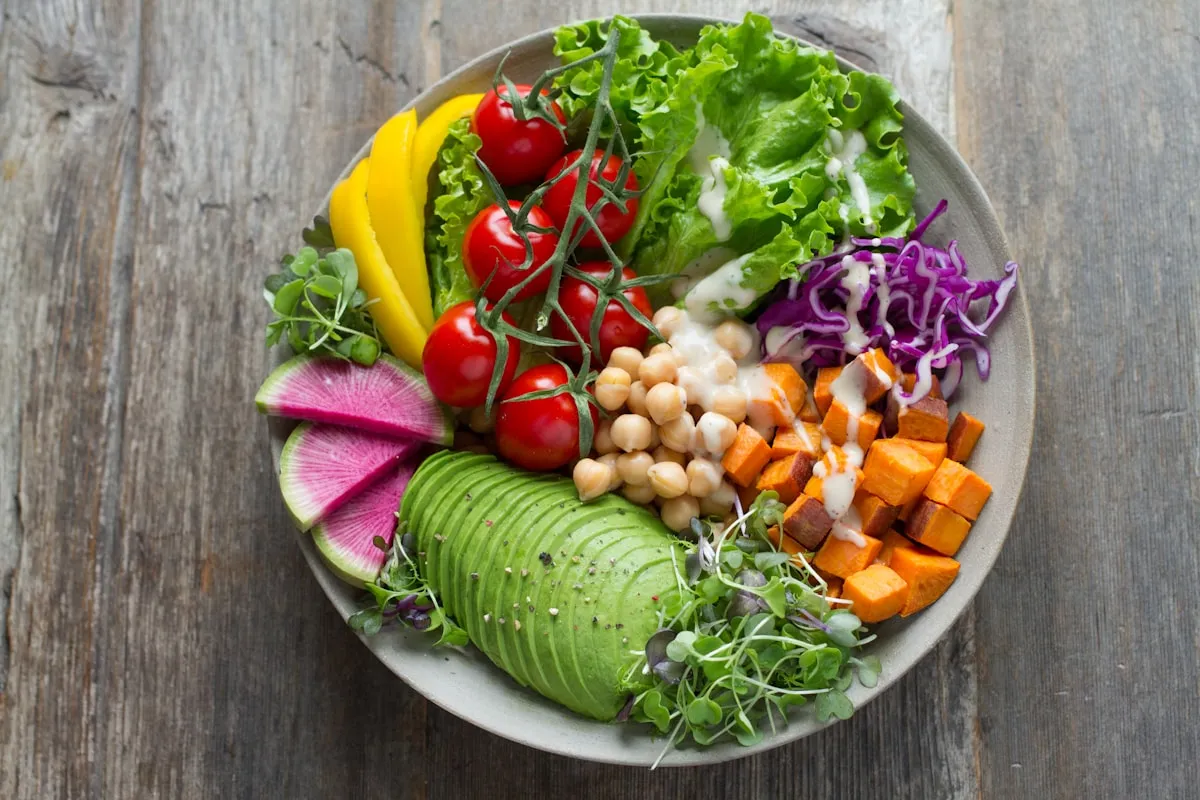
If you’re staring at a can of chickpeas and wondering how to turn it into a masterpiece without spending a fortune, you’re in the right place. I’ve spent countless nights perfecting this dish because it’s the king of budget friendly recipes that actually tastes like a high-end meal. There’s something deeply satisfying about transforming humble pantry staples into a fragrant, golden bowl of comfort. Whether you’re a long-time vegan or just exploring more plant-based dinner ideas, this curry is going to become your new weeknight obsession. Let’s dive into why this works and how you can make it flawless every single time.
The Chemistry of Flavor: Blooming and Browning
Great curry isn’t just about throwing things into a pot and hoping for the best; it’s about understanding how heat interacts with your ingredients. To start, you must focus on the "aromatic base." This usually means onions, garlic, and ginger. When you sauté your onions, don't just wait for them to turn translucent. Aim for a deep, golden brown. This is the Maillard reaction in action, a chemical process where amino acids and sugars react under heat to create hundreds of different flavor compounds. This step is the secret to that "slow-cooked" depth of flavor in quick family meals.
Once your onions are caramelized and sweet, it’s time for the most important scientific step: "blooming" your spices. Most of the flavor compounds in spices like cumin, turmeric, and coriander are fat-soluble, not water-soluble. If you toss your curry powder directly into a watery sauce, the flavors stay "trapped" inside the spice particles. Use a good amount of oil and let those spices sizzle for 30 to 60 seconds. You’ll know it’s working when the aroma suddenly intensifies and fills your kitchen. This process unlocks the essential oils and ensures the flavor is evenly distributed throughout the entire dish.
Check the consistency of your sauce frequently. A common mistake is a watery curry that doesn't cling to the chickpeas. To fix this without adding flour or thickeners, try the "mash method." Use the back of your spoon to crush about a quarter of the chickpeas against the side of the pot. These crushed legumes release natural starches that act as a powerful, built-in emulsifier. This creates a thick, luxurious texture that feels much more indulgent than it actually is. It’s one of my favorite healthy dinner ideas because it relies on the ingredients themselves to provide body rather than heavy creams.
Don't forget the role of acidity. After simmering your chickpeas in coconut milk or tomatoes, the dish can sometimes taste a bit "flat" or overly rich. This is where science meets your palate. Adding a squeeze of lime or lemon juice at the very end doesn't just add a fruity note; the acid actually interacts with your taste buds to make the other flavors pop. It cuts through the fat of the coconut milk and balances the earthiness of the spices. Avoid adding the citrus too early, though, as the bright, volatile aromatic compounds can dissipate with high heat.
Smart Ingredient Choices: Dried vs. Canned
When you're looking for budget friendly recipes, the choice between dried and canned chickpeas is your first big decision. Canned chickpeas are the ultimate convenience for quick family meals, but they often carry a slightly metallic "can taste" and a softer texture. If you use canned, always rinse them thoroughly under cold water. This removes the excess sodium and the viscous liquid (aquafaba) which can sometimes make your curry taste a bit murky.
On the other hand, using dried chickpeas is the gold standard for texture and cost-efficiency. If you have the time to soak and boil them, you’ll find they have a much firmer "bite" and a creamier interior. More importantly, dried chickpeas are sponges. As they cook in your spiced sauce, they absorb the flavors right to their core, whereas canned chickpeas tend to just be coated by the sauce. If you’re a fan of meal prepping, cook a massive batch of dried chickpeas on Sunday and freeze them in portions. It’s a pro move that makes your weeknight plant-based dinner ideas even easier to execute.
Flavor Variations to Keep Things Fresh
The beauty of this curry is its versatility. You can easily adapt the base to whatever is lingering in your fridge. If you want a protein-packed twist, stir in two tablespoons of natural peanut butter. The fats in the peanut butter create an incredibly silky mouthfeel and add a nutty complexity that pairs beautifully with the ginger and chili. This is a great way to make healthy dinner ideas feel more filling for those with high energy needs.
For a heartier, more stew-like version, add roasted sweet potatoes and frozen green peas. The natural sweetness of the potatoes balances the heat of the spices, and the peas provide a bright pop of color and texture. If you prefer a lighter, more tomato-forward dish (similar to a Chana Masala), skip the coconut milk entirely and double up on crushed tomatoes. Simmer it down until it’s thick and dark. This variation is significantly lower in calories but stays high on the flavor scale because of the concentrated tomato umami.
If you’re feeling adventurous, try incorporating different greens. While spinach is the classic choice because it wilts in seconds, chopped kale or Swiss chard can add a delightful bitterness and a bit of "crunch." Just remember that heartier greens need to be added a few minutes earlier than spinach to ensure they soften properly. This is one of those quick family meals where you can hide a mountain of vegetables and no one will complain because the sauce is just that good.
Perfect Pairings for a Balanced Plate
A great curry is only half the story; what you serve it with determines the overall balance of the meal. Traditionally, a long-grain Basmati rice is the go-to. The grains are light, fluffy, and act as the perfect canvas for the heavy sauce. If you want to boost the nutritional profile, try serving it over quinoa or even cauliflower rice. The nuttiness of quinoa complements the chickpeas surprisingly well.
Don't overlook the power of flatbread. Whether it's a charred naan or a simple homemade roti, having something to "scoop" with makes the eating experience much more tactile and satisfying. To keep it healthy, look for whole-wheat options. If the curry feels a bit too spicy for some family members, serve a side of plant-based yogurt or a quick cucumber raita. The coolness of the yogurt provides a thermal and flavor contrast that resets the palate between bites.
For a fresh side, a simple slaw made with shredded cabbage, lime juice, and cilantro is a game-changer. The crunch and acidity of the raw vegetables cut through the richness of the curry, making the whole meal feel much lighter. Just like we talk about in our guide on achieving the perfect glossy sauce, balance is everything in home cooking.
FAQ: Solving Your Curry Dilemmas
Why is my curry sauce too thin and watery?
This usually happens if you haven't simmered the sauce long enough or if you used too much broth. Use the "mash method" mentioned earlier: crush some of the chickpeas to release their starch. Also, ensure you are simmering uncovered. This allows the steam to escape, concentrating the flavors and thickening the liquid into a proper sauce. If you're in a rush, a tablespoon of coconut flour or a little bit of tomato paste can act as a quick rescue.
Can I make this in an air fryer?
While you can't cook the liquid sauce in one, you can use air fryer recipes dinner techniques to crisp up your chickpeas first! Toss the chickpeas in oil and spices, air fry until crunchy, and then fold them into a separately simmered sauce at the very end. This gives you a unique "crunchy curry" texture that is absolutely addictive and adds a layer of complexity you won't get from a traditional pot simmer.
Is it okay to use ground ginger instead of fresh?
Yes, but the flavor profile will shift. Fresh ginger has a sharp, zesty, and almost citrusy heat, while ground ginger is much warmer and more "woody." If you must use ground, use about half a teaspoon for every tablespoon of fresh ginger called for, and add it during the spice-blooming stage rather than with the aromatics.
How do I store leftovers without them getting mushy?
Chickpea curry actually tastes better the next day because the spices have more time to permeate the legumes. Store it in an airtight container in the fridge for up to four days. When reheating, you might notice the sauce has thickened significantly as the chickpeas continue to absorb moisture. Simply add a splash of water or coconut milk when reheating on the stove to bring back that original creamy consistency.
My curry tastes bitter: what happened?
Bitterness usually comes from one of two things: either the garlic was burnt during the aromatic stage, or you used too much turmeric. Turmeric is wonderful for color and health benefits, but in excess, it can be quite medicinal and bitter. If it’s already bitter, try adding a tiny pinch of sugar or a bit more coconut milk to round out the harsh edges.
Is this recipe freezer-friendly?
Absolutely. This is one of the best plant-based dinner ideas for batch cooking. It freezes beautifully for up to three months. Just avoid adding the fresh spinach or cilantro before freezing; instead, stir those in fresh when you reheat the dish to maintain their color and texture.
{“@type”:”BlogPosting”,”image”:”https://cdn.marblism.com/FIEz5XKHpdI.webp”,”author”:{“name”:”Penny”,”@type”:”Person”},”@context”:”https://schema.org”,”headline”:”Simple Plant-Based Chickpea Curry”,”publisher”:{“logo”:{“url”:”https://cookpedia.com/logo.png”,”@type”:”ImageObject”},”name”:”Cookpedia”,”@type”:”Organization”},”description”:”A deep dive into the science of making the perfect budget-friendly plant-based chickpea curry, focusing on flavor blooming and aromatic bases.”,”datePublished”:”2026-05-19″}
{“@type”:”FAQPage”,”@context”:”https://schema.org”,”mainEntity”:[{“name”:”Why is my curry sauce too thin and watery?”,”@type”:”Question”,”acceptedAnswer”:{“text”:”This usually happens due to insufficient simmering or excess liquid. Simmer uncovered to allow evaporation and mash some chickpeas against the side of the pot to release natural starches that thicken the sauce.”,”@type”:”Answer”}},{“name”:”Can I make this in an air fryer?”,”@type”:”Question”,”acceptedAnswer”:{“text”:”While the sauce needs a pot, you can air fry the chickpeas with spices first to give them a crunchy texture before folding them into the simmered sauce.”,”@type”:”Answer”}},{“name”:”Is this recipe freezer-friendly?”,”@type”:”Question”,”acceptedAnswer”:{“text”:”Yes, it freezes well for up to three months. For best results, add fresh greens like spinach only when reheating to maintain their texture.”,”@type”:”Answer”}}]}