Recipe
Servings
Servings 1×
Ingredients
- Chickpeas
- Beans
- Avocado
- Garlic
- Lemon
- Cooking oil
- Salt
- Black pepper
Method
- Let's dive into the science of why your air fryer is the superior vessel for this transformation and how you can stop settling for mediocre snacks.
- Use a clean kitchen towel and roll them around until every hint of surface moisture is gone.
- Use garlic powder and smoked paprika.
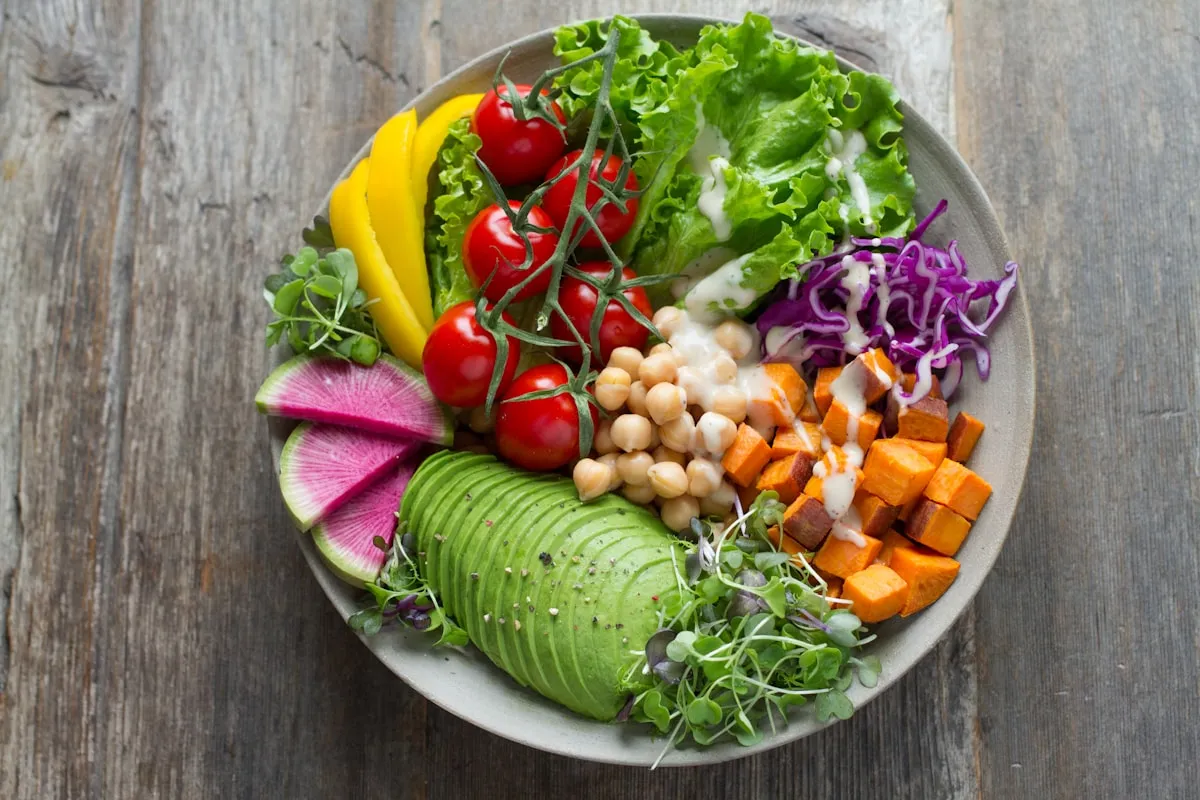
We’ve all been there: you’re chasing that legendary crunch, the kind that echoes in your skull with every bite, but you end up with a bowl of sad, chewy, semi-dehydrated legumes that taste like disappointment. If you’ve ever wondered why your chickpeas refuse to cooperate, you aren’t failing at cooking; you’re fighting physics. Turning a humble canned bean into a high-octane snack requires more than just heat; it requires a deep understanding of forced convection and the chemical threshold of the Maillard reaction.
In my kitchen, I treat the air fryer less like a convenience tool and more like a high-velocity thermal laboratory. By mastering the way air moves and moisture evaporates, you can transform these fiber-filled nuggets into the ultimate addition to your rotation of quick family meals. Let's dive into the science of why your air fryer is the superior vessel for this transformation and how you can stop settling for mediocre snacks.
The Physics of the Crunch: Forced Convection and Moisture
To understand why the air fryer is king, you have to understand heat transfer. In a standard oven, you’re mostly relying on radiant heat and slow, lazy air. It’s inefficient. An air fryer, however, is a localized wind tunnel. It circulates air at velocities exceeding 12 mph. This is "forced convection," and it is the secret to high-speed dehydration.
The Dehydration Mandate
Before any browning can occur, you have to deal with the water. Chickpeas are roughly 60% water, and that moisture is the enemy of the crunch. For the Maillard reaction, the chemical dance between amino acids and reducing sugars that creates flavor and brown color, to happen, the water activity on the surface of the chickpea must drop below a specific threshold (roughly 0.40 aw).
Dry your chickpeas with a level of obsession usually reserved for fine silk. Use a clean kitchen towel and roll them around until every hint of surface moisture is gone. If they are even slightly damp, the energy from the air fryer will be wasted on evaporating that surface water instead of crisping the skin. This delay prevents the starch granules from gelatinizing quickly, leading to a rubbery interior.
Mastering the Maillard Zone
Once you’ve achieved surface dryness, the temperature becomes the critical variable. Through extensive testing, I’ve found that 390°F is the absolute sweet spot for healthy dinner ideas involving legumes. At this temperature, the air fryer rapidly dehydrates the outer 150–200 micrometers of the chickpea.
If you drop below 280°F, the Maillard reaction stalls, leaving you with pale, tough beans. If you push past 330°F for too long, you risk excessive protein cross-linking, which results in a bitter, acrid flavor and the formation of acrylamides. Stick to the high-velocity heat of the air fryer to ensure the core reaches the safety-mandated 165°F while the exterior shatters like glass.
The Role of Lipids
Do not skip the oil, but do not drown them either. A thin layer of oil acts as a heat-conducting medium, ensuring the hot air transfers its energy evenly across the irregular surface of the bean. Think of oil as the bridge that helps the heat cross the gap from the air to the chickpea’s cellular structure. Avoid using low-smoke-point oils; stick to avocado or grapeseed oil to handle the 390°F thermal load without breaking down into off-flavors.
Textural Variations and Flavor Chemistry
Once you’ve mastered the base physics, you can start playing with the biochemistry of flavor. Chickpeas are naturally rich in lysine and arginine, two amino acids that are fantastic at producing umami and nutty notes when heated.
The Savory Profile
For a savory punch, lean into powders rather than fresh aromatics. Fresh garlic will burn long before the chickpea reaches peak crunch. Use garlic powder and smoked paprika. The smoke molecules provide a sensory depth that mimics the char of a grill, while the capsaicin in the paprika offers a mild metabolic kick. If you're looking for more air fryer recipes dinner ideas that utilize this savory-char profile, check out our Air Fryer Sausage and Pepper Medley.
The Acidic Balance
To elevate the flavor, you need to cut through the earthy density of the legume. High-quality sea salt is a non-negotiable for enhancing flavor perception, but a touch of citric acid or lemon zest added after cooking provides the necessary brightness. Never add liquid acids before air frying, or you’ll reset the water activity levels and ruin your hard-won crunch.
Side Dish Pairings: Balancing Texture
Crispy chickpeas shouldn't live in a vacuum. Their structural integrity makes them the perfect foil for softer, more hydrated components in a meal.
The Mediterranean Power Bowl
Pair these crunchy spheres with creamy textures like hummus or whipped feta. The contrast between the shattering exterior of the chickpea and the velvet-smooth cheese creates a "sensory bridge" that makes the meal more satisfying. Add some fresh cucumbers and tomatoes for a hit of aqueous crunch to balance the dry, roasted crunch of the beans.
The Modern Salad Topper
Forget bread-based croutons that turn into soggy sponges the moment they hit dressing. Air-fried chickpeas maintain their structural collapse much longer. Use them in a kale caesar or a bright arugula salad. The fiber and protein density makes these a staple for healthy dinner ideas that don't feel like "diet food." For more inspiration on building out a full menu, browse our collection of simple home-cooked meals.
Frequently Asked Questions (FAQ)
Why do my chickpeas get soft after an hour?
This is the result of hygroscopy. Chickpeas are porous, and once they cool down, they begin to absorb moisture from the surrounding air. If the ambient humidity is high, that crisp outer layer will soften as it reaches equilibrium with the environment. To prevent this, let them cool to about 122°F (where they are most crispy) and then store them in an airtight glass container. If you're serious about longevity, toss a food-grade silica packet in there to keep the headspace humidity below 15%.
Can I use dried chickpeas instead of canned?
Yes, but you must hydrate them first. You cannot air-fry a dry, hard chickpea and expect success. Soak them for at least 12 hours to allow for full starch gelatinization during the cooking process. In fact, many purists prefer dried-then-soaked chickpeas because they have a sturdier cellular wall, which leads to a more substantial "pop" when bitten.
Is the air fryer really better than a standard oven?
Quantifiably, yes. In a standard oven, the lack of air velocity means the heat transfer is slower, which often leads to the interior of the chickpea drying out completely before the outside becomes truly crispy. The air fryer’s high CFM (cubic feet per minute) airflow allows for rapid surface browning while maintaining a tiny bit of "give" in the center, creating a superior textural contrast.
Why do some chickpeas "pop" or explode in the basket?
This is due to steam pressure. If a chickpea has a particularly tough skin and the internal moisture turns to steam faster than it can escape through the pores, the pressure builds until the skin fails. It’s harmless but a sign that your heat might be a localized "hot spot." Give the basket a vigorous shake every 5 minutes to ensure even thermal distribution and prevent any single bean from taking the full brunt of the heating element.
Do I need to peel the skins off?
If you have the patience of a saint, yes, peeling the skins will result in an even crispier product because you're removing a barrier to moisture evaporation. However, for quick family meals, it's usually not necessary. The air fryer is powerful enough to crisp the skins themselves into a delicate, paper-thin crunch that most people actually enjoy.