Recipe
Servings
Servings 1×
Cook 11 min
Ingredients
- Chicken
- Tofu
- Chickpeas
- Beans
- Pasta
- Rice
- Greek yogurt
- Tortillas
- Bread
- Cauliflower
- Spinach
- Avocado
- Garlic
- Fresh ginger
- Lemon
- Lime
- Mustard
- Coconut milk
Method
- Start with a high-quality fat: be it avocado oil, ghee, or coconut oil.
- Heat it until it shimmers, then drop in your whole seeds.
- Use a medium-low flame for ground powders and stir constantly.
- Heat Levels: Adjust the "kick" by varying your chili input.
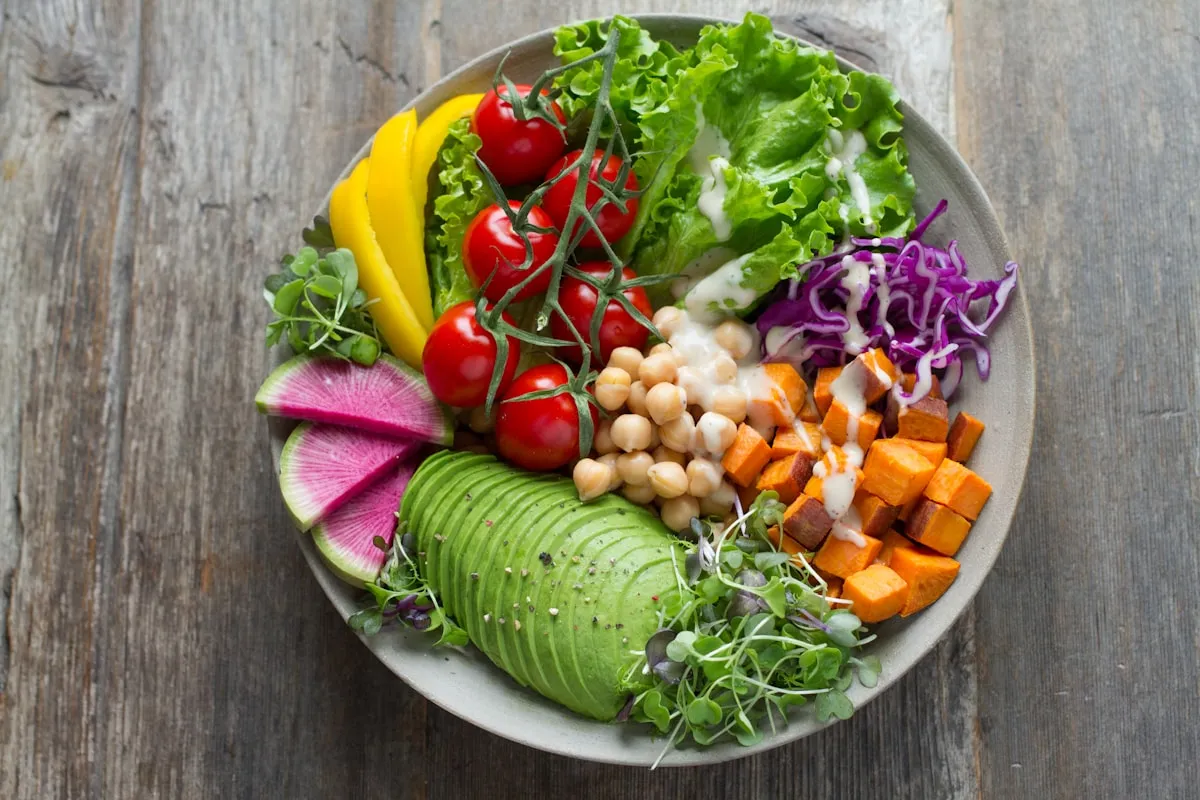
When life gets chaotic and your stomach is growling, you need a strategy that delivers maximum flavor in under fifteen minutes. Forget the takeaway menus; you can whip up a restaurant-quality meal faster than a delivery driver can find your driveway. This Speedy Chickpea and Spinach Curry is my go-to for quick family meals because it relies on pantry staples and a few fundamental culinary secrets that elevate humble canned beans into a complex, aromatic feast. It’s the ultimate proof that healthy dinner ideas don't have to be time-consuming or bland.
The Chemistry of Flavor: Blooming and Emulsification
To make a curry taste like it’s been simmering for hours in just a fraction of the time, you have to understand "blooming." Most of the flavor molecules in spices like cumin, coriander, and turmeric are fat-soluble. If you simply toss them into a watery sauce, those flavors remain locked inside the spice’s cell walls, leading to a "patchy" or dusty-tasting dish.
The Art of the Tadka
Start with a high-quality fat: be it avocado oil, ghee, or coconut oil. Heat it until it shimmers, then drop in your whole seeds. This process, known as a tadka or tempering, causes the cell walls of the spices to rupture under high heat. The oil then acts as a carrier, absorbing those essential oils and distributing them evenly throughout the entire dish.
(Prompt: Close-up of whole cumin seeds and mustard seeds sizzling in hot golden oil in a dark cast iron skillet. Small bubbles forming around the seeds. High-quality, natural-light food photography, warm tones, shallow depth of field.)
Check your heat level. If the oil is too hot, your ground spices will burn in seconds, turning bitter and ruining the batch. Use a medium-low flame for ground powders and stir constantly. If things look like they are catching, add a tiny splash of water or coconut milk immediately. This creates a thick paste that continues to "fry" without scorching. This technique is similar to how we achieve a glossy sauce in our one-pot pasta recipes, where fat and liquid emulsification is key.
Texture and Body
Canned chickpeas are a miracle ingredient, but they can be a bit one-dimensional. To create a luxurious, creamy mouthfeel without heavy cream, take the back of your wooden spoon and mash about 10% of the chickpeas against the side of the pot once they’ve started simmering. The released starches act as a natural thickener, binding the coconut milk and spice-infused oil into a cohesive, velvety sauce.
Non-Negotiable Techniques for Success
- Rinse the Chickpeas: Always drain and thoroughly rinse your canned chickpeas. The liquid they sit in (aquafaba) is full of sodium and can have a metallic aftertaste that interferes with your delicate spice profile.
- The Power of Acid: A curry without acidity is like a song without a beat: it just doesn't move. Right before serving, squeeze in fresh lime or lemon juice. The citric acid cuts through the richness of the coconut milk and balances the earthiness of the turmeric.
- Fold Spinach at the Finish: Spinach contains a lot of water and delicate volatile compounds. If you boil it, it turns into a gray, slimy mess. Turn off the heat and fold the fresh leaves in at the very end. The residual heat from the curry is more than enough to wilt them to a vibrant, forest green in about thirty seconds.
(Prompt: Fresh green spinach leaves being gently folded into a simmering golden chickpea curry with a wooden spoon. Vibrant colors, steam rising, natural lighting, high-quality photography.)
Versatile Variations for Every Palate
This recipe is a blueprint. Once you master the blooming technique, you can pivot to suit whatever is in your fridge.
For the Protein Seekers: If you want more heft, add diced chicken breast or firm tofu cubes. If using chicken, sear it in the bloomed oil before adding the chickpeas to ensure the Maillard reaction: that golden-brown crust: develops, adding savory depth.
The Creaminess Scale: If you find coconut milk too rich, swap half of it for a high-quality vegetable stock. Conversely, for an ultra-decadent version, stir in a dollop of Greek yogurt or a swirl of heavy cream off the heat. This is one of those healthy dinner ideas that adapts to your macros effortlessly.
Heat Levels: Adjust the "kick" by varying your chili input. A pinch of cayenne offers a sharp, direct heat, while fresh sliced bird’s eye chilies provide a fruity, lingering warmth. If you’re cooking for kids, stick to mild paprika and a little extra ginger for a "warm" rather than "hot" sensation.
Perfect Side Dish Pairings
While a bowl of this curry is satisfying on its own, the right side dish transforms it into a complete experience.
Basmati Rice: The long, slender grains of Basmati are perfect for soaking up the sauce. For extra flair, add a few cardamom pods or a cinnamon stick to the rice water while it steams.
Quick Breads: Naan or garlic paratha are the traditional choices for scooping. If you're short on time, even a toasted piece of sourdough or a warm tortilla works in a pinch.
Air-Fried Crispy Veggies: For a textural contrast, I love serving this alongside some crispy roasted cauliflower. If you're already a fan of air fryer recipes dinner, toss some florets with turmeric and salt and pop them in the basket for 10 minutes at 400°F. The charred, crunchy edges of the cauliflower are the perfect foil to the soft, creamy chickpeas.
(Prompt: A plated meal featuring a bowl of chickpea and spinach curry served next to a mound of fluffy white basmati rice and a piece of charred naan bread. A small garnish of fresh cilantro and a lime wedge. Natural daylight, rustic wooden table, high-quality food photography.)
Frequently Asked Questions
Can I use dried chickpeas instead of canned?
You certainly can, but it will no longer be a 15-minute meal. Dried chickpeas require an overnight soak and about 60–90 minutes of simmering. If you have the time, the texture is arguably superior, but for quick family meals, canned is the undisputed king. If you use dried, make sure they are fully tender before adding the acid (lemon/lime), as acid can sometimes prevent the beans from softening further.
Why does my curry taste "flat" or boring?
Usually, this comes down to one of three things: lack of salt, lack of acid, or skipped blooming. Salt doesn't just make things salty; it unlocks other flavors. Add it in stages and taste as you go. If it’s still dull, add a squeeze of lime. If the flavor feels "thin," it’s likely because the spices weren't properly toasted in oil at the start.
Is this recipe freezer-friendly?
Yes! This curry freezes beautifully. The only caveat is the spinach; it will lose its vibrant color and become quite soft upon reheating. If you’re planning to freeze a batch, I recommend making the curry base and chickpeas, freezing those, and then adding fresh spinach when you reheat it for a "just-cooked" freshness.
How do I prevent the coconut milk from curdling?
Curdling usually happens when you boil the coconut milk too vigorously or add an acidic ingredient (like lime juice) while the sauce is at a rolling boil. Keep the simmer gentle and always wait until the very end, with the heat turned down or off, before adding your citrus.
Can I add other vegetables?
Absolutely. Small florets of cauliflower, diced sweet potatoes, or peas are excellent additions. Just keep in mind the cooking times; sweet potatoes will need to simmer for at least 10–12 minutes, whereas frozen peas only need sixty seconds at the end. Use your judgment to ensure everything reaches peak tenderness at the same time.
Why is my spinach so watery?
If you wash your spinach and don't dry it, that excess water will dilute your sauce. Use a salad spinner or pat the leaves dry with a clean kitchen towel before adding them to the pot. This ensures you’re maintaining that concentrated, spice-forward flavor we worked so hard to build.