Recipe
Servings
Servings 1×
Ingredients
- Salmon
- Shrimp
- Chickpeas
- Pasta
- Broccoli
- Asparagus
- Zucchini
- Spinach
- Garlic
- Lemon
- Balsamic vinegar
- Cream
- Butter
- Cooking oil
Method
- Let’s dive into how to make this dish truly shine by mastering the science of the sauce.
- Use a small amount of cooking water (aim for concentrated starch by using less water in your pot) to bridge the gap between the oil and the lemon juice.
- Heat is both your best friend and your worst enemy.
- Use medium-high heat to sear your shrimp quickly: this triggers the Maillard reaction, giving you those flavorful golden-brown edges.
- Use a pair of tongs or a vigorous pan flick to move the pasta through the sauce.
- Remove them from the pan the second they turn opaque and pink, then add them back only at the very end to warm through.
You know those nights when you’re staring into the fridge, the clock is ticking, and you need a win? I’ve been there. My answer is almost always a light, zesty plate of lemon garlic shrimp. It’s one of those simple pasta recipes that feels like a restaurant luxury but actually takes less time than ordering delivery. We’re talking under 20 minutes from the moment you drop the pasta into the water to the first bite. It’s the ultimate savior for quick family meals and fits perfectly into your rotation of healthy dinner ideas without feeling like a "diet" food. Let’s dive into how to make this dish truly shine by mastering the science of the sauce.
The Art of the Emulsion: Why Your Sauce Works
The secret to a world-class shrimp pasta isn't some expensive bottle of oil; it’s physics. When you combine fat (butter and olive oil) with water-based liquids (lemon juice and pasta water), they naturally want to separate. Your goal is to create a stable emulsion: a creamy, glossy coating that clings to every strand of pasta instead of pooling at the bottom of the bowl.
Harness the Power of Starch
Never dump your pasta water down the drain! That murky, salted liquid is liquid gold. As pasta cooks, it releases starch. Use a small amount of cooking water (aim for concentrated starch by using less water in your pot) to bridge the gap between the oil and the lemon juice. The starch acts as an emulsifier, physically holding the fat droplets in suspension.
Manage the Heat
Heat is both your best friend and your worst enemy. Use medium-high heat to sear your shrimp quickly: this triggers the Maillard reaction, giving you those flavorful golden-brown edges. However, once the shrimp are out and you’re building the sauce, drop the heat. If the pan is screaming hot when you add the lemon and pasta water, the emulsion will break, leaving you with a greasy mess. Aim for a gentle simmer (around 55–60°C) when you’re tossing the pasta.
The Mechanical Toss
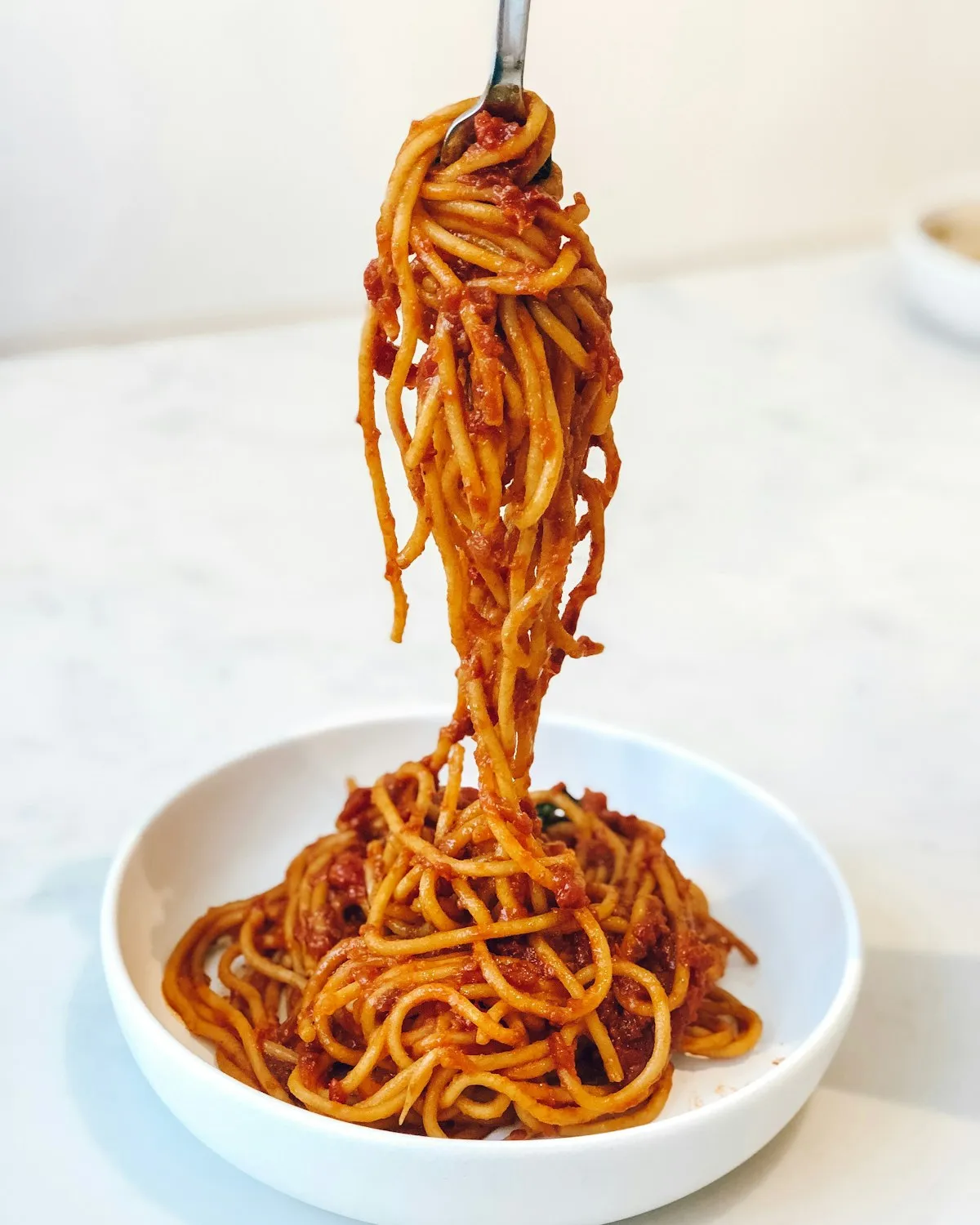
Don't just stir; toss. Use a pair of tongs or a vigorous pan flick to move the pasta through the sauce. This mechanical energy breaks the fat into smaller droplets, allowing the starch and proteins to coat them more effectively. Check the consistency as you go; if it looks dry, add a splash of pasta water. If it looks thin, keep tossing over medium heat until the water evaporates and the sauce tightens.
Mixing it Up: Creative Variations
While the classic lemon and garlic combo is hard to beat, you can easily adapt this framework to suit what’s in your pantry. This versatility is what makes it one of my favorite simple pasta recipes.
- The Acidity Swap: If you’re out of lemons, don’t panic. Use a splash of dry white wine or even a tablespoon of caper brine. The acidity is crucial for cutting through the richness of the butter and balancing the sweetness of the shrimp.
- Protein Alternatives: Not a shrimp fan? This technique works beautifully with scallops or flaked salmon. If you're looking for more quick family meals that use different proteins, check out our one-pot pasta category for inspiration.
- Veggie Boost: Fold in a handful of baby spinach or some blanched asparagus spears right at the end. The residual heat will wilt the greens without turning them into mush. It's a great way to sneak more greens into your healthy dinner ideas.
Balancing the Plate: Perfect Pairings
Because this pasta is rich with butter and garlic, you want side dishes that provide a crisp, refreshing contrast. A simple arugula salad with a balsamic vinaigrette is a classic choice, but if you want to keep the "quick" in quick family meals, lean on your appliances.
Pair this dish with some air-fried broccoli or zucchini. Using air fryer recipes dinner style allows you to get that perfect char and crunch without standing over a stove, keeping your kitchen cool and your stress levels low. The charred bitterness of the broccoli cuts right through the garlic butter, creating a perfectly balanced bite.
Troubleshooting the Sizzle: Your Shrimp FAQ
What if my sauce breaks and looks oily?
This usually happens because the heat was too high or you didn't have enough starch. To fix a broken sauce, take the pan off the heat, add a tablespoon of very starchy pasta water, and whisk or toss vigorously. The sudden introduction of starch and a drop in temperature usually coaxes the emulsion back together.
Can I use frozen shrimp?
Absolutely. In fact, most "fresh" shrimp at the counter were previously frozen anyway. Just ensure they are completely thawed and patted dry with paper towels. Excess moisture on the surface of the shrimp will cause them to steam rather than sear, ruining that beautiful golden crust. Avoid cooking them straight from frozen; they’ll release too much water and dilute your sauce.
Why do my shrimp always turn out rubbery?
Overcooking is the culprit. Shrimp cook incredibly fast: usually in about 2 minutes per side. Watch for the "C" shape; that means they are perfectly cooked. If they curl into a tight "O," they are overdone and will be tough. Remove them from the pan the second they turn opaque and pink, then add them back only at the very end to warm through.
Is this recipe actually healthy?
Yes! By focusing on high-quality fats like olive oil and nutrient-dense protein like shrimp, you’re creating a balanced meal. If you want to lean further into healthy dinner ideas, swap the traditional pasta for a whole-grain or chickpea-based variety. These have even more surface starch, which actually makes for a very stable, creamy sauce without needing heavy cream.
How do I get more garlic flavor without it being bitter?
Avoid the jarred pre-minced stuff; it often has a harsh, acidic preservative taste. Slice your fresh garlic cloves thinly rather than mincing them into a paste. Slices take longer to brown, allowing you to infuse the oil with a mellow, nutty garlic flavor without the risk of burning the tiny bits.
{“faq”:{“@type”:”FAQPage”,”mainEntity”:[{“name”:”What if my sauce breaks and looks oily?”,”@type”:”Question”,”acceptedAnswer”:{“text”:”Take the pan off the heat, add a tablespoon of starchy pasta water, and whisk vigorously to re-emulsify the fat.”,”@type”:”Answer”}},{“name”:”Can I use frozen shrimp?”,”@type”:”Question”,”acceptedAnswer”:{“text”:”Yes, just thaw them completely and pat them dry to ensure a good sear.”,”@type”:”Answer”}},{“name”:”Why are my shrimp rubbery?”,”@type”:”Question”,”acceptedAnswer”:{“text”:”They are likely overcooked. Remove them from the pan once they form a ‘C’ shape and turn opaque.”,”@type”:”Answer”}}]},”@type”:”BlogPosting”,”image”:”https://cdn.marblism.com/qTVpGYN8hZT.webp”,”author”:{“name”:”Penny”,”@type”:”Person”},”@context”:”https://schema.org”,”headline”:”Simple Pasta with Lemon Garlic Shrimp”,”publisher”:{“logo”:{“url”:”https://cdn.marblism.com/KxroJ1kM_KA.webp”,”@type”:”ImageObject”},”name”:”Cookpedia”,”@type”:”Organization”},”description”:”A quick and zesty 20-minute lemon garlic shrimp pasta. Learn the science of emulsification for a perfect sauce every time.”,”datePublished”:”2026-07-08″,”mainEntityOfPage”:{“@id”:”https://cookpedia.com/simple-pasta-lemon-garlic-shrimp”,”@type”:”WebPage”}}