Recipe
Servings
Servings 1×
Ingredients
- Chicken
- Shrimp
- Pasta
- Noodles
- Bread
- Broccoli
- Lemon
- Cream
- Hard cheese
- Cooking oil
- Salt
- Black pepper
Method
- Prepare the ingredients described in the article and heat the cooking surface or oven as directed.
- Cook the main ingredients using the heat and timing guidance in the article.
- Finish with the seasonings and garnishes named in the article, then serve.
There is something inherently soulful about a bowl of pasta that glows. Not with neon artificiality, but with the warm, sunset-hued radiance of perfectly roasted vegetables. If you are tired of the same old marinara but aren’t quite ready to commit to a heavy Alfredo, let me introduce you to your new best friend: roasted red pepper sauce. This dish is the epitome of high-impact, low-effort cooking. It’s elegant enough for a date night yet fast enough to qualify as one of those quick family meals you keep in your back pocket for Tuesday nights when the fridge looks like a desert.
I’m talking about a sauce that is velvety, naturally sweet, and slightly smoky, clinging to every curve of your pasta with a persistence that store-bought jars simply can't replicate. It’s a minimalist masterpiece that proves you don't need a pantry full of exotic ingredients to create a world-class dinner. You just need a little heat, a blender, and a healthy dose of culinary "why."
The Science of Smoke and Silk
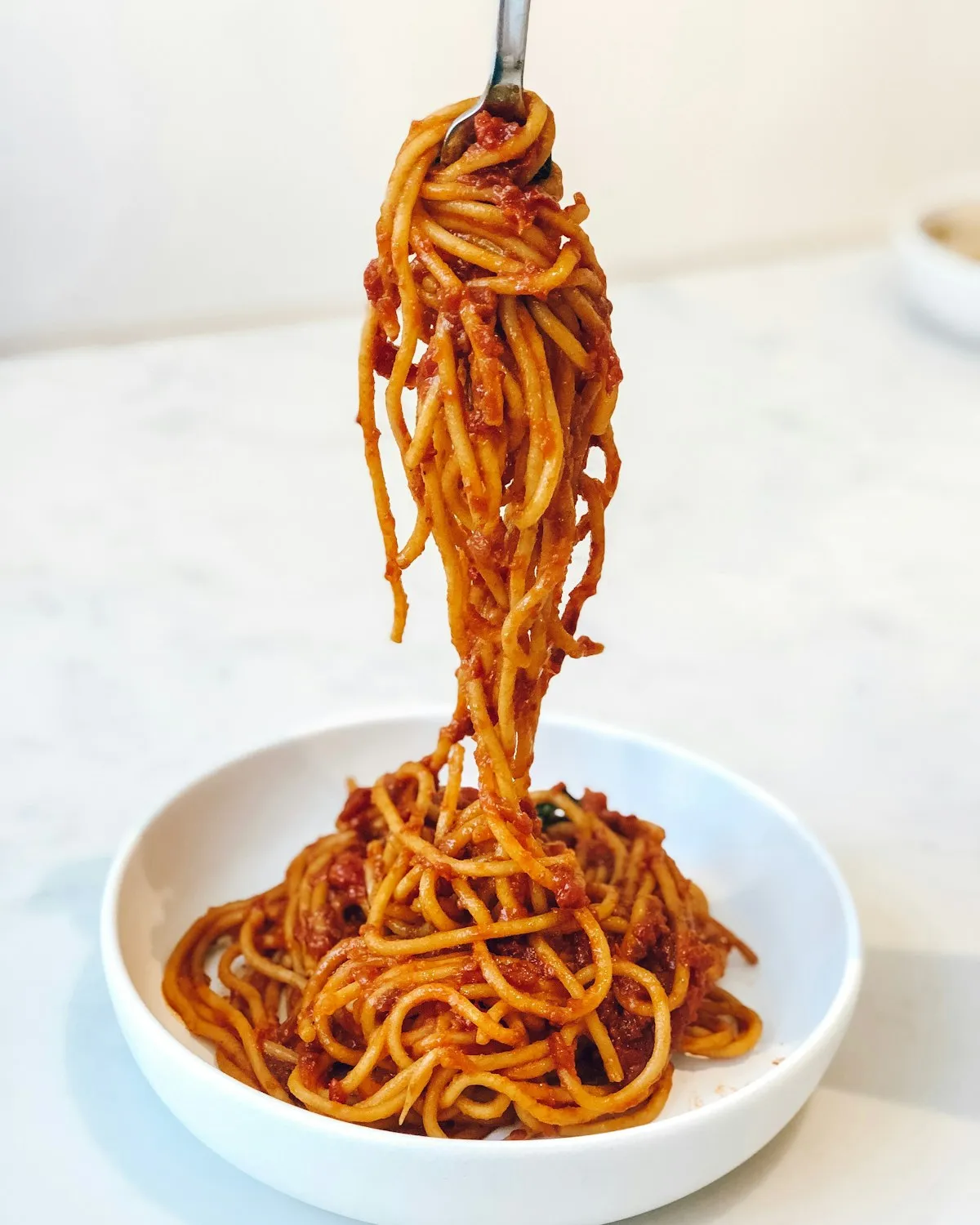
To make a sauce that actually tastes like something, you have to understand the power of the Maillard reaction. This is the chemical dance that happens when sugars and proteins meet high heat. When you roast your peppers until the skin blisters and blackens, you aren't just "cooking" them; you are transforming their molecular structure. The raw, grassy crunch of a bell pepper gives way to a deep, caramelized sweetness that serves as the backbone of this dish.
Master the Char
Don’t be afraid of the black bits. Roast your peppers until they look slightly defeated. That char is where the smokiness lives. If you pull them out too early, your sauce will taste like a salad. Once they are out of the oven, trap them in a bowl with a lid or a plate. The steam will loosen the skins, making them slide right off. However, here is a professional tip: leave a tiny bit of the charred skin on. It adds a rustic, fire-roasted complexity that sets this apart from basic healthy dinner ideas.
The Magic of Emulsification
The secret to that "restaurant-quality" gloss isn't just cream, it’s science. Emulsification is the process of forcing fat and water to play nice together. When you blend your roasted peppers with a bit of fat (like olive oil, heavy cream, or even cashews), you are creating a stable emulsion.
To take it a step further, use your starchy pasta water. Think of pasta water as liquid gold. The starch acts as a bridge between the noodles and the sauce. Never, ever drain your pasta completely. Reserved pasta water contains amylose, which helps the sauce thicken and adhere to the pasta surface rather than sliding off to pool sadly at the bottom of your bowl.
Balance the pH
Roasted peppers are naturally sweet. To keep the dish from feeling one-dimensional, you must introduce acidity. A squeeze of lemon or a dash of high-quality vinegar acts as a "flavor highlighter." It cuts through the richness of the fats and elevates the earthy notes of the peppers. Always taste your sauce before tossing it with the pasta; if it feels "flat," it almost always needs more acid or salt.
Simple Variations for Every Kitchen
While the classic version relies on a splash of cream or a handful of parmesan, this sauce is incredibly versatile. It is a fantastic base for exploring different dietary needs without sacrificing flavor.
- The Vegan Cream-Maker: If you’re leaning into healthy dinner ideas that avoid dairy, swap the cream for soaked cashews. When blended with the peppers, cashews create a richness that is indistinguishable from heavy dairy. It’s a trick used in many plant-based stir-fries and sauces to add body without the bloat.
- The Spicy Kick: If you enjoy a bit of heat, sauté a pinch of red pepper flakes in olive oil before adding your blended sauce to the pan. Capsaicin, the compound that makes peppers hot, is fat-soluble. Sautéing it in oil ensures the heat is distributed evenly throughout the sauce rather than coming in jagged, painful bursts.
- The Protein Boost: While this pasta stands alone, it loves company. Seared shrimp or sliced grilled chicken thighs pair beautifully with the sweetness of the peppers. If you are looking for air fryer recipes dinner options, try air-frying some Italian sausages while the pasta boils. Slice them up and toss them in at the very end for a smoky, salty contrast.
The Perfect Side Dish Pairings
Because this sauce is rich and inherently sweet, your side dishes should provide a sharp contrast in both texture and flavor.
- Arugula Salad with Lemon Vinaigrette: The peppery bite of raw arugula is the perfect foil to the sweet, mellow pepper sauce. Keep the dressing simple: lots of lemon and very little oil.
- Charred Garlicky Broccoli: Use the same roasting technique as the peppers. High-heat broccoli provides a crunchy, bitter element that balances the silkiness of the pasta. You can find more inspiration for quick sides in our 30-minute meals section.
- Crusty Sourdough: This is non-negotiable if you want to perform the "scarpetta", the Italian tradition of wiping the plate clean with bread. You worked hard for that emulsion; don't let a drop of it go to waste.
Frequently Asked Questions
Can I use jarred peppers to save time?
Yes, you absolutely can. If you are aiming for the ultimate in quick family meals, high-quality jarred roasted red peppers are a lifesaver. Just make sure to drain them well and pat them dry. You may want to add a tiny drop of liquid smoke or extra smoked paprika to compensate for the lack of fresh oven-char.
Why did my sauce turn out watery?
This usually happens for two reasons: either the peppers weren't drained well enough after roasting, or you added too much pasta water too quickly. Always start with a thick purée and thin it out gradually with the starchy water. Remember, you can always add more liquid, but taking it away requires a long reduction time that can mute the fresh flavors.
How do I store and reheat the leftovers?
This sauce stores beautifully in an airtight container for up to five days. However, because of the starch and fats, it will thicken significantly in the fridge. When reheating, do it over low heat and add a splash of water or milk to loosen it back up. Avoid the microwave if possible, as it can cause the fats to separate, leaving you with an oily mess.
Can I freeze this sauce?
You can freeze the pepper purée (the blended peppers and aromatics) easily. However, if you have already added dairy like cream or cheese, the texture may change upon thawing. For the best results, freeze the base and add your fresh "creamy" elements when you are ready to eat.
What pasta shape works best?
Texture is key here. Choose a pasta with ridges (like Penne Rigate or Rigatoni) or a shape with a lot of surface area (like Fusilli or Bucatini). The ridges act as "sauce traps," ensuring you get a burst of flavor in every single bite. Check out our guide on mastering simple pasta for more tips on pairing shapes with sauces.
How do I keep the sauce from curdling?
If you are using dairy, never add cold cream to a boiling sauce. Temper it by mixing a little hot sauce into the cream first, or simply lower the heat to a simmer before stirring the dairy in. High heat causes the proteins in the milk to denature and clump together: creating that grainy texture we all want to avoid.
{“faq”:{“@type”:”FAQPage”,”mainEntity”:[{“name”:”Can I use jarred peppers to save time?”,”@type”:”Question”,”acceptedAnswer”:{“text”:”Yes, high-quality jarred roasted red peppers are a great time-saver. Drain and pat them dry before blending.”,”@type”:”Answer”}},{“name”:”Why did my sauce turn out watery?”,”@type”:”Question”,”acceptedAnswer”:{“text”:”This usually happens if peppers weren’t drained well or too much pasta water was added. Start thick and thin gradually.”,”@type”:”Answer”}},{“name”:”Can I freeze this sauce?”,”@type”:”Question”,”acceptedAnswer”:{“text”:”Freeze the pepper base before adding dairy. Dairy-based sauces may separate or change texture when frozen and thawed.”,”@type”:”Answer”}}]},”@type”:”BlogPosting”,”image”:”https://cdn.marblism.com/eCKvSYuX_-D.webp”,”author”:{“name”:”Penny”,”@type”:”Person”},”@context”:”https://schema.org”,”headline”:”Simple Pasta with Roasted Red Pepper Sauce”,”publisher”:{“logo”:{“url”:”https://cookpedia.com/logo.png”,”@type”:”ImageObject”},”name”:”Cookpedia”,”@type”:”Organization”},”description”:”Learn the science behind a silky, smoky roasted red pepper pasta sauce. A minimalist and quick dinner idea perfect for home cooks.”,”datePublished”:”2026-07-07″,”mainEntityOfPage”:{“@id”:”https://cookpedia.com/simple-pasta-roasted-red-pepper-sauce”,”@type”:”WebPage”}}