Recipe
Servings
Servings 1×
Ingredients
- Chicken
- Shrimp
- Chickpeas
- Pasta
- Broccoli
- Spinach
- Garlic
- Lemon
- Cream
- Hard cheese
- Butter
- Cooking oil
- Salt
Method
- Start by gently cooking your garlic in butter over medium heat.
- Use tongs or a flick of the wrist to keep the pasta moving.
- Use fresh garlic, always.
There is a specific kind of magic that happens when you take four or five humble pantry staples and turn them into a meal that feels like a warm hug. My blog has always been about those "back-pocket" recipes: the ones you can pull off on a Tuesday night when your brain is fried but your stomach is demanding something soulful. This Simple Garlic and Parmesan Linguine is the ultimate minimalist masterpiece. It’s quick, it’s reliable, and it relies on a bit of kitchen science to transform basic fat and starch into a restaurant-quality silkiness that’s hard to beat.
The Science of the Perfect Emulsion
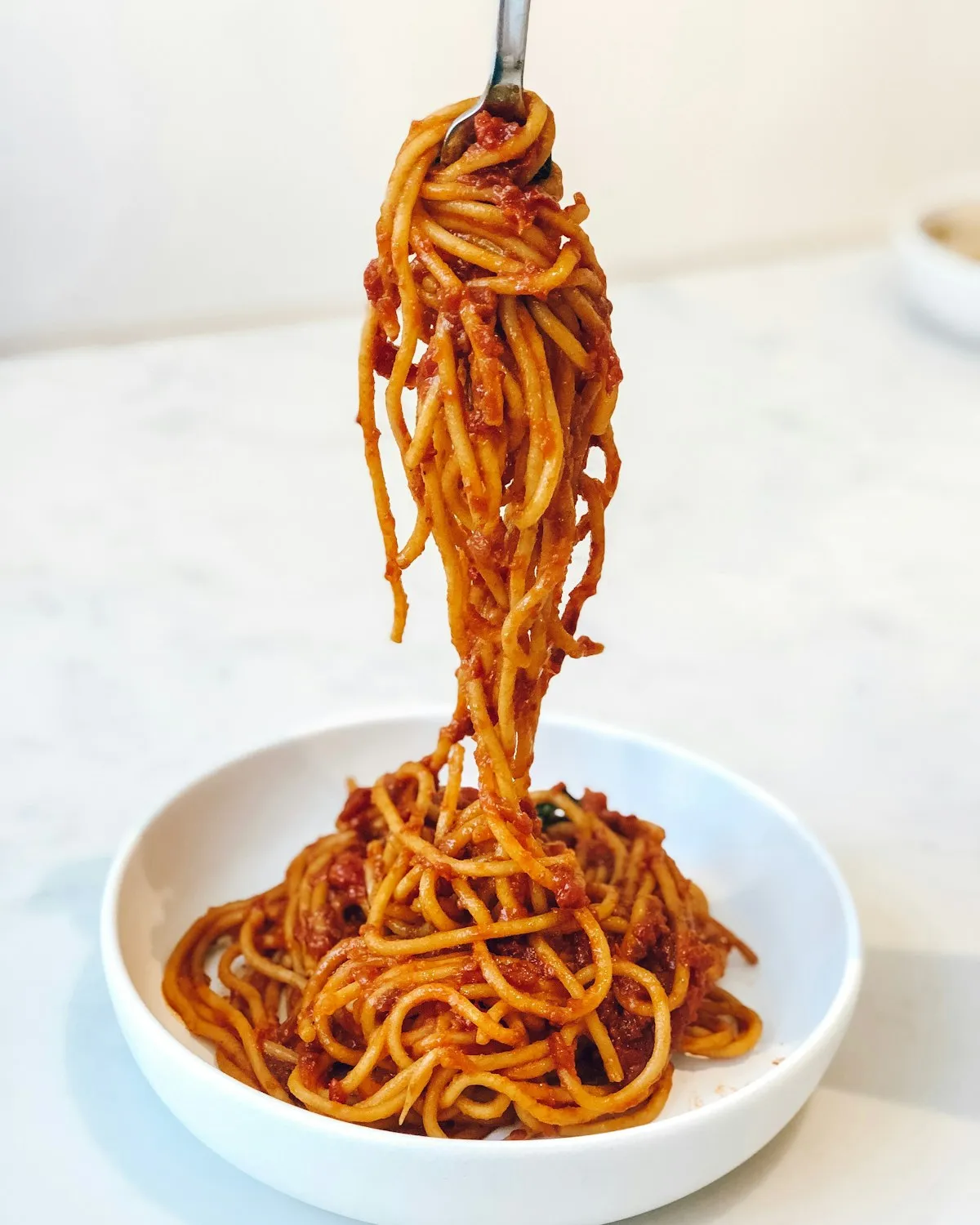
The secret to a truly great garlic and parmesan pasta isn't in a bottle of heavy cream. In fact, if you see cream in a recipe like this, run the other way. The velvety texture we’re after comes from a process called emulsification. This is the scientific marriage of two things that usually hate each other: fat (the butter) and water (the starchy pasta cooking liquid).
When you boil your linguine, the water becomes cloudy with starch. Do not throw this liquid gold down the drain. This starch acts as an emulsifier, a bridge that allows the fat from the butter to break down into tiny droplets and stay suspended in the liquid rather than pooling into a greasy mess at the bottom of your bowl.
To master this, you must follow the sequence: emulsify first, cheese second. Start by gently cooking your garlic in butter over medium heat. You want to infuse the fat with that pungent aroma without browning the garlic: burnt garlic is bitter and will ruin the delicate balance of the dish. Once the garlic is fragrant, add your slightly undercooked pasta directly to the pan along with a healthy splash of that starchy water.
Now, here is the coaching moment: you need to toss. Vigorously. Use tongs or a flick of the wrist to keep the pasta moving. As you toss, the starch and butter combine into a glossy, opaque sauce that clings to every strand. Only once that emulsion is stable and looking creamy should you lower the heat and add the Parmesan. Adding cheese to a pan that’s too hot or hasn't been emulsified with water will result in clumpy, stringy cheese. We want a smooth, unified sauce, not a game of "find the cheese ball."
Mastering Garlic and Heat Control
Garlic is the star of the show here, but it’s a temperamental lead. Use fresh garlic, always. Those pre-minced jars have a metallic aftertaste that lacks the soul this dish requires. When you chop your garlic, you release an enzyme called alliinase, which creates that classic sharp flavor. If you want a milder, sweeter vibe, slice the garlic thinly into "petals" instead of mincing it.
The temperature of your pan is non-negotiable. Maintain a medium heat to start. If the butter begins to brown (beurre noisette), it adds a lovely nuttiness, but it also changes the flavor profile from bright and fresh to deep and toasted. For this linguine, keep it bright. If the pan starts screaming at you, pull it off the burner for thirty seconds.
Check your pasta's "doneness" frequently. You want it al dente: with a firm bite: because it will finish cooking in the sauce. If you cook it all the way in the water, it will turn to mush by the time you've finished emulsifying the sauce. This dish is one of those quick family meals that relies on timing, so stay focused for those last three minutes.
Soulful Variations for Every Mood
Once you’ve mastered the base technique, this dish becomes a canvas for whatever is in your fridge. If you’re looking for healthy dinner ideas, you can easily bulk this out with greens.
- The Green Machine: Stir in two large handfuls of fresh baby spinach right at the end. The residual heat of the pasta will wilt it in seconds, adding iron and a pop of color without extra effort.
- The Roasted Crunch: If you have an extra ten minutes, toss some broccoli florets with olive oil and salt. For a truly efficient meal, I often look toward air fryer recipes dinner style: air-frying the broccoli makes it incredibly crispy and charred, which contrasts beautifully with the silky linguine.
- The Protein Punch: Sautéed shrimp or sliced grilled chicken are the obvious choices here. For a vegetarian protein boost, crispy chickpeas (either pan-fried or air-fried) add a delightful texture that mimics the crunch of toasted breadcrumbs.
- The Zesty Kick: A squeeze of fresh lemon juice and a teaspoon of lemon zest added with the Parmesan can brighten the entire dish, cutting through the richness of the butter and cheese.
Side Dish Pairings for Balance
A dish this rich and buttery needs a partner that brings acidity or bitterness to the table. You don’t want a heavy side dish; you want something that cleanses the palate.
A simple arugula salad with a sharp lemon-vinaigrette is my go-to. The peppery bite of the arugula cuts right through the Parmesan. If you want something warm, consider a side of honey garlic pork chops if you’re cooking for a crowd that demands meat, or stick to the garlic parmesan roasted broccoli for a cohesive flavor theme.
Avoid serving this with heavy garlic bread unless you really, really love garlic. Instead, a crusty piece of sourdough to mop up the leftover emulsion at the bottom of the plate is all you need.
Frequently Asked Questions
Why is my pasta sauce watery instead of creamy?
This usually happens because the emulsion hasn't fully formed. If you have a puddle of water at the bottom, keep the pan over medium heat and keep tossing. You need the water to reduce slightly while the starch thickens. If it’s still stubborn, add a small knob of cold butter and whisk it in vigorously; the cold fat can sometimes help pull the emulsion back together.
Can I use pre-grated Parmesan from a green can?
No. Avoid this at all costs. Pre-shredded or "shakeable" cheese contains anti-caking agents like cellulose. These agents prevent the cheese from melting smoothly, which will lead to a grainy, gritty texture in your sauce. Buy a wedge of real Parmigiano-Reggiano or a high-quality domestic Parmesan and grate it yourself using the finest side of your grater.
My cheese turned into a big clump. What happened?
The heat was likely too high. When Parmesan hits a boiling liquid, the proteins can seize up and stick together before they have a chance to melt into the fat. Always lower the heat or take the pan off the burner entirely before adding the cheese. Toss constantly as you sprinkle it in a little at a time.
Is it possible to make this vegan?
Absolutely. Use a high-quality vegan butter substitute and a nut-based parmesan alternative. The science of the starch emulsion remains the same. The pasta water will still create a glossy sauce with the vegan fat, though the flavor profile will be slightly different.
Can I save and reheat this?
Pasta emulsified with butter and cheese is best eaten immediately. As it cools, the fat solidifies and the starch absorbs the remaining moisture, making it thick and sticky. If you must reheat it, do so in a pan with a splash of water or milk to loosen the sauce back up. Avoid the microwave if possible, as it tends to make the butter separate and turn oily.
Why is my garlic bitter?
Bitterness in garlic is almost always a result of overcooking. Garlic only needs about 30–60 seconds in hot butter to become fragrant. If it turns medium-to-dark brown, it’s gone too far. Start over: it’s worth the five-minute setback to avoid a ruined meal.
{“@type”:”BlogPosting”,”image”:”https://cdn.marblism.com/mn8Xxv8xTiC.webp”,”author”:{“name”:”Penny”,”@type”:”Person”},”@context”:”https://schema.org”,”headline”:”Simple Garlic and Parmesan Linguine”,”faqSchema”:{“@type”:”FAQPage”,”mainEntity”:[{“name”:”Why is my pasta sauce watery instead of creamy?”,”@type”:”Question”,”acceptedAnswer”:{“text”:”This usually happens because the emulsion hasn’t fully formed. Keep tossing over medium heat to allow the water to reduce and the starch to thicken.”,”@type”:”Answer”}},{“name”:”Can I use pre-grated Parmesan from a green can?”,”@type”:”Question”,”acceptedAnswer”:{“text”:”No. Pre-shredded cheese contains anti-caking agents that prevent it from melting smoothly, leading to a gritty texture.”,”@type”:”Answer”}}]},”publisher”:{“logo”:{“url”:”https://cookpedia.com/logo.png”,”@type”:”ImageObject”},”name”:”Cookpedia”,”@type”:”Organization”},”articleBody”:”The secret to a truly great garlic and parmesan pasta isn’t in a bottle of heavy cream… The velvety texture we’re after comes from a process called emulsification…”,”description”:”Master the art of the perfect starch emulsion with this minimalist Garlic and Parmesan Linguine. A soulful, quick, and accessible recipe for busy home cooks.”,”datePublished”:”2026-07-07″,”mainEntityOfPage”:{“@id”:”https://cookpedia.com/blog/simple-garlic-parmesan-linguine”,”@type”:”WebPage”}}