Recipe
Servings
Servings 1×
Ingredients
- Shrimp
- Pasta
- Noodles
- Tortillas
- Zucchini
- Spinach
- Garlic
- Lemon
- Butter
- Cooking oil
- Black pepper
Method
- Prepare the ingredients described in the article and heat the cooking surface or oven as directed.
- Cook the main ingredients using the heat and timing guidance in the article.
- Finish with the seasonings and garnishes named in the article, then serve.
There is a specific kind of magic that happens when you combine the sharp zing of a fresh lemon with the aromatic depth of butter-toasted garlic. It’s soulful, it’s vibrant, and most importantly, it’s incredibly fast. This simple lemon garlic shrimp pasta is my ultimate "I have no time but want to feel like a chef" dish. It belongs in your repertoire of quick family meals because it delivers high-impact flavor with minimalist effort, proving that "real food" doesn't have to be complicated.
The Science of the Perfect Emulsion
The difference between a greasy bowl of noodles and a restaurant-quality pasta lies entirely in the science of emulsification. When you toss pasta in a pan with butter and lemon, you are essentially trying to force fat and water to become friends. Left to their own devices, they will separate, leaving you with a puddle of oil at the bottom of the bowl.
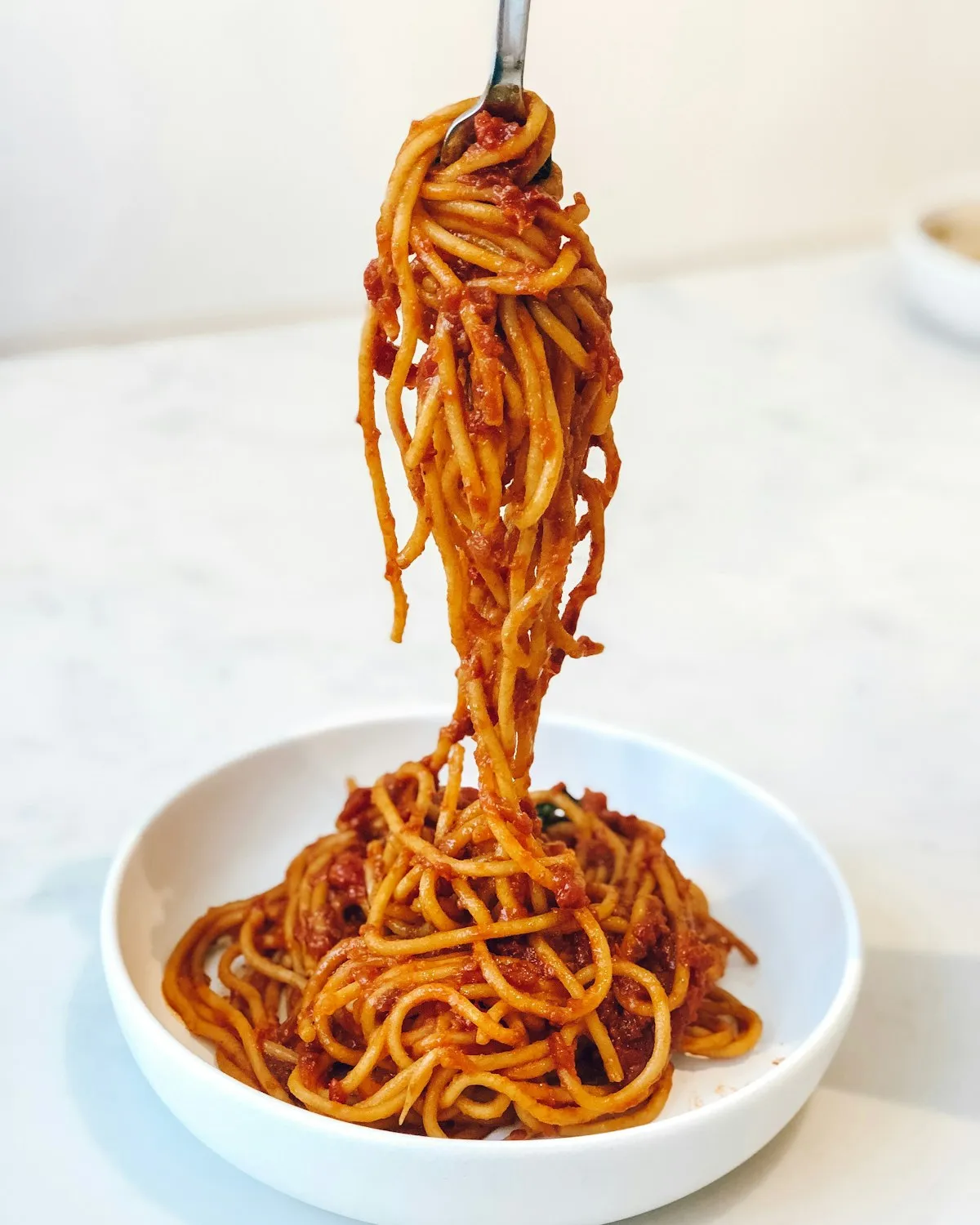
To achieve that glossy, silk-like coating, you must leverage the power of starchy pasta water. As the pasta boils, it releases amylose and amylopectin: starches that act as stabilizers. When you add a splash of this cloudy water to your pan, those starches wrap around the fat droplets from the butter, preventing them from regrouping. This creates a cohesive sauce that clings to every strand of pasta.
Mastering Shrimp Physics
Shrimp are the "canaries in the coal mine" of the kitchen; they tell you exactly when they are done. Chemically, shrimp are mostly water and protein. When heat is applied, those proteins denature and coil up. If you cook them a second too long, the proteins tighten so much they squeeze all the moisture out, resulting in a rubbery texture.
Always sear your shrimp on medium-high heat. You want the Maillard reaction: that beautiful browning on the surface: to occur before the internal temperature skyrockets. Once they turn from translucent grey to an opaque pearly pink and form a gentle "C" shape, get them out of the pan. A "C" stands for cooked; an "O" stands for overcooked.
The Aromatic Foundation
Garlic is the backbone here, but it’s temperamental. Garlic contains sulfur compounds that change flavor based on how they are handled. Finely minced garlic releases more of these compounds, giving you a sharper bite. Sliced garlic provides a milder, nutty sweetness.
Whatever you do, watch your heat. Burned garlic is bitter and irreparable. I recommend adding your garlic to the butter just as it finishes foaming. This allows the fat to absorb the garlic oils without the risk of scorching. If you're looking for more healthy dinner ideas, this technique works beautifully for other seafood too, like these Lemon Garlic Butter Scallops.
Creative Variations
While the classic lemon and garlic duo is timeless, you can easily adapt this dish to suit what’s in your pantry. If you prefer a bit of heat, a teaspoon of crushed red pepper flakes added to the butter alongside the garlic will infuse the entire sauce with a gentle, warming glow.
For those who want a deeper vegetable profile, toss in a handful of baby spinach or arugula right at the end. The residual heat from the pasta will wilt the greens perfectly without making them mushy. If you're looking to cut down on prep time even further, you can actually use the shrimp component of this dish as inspiration for air fryer recipes dinner. Simply toss the shrimp in the lemon-garlic butter and air fry at 400°F (200°C) for 5–7 minutes for a quick protein boost to serve over pre-cooked grains or a salad.
If you are following a specific dietary path, like keto, swap the traditional pasta for zucchini noodles or spaghetti squash. The emulsion technique remains the same, though you’ll have less starch to work with, so you may need a touch more cold butter to help the sauce thicken naturally.
Side Dish Pairings for Balance
Because this pasta is rich with butter and bright with acid, your side dishes should aim to provide a textural or flavor contrast.
- A Bitter Green Salad: A simple arugula or frisée salad dressed with a light balsamic vinaigrette works wonders. The bitterness of the greens cuts through the richness of the butter sauce.
- Charred Crusty Bread: You’ll want something to mop up the extra sauce. A thick slice of sourdough, perhaps toasted with a little more garlic, is the ideal vessel.
- Crisp White Wine: A Sauvignon Blanc or a Pinot Grigio offers the high acidity needed to match the lemon in the sauce. If you're skipping the alcohol, a sparkling mineral water with a squeeze of fresh lime provides a similar palate-cleansing effect.
For more inspiration on balanced, quick family meals, you might also enjoy our 15-Minute Teriyaki Beef Stir-Fry, which uses a similar high-heat technique to keep prep time under twenty minutes.
FAQ: Troubleshooting Your Pasta
What if my sauce looks oily and separated?
This means your emulsion has broken. Don't panic. Take the pan off the heat immediately and add one or two tablespoons of hot, starchy pasta water. Whisk vigorously. The extra starch and the change in temperature usually help the fat re-incorporate into the liquid.
Can I use frozen shrimp?
Absolutely. In fact, most "fresh" shrimp at the grocery store were previously frozen. Just ensure they are fully thawed and, crucially, patted bone-dry with paper towels before they hit the pan. If they are wet, they will steam rather than sear, and you’ll miss out on that essential flavor development.
Is it possible to reheat this dish?
Pasta with an oil-and-butter-based sauce is notoriously tricky to reheat because the emulsion will likely break in the microwave. If you must reheat it, do so in a pan over low heat with a tiny splash of water or broth to help loosen the sauce back into a creamy state.
Can I substitute the butter?
You can use a high-quality olive oil, but the sauce will be thinner and less "creamy" in mouthfeel. Butter contains milk solids that naturally help with thickening. If you go the oil route, be even more diligent about using that starchy pasta water to create a stable sauce.
How do I know if I've added enough lemon?
Taste as you go. The lemon should brighten the dish without making you wince. Start with the juice of half a lemon and plenty of zest. The zest contains the essential oils that provide a deep "lemony" flavor without the harsh acidity of the juice. If the dish feels "heavy," add more juice. If it feels balanced but quiet, add more salt.
For other healthy dinner ideas that use citrus to brighten up seafood, check out our Everything Bagel Salmon: it’s another high-flavor, low-effort winner.
{“@type”:”BlogPosting”,”image”:[“https://cdn.marblism.com/EITPshY68bG.webp”,”https://cdn.marblism.com/n5B7rhgmGUy.webp”,”https://cdn.marblism.com/MVsfhxKYhIt.webp”,”https://cdn.marblism.com/2WULquULSaJ.webp”],”author”:{“name”:”Penny”,”@type”:”Person”},”@context”:”https://schema.org”,”headline”:”Simple Lemon Garlic Shrimp Pasta”,”publisher”:{“logo”:{“url”:”https://cdn.marblism.com/KxroJ1kM_KA.webp”,”@type”:”ImageObject”},”name”:”Cookpedia”,”@type”:”Organization”},”description”:”Master the science of emulsification with this simple 15-minute lemon garlic shrimp pasta. A perfect quick family meal for busy weeknights.”,”datePublished”:”2026-07-07″,”mainEntityOfPage”:{“@id”:”https://cookpedia.com/blog/simple-lemon-garlic-shrimp-pasta”,”@type”:”WebPage”}}