Recipe
Servings
Servings 1×
Ingredients
- Penne
- Pasta
- Tortillas
- Bread
- Zucchini
- Cucumber
- Tomatoes
- Garlic
- Lemon
- Cream
- Butter
- Cooking oil
- Chili seasoning
- Salt
Method
- Start by warming your olive oil gently with the dried chili flakes.
- Keep the temperature low: around 45°C: for about ten minutes.
- Add a splash of that reserved water and toss vigorously.
- Use the ridges of the pasta to your advantage; they are designed to trap the sauce, but they can only do that if the emulsion is stable.
- Use a very light lemon vinaigrette.
If you have ten minutes and a few pantry staples, you have the making of a legendary meal. Welcome to the world of Arrabbiata, the "angry" pasta that is actually quite friendly once you get to know it. My blog is all about making high-impact flavor accessible, and there is perhaps no better example than this spicy, soulful classic. It’s one of those easy dinner recipes that proves you don’t need a massive grocery budget or three hours of prep time to eat like royalty.
The Science of the "Angry" Sauce
To master simple pasta recipes, you have to understand what’s happening inside that skillet. Arrabbiata isn't just "spicy tomato sauce"; it is a lesson in emulsification and capsaicin extraction. When you bite into a perfect penne, the sauce should cling to the ridges like a velvet glove, and the heat should be a steady, warming hum rather than a series of firecrackers going off in your mouth.
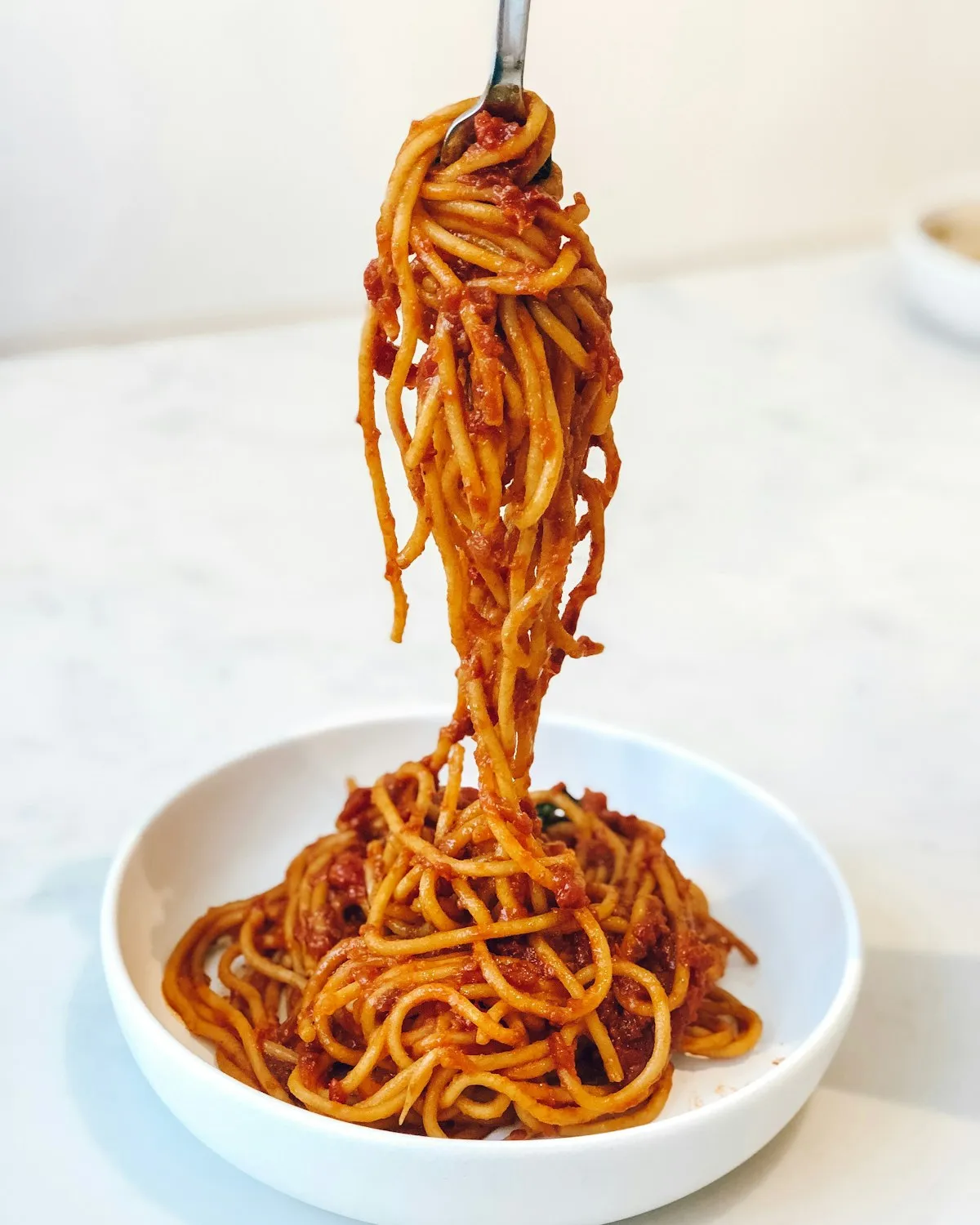
The Capsaicin Carry
The heat in this dish comes from capsaicin, a compound found in chilies that happens to be hydrophobic. This means it doesn't like water, but it loves fat. If you simply toss chili flakes into a watery tomato sauce, you’ll end up with "hot spots": one bite will be bland, and the next will blow your head off. To avoid this, use a cold-infusion technique. Start by warming your olive oil gently with the dried chili flakes. Keep the temperature low: around 45°C: for about ten minutes. This allows the capsaicin to dissolve into the oil, ensuring that every single drop of your sauce carries a uniform, sophisticated heat.
Building the Emulsion
Once your spicy oil is ready, it’s time to introduce the tomatoes. At this stage, you are creating an oil-in-water emulsion. The tomato solids, specifically the pectin and cell-wall fragments, act as natural stabilizers. They wrap around the tiny droplets of chili oil, preventing them from separating and floating to the top. This is why a steady, low simmer is non-negotiable. Maintain a gentle bubble for at least 25 minutes. This gives the water time to evaporate, concentrating the tomato acidity and allowing the pectin to form a thick, cohesive network. If you rush this process with high heat, you risk scorching the natural sugars, which turns the sauce bitter and muddies the brightness of the chilies.
The Magic of Pasta Water
Never, and I mean never, pour all your pasta water down the drain. This starchy liquid is liquid gold for budget friendly recipes. When your penne is just shy of al dente, move it directly into the sauce. Add a splash of that reserved water and toss vigorously. The starch increases the viscosity of the sauce, acting as a bridge between the pasta and the emulsion. It effectively "locks" the sauce onto the penne. Use the ridges of the pasta to your advantage; they are designed to trap the sauce, but they can only do that if the emulsion is stable.
Flavor Variations and Balance
While the classic Arrabbiata is a masterpiece of minimalism, my blog encourages you to play with balance. The key is understanding how acidity and fat interact with heat.
- The Silky Finish: Arrabbiata is traditionally a vegan-friendly dish, but if you find the acidity of the tomatoes too sharp, try "mounting" the sauce with a tiny knob of cold butter or a splash of heavy cream at the very end. The fat coats the tongue, rounding off the sharp edges of the vinegar-like acidity and moderating the "burn" of the chili without losing the flavor.
- The Savory Boost: If you aren't keeping it vegetarian, adding a few salt-cured anchovies to the oil while you sauté the garlic creates a deep, umami base that mimics the complexity of a slow-cooked ragu. The anchovies will dissolve completely into the oil, leaving behind a savory "funk" that makes the tomatoes taste twice as expensive.
- The Herb Swap: While fresh basil is my go-to for its sweet, peppery aroma, don't be afraid of flat-leaf parsley. It offers a cleaner, grassier finish that highlights the chili heat more than the tomato sweetness. If you use basil, add it at the very last second; the volatile oils that give basil its scent are highly heat-sensitive and will disappear if cooked for more than a minute.
Perfect Side Dish Pairings
When serving a spicy, acidic dish like this, your sides should aim to reset the palate. You want something that offers a cooling contrast or a crunchy texture to play against the soft, chewy penne.
A simple vegetarian dinner like this pairs beautifully with a crisp arugula salad. Use a very light lemon vinaigrette. The peppery bite of the arugula mimics the chili heat, while the lemon acidity keeps your taste buds awake. Alternatively, a thick slice of crusty sourdough is practically mandatory for "fare la scarpetta": using the bread to polish off every last drop of the spicy emulsion from your plate.
Avoid sides that are overly spicy or heavy in garlic, as they will compete with the main event. Instead, focus on freshness. A side of roasted zucchini or a cold cucumber salad can provide the "watery" crunch that balances the richness of the oil-infused tomato sauce. If you're looking for more inspiration, check out our quick meals section for side ideas that won't double your kitchen time.
FAQ: Solving the "Angry" Problems
What if my sauce is too spicy to eat?
Don't panic and don't throw it out. Capsaicin is neutralized by fat and sugar. Add a teaspoon of sugar to the sauce to balance the heat, or serve the pasta with a large dollop of fresh ricotta cheese. The dairy protein (casein) literally "washes" the capsaicin off your pain receptors. It’s a science-backed way to save a dinner gone wrong.
Why did my sauce turn out watery and separate from the pasta?
This usually happens because the emulsion didn't form properly. Either you didn't simmer the tomatoes long enough to release the pectin, or you skipped the pasta water. Next time, ensure you toss the pasta in the sauce for the final 2 minutes of cooking. This mechanical agitation, combined with the starch, is what binds everything together.
Can I use fresh tomatoes instead of canned for budget friendly recipes?
Absolutely, but keep in mind that fresh tomatoes vary wildly in water content. If using fresh, you’ll need to simmer them longer to achieve that concentrated flavor. Canned San Marzano tomatoes are often preferred for easy dinner recipes because they are consistently acidic and fleshy, providing a reliable base every single time.
Is it okay to use pre-minced garlic from a jar?
Avoid it if you can. Pre-minced garlic is often stored in citric acid, which adds a metallic, sour note to the sauce. In a dish with so few ingredients, the quality of the garlic is paramount. Smash a fresh clove with the side of your knife; it takes ten seconds and makes a world of difference in the aromatic profile of your oil.
Can I make this in an air fryer?
While you can roast the tomatoes and garlic in an air fryer to concentrate their flavors before blending them into a sauce, the pasta itself needs boiling water. However, if you love that appliance, we have plenty of air fryer dinner recipes that can complement your pasta nights.
{“@type”:”BlogPosting”,”image”:”https://cdn.marblism.com/4zaPZITUeUY.webp”,”author”:{“name”:”Penny”,”@type”:”Person”},”@context”:”https://schema.org”,”headline”:”Simple Pasta Recipes: Spicy Arrabbiata Penne with Fresh Basil”,”publisher”:{“logo”:{“url”:”https://cookpedia.com/logo.png”,”@type”:”ImageObject”},”name”:”Cookpedia”,”@type”:”Organization”},”description”:”Learn the science behind a perfect Spicy Arrabbiata Penne. Discover tips on emulsification, capsaicin extraction, and how to make the best budget-friendly dinner.”,”datePublished”:”2026-07-19″}