Recipe
Servings
Servings 1×
Ingredients
- Tofu
- Pasta
- Noodles
- Rice
- Broccoli
- Carrots
- Greens
- Cucumber
- Lime
- Honey
- Peanut butter
- Butter
- Cooking oil
- Soy sauce or tamari
- Sesame
- Chili seasoning
Method
- Prepare the ingredients described in the article and heat the cooking surface or oven as directed.
- Cook the main ingredients using the heat and timing guidance in the article.
- Finish with the seasonings and garnishes named in the article, then serve.
There is a specific kind of magic in a bowl of noodles that takes less time to make than a coffee run. We’ve all been there: staring into the fridge at 6:00 PM, wondering if cereal counts as a balanced dinner. Enter my Spicy Peanut Soba Noodle Bowls. This dish is the ultimate secret weapon for anyone hunting for healthy dinner ideas that don't taste like cardboard or require a culinary degree. It’s nutty, zesty, and carries just enough heat to make things interesting without setting your kitchen on fire.
The Science of the Perfect Soba Snap
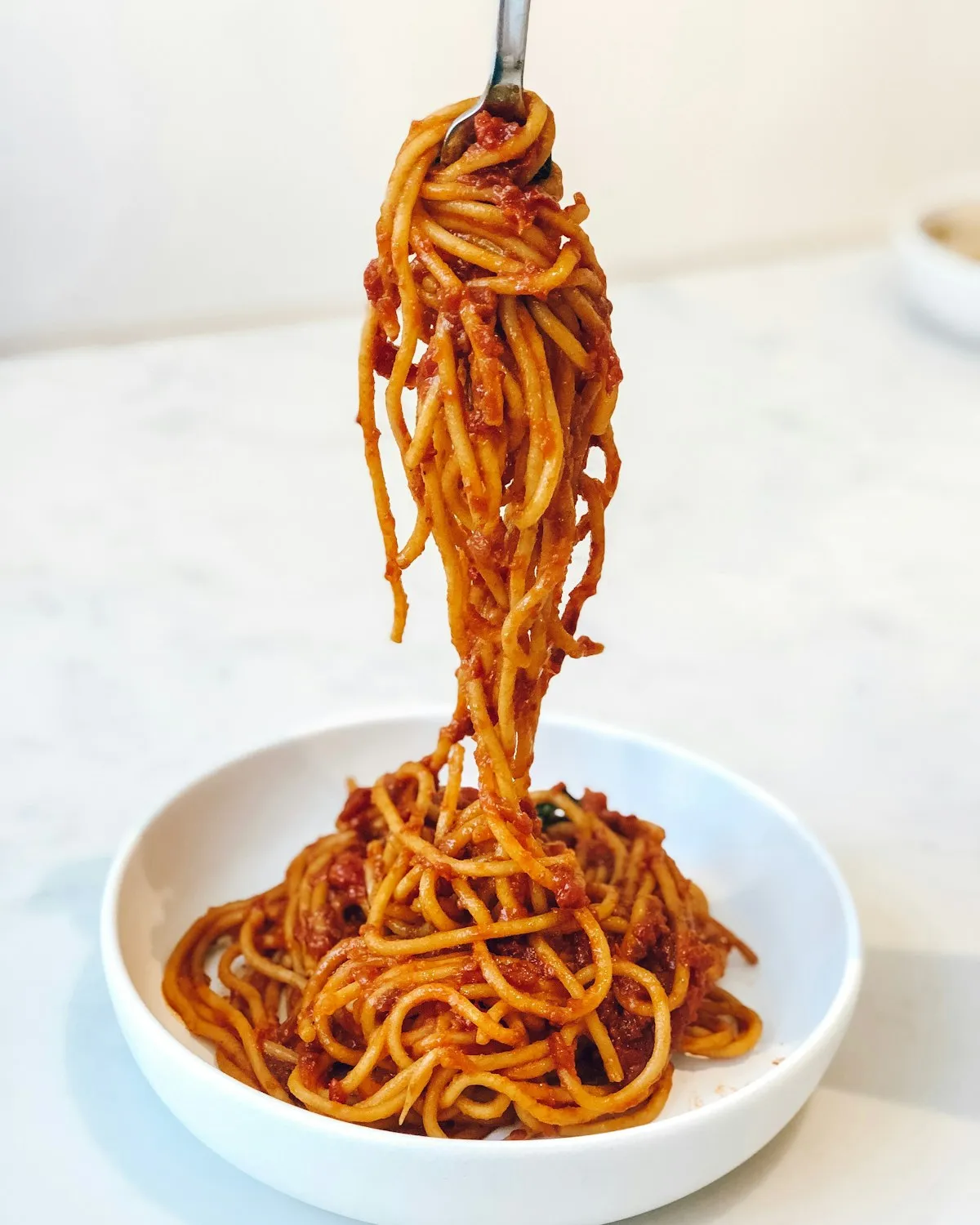
If you’ve ever had soba noodles that felt like mushy, sad worms, you probably skipped the most important scientific step: the rinse. Soba noodles are primarily made from buckwheat, which is a gluten-free seed (despite the "wheat" in the name). When these noodles boil, they release a massive amount of surface starch. If you leave that starch on the noodle after draining, it continues to cook and creates a gummy, sticky mess.
Check your clock and pull those noodles out exactly when the package says, or even thirty seconds early. Immediately plunge them into a bowl of ice water or rinse them under a cold tap. This stops the "carryover cooking" and firms up the starch gel structure. This isn't just about temperature; it’s about the "bite." A cold-rinsed soba noodle has a springy, resilient texture that holds up against a heavy sauce.
Now, let’s talk about the sauce. Creating a restaurant-quality peanut sauce isn't about just stirring ingredients in a bowl; it’s about mastering the emulsion. An emulsion is a fancy way of saying we are forcing oil and water to become best friends. Peanut butter acts as our "molecular glue" (the emulsifier). It contains molecules that have a water-loving end and a fat-loving end.
Use a whisk and apply some serious mechanical energy. When you combine your peanut butter with soy sauce, lime juice, and a splash of starchy noodle water, you are breaking the fats into tiny droplets and suspending them in the liquid. If your sauce looks broken or oily, don't panic. Add a teaspoon of hot water and whisk like your life depends on it. The starch in the noodle water helps stabilize the mixture, creating that glossy, velvet-like coating that clings to every single strand of buckwheat.
Avoid using "natural" peanut butter that is strictly oil and nuts for this specific recipe if you want a foolproof emulsion. The stabilizers in standard creamy peanut butter actually help keep the sauce from breaking when it hits the cold noodles. If you're looking for more quick family meals that use clever pantry science, check out our 15-minute teriyaki beef stir-fry for another masterclass in sauce-clinging technology.
Flavor Riffs and Protein Upgrades
One of the reasons this dish stays on my weekly rotation for healthy dinner ideas is its versatility. The base of soba and peanut sauce is a blank canvas. If you want to increase the satiety factor, you need to think about protein and fiber.
- The Tofu Transformation: If you have an extra ten minutes, toss some pressed tofu cubes in cornstarch and sesame oil. While these noodles are great on their own, adding crispy tofu provides a structural contrast to the soft noodles. For a truly hands-off approach, look into air fryer recipes dinner enthusiasts swear by, like our air fryer sesame tofu bowl which pairs perfectly here.
- The Veggie Crunch: Edamame provides a great hit of plant-based protein, but don't stop there. Shredded purple cabbage, julienned carrots, or thinly sliced bell peppers add "bulk" without the calories. The goal is a 1:1 ratio of noodles to vegetables. This ensures you’re getting plenty of micronutrients while keeping the meal light.
- Heat Management: Not everyone handles heat the same way. If you’re cooking for kids, leave the chili flakes out of the main sauce and serve them on the side. Use a dash of maple syrup or honey in the sauce to balance the acidity of the lime, science tells us that sweetness suppresses the perception of bitterness and tames the sting of the capsaicin.
Perfect Side Dish Pairings
When planning quick meals, I always look for side dishes that provide a "palate cleanser" effect. Since peanut sauce is rich, fatty, and savory (umami-heavy), you want sides that are high in acidity or bitterness to cut through that richness.
A simple smashed cucumber salad with rice vinegar and toasted sesame seeds is the gold standard here. The cooling effect of the cucumber and the sharp tang of the vinegar reset your taste buds between bites of the creamy noodles. Alternatively, a quick slaw made with lime juice and fresh cilantro works wonders.
If you’re leaning into the healthy aspect of this dinner, a side of steamed bok choy or charred broccoli, perhaps prepared alongside other air fryer recipes dinner favorites, adds a necessary earthy note. The slight bitterness of charred greens balances the sweetness of the peanut butter, creating a harmonious plate that hits every part of your tongue.
Troubleshooting Your Soba: FAQ
What if my peanut sauce is way too thick to pour?
This happens when the ratio of solids to liquids is off, or the sauce has cooled too much. Peanut butter is highly viscous. To fix it, whisk in hot starchy noodle water one tablespoon at a time. The heat lowers the viscosity of the fats, and the starch helps the new liquid integrate without the sauce becoming "watery."
Can I make this ahead of time for meal prep?
Yes, but with a warning. Soba noodles are notorious for absorbing moisture. If you mix the sauce and noodles and leave them in the fridge overnight, you’ll likely wake up to a solid block of peanut-flavored dough. For the best results, store the rinsed noodles and the sauce in separate containers. When you're ready to eat, toss them together with a tiny splash of water to loosen the emulsion.
Why did my sauce "break" and look curdled?
A broken sauce occurs when the fat droplets merge back together. This usually happens if you add the liquid too fast or if the sauce gets too hot. To fix a broken peanut sauce, take a fresh tablespoon of peanut butter in a clean bowl and slowly: very slowly: whisk the broken sauce into it. This gives the oil new emulsifiers to latch onto.
I can’t find soba noodles; what’s the best substitute?
While the nutty flavor of buckwheat is unique, whole-wheat spaghetti or even linguine will work in a pinch. Just remember that wheat pasta has a different starch profile. You still need to rinse it, but it won't require the same aggressive "scrubbing" that soba does to remove the gummy exterior.
Is this dish actually healthy, or is it just "health-washed"?
Soba noodles have a lower glycemic index than white pasta, meaning they won't spike your blood sugar as dramatically. Combined with the healthy fats from the peanut butter and the high protein/fiber content of the edamame, this is a balanced, satiating meal that keeps you full longer. It’s one of those quick family meals that actually fuels your body instead of just filling it up.
{“@type”:”BlogPosting”,”image”:”https://cdn.marblism.com/NWa7tzINTPb.webp”,”author”:{“name”:”Penny”,”@type”:”Person”},”@context”:”https://schema.org”,”headline”:”Quick Healthy Meals: Spicy Peanut Soba Noodle Bowls with Edamame”,”publisher”:{“logo”:{“url”:”https://cookpedia.com/logo.png”,”@type”:”ImageObject”},”name”:”Cookpedia”,”@type”:”Organization”},”description”:”Learn the science behind the perfect spicy peanut soba noodle bowl. Discover how to emulsify the perfect sauce and why rinsing your buckwheat noodles is a non-negotiable step for healthy, quick family meals.”,”datePublished”:”2026-07-18″,”mainEntityOfPage”:{“@id”:”https://cookpedia.com/quick-healthy-meals-spicy-peanut-soba”,”@type”:”WebPage”}}