Recipe
Servings
Servings 1×
Ingredients
- Pasta
- Noodles
- Bread
- Broccoli
- Asparagus
- Tomatoes
- Garlic
- Lemon
- Butter
- Cooking oil
- Salt
- Black pepper
Method
- Keep an eye on the skins.
- Use plenty of extra virgin olive oil.
- Use a crusty baguette and plenty of butter to soak up any leftover tomato juices at the bottom of your bowl.
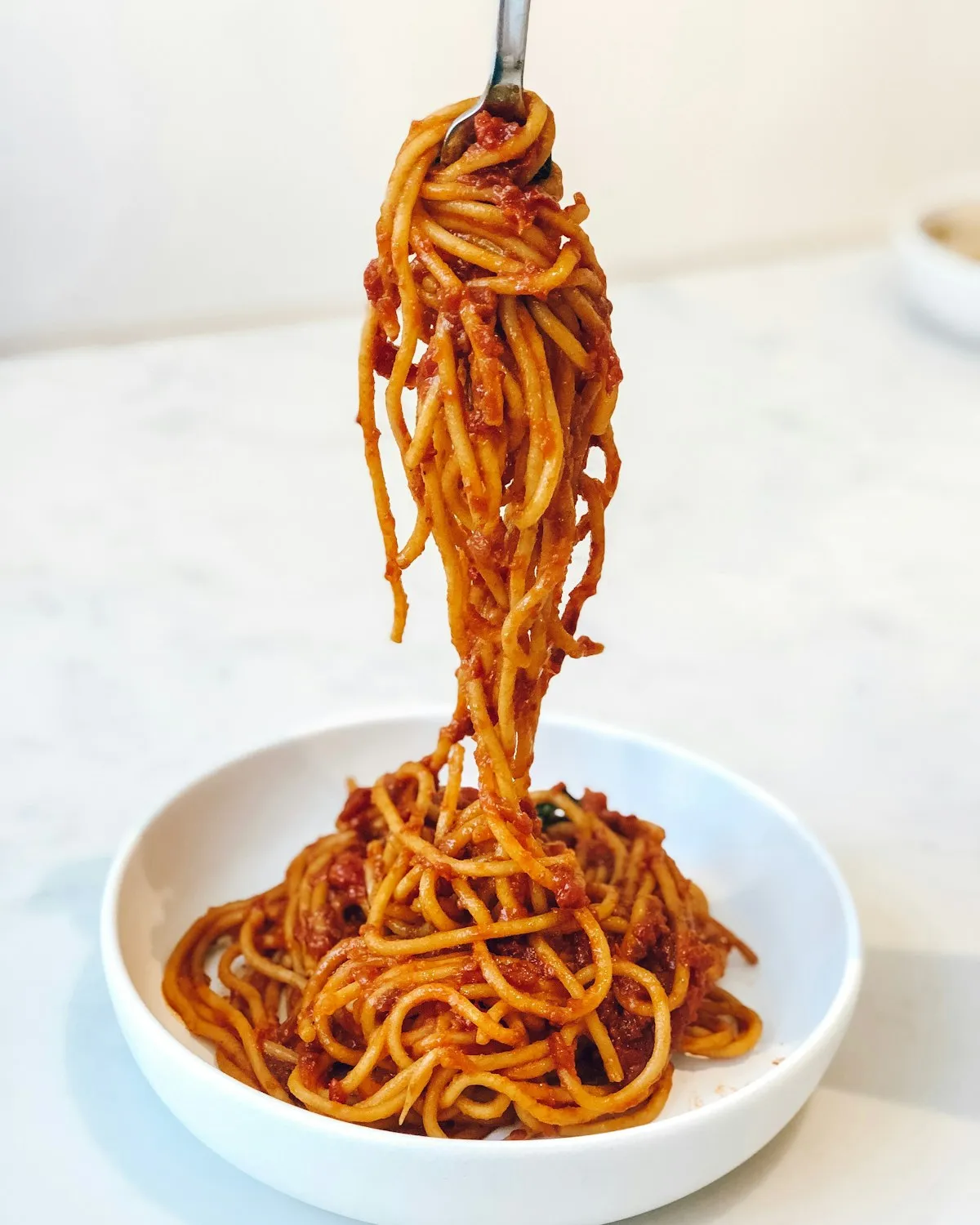
If you have thirty minutes and a handful of pantry staples, you are moments away from a meal that tastes like a summer evening in Tuscany. This roasted cherry tomato and burrata spaghetti is the ultimate "low effort, high reward" dish. It transforms humble ingredients into a luxurious, silky sauce without requiring you to stand over a simmering pot for hours. It’s fresh, it’s vibrant, and quite frankly, it’s the kind of cooking that makes you feel like a pro even on your busiest Tuesday.
The Science of the "Jammy" Roasted Tomato
The secret to this sauce isn't a hidden ingredient; it’s high-heat physics. When you roast cherry tomatoes at 400°F (200°C), you aren’t just softening them; you are triggering a series of chemical reactions that build layers of flavor. Cherry tomatoes are naturally high in sugar and water. As they hit the oven’s dry heat, the water evaporates, concentrating the natural sugars, acids, and umami-rich glutamates.
Keep an eye on the skins. You want them to split and collapse, which releases pectin, a natural thickening agent. This pectin mixes with the olive oil to create a syrupy, "jammy" consistency that clings to your pasta better than any watery raw tomato sauce ever could. Furthermore, the high heat facilitates the Maillard reaction. Those little charred, blackened spots on the tomato skins aren't burnt; they are caramelized sugar molecules providing a complex, nutty depth that balances the fruit’s natural acidity.
Use plenty of extra virgin olive oil. It’s not just for flavor; fat is a superior conductor of heat. It helps the tomatoes roast evenly and carries the fat-soluble aromatics of the garlic and herbs throughout the entire pan. When you finally toss the pasta, do not leave the brown bits behind! Scrape every drop of those caramelized juices into your bowl. That is the "liquid gold" that defines high-quality quick family meals.
Lastly, master the emulsion. Reserve a cup of your starchy pasta water before draining. When you combine the roasted tomatoes with the noodles, add a splash of that cloudy water. The starch acts as a bridge between the oily tomato juices and the pasta, creating a glossy, restaurant-quality coating. This technique is a non-negotiable step for anyone looking for healthy dinner ideas that don't rely on heavy creams for texture.
Flavor Variations to Suit Your Mood
While the combination of tomato and burrata is a classic, you can easily pivot based on what is in your pantry. For a spicy kick, toss a teaspoon of red pepper flakes with the tomatoes before they go into the oven. The heat of the oil will "bloom" the spices, infusing the entire sauce with a gentle, building warmth that cuts right through the richness of the cheese.
If you are craving something more herbaceous, experiment with your roasting aromatics. While basil is the gold standard for finishing, roasting the tomatoes with sprigs of fresh thyme or rosemary adds an earthy, woody undertone that feels cozy and sophisticated. For a brighter, more citrus-forward profile, grate fresh lemon zest over the finished dish just before serving. The acidity of the lemon elevates the burrata’s creaminess, making the whole meal feel incredibly light.
You can even adapt this logic for other cooking methods. If you are a fan of air fryer recipes dinner solutions, you can roast your cherry tomatoes in an air fryer basket at 400°F for about 10–12 minutes. It’s a fantastic way to get that same concentrated flavor in half the time, perfect for those nights when the oven feels like too much of a commitment.
The Art of the Side Dish
Because this pasta is rich with olive oil and creamy cheese, your side dishes should focus on providing a "crunch" and a "zing." A simple arugula salad is the perfect partner. The peppery bite of the greens and a sharp lemon vinaigrette act as a palate cleanser, preventing the burrata from feeling too heavy.
If you want to lean into the comfort factor, you can never go wrong with garlic bread. Use a crusty baguette and plenty of butter to soak up any leftover tomato juices at the bottom of your bowl. For a lower-carb accompaniment, try roasted broccolini or asparagus seasoned only with salt and a squeeze of lemon. The charred, slightly bitter stalks offer a great textural contrast to the soft, pillowy cheese and tender spaghetti.
Frequently Asked Questions
Why is my burrata so cold and firm?
Burrata is at its best when the "stracciatella" (the creamy center) is fluid and lush. If you take the cheese straight from the fridge and put it on the pasta, it will chill the noodles and stay clumped together. Take your burrata out of the refrigerator at least 30 minutes before serving. Allowing it to come to room temperature ensures it melts slightly when it hits the hot pasta, creating that iconic creamy swirl.
Can I use canned tomatoes instead of fresh cherry tomatoes?
Technically, yes, but you will lose the specific magic of this dish. Whole peeled canned tomatoes have a much higher water content and won't caramelize the same way in the oven. Cherry tomatoes are preferred because of their high skin-to-flesh ratio and natural sweetness. If you must use canned, drain them thoroughly and expect a saucier, less "jammy" result.
My sauce is too watery. What happened?
This usually means your oven wasn't hot enough or you didn't roast the tomatoes long enough. If the tomatoes haven't collapsed and the juices haven't thickened into a syrup on the pan, the water hasn't evaporated sufficiently. Avoid overcrowding the pan. If the tomatoes are piled on top of each other, they will steam instead of roast. Give them space to breathe so the dry heat can do its job.
Why does my pasta look dry?
You likely forgot the pasta water! That starchy liquid is essential for binding the oil and tomato juices into a cohesive sauce. If you’ve already drained your pasta and didn't save any, a tiny splash of hot water and an extra drizzle of olive oil can help, but it won't be quite as silky. Always "under-cook" your pasta by a minute so it can finish cooking in the pan with the sauce and the water, absorbing all those incredible flavors.
Can I make this ahead of time?
Roasted tomatoes keep beautifully in the fridge for up to three days, but burrata does not reheat well. If you want to prep ahead, roast the tomatoes and store them. When you're ready to eat, boil your pasta, toss it with the reheated tomatoes and pasta water, and then add the fresh burrata at the very end.
{“@type”:”BlogPosting”,”image”:”https://cdn.marblism.com/BbITVY-ukzA.webp”,”author”:{“name”:”Cookpedia”,”@type”:”Organization”},”@context”:”https://schema.org”,”headline”:”Simple Pasta Recipes: Roasted Cherry Tomato and Burrata Spaghetti”,”publisher”:{“logo”:{“url”:”https://cdn.marblism.com/KxroJ1kM_KA.webp”,”@type”:”ImageObject”},”name”:”Cookpedia”,”@type”:”Organization”},”description”:”Learn the science behind the perfect roasted cherry tomato sauce and how to pair it with creamy burrata for a quick, delicious home-cooked meal.”,”datePublished”:”2026-07-18″,”mainEntityOfPage”:{“@id”:”https://cookpedia.com/simple-pasta-recipes-cherry-tomato-burrata”,”@type”:”WebPage”}}