Recipe
Servings
Servings 1×
Ingredients
- Chicken
- Shrimp
- Pork
- Fettuccine
- Pasta
- Noodles
- Bread
- Broccoli
- Asparagus
- Spinach
- Garlic
- Lemon
- Honey
- Cream
- Butter
- Cooking oil
- Black pepper
Method
- Let's dive into how a few pantry staples can transform into a restaurant-quality meal.
- Use a medium-low heat to slowly infuse the butter.
- Stir in your fresh greens at the very last second, or even after you’ve turned off the stove.
- Start with a cold pan and add the butter and garlic together.
- Heat it in short 30-second bursts, stirring in between to try and re-incorporate the fat into the liquid.
- Keep the garlic moving and pull the pan off the heat as soon as it turns pale golden.”,”@type”:”Answer”}}]},”description”:”Discover the science behind the perfect garlic butter angel hair pasta.
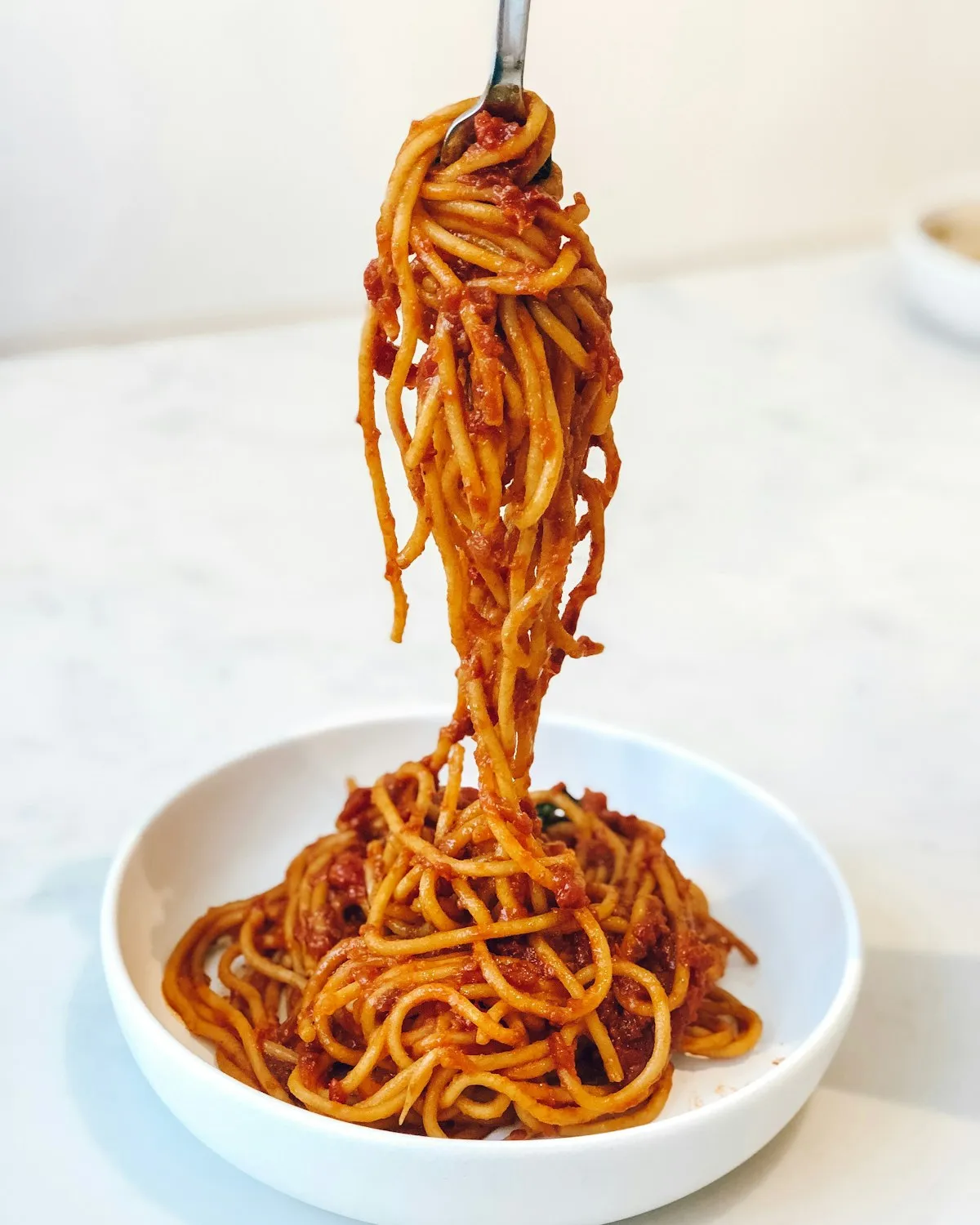
Sometimes, the most profound joy in the kitchen comes from the simplest ingredients. When the day has been long and your energy is low, you don’t need a complex three-course production; you need comfort that arrives in under fifteen minutes. This garlic butter angel hair is my go-to for those moments. It’s elegant enough to feel like a treat but easy enough to master while you’re still shaking off the workday. Let's dive into how a few pantry staples can transform into a restaurant-quality meal.
The Science of the Silk: Emulsification and Aroma
The secret to transforming a "oily" dish into a "saucy" one lies in a bit of kitchen chemistry called emulsification. You’ve likely experienced the disappointment of a pasta bowl with a puddle of oil at the bottom and dry noodles on top. Avoid this by understanding that butter and water don't want to mix. To bridge the gap, use the starchy water from your pasta pot. As the noodles cook, they release amylose and amylopectin: starches that act as natural glues. When you whisk a splash of this liquid gold into your melted butter, these starches coat the fat droplets, preventing them from regrouping into a greasy mess. This creates a glossy, creamy coating that clings to every strand of angel hair.
Manage your garlic with care to maximize flavor without the bite. Garlic contains sulfur compounds that are relatively tame when the cloves are whole but become aggressive the moment you chop them. For this dish, mince your garlic finely to expose more surface area, but cook it gently. Use a medium-low heat to slowly infuse the butter. You are looking for a pale golden hue, not a deep brown. If the garlic burns, the sugars undergo a Maillard reaction that goes too far, resulting in a bitter, acrid taste that will ruin the delicate profile of the butter. Check the temperature often; if the butter starts to smoke, pull the pan off the heat immediately.
Timing your herbs is the final piece of the scientific puzzle. Herbs like parsley and basil contain volatile oils that are highly sensitive to heat. If you toss them into a roaring pan too early, those aromatic compounds will evaporate into your kitchen instead of staying in your sauce. Stir in your fresh greens at the very last second, or even after you’ve turned off the stove. The residual heat is plenty to wake up the oils without destroying the bright, peppery notes that make this one of the best simple pasta recipes in your repertoire.
Beyond the Basics: Flavor Balancing and Twists
While the base of butter and garlic is divine, you can easily adapt this dish to suit your mood or what’s left in the fridge. This versatility is why it ranks among my favorite easy dinner recipes. If you find the butter a bit too heavy, introduce an acid to cut through the richness. A squeeze of fresh lemon juice or a tiny splash of dry white wine works wonders. The acid interacts with your taste buds, making them more sensitive to the savory notes of the garlic while lightening the overall "mouthfeel" of the fat.
For those who want a bit of heat, add a pinch of red pepper flakes into the butter at the same time as the garlic. The heat from the peppers is fat-soluble, meaning the butter will carry that spicy kick evenly throughout the entire dish. If you're looking to turn this into one of your go-to quick healthy meals, consider adding a handful of baby spinach at the end. The steam from the pasta will wilt the leaves in seconds, adding a boost of iron and color without requiring any extra pans.
If you're craving more protein, don't be afraid to top the pasta with some quick-searing shrimp or even leftover chicken. Just remember the rule of balance: if you add a heavy protein, increase the herb count and perhaps the lemon to keep the dish feeling fresh and vibrant rather than weighed down.
The Perfect Plate: What to Serve Alongside
Because this pasta is so rich and buttery, your side dishes should focus on contrast: specifically acidity and crunch. A simple arugula salad with a sharp vinaigrette is the ideal partner. The peppery bite of the arugula cuts right through the silkiness of the angel hair, cleansing your palate between bites.
If you have a bit more time, roasted vegetables are an excellent choice. Vegetables like asparagus or broccoli develop a natural sweetness when roasted, which complements the savory garlic. For a truly cohesive meal, you might even look at something like air fryer honey garlic pork chops if you're serving a crowd that needs a bit more substance. The key is to avoid other "mushy" textures; since the pasta is soft, you want your sides to offer some resistance. Think crisp-tender stalks, crunchy greens, or even a piece of crusty bread with a very hard crust to provide that necessary textural variety.
Mastering the Minute: Frequently Asked Questions
Why does my sauce always end up at the bottom of the bowl?
This usually happens because you skipped the pasta water step or didn't toss the pasta enough. The starch in the water is what allows the butter to "stick" to the noodles. Next time, add the pasta to the pan while it's still dripping with a bit of water and toss vigorously with tongs. This mechanical action helps the emulsion form and bond to the surface of the pasta.
Can I use margarine or oil instead of butter?
You can, but the science of flavor says you shouldn't. Butter is an emulsion of fat, water, and milk solids. When you heat it, the milk solids provide a toasted, nutty flavor that oil simply lacks. If you must use oil, use a high-quality extra virgin olive oil, but be aware that it won't have the same creamy, coating effect that butter provides.
Why angel hair? Can I use thicker pasta?
Angel hair is chosen for its high surface-area-to-volume ratio. Because the strands are so thin, they can carry a lot of sauce relative to their weight. Thicker pastas like fettuccine or rigatoni often require "heavier" sauces (like a thick ragu or cream sauce) to achieve the same flavor impact. If you use a thicker noodle, you may find the garlic butter flavor feels a bit thin.
How do I stop the garlic from burning?
Control your heat! Start with a cold pan and add the butter and garlic together. As the butter melts, the garlic will begin to cook gently. If you drop garlic into a piping hot pan, the exterior will burn before the flavor has a chance to infuse into the fat. Also, keep the garlic moving; a stationary clove is a burning clove.
Is it possible to reheat this without it getting greasy?
Reheating buttery pasta is tricky because the emulsion often breaks in the microwave. To fix this, add a tiny splash of water or a small knob of fresh butter before reheating. Heat it in short 30-second bursts, stirring in between to try and re-incorporate the fat into the liquid.
{“@type”:”BlogPosting”,”image”:”https://cdn.marblism.com/uz-LiP1AyIh.webp”,”author”:{“name”:”Penny”,”@type”:”Person”},”@context”:”https://schema.org”,”headline”:”Simple Pasta Recipes: Garlic Butter Angel Hair with Fresh Herbs”,”publisher”:{“logo”:{“url”:”https://cdn.marblism.com/KxroJ1kM_KA.webp”,”@type”:”ImageObject”},”name”:”Cookpedia”,”@type”:”Organization”},”mainEntity”:{“@type”:”FAQPage”,”mainEntity”:[{“name”:”Why does my sauce always end up at the bottom of the bowl?”,”@type”:”Question”,”acceptedAnswer”:{“text”:”This usually happens because you skipped the pasta water step or didn’t toss the pasta enough. The starch in the water is what allows the butter to stick to the noodles.”,”@type”:”Answer”}},{“name”:”Can I use margarine or oil instead of butter?”,”@type”:”Question”,”acceptedAnswer”:{“text”:”Butter’s milk solids provide a unique toasted flavor and creamy coating that oil or margarine cannot replicate effectively in this specific emulsion.”,”@type”:”Answer”}},{“name”:”How do I stop the garlic from burning?”,”@type”:”Question”,”acceptedAnswer”:{“text”:”Start with a cold pan and use medium-low heat. Keep the garlic moving and pull the pan off the heat as soon as it turns pale golden.”,”@type”:”Answer”}}]},”description”:”Discover the science behind the perfect garlic butter angel hair pasta. Learn how to emulsify sauce and preserve herb aromatics for a quick, restaurant-quality meal.”,”datePublished”:”2026-07-19″,”mainEntityOfPage”:{“@id”:”https://cookpedia.com/blog/simple-garlic-butter-pasta”,”@type”:”WebPage”}}