Recipe
Servings
Servings 1×
Ingredients
- Salmon
- Shrimp
- Pasta
- Noodles
- Asparagus
- Spinach
- Peas
- Lemon
- Balsamic vinegar
- Cooking oil
- Black pepper
Method
- Use at least half a cup of that cloudy, salty water to whisk into your ricotta before it ever touches the heat.
- Keep the heat low or, better yet, turn it off entirely before you toss the pasta with the cheese mixture.
- Add your lemon juice at the very end.
If you have fifteen minutes and a moderate amount of self-respect, you can have a dinner that tastes like a spring afternoon in a coastal Italian village. We’ve all been there: staring into the fridge at 6:30 PM, wondering if a handful of crackers and a slice of deli ham constitutes a meal. It doesn't. You deserve better, and luckily, simple pasta recipes are the ultimate antidote to the "what's for dinner" dread. This Lemon Ricotta Pasta with Peas and Mint is one of those quick healthy meals that feels like a cheat code for adulthood. It’s bright, creamy, and deceptively sophisticated, proving that easy dinner recipes don't have to come out of a cardboard box with a flavor packet.
The Science of the Silk: Emulsification and pH
To master this dish, you have to understand that you aren't just mixing cheese and noodles; you are conducting a high-stakes laboratory experiment in your kitchen. The goal is a glossy, cohesive sauce that clings to the pasta like a silk robe. To achieve this, you must respect the power of the "liquid gold": otherwise known as starchy pasta water.
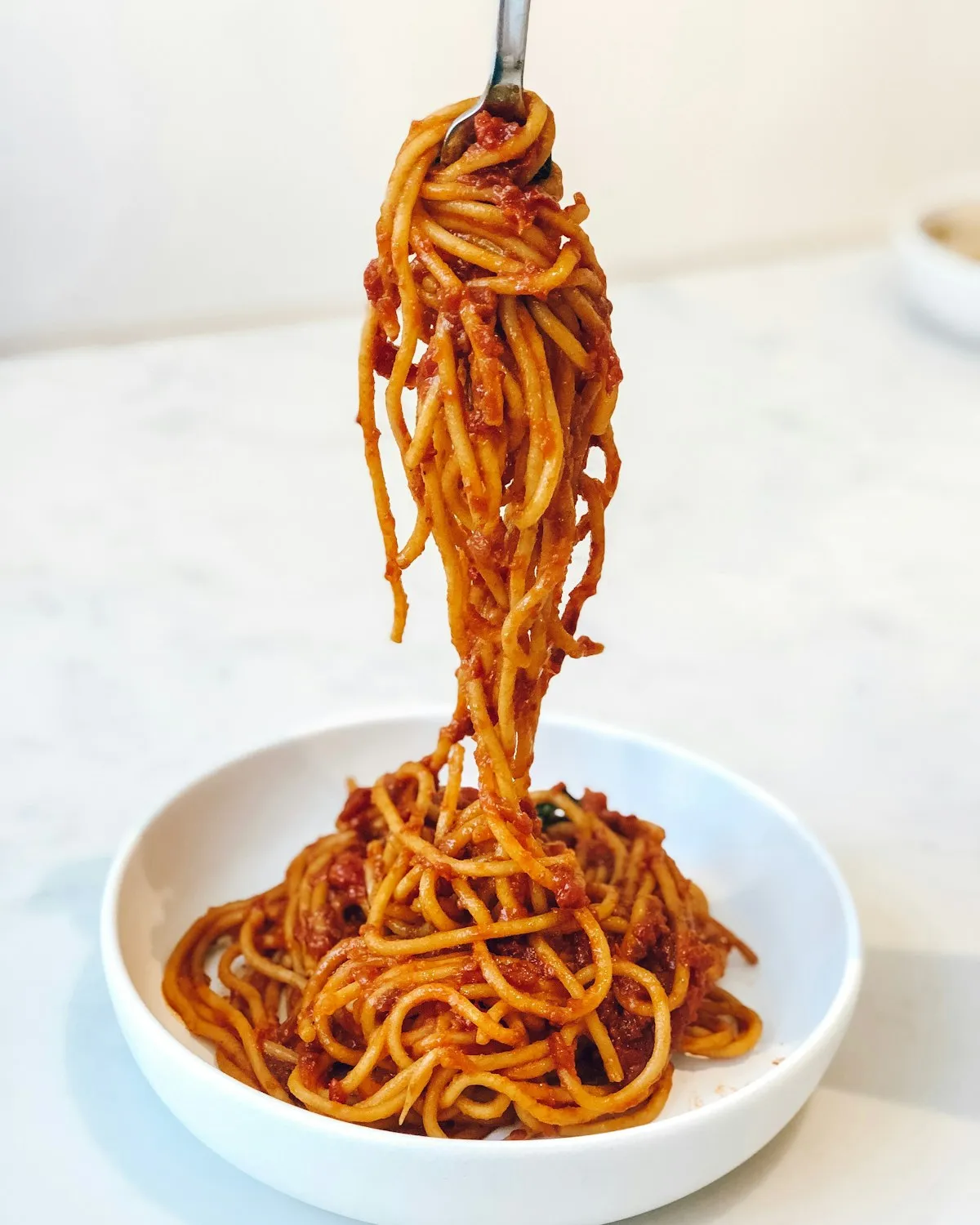
When pasta boils, it releases amylose and amylopectin into the water. These starch molecules are your best friends because they act as natural emulsifiers. In a ricotta-based sauce, you are creating an oil-in-water emulsion. The fat from the ricotta and any added olive oil needs to be suspended in the water-based liquids (lemon juice and pasta water). Without starch, the fat will simply slide off the noodles and pool at the bottom of the bowl in a greasy puddle of disappointment. Use at least half a cup of that cloudy, salty water to whisk into your ricotta before it ever touches the heat.
Temperature control is your next hurdle. Ricotta is a high-moisture, high-protein cheese. If you subject it to aggressive, direct heat, those proteins will tighten up and squeeze out their moisture, leaving you with a grainy, curdled mess. Keep the heat low or, better yet, turn it off entirely before you toss the pasta with the cheese mixture. The residual heat from the noodles is more than enough to melt the ricotta into a creamy dream.
Then there’s the lemon. Beyond just tasting "sunny," the citric acid in the lemon juice performs a vital role in texture. A small amount of acidity lowers the pH of the sauce, which changes the electrical charge on the milk proteins. This helps prevent them from clumping together too tightly. However, timing is everything. Add your lemon juice at the very end. If you boil lemon juice with dairy, you’re basically making DIY cottage cheese, which is a great hobby but a terrible pasta sauce strategy.
Finally, let’s talk about the mint. Mint contains volatile aromatic compounds that are lipophilic: meaning they love fat. By folding the mint into the creamy ricotta base, the fats in the cheese act as a carrier, delivering those refreshing "top notes" of menthol across your palate with every bite. Avoid over-chopping the mint; use a sharp knife and a single pass to keep the oils in the leaves rather than on your cutting board.
Leveling Up: Variations and Twists
While the base recipe is a masterpiece of minimalism, sometimes you want to take your simple pasta recipes into a different zip code. If you’re craving a bit of heat, introduce a pinch of red pepper flakes to the pan. The capsaicin provides a sharp contrast to the cooling mint and creamy ricotta, creating a "hot and cold" sensory experience that keeps your taste buds guessing.
For those who feel a meal isn't complete without a heavy protein hit, consider adding some flaked smoked salmon or grilled shrimp. The salinity of the seafood plays beautifully with the sweetness of the peas. If you’re keeping it plant-based but want more texture, toasted pine nuts or slivered almonds add a necessary "crunch" that breaks up the softness of the pasta and cheese.
Don't be afraid to swap your greens, either. If peas aren't your thing: though we should probably have a talk about that: baby spinach or thinly sliced asparagus work wonders here. The key is to choose a vegetable that cooks in the time it takes to boil the pasta. We are firmly in the realm of easy dinner recipes here, so anything that requires a separate roasting pan is strictly prohibited by the laws of weeknight efficiency.
Perfect Pairings: Balancing the Plate
When serving a dish this rich and creamy, your side dishes need to provide a counterpoint. Think of your meal as a musical composition: the pasta is the deep, resonant bass, so your side needs to be the bright, energetic treble.
A simple arugula salad dressed with nothing but high-quality balsamic vinegar and a whisper of olive oil is the perfect companion. The peppery bite of the arugula and the sharp acidity of the vinegar "cut" through the dairy, cleansing your palate between bites. Avoid creamy dressings; you’ve already checked the "creamy" box for the night.
Alternatively, a plate of roasted radishes or quick-pickled cucumbers offers a refreshing, crunchy contrast. The goal is to provide quick healthy meals that don't leave you feeling bogged down. If you're pouring a drink, a crisp, high-acid white wine like a Sauvignon Blanc or a Vermentino will mirror the lemon notes in the pasta and keep the whole experience feeling light and celebratory.
Frequently Asked Questions
Can I use frozen peas instead of fresh?
Absolutely. In many cases, you should use frozen peas. Unless you are picking them yourself from a garden, "fresh" peas in the grocery store have often been sitting around long enough for their sugars to turn into starch, leading to a mealy texture. Frozen peas are flash-frozen at their peak, preserving that sweet, "pop-in-the-mouth" quality. Just toss them into the boiling pasta water during the last two minutes of cooking.
Why is my ricotta sauce grainy?
Graininess is usually a symptom of one of two crimes: too much heat or not enough water. If the sauce gets too hot, the proteins in the ricotta coagulate into tiny clumps. If you don't add enough starchy pasta water, the sauce can't properly emulsify, leading to a dry, textured finish. Check your heat levels and don't be stingy with the pasta water; it's the glue that holds your culinary reputation together.
How do I reheat leftovers without the sauce breaking?
Reheating cream-based or cheese-based pasta is a delicate operation. If you blast it in the microwave, the oil will separate and the ricotta will become rubbery. Instead, place the pasta in a skillet over low heat and add a splash of milk or water. Stir gently as it warms to re-emulsify the sauce. It won't be quite as perfect as the first time, but it’ll be leagues better than a greasy microwave bowl.
Can I make this gluten-free?
You certainly can. When using gluten-free pasta, be aware that the "pasta water" might be a bit different. Some GF pastas (like those made from corn or brown rice) release a lot of starch, while others (like chickpea pasta) can make the water foam up. Keep a close eye on it and reserve more water than you think you need, as GF pasta tends to absorb moisture faster than traditional wheat varieties.
What kind of ricotta should I buy?
Go for the full-fat, whole-milk ricotta. Low-fat versions often contain stabilizers and gums to mimic the texture of fat, and these additives can behave unpredictably when heated. You want a short ingredient list: milk, salt, and an acid or culture. If you can find "hand-packed" or "calabro" style ricotta, it’s worth the extra couple of dollars for the superior creaminess and flavor.
{“@type”:”FAQPage”,”@context”:”https://schema.org”,”mainEntity”:[{“name”:”Can I use frozen peas instead of fresh?”,”@type”:”Question”,”acceptedAnswer”:{“text”:”Yes, frozen peas are often superior to store-bought fresh peas as they are frozen at peak sweetness. Add them to the boiling pasta water in the last 2 minutes.”,”@type”:”Answer”}},{“name”:”Why is my ricotta sauce grainy?”,”@type”:”Question”,”acceptedAnswer”:{“text”:”Graininess occurs if the ricotta is overheated or if there isn’t enough starchy pasta water to create a smooth emulsion. Keep heat low and use plenty of pasta water.”,”@type”:”Answer”}},{“name”:”How do I reheat leftovers without the sauce breaking?”,”@type”:”Question”,”acceptedAnswer”:{“text”:”Reheat in a skillet over low heat with a splash of milk or water to help the sauce re-emulsify. Avoid high-heat microwaving.”,”@type”:”Answer”}},{“name”:”Can I make this gluten-free?”,”@type”:”Question”,”acceptedAnswer”:{“text”:”Yes, just use your favorite gluten-free pasta. Be mindful that GF pasta water may behave differently, so reserve extra water just in case.”,”@type”:”Answer”}},{“name”:”What kind of ricotta should I buy?”,”@type”:”Question”,”acceptedAnswer”:{“text”:”Always choose whole-milk, full-fat ricotta for the best texture. Avoid low-fat versions which often contain stabilizers that can affect the sauce’s smoothness.”,”@type”:”Answer”}}]}