Recipe
Servings
Servings 1×
Ingredients
- Fettuccine
- Pasta
- Noodles
- Bread
- Broccoli
- Asparagus
- Garlic
- Lemon
- Balsamic vinegar
- Hard cheese
- Butter
- Black pepper
Method
- Use a small amount of this hot water to melt your butter gradually.
- Keep tossing the pasta in the pan over medium heat; the friction and the extra starch on the noodles will naturally thicken the liquid.
- Use the residual heat of the pasta and the warm water to melt the cheese slowly.
Sometimes, the loudest flavors come from the simplest ingredients sitting in your pantry right now. I’m a firm believer that you don’t need a thirty-ingredient grocery list to create a masterpiece. In fact, some of the best simple pasta recipes are the ones that rely on technique rather than a crowded spice rack. This butter and parmesan fettuccine is my go-to when I want something soul-warming, elegant, and ready in the time it takes to boil water. It’s the ultimate "I have nothing in the fridge" meal that tastes like a five-star Italian bistro.
The Magic of Liquid Gold: The Science of the Perfect Emulsion
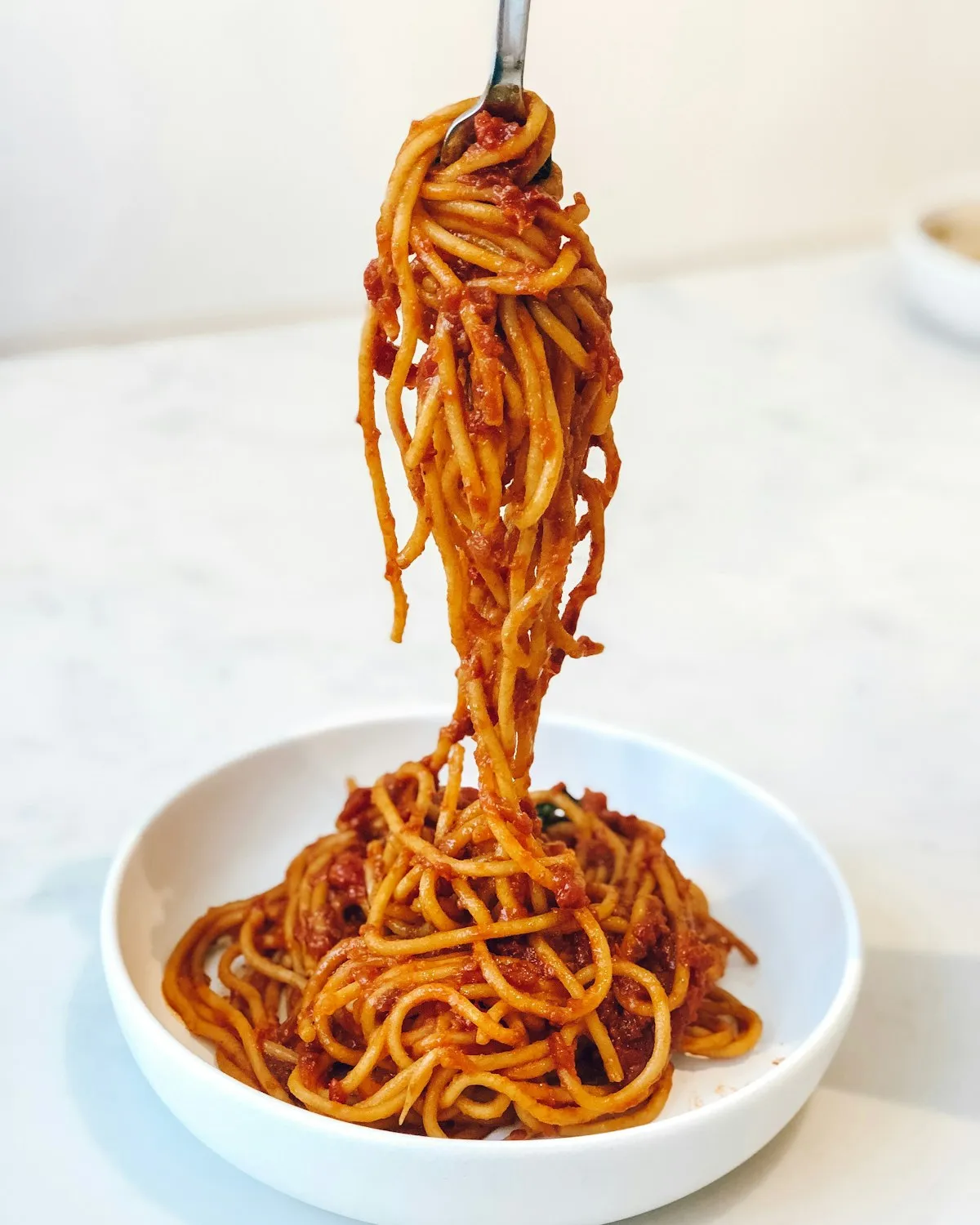
To master this dish, you have to understand one thing: the "sauce" isn't just melted butter. If you just toss hot pasta with butter and cheese, you’ll likely end up with a greasy puddle at the bottom of your bowl and a clump of rubbery cheese stuck to your fork. That is a heartbreak we want to avoid. The secret lies in a scientific process called emulsification.
An emulsion is a fancy word for forcing two things that don’t like each other, fat (butter and cheese) and water, to become best friends. In the world of easy dinner recipes, your most powerful tool is the starchy water your pasta cooked in. As the fettuccine boils, it releases starch into the water, turning it into a cloudy, liquid gold that acts as a structural bridge. This starch surrounds the tiny droplets of fat from the butter, preventing them from grouping back together into an oily mess.
When you begin building your sauce, reserve at least a cup of that water before you drain the noodles. Use a small amount of this hot water to melt your butter gradually. Whisk it constantly. This creates a creamy, thickened base that will actually cling to the pasta. If your sauce looks too thin, don't panic. Keep tossing the pasta in the pan over medium heat; the friction and the extra starch on the noodles will naturally thicken the liquid.
Another non-negotiable is the temperature of your cheese. High, direct heat is the enemy of a smooth parmesan sauce. If the pan is screaming hot when you dump the cheese in, the proteins in the dairy will tighten up and separate from the fat, leaving you with "stringy" pasta. Always remove the pan from the heat entirely before adding your parmesan. Use the residual heat of the pasta and the warm water to melt the cheese slowly. This ensures a velvety, glossy finish every single time.
Flavor Variations for Every Craving
While I love the purity of butter and cheese, these budget friendly recipes are excellent canvases for your own culinary experiments. You can easily tweak the profile without adding more than a few cents to the total cost.
If you’re craving a bit of brightness to cut through the richness of the butter, add a heavy squeeze of fresh lemon juice and a teaspoon of zest right at the end. The acidity balances the heavy fats perfectly. For those who enjoy a bit of a kick, toast a half-teaspoon of red pepper flakes in the butter before you add the pasta water. This infuses the fat with a gentle, smoky heat that wakes up the whole dish.
Want to make it a bit more "adult"? Try browning your butter first. Melt the butter over medium heat until it starts to foam and turn a nutty, golden brown. This adds a toasted, caramel-like depth that pairs beautifully with the salty parmesan. You can also throw in a clove of smashed garlic while the butter melts, just remember to remove it before serving so the flavor isn't overwhelming. Whether you stick to the classic or try a variation, keep the focus on high-quality fat and the right amount of starch.
What to Serve on the Side
Since this pasta is rich and buttery, you want side dishes that offer a contrasting texture or a punch of acidity. A simple arugula salad with a sharp balsamic vinaigrette is my favorite pairing. The peppery bite of the leaves and the sour vinegar act as a palate cleanser between bites of creamy fettuccine.
If you want to lean into the comfort food vibe, roasted green vegetables are the way to go. Think charred broccoli with plenty of lemon or slender asparagus spears roasted until the tips are crispy. These provide a much-needed crunch that breaks up the soft, tender texture of the fettuccine. If you're feeling particularly hungry, a thick slice of crusty sourdough is great for mopping up any leftover sauce at the bottom of the bowl, because letting even a drop of that emulsified butter go to waste would be a crime.
FAQ: Solving Your Pasta Problems
What if my sauce is still too oily and won't come together?
This usually means you didn't use enough pasta water or your fat-to-water ratio is off. Take the pan off the heat immediately and add two tablespoons of hot pasta water. Whisk or toss the pasta vigorously. The agitation helps the starch "grab" the fat. If it’s still oily, add a tiny bit more water and keep tossing.
Can I use pre-shredded parmesan from a green bottle?
Please, for the love of all things delicious, avoid the pre-grated "shaker" cheese for this specific dish. Those products often contain anti-caking agents like cellulose (wood pulp), which prevent the cheese from melting into a smooth sauce. They will result in a grainy, sandy texture. Use a block of real Parmesan (Parmigiano-Reggiano if your budget allows) and grate it yourself with the finest side of your grater.
Why did my cheese turn into one big rubbery clump?
Your pan was likely too hot. When parmesan hits boiling liquid, the proteins seize up instantly. Next time, turn off the burner and let the pan sit for thirty seconds before adding the cheese. Add the cheese in small handfuls, stirring between each addition rather than dumping it all in at once.
Can I use a different type of pasta?
While fettuccine is classic because its flat surface provides plenty of "grip" for the sauce, you can use linguine or even spaghetti. Avoid very small shapes like ditalini or orzo for this specific sauce, as they don't provide enough surface area for the emulsion to coat them properly.
How do I store and reheat leftovers?
Emulsified butter sauces are notoriously difficult to reheat because the emulsion breaks when it gets cold. If you must have leftovers, reheat them in a pan over very low heat with a splash of fresh water or milk. Avoid the microwave if possible, as it will likely turn your dinner into a bowl of oily noodles.
{“@type”:”BlogPosting”,”image”:”https://cdn.marblism.com/312WqSZ5Y43.webp”,”author”:{“name”:”Penny”,”@type”:”Person”},”@context”:”https://schema.org”,”headline”:”Simple Pasta Recipes: Butter and Parmesan Fettuccine with Fresh Parsley”,”publisher”:{“logo”:{“url”:”https://cookpedia.com/logo.png”,”@type”:”ImageObject”},”name”:”Cookpedia”,”@type”:”Organization”},”description”:”Learn the science behind the perfect butter and parmesan fettuccine. Discover how to create a glossy, emulsified sauce using pasta water and simple pantry staples.”,”datePublished”:”2026-07-20″,”mainEntityOfPage”:{“@id”:”https://cookpedia.com/simple-pasta-recipes-butter-parmesan-fettuccine”,”@type”:”WebPage”}}