Recipe
Servings
Servings 1×
Ingredients
- Penne
- Pasta
- Spinach
- Kale
- Cucumber
- Tomatoes
- Garlic
- Lemon
- Tahini
- Cream
- Butter
- Cooking oil
- Salt
- Black pepper
Method
- Keep it in a large mixing bowl at room temperature while your pasta boils.
- Use the residual heat of the pasta to melt the cheese into a sauce.
- Use another splash of that pasta water.
- Stir the dried spinach directly into the warm ricotta before adding the pasta.
- Use a shape with "nooks and crannies" to ensure every bite is loaded with cheese.
- Add a splash of water or milk and heat it gently on the stove or in the microwave, stirring halfway through to restore that creamy texture.
You know those nights where the clock hits 6:00 PM, your energy is hovering near zero, and the thought of a complex recipe feels like a personal attack? I’ve been there. My kitchen has seen its fair share of "cereal for dinner" nights, but this Spinach & Ricotta Penne is my secret weapon for reclaiming the evening. It is one of those simple pasta recipes that feels like a warm hug but only takes about a quarter of an hour to pull off. It’s fresh, it’s creamy, and it doesn’t require a single fancy gadget.
The Emulsion Equation: Why Pasta Water is Liquid Gold
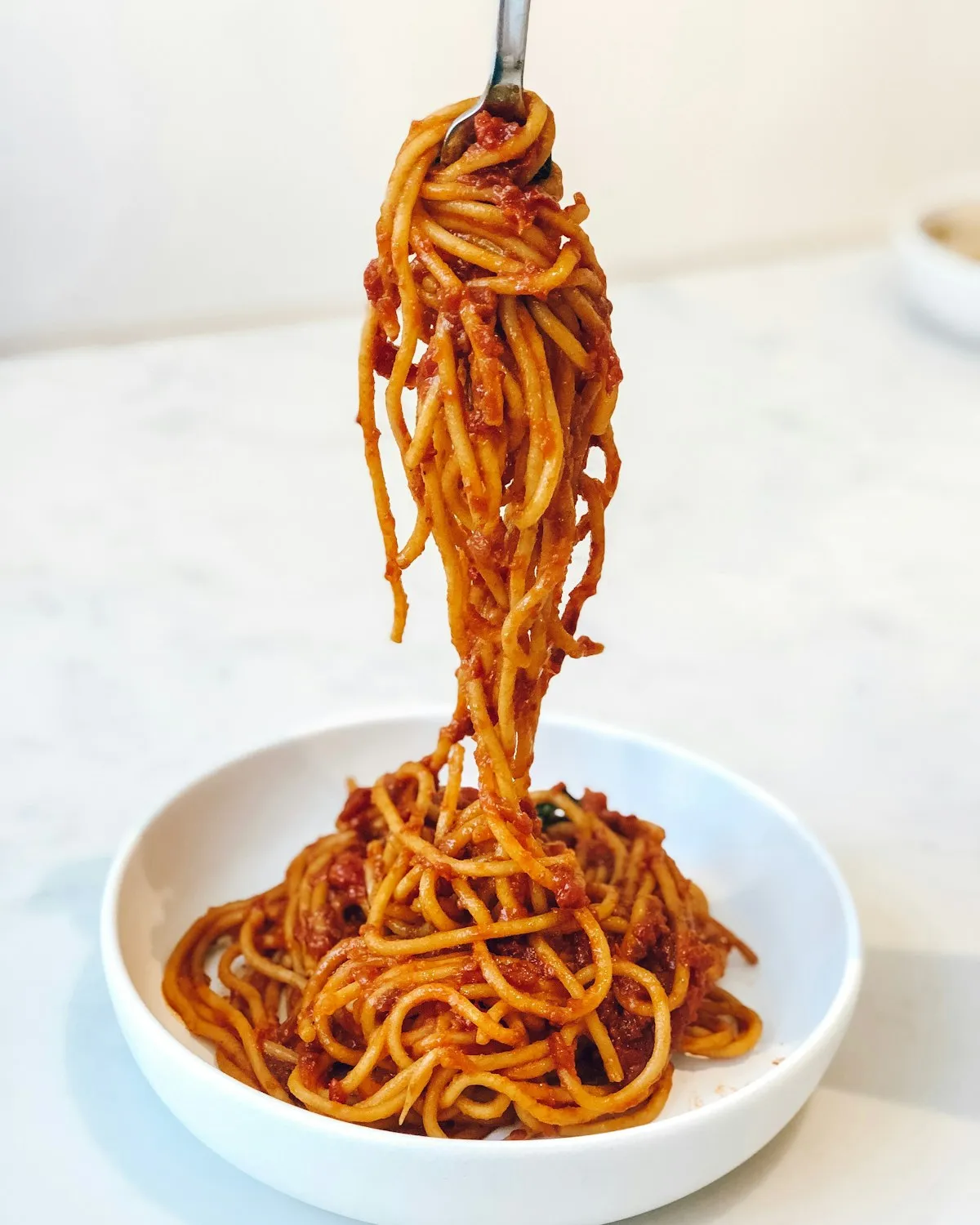
When you are looking for 15 minute meals, speed is the priority, but flavor is the non-negotiable. The secret to this dish isn't a long-simmered sauce; it’s a quick bit of kitchen chemistry. Ricotta is a delicate soul. If you subject it to high, direct heat in a pan, the proteins will tighten and the fats will separate, leaving you with a grainy, watery mess.
Instead, treat your ricotta like a VIP. Keep it in a large mixing bowl at room temperature while your pasta boils. Use the residual heat of the pasta to melt the cheese into a sauce. The real magic happens when you add the starchy pasta water. Think of that cloudy water as a natural glue. The starch acts as an emulsifier, binding the fats from the ricotta and the olive oil together into a glossy, restaurant-quality coat that clings to every ridge of the penne.
Don't just dump the spinach in a separate pan either. Throw the fresh leaves directly into the boiling pasta pot during the last sixty seconds of cooking. This "blanching" technique wilts the spinach instantly without overcooking it into a slimy, metallic-tasting shadow of itself. It keeps the greens vibrant and the nutrients locked in, making this one of my favorite healthy dinner ideas. Check your pasta constantly; you want it al dente, which means it still has a slight bite in the center. Since the pasta continues to cook for a minute once it hits the sauce, stopping early prevents a soggy dinner.
Texture and Taste: The Ricotta Ripple Effect
Always use whole-milk ricotta if you can find it. Low-fat versions often contain stabilizers and gums that don't melt as smoothly, and they lack the rich mouthfeel that makes this dish so satisfying. If the sauce feels a bit too thick, don't reach for the cream. Use another splash of that pasta water. The goal is a consistency that looks like heavy silk.
Avoid over-mixing. You want the ricotta to be mostly smooth, but a few little "pillows" of cheese caught in the hollows of the penne are what give this dish its soulful, home-cooked character. If you’re a fan of quick family meals, you’ll appreciate that this entire process happens in the time it takes to boil water. While the pasta is doing its thing, you can even toss a few protein sides into the mix, I often browse our air fryer recipes dinner section to find quick sausages that pair perfectly with a creamy pasta.
Brighter Bites: Flavor Variations
Once you master the base, you can start playing with the profile. If you find the ricotta a bit too heavy, introduce some acidity. A heavy hand with lemon zest and a squeeze of fresh juice will cut through the richness and brighten the whole bowl.
For those who like a little heat, bloom some red pepper flakes in a tablespoon of olive oil before stirring it into the cheese. This infuses the oil with a gentle warmth that spreads evenly through the sauce. If you have leftovers from our garlic butter ramen hack, you can even stir in some of that infused butter for a massive savory boost. Another great swap is using different greens. Baby kale or arugula can stand in for spinach; just remember that heartier greens might need an extra thirty seconds in the boiling water to soften up.
Perfectly Plated Pairings
Because this pasta is creamy and comforting, you need something crisp and sharp on the side to balance the plate. A simple arugula salad with a lemon-tahini dressing is my go-to choice. The peppery bite of the arugula is the perfect foil to the mild, sweet ricotta.
If you’re feeling extra hungry, a thick slice of crusty sourdough is mandatory for swiping up the remaining sauce at the bottom of the bowl. For more healthy dinner ideas, try serving this alongside some roasted cherry tomatoes or a quick cucumber salad. If you’re looking for other 15-minute meals, keep your sides equally low-effort so you can actually enjoy your evening instead of hovering over the sink.
Common Kitchen Curiosities (FAQ)
What if my ricotta sauce turns out grainy?
Graininess usually happens because the ricotta was boiled or the pasta water wasn't starchy enough. To fix it, add a tablespoon of very hot pasta water and stir vigorously off the heat. The mechanical action combined with the starch helps re-emulsify the sauce. Next time, ensure you are using whole-milk ricotta and never let the sauce bubble on the stove.
Can I use frozen spinach instead of fresh?
Yes, but you have to be careful about the water content. Frozen spinach is a sponge. Thaw it completely and squeeze it in a clean kitchen towel until it's bone-dry. If you skip this, your beautiful white sauce will turn a murky, watery grey. Stir the dried spinach directly into the warm ricotta before adding the pasta.
Why do you salt the pasta water so heavily?
Pasta doesn't have much flavor on its own. Salting the water is your only chance to season the penne from the inside out. As the pasta swells, it absorbs the salty water. If you try to salt it only at the end, the sauce will taste salty but the pasta will taste bland. Aim for the "flavor of the sea."
Is penne the only shape that works for this?
Not at all, but it is one of the best simple pasta recipes for a reason. Ridged shapes like penne rigate or fusilli are designed to grab onto creamy sauces. If you use a smooth pasta like spaghetti, the ricotta might slide right off. Use a shape with "nooks and crannies" to ensure every bite is loaded with cheese.
How do I store and reheat leftovers?
Ricotta pasta is best eaten immediately, but it will keep in the fridge for two days. When reheating, the pasta will have absorbed most of the moisture. Don't just microwave it, or it will be dry. Add a splash of water or milk and heat it gently on the stove or in the microwave, stirring halfway through to restore that creamy texture. This makes for one of the best quick family meals for a busy lunch the next day.
{“@type”:”BlogPosting”,”image”:”https://cdn.marblism.com/KJmtgA5UJ3A.webp”,”author”:{“name”:”Penny”,”@type”:”Person”},”@context”:”https://schema.org”,”headline”:”Simple Pasta 15-Minute Spinach & Ricotta Penne”,”keywords”:”simple pasta recipes, 15 minute meals, healthy dinner ideas, air fryer recipes dinner, quick family meals”,”publisher”:{“logo”:{“url”:”https://cookpedia.com/logo.png”,”@type”:”ImageObject”},”name”:”Cookpedia”,”@type”:”Organization”},”description”:”A quick and soulful 15-minute pasta recipe featuring creamy ricotta and fresh spinach. Perfect for busy weeknights.”,”datePublished”:”2026-06-14″,”mainEntityOfPage”:{“@id”:”https://cookpedia.com/simple-pasta-15-minute-spinach-ricotta-penne”,”@type”:”WebPage”}}