Recipe
Servings
Servings 1×
Ingredients
- Chicken
- Steak
- Lentils
- Chickpeas
- Beans
- Pasta
- Rice
- Eggs
- Bread
- Cauliflower
- Carrots
- Mushrooms
- Spinach
- Peas
- Onion
- Garlic
- Lemon
- Soy sauce or tamari
Method
- Let’s be real: your wallet has been through a lot lately, and your stomach shouldn't have to pay the price.
- Start every meal by sautéing your "holy trinity", usually onions, garlic, and maybe a carrot or celery.
- Use a medium heat and wait until the onions are translucent and the garlic smells like heaven before adding your liquids.
- Use a hot pan and don't crowd it.
- Use frozen spinach to bulk up quick family meals or frozen peas to add a pop of sweetness to a pasta dish.
- Keep a stash of "flavor bombs" in your pantry.
Let’s be real: your wallet has been through a lot lately, and your stomach shouldn't have to pay the price. You don’t need a trust fund to eat like a king; you just need to understand the chemistry of a pantry staple and the power of a hot pan. Cooking incredible, soulful food for under $3 a serving isn't just about being "cheap", it’s about being smart. I’m going to show you how to turn the humblest ingredients into healthy dinner ideas that will make you forget you’re on a budget.
The Science of the "Base" and Flavor Layering
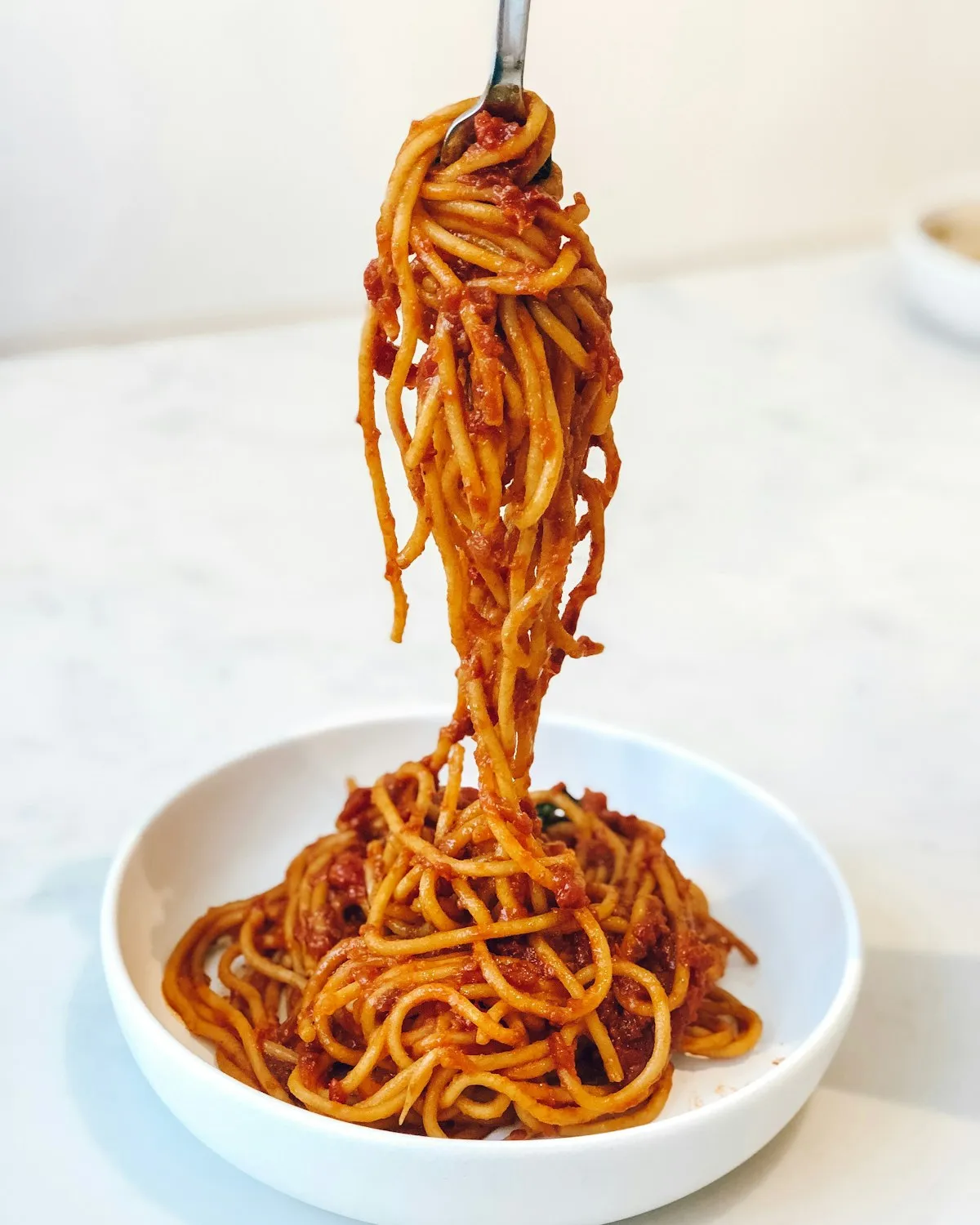
When you're aiming for a sub-$3 price tag, you have to flip the script on how you build a plate. Forget the massive steak as the center of attention. Instead, start with a "bulk base" like rice, dry beans, or pasta. These items are pennies per serving but provide the canvas for everything else.
Master the Aromatics
Don’t just dump ingredients into a pot. Start every meal by sautéing your "holy trinity", usually onions, garlic, and maybe a carrot or celery. This is where the magic happens. When you heat these vegetables in a bit of fat, you’re performing a chemical extraction of flavor compounds that are fat-soluble. Use a medium heat and wait until the onions are translucent and the garlic smells like heaven before adding your liquids. This builds a foundation of depth that makes a simple bean soup taste like it simmered for three days.
The Maillard Reaction is Your Best Friend
If your budget meals taste "sad," it’s probably because they lack browning. The Maillard reaction is a chemical reaction between amino acids and reducing sugars that gives browned food its distinctive flavor. Use a hot pan and don't crowd it. Whether you're searing a cheap cut of chicken or charring cauliflower for air fryer recipes dinner, that golden-brown crust is where the savory, "expensive" flavor lives. Avoid stirring too often; let the heat do its job.
Texture is Virtually Free
One of the biggest mistakes in low-cost cooking is serving a plate of "mush." Beans are soft, rice is soft, and stewed veg is soft. To make a meal feel high-end, you need contrast. Save those stale bread ends to make homemade croutons, or roast a handful of chickpeas until they’re crunchy. That hit of texture tricks your brain into finding the meal more satisfying and complex without adding more than a few cents to the total cost.
Don't Fear the Freezer
Frozen vegetables are often more nutritious than the "fresh" ones that have been sitting in a truck for a week. They are flash-frozen at peak ripeness, locking in vitamins and flavor. Use frozen spinach to bulk up quick family meals or frozen peas to add a pop of sweetness to a pasta dish. Just remember to add them at the very end of cooking so they stay vibrant and don't turn into a gray slurry.
Budget-Friendly Variations: Swapping with Purpose
The secret to never getting bored of under-$3 meals is understanding "flavor profiles." You can take the exact same base of lentils and rice and travel the world just by switching your spices.
The Protein Pivot
If a recipe calls for ground beef, but you’re staring at a $9 price tag, pivot to lentils or chopped mushrooms. They offer a similar "meatiness" and soak up flavor like a sponge. For those looking for healthy dinner ideas that stay within budget, eggs are the undisputed champion. A soft-boiled egg on top of a grain bowl or a quick frittata using leftover vegetables is a gourmet move that costs less than fifty cents.
Pantry Power-Ups
Keep a stash of "flavor bombs" in your pantry. A splash of soy sauce adds umami, a squeeze of lemon juice (acid) brightens a heavy stew, and a pinch of dried red pepper flakes adds heat. These items have a long shelf life and can transform a 15-minute meal from bland to brilliant. Always keep a bottle of inexpensive vinegar on hand; acid is often the "missing ingredient" when a dish tastes flat.
Side Dish Pairings: Balancing the Plate
When you’re eating a budget-friendly main that is rich in starches or fats (like a creamy bean pasta or a potato-heavy stew), your side dish needs to provide high-contrast acidity and crunch.
The Power of the Slaw
Forget expensive salad greens that wilt in three days. Buy a head of cabbage. It’s one of the cheapest things in the produce aisle and lasts forever. A simple cabbage slaw with vinegar and a touch of oil provides the perfect acidic "cut" to a rich main dish. It cleanses the palate and adds a necessary crunch that makes quick family meals feel much more balanced.
Roasted Root Veg
Potatoes, carrots, and onions are the workhorses of the budget world. Don’t just boil them. Toss them in a tiny bit of oil and salt, then roast them at 400°F until they’re crispy on the outside and tender inside. These are fantastic alongside air fryer recipes dinner options, providing a filling, starchy side that costs almost nothing.
Frequently Asked Questions
Why do my cheap bean dishes always taste bland?
You likely aren't using enough salt or acid. Beans are dense and need significant seasoning. Add salt early in the cooking process (yes, despite the myths, you can salt beans from the start) to season the interior of the bean. If it still tastes "flat" right before serving, add a teaspoon of vinegar or lemon juice. The acid reacts with your taste buds to make the existing flavors pop.
Is it actually cheaper to buy dry beans instead of canned?
Mathematically, yes. A pound of dry beans typically yields about 6-7 cups of cooked beans, whereas a can holds about 1.5 cups. You're getting roughly four times the amount of food for the same price. Plus, cooking beans from scratch allows you to infuse the cooking liquid with aromatics like bay leaves and garlic, which creates a "liquor" you can use as a base for soups.
How do I stop frozen vegetables from getting soggy?
Avoid boiling them. Frozen vegetables are already blanched (partially cooked) before freezing. To keep them crisp, sauté them in a very hot pan with a little oil or toss them into your healthy dinner ideas during the last 2-3 minutes of cooking. High heat evaporates the surface moisture quickly, preventing the "steamed" texture.
Can I really make a family meal for under $12 total?
Absolutely. By focusing on "filler" ingredients that are high in fiber and protein (like lentils, oats, and potatoes) and using meat as a seasoning rather than the main event, you can easily feed four people a nutritious meal for under $3 each. Look for "One-Pot" or quick family meals that utilize bulk grains to maximize your budget.
What is the best way to use leftovers without them feeling like "leftovers"?
Use the "Transform" rule. Don't just microwave the same bowl of food. Turn leftover roasted vegetables into a frittata. Turn a leftover bean stew into a filling for tacos. Change the texture or the delivery method (from a bowl to a wrap), and your brain will perceive it as a completely new meal.
{“@type”:”BlogPosting”,”image”:”https://cdn.marblism.com/ETA_nw5Wzc1.webp”,”author”:{“name”:”Cookpedia”,”@type”:”Organization”},”faqPage”:{“@type”:”FAQPage”,”@context”:”https://schema.org”,”mainEntity”:[{“name”:”Why do my cheap bean dishes always taste bland?”,”@type”:”Question”,”acceptedAnswer”:{“text”:”You likely aren’t using enough salt or acid. Beans are dense and need significant seasoning. Add salt early in the cooking process and a splash of vinegar or lemon juice right before serving to brighten the flavors.”,”@type”:”Answer”}},{“name”:”Is it actually cheaper to buy dry beans instead of canned?”,”@type”:”Question”,”acceptedAnswer”:{“text”:”Yes, dry beans provide roughly four times the amount of food for the same price compared to canned beans. They also allow you to control the flavor by adding aromatics to the cooking water.”,”@type”:”Answer”}},{“name”:”How do I stop frozen vegetables from getting soggy?”,”@type”:”Question”,”acceptedAnswer”:{“text”:”Avoid boiling them. Instead, sauté them in a very hot pan or add them to your dish during the last few minutes of cooking to preserve their texture and color.”,”@type”:”Answer”}}]},”@context”:”https://schema.org”,”headline”:”Budget-Friendly Recipes: 10 Things You Should Know About Under-$3 Meals”,”publisher”:{“logo”:{“url”:”https://cookpedia.com/logo.png”,”@type”:”ImageObject”},”name”:”Cookpedia”,”@type”:”Organization”},”description”:”Learn the science and techniques behind cooking delicious, healthy meals for under $3 per serving using pantry staples and smart flavor layering.”,”datePublished”:”2026-07-03″,”mainEntityOfPage”:{“@id”:”https://cookpedia.com/budget-friendly-recipes-under-3-meals”,”@type”:”WebPage”}}