Recipe
Servings
Servings 1×
Ingredients
- Pasta
- Noodles
- Zucchini
- Cream
- Cooking oil
- Salt
Method
- Slice your squash into thin ribbons using a vegetable peeler or a mandoline.
- Place them in a colander and toss them with a generous pinch of salt.
- Let them sit for about 10 minutes while your pasta boils.
- Give them a gentle squeeze or blot them with a towel before adding them to the pasta.
When the humidity hits 90% and the mere thought of turning on the oven makes you want to live inside your refrigerator, dinner needs to be fast and heat-free. My summer squash pasta is the ultimate solution for those sweltering July nights. It’s light, vibrant, and relies on the residual heat of your pasta to do all the heavy lifting. You get a creamy, restaurant-quality sauce without ever simmering a pot of cream or standing over a hot skillet. It is one of those quick family meals that feels like a cheat code for summer living.
The Science of the "No-Cook" Sauce
The secret to a 15-minute meal that doesn't taste like a "15-minute meal" lies in chemistry, specifically the magic of starchy pasta water. Most home cooks make the mistake of draining their pasta and letting all that "liquid gold" disappear down the sink. Stop doing that immediately. That cloudy water is packed with starch that has leached out of the noodles. When you whisk it into fat, like olive oil or a soft cheese, it acts as an emulsifier, binding the two together into a glossy, silky sauce that clings to every strand.
The Starchy Water Emulsion
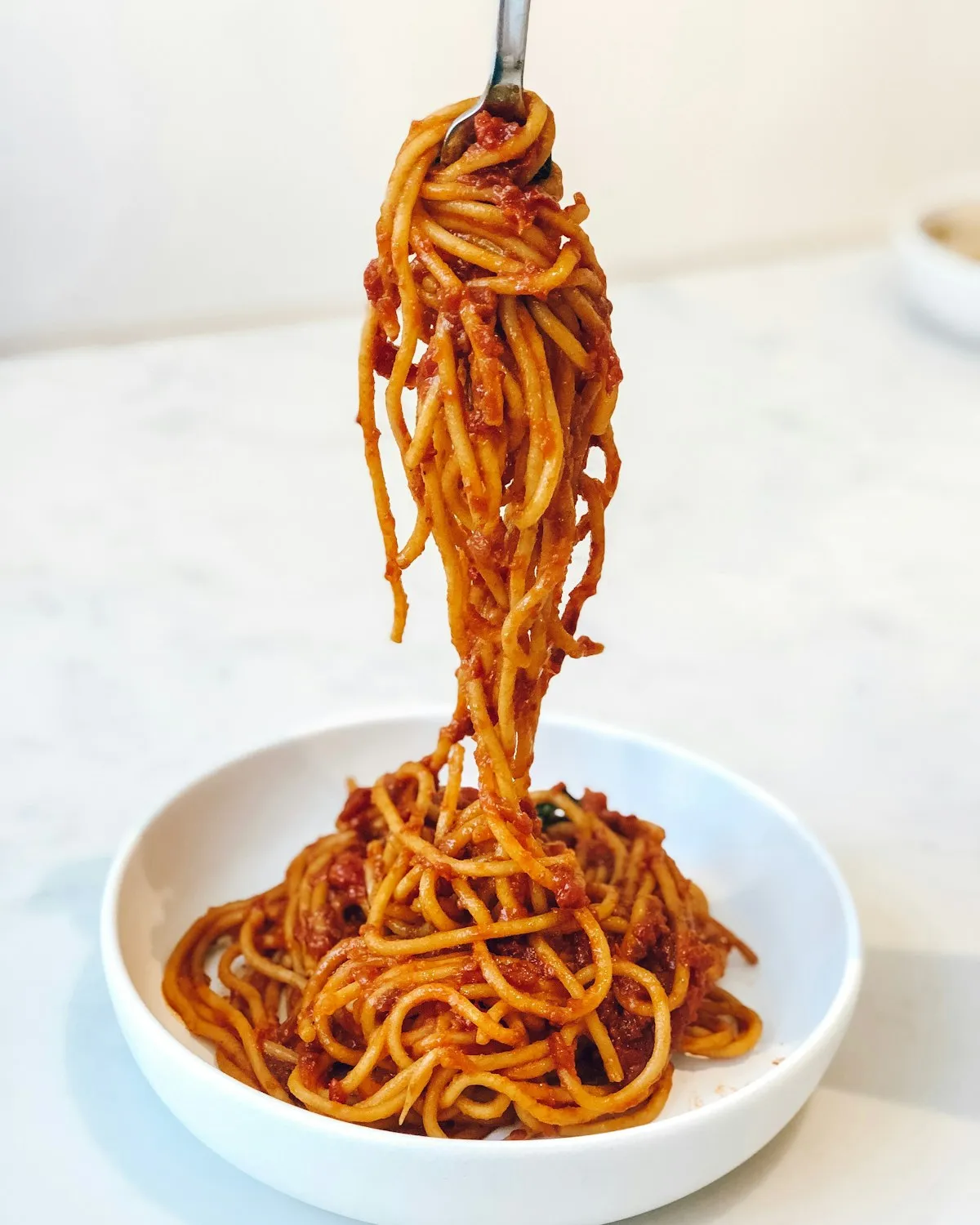
To get this right, you need to use less water than you think when boiling your pasta. By reducing the water volume slightly (while still giving the noodles room to move), you concentrate the starch. When you’re ready to assemble, ladle out about a cup of that boiling water before you drain. In a large, room-temperature bowl, you’ll combine your base, usually ricotta or goat cheese, and slowly whisk in the hot water. The heat from the water and the pasta itself is enough to melt the cheese and create a thick, stable emulsion. This technique is a staple in my kitchen because it’s the foundation for so many healthy dinner ideas that don't require heavy, store-bought sauces.
Squash Osmosis: The Salt Trick
Summer squash and zucchini are essentially 95% water. If you just toss them raw into your pasta, they’ll release all that moisture the second they hit the salt in the sauce, turning your beautiful dinner into a literal puddle. To prevent this, you must use osmosis to your advantage.
Slice your squash into thin ribbons using a vegetable peeler or a mandoline. Place them in a colander and toss them with a generous pinch of salt. Let them sit for about 10 minutes while your pasta boils. You’ll notice beads of water forming on the surface as the salt draws out the excess moisture. Give them a gentle squeeze or blot them with a towel before adding them to the pasta. This process doesn't just prevent a watery sauce; it seasons the squash deeply and gives it a "cooked" texture without ever touching a flame.
Variations for Every Palate
While the classic version uses ricotta for a mild, creamy finish, the beauty of this "no-heat" method is its versatility. If you want something punchier, swap the ricotta for a soft, herbed goat cheese or even a wedge of gorgonzola. The heat from the pasta water will break down the funkier cheeses just as easily.
For those who crave a bit of texture, you can introduce different "healthy dinner ideas" by adding raw, shaved fennel or thinly sliced snap peas along with the squash. They provide a crunch that contrasts beautifully with the soft ribbons of zucchini. If you like heat, don't just reach for red pepper flakes at the end. Infuse your olive oil with them for five minutes before tossing everything together; it distributes the warmth more evenly throughout the dish.
You can also lean into different herbs. While basil is the summer standard, mint and dill work surprisingly well with the sweetness of yellow squash. Just remember the golden rule: add your soft herbs at the very last second. Residual heat is great for melting cheese, but it will turn delicate herbs gray and bitter if they sit in it too long.
Perfect Side Dish Pairings
Because this pasta is inherently rich from the cheese and olive oil, you need a side dish that provides a sharp, acidic counterpoint. A simple arugula salad with a heavy hand of lemon juice and a splash of balsamic vinegar is my go-to. The peppery bite of the greens cuts right through the creaminess of the squash sauce, resetting your palate between bites.
If you’re looking to make this a more substantial meal, consider pairing it with a protein that doesn't require much stove time. I often look toward air fryer recipes dinner enthusiasts swear by, like a quick lemon-garlic salmon fillet or even crispy chickpeas. The air fryer keeps the heat contained and away from you, maintaining that "cool kitchen" vibe we’re aiming for. A side of crusty sourdough is also non-negotiable for mopping up any extra emulsified sauce left at the bottom of the bowl.
Frequently Asked Questions
Why is my sauce greasy instead of creamy?
This usually happens when the emulsion breaks. It means you either didn't have enough starchy water or you didn't whisk vigorously enough. The starch is the "glue" that holds the oil and water together. If you see oil pooling, add another splash of hot pasta water and toss the pasta with more energy. The mechanical action of tossing helps the emulsion form.
Can I use gluten-free pasta for this?
Yes, but be careful. Many gluten-free pastas (especially those made from corn or rice) release a different type of starch that can be a bit more "gluey" than wheat starch. You might need slightly more water to keep the sauce fluid. Avoid chickpea-based pastas for this specific recipe, as their water doesn't emulsify quite as cleanly.
What if I forgot to save the pasta water?
We’ve all been there, and it’s a tragedy, but it’s fixable. You can "fake" it by mixing a half-teaspoon of cornstarch or potato starch into a cup of hot tap water. It’s not quite as flavorful as the real deal, but it will provide the necessary binding power to prevent a greasy mess.
Do I really have to salt the squash first?
Yes. If you skip the salting, your 15-minute meal will turn into a bowl of squash soup within five minutes of plating. The salt changes the cellular structure of the zucchini, making it flexible and seasoned. It is the single most important "technique" step in this guide. Don't skip it.
Is this dish good for leftovers?
This is one of those quick family meals that is truly best served immediately. Emulsions made with pasta water tend to tighten up and lose their silkiness as they cool. If you must reheat it, do so gently with a tiny splash of water and a bit more olive oil to loosen the sauce back up.
{“@type”:”BlogPosting”,”image”:[“https://cdn.marblism.com/nHWQSDm6q9H.webp”,”https://cdn.marblism.com/p1nVFNAnL2e.webp”,”https://cdn.marblism.com/quqdTIKAYxk.webp”],”author”:{“name”:”Penny”,”@type”:”Person”},”@context”:”https://schema.org”,”headline”:”How to Create a 15-Minute Summer Squash Pasta (Without Heating Your Kitchen)”,”publisher”:{“logo”:{“url”:”https://cookpedia.com/logo.png”,”@type”:”ImageObject”},”name”:”Cookpedia”,”@type”:”Organization”},”description”:”Learn the science of pasta water emulsions and squash osmosis to create a creamy, heat-free summer dinner in just 15 minutes.”,”datePublished”:”2026-07-03″,”mainEntityOfPage”:{“@id”:”https://cookpedia.com/15-minute-summer-squash-pasta”,”@type”:”WebPage”}}