Recipe
Servings
Servings 1×
Ingredients
- Chicken
- Pasta
- Noodles
- Broccoli
- Zucchini
- Spinach
- Peas
- Lemon
- Butter
- Cooking oil
Method
- Use chicken or vegetable stock, or even a mix of tomato juice and water.
- Use the "risottare" technique: start with enough liquid to submerge the pasta, then add more in small increments as it gets absorbed.
- Use a wooden spoon or tongs to keep the noodles moving constantly during those first few minutes.
- Use a wide, high-sided skillet or a Dutch oven.
We’ve all been there: you see a gorgeous video of a "magical" one-pot pasta, toss everything into a pan, and end up with a gummy, starchy mess that looks more like library paste than a gourmet dinner. It’s frustrating because one-pot cooking is supposed to be the ultimate hack for quick family meals. When it works, it’s a revelation, silky sauce, minimal cleanup, and high-impact flavor. When it fails, you’re left scrubbing a scorched pot and ordering pizza. If your noodles are soggy or your sauce is bland, don't give up on the method just yet. Most failures boil down to a few scientific slip-ups that are incredibly easy to fix once you understand the "why" behind the starch.
The Science of the Simmer: Why Your Technique Matters
The biggest difference between a traditional pasta dish and a one-pot version is what happens to the starch. In a standard setup, you boil pasta in a massive gallon of water and dump most of that starch down the drain. In a one-pot meal, that starch is your secret weapon, but only if you manage it correctly.
1. You’re Using Too Much Liquid
This is the number one reason for soggy noodles. If you drown your dry pasta in a sea of water, the noodles will overcook long before the liquid has evaporated or thickened into a sauce. Aim to have the liquid just barely covering the pasta. It’s much easier to add a splash more broth later than it is to remove it once the pasta is already mushy.
2. You’re Using Plain Water
If you want healthy dinner ideas that actually taste like something, stop using plain water as your primary liquid. Because the pasta absorbs the liquid it cooks in, using water results in a bland noodle. Use chicken or vegetable stock, or even a mix of tomato juice and water. This seasons the pasta from the inside out.
3. You’re Dumping Liquid All at Once
Think of one-pot pasta like a cheat-code version of risotto. Use the "risottare" technique: start with enough liquid to submerge the pasta, then add more in small increments as it gets absorbed. This constant movement and gradual hydration release the starches slowly, creating that creamy, emulsified texture rather than a watery pool.
4. You Aren't Stirring in the First Two Minutes
Pasta is most likely to stick in the first 120 seconds of hitting the heat. As the outer starch granules gelatinize, they become incredibly sticky. Use a wooden spoon or tongs to keep the noodles moving constantly during those first few minutes. If you walk away, you’ll end up with a giant pasta brick.
5. Your Pot is Too Small or Too Deep
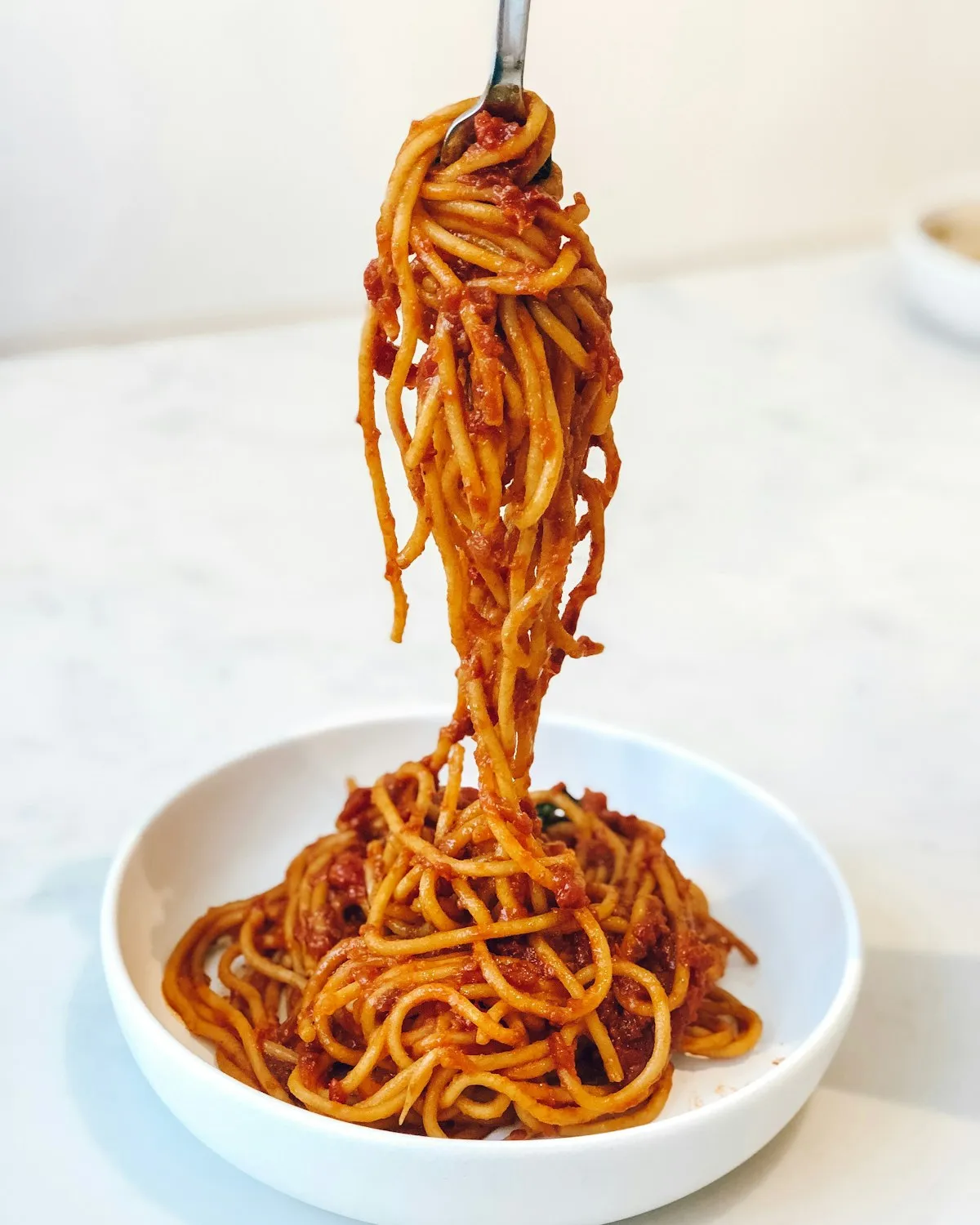
Surface area is your friend. If you use a deep, narrow stockpot, the liquid won't evaporate efficiently, and the pasta at the bottom will be crushed and gummy. Use a wide, high-sided skillet or a Dutch oven. This allows for even heat distribution and better evaporation, which concentrates the flavors.
6. You’re Ignoring the Heat Level
One-pot pasta requires a steady, moderate simmer. If you boil it too vigorously, the liquid disappears before the pasta is cooked. If the heat is too low, the pasta sits in lukewarm water and becomes bloated. Maintain a gentle bubble, think "energetic simmer" rather than "rolling boil."
7. You’re Adding Delicate Veggies Too Early
Nobody likes gray, mushy broccoli. If your recipe calls for spinach, peas, or zucchini, wait until the final two or three minutes of cooking. The residual heat and the thickening sauce are enough to wilt greens or tenderize small vegetables without obliterating their texture.
8. You’re Using the Wrong Pasta Shape
Thin noodles like angel hair are a nightmare for one-pot cooking because they overcook in seconds. Stick to sturdier shapes like rigatoni, fusilli, or thick linguine. These have enough structural integrity to withstand the constant stirring and the concentrated starch bath.
9. You Forgot the Acid and Fat at the Finish
A one-pot sauce is high in starch, which can sometimes feel "heavy" on the palate. Always finish your dish with a squeeze of lemon juice or a splash of vinegar to cut through the richness. Follow this with a pat of butter or a swirl of high-quality olive oil to give the sauce a professional, glossy sheen.
10. You Aren't Taking It Off the Heat Early
Pasta continues to cook for several minutes after you turn off the stove. Pull your pot off the burner when the pasta is just shy of al dente and the sauce looks slightly too loose. By the time you carry the pot to the table and plate it, the sauce will have tightened up perfectly.
Variations for Every Table
One of the best things about mastering this technique is how easily it adapts to different dietary needs. For those looking for healthy dinner ideas that are also lower in carbs, try substituting half the pasta with "zoodles" (zucchini noodles), but add them only in the final 60 seconds to prevent them from watering down your sauce.
If you prefer a plant-based approach, swap dairy cream for full-fat coconut milk or a cashew-based cream. The starch from the pasta will help bridge the gap between the plant milk and the aromatics, creating a rich mouthfeel without the heavy cream. For a punch of protein, stir in canned chickpeas or white beans during the last five minutes; they’ll soak up the flavored broth and add a lovely creaminess to the final bowl. You can find more inspiration in our one-pot meals category.
Balancing the Plate: Side Dish Pairings
Because one-pot pasta is inherently rich and starchy, you need side dishes that provide contrast. Avoid heavy garlic bread or cheesy sides. Instead, focus on high-acidity and high-crunch components.
A simple arugula salad with a sharp lemon vinaigrette is the perfect partner. The peppery bite of the greens cuts right through the starch. Alternatively, try quick-roasted asparagus or charred broccolini. The slight bitterness of charred green vegetables balances the sweet, starchy nature of the pasta sauce. If you’re in a rush, even a plate of sliced cucumbers with a splash of apple cider vinegar can brighten up the meal. Check out our quick meals section for more side inspiration.
FAQ: Solving Your Pasta Problems
What if my sauce is still too watery when the pasta is done?
Don't panic and don't keep boiling the pasta. Remove the pasta with tongs or a slotted spoon and set it aside. Crank the heat on the remaining liquid to high and reduce it until it’s thick and syrupy. Then, toss the pasta back in.
Can I use gluten-free pasta in a one-pot recipe?
Yes, but be careful. Gluten-free pasta (especially corn or rice-based) releases a different type of starch that can get very "slimy" if over-stirred. Use a little more liquid than usual and stir very gently to keep the noodles intact.
Why does my sauce taste "floury" or gummy?
This usually happens when there wasn't enough liquid to fully hydrate the starch molecules. Next time, add a bit more broth or water and ensure you’re stirring frequently to distribute the starch evenly throughout the sauce.
Is it possible to incorporate air fryer recipes dinner components?
Absolutely. While the pasta cooks in the pot, use your air fryer to crisp up some chickpeas, bacon, or even kale chips to use as a crunchy topping. It adds a texture that the one-pot method lacks.
Can I use a lid?
Use a lid only to bring the liquid to the initial boil. Once the pasta is in, keep the lid off. You want the steam to escape so the sauce can reduce and concentrate. Using a lid often leads to the dreaded "soggy noodle" syndrome.
How do I make this work for a 15-minute deadline?
Check out our 15-minute meals for specific recipes, but the trick is to use smaller pasta shapes like orzo or ditalini, which cook significantly faster than long strands.
{“@type”:”BlogPosting”,”image”:[“https://cdn.marblism.com/o7hGxcgKPrW.webp”,”https://cdn.marblism.com/MOQU8EtiCg4.webp”,”https://cdn.marblism.com/jzL3odmTphq.webp”],”author”:{“name”:”Cookpedia”,”@type”:”Organization”},”@context”:”https://schema.org”,”headline”:”10 Reasons Your One-Pot Pasta Isn’t Working (And How to Fix It)”,”publisher”:{“logo”:{“url”:”https://cookpedia.com/logo.png”,”@type”:”ImageObject”},”name”:”Cookpedia”,”@type”:”Organization”},”description”:”Learn the science behind one-pot pasta and how to avoid common mistakes like gummy noodles and watery sauce. Perfect for quick family meals.”,”datePublished”:”2026-07-03″,”mainEntityOfPage”:{“@id”:”https://cookpedia.com/10-reasons-one-pot-pasta-not-working”,”@type”:”WebPage”}}