Recipe
Servings
Servings 1×
Ingredients
- Chicken
- Ground turkey
- Bread
- Pesto
- Cooking oil
- Black pepper
Method
- Let’s dive into how you can pull off these simple yet spectacular sliders in your own kitchen without breaking a sweat.
- Use your hands, stay light with your touch, and keep the fat cold until it hits the pan.
- Use a 9×13 baking dish for the best heat distribution, allowing the rolls to toast evenly while the cheese melts into a unified blanket.
- Mix some crushed red pepper flakes and diced jalapeños directly into your meatball mixture.
- Use pepper jack cheese instead of mozzarella for that extra kick.
Welcome to your new favorite game day hack. Whether you are hosting a crowd for the big game or just trying to survive a Tuesday night, these sliders are the ultimate answer to the "what's for dinner" dilemma. They are savory, cheesy, and incredibly satisfying, fitting perfectly into the world of one pot meals that minimize the mess and maximize the fun. Let’s dive into how you can pull off these simple yet spectacular sliders in your own kitchen without breaking a sweat.
The Science of the Perfect Slider: Tips & Technique
Cooking is as much about chemistry as it is about taste. When you’re building a slider that needs to stand up to sauce and heat, you have to respect the ingredients.
First, let’s talk about the panade. Before you even touch the meat, soak your breadcrumbs in milk. This creates a paste that acts as a structural moisture barrier. In the oven, meat proteins tend to coil and tighten as they cook, which can result in a rubbery, tough meatball. The panade interjects itself between those protein strands, ensuring every bite remains tender and juicy.
Mix your meat gently. Stop overworking the mixture the moment the ingredients look incorporated. You aren't kneading bread; you’re gently coaxing flavors together. Over-handling the meat leads to emulsification, where the fats and proteins mesh too tightly, creating a dense, "bouncy" texture that belongs in a processed snack, not a gourmet slider. Use your hands, stay light with your touch, and keep the fat cold until it hits the pan.
Temperature control is your next non-negotiable. Invest in a digital thermometer. You want your meatballs to hit an internal temperature of 160°F during their initial sear or bake, knowing they will climb to the safe 165°F during the final assembly. This carryover cooking is what prevents a dry, crumbly center. If you’re looking for quick family meals, you might even consider prepping the meatballs in batches. In fact, many of my favorite air fryer recipes dinner enthusiasts swear by air-frying the meatballs first to get a crisp exterior before nesting them into the buns.
Now, for the "Soggy Bun Prevention" protocol. This is a scientific necessity. Do not put sauce directly onto the bread. Instead, place a layer of sliced provolone or mozzarella on the bottom bun first. This cheese acts as a hydrophobic barrier, preventing the moisture from the marinara from seeping into the starch of the bun. Think of it as a delicious, edible raincoat for your bread. Use a 9×13 baking dish for the best heat distribution, allowing the rolls to toast evenly while the cheese melts into a unified blanket.
Flavor Variations to Shake Things Up
Once you master the classic beef-and-marinara combo, it’s time to experiment. These sliders are a blank canvas for your culinary creativity.
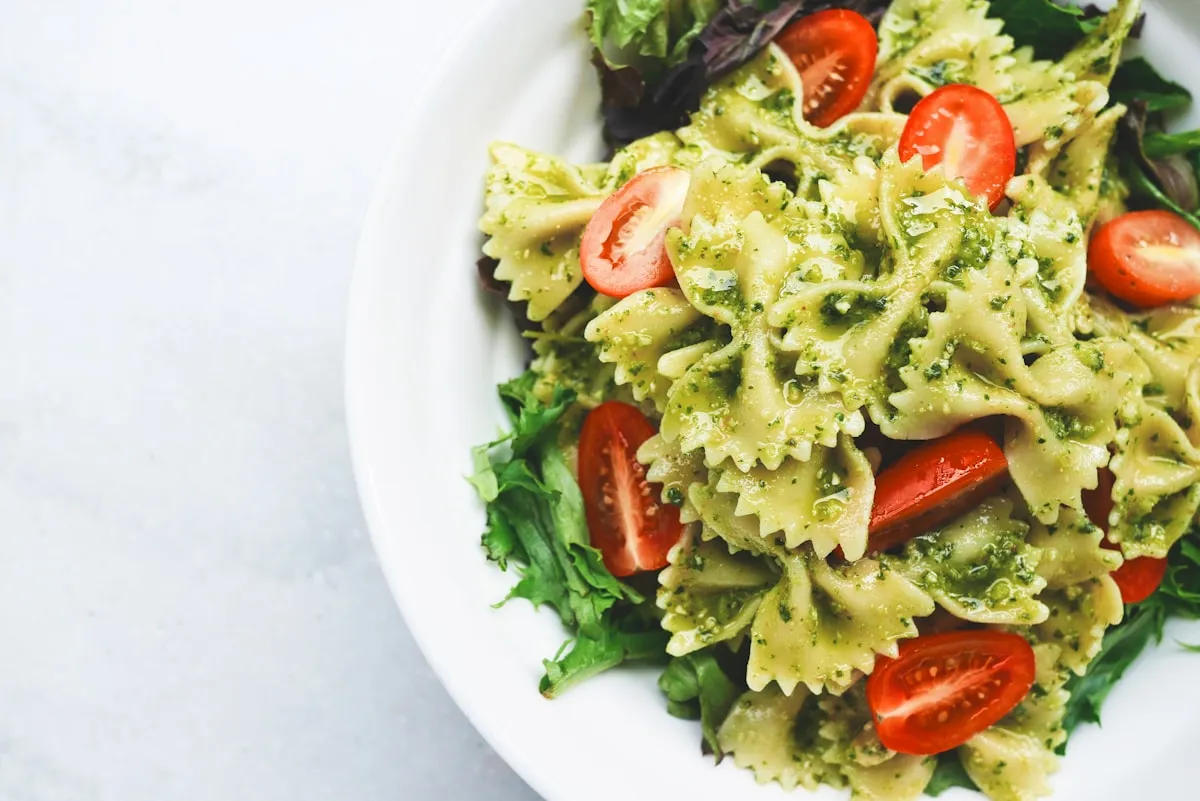
Try a "Lean & Green" version using ground turkey or chicken. Because poultry is naturally leaner and lacks the fat of beef, increase the amount of panade and add a tablespoon of olive oil to the mix. This ensures the meatballs don't turn into dry pebbles. Swap the marinara for a vibrant basil pesto to keep things fresh. This is one of those healthy dinner ideas that still feels like a total indulgence.
For those who crave heat, go for the "Spicy Arrabiata" slider. Mix some crushed red pepper flakes and diced jalapeños directly into your meatball mixture. Use pepper jack cheese instead of mozzarella for that extra kick. The capsaicin in the peppers will dance beautifully with the richness of the melted cheese, creating a profile that cuts right through the heavy starches.
If you’re leaning into a plant-based lifestyle, high-quality meat substitutes work surprisingly well here. Just be mindful of the binding agents; plant-based "meats" often require a bit more moisture (like a splash of vegetable broth) to keep them from drying out during the baking process.
Side Dish Pairings for Perfect Balance
A great meal is all about contrast. Since these sliders are rich, salty, and carb-heavy, your side dishes should provide acidity and crunch to cleanse the palate.
Avoid serving something heavy like potato salad; it’s starch on starch. Instead, opt for a bright, acidic arugula salad. Toss the greens with a simple lemon-olive oil vinaigrette and some shaved fennel. The bitterness of the arugula and the citrus from the lemon will cut right through the fat of the meatballs and cheese, making the whole meal feel much lighter.
Pickled vegetables are another fantastic pairing. A quick cucumber salad or some pickled red onions added directly onto the sliders can elevate the flavor profile instantly. The vinegar in the pickles acts as a structural foil to the savory marinara, ensuring that every bite tastes as vibrant as the first. This approach is key to keeping quick family meals from feeling monotonous.
Frequently Asked Questions
Can I use frozen meatballs for this?
Yes, you certainly can. If you are short on time, high-quality frozen meatballs are a lifesaver. However, do not put them in the buns while they are frozen. Thaw them completely in the refrigerator first, or heat them in the microwave or air fryer until they are warmed through before assembly. If you put frozen meatballs directly into the buns and then into the oven, your bread will burn long before the centers of the meatballs reach a safe temperature.
How do I stop the top of the buns from getting too hard?
The secret is a heavy-handed application of garlic butter. Melt butter with garlic powder and dried parsley, and brush it generously over the tops of the buns before they go into the oven. If you find they are browning too quickly, tent the pan with aluminum foil for the first 10 minutes of baking, then remove it for the final 5 minutes to get that perfect golden crunch.
Can I make these ahead of time?
You can prep the meatballs and the sauce a day in advance, but I highly recommend waiting to assemble the sliders until you are ready to bake. Even with the cheese barrier, the buns will eventually succumb to moisture if they sit in the fridge fully assembled for hours. Keep your components separate, and assemble them right before the guests arrive for the best texture.
Why did my meatballs fall apart?
This usually comes down to the binder. If you didn't use enough breadcrumbs or if you skipped the egg, the meat doesn't have the "glue" it needs to hold its shape. Additionally, ensure your meatballs are properly seared or baked before putting them into the sliders. That initial crust helps maintain structural integrity when they start swimming in sauce.
What is the best bread to use?
Brioche or Hawaiian rolls are the gold standard here. Their higher sugar and fat content allows them to toast beautifully and provides a subtle sweetness that balances the salty parmesan and savory beef. Avoid very hard crusty rolls, as they make the sliders difficult to bite through, often causing the meatball to shoot out the back of the sandwich.
For more inspiration on easy weeknight wins, check out our full collection of recipes at Cookpedia. Happy cooking!