Recipe
Servings
Servings 1×
Ingredients
- Pork
- Ground turkey
- Pasta
- Noodles
- Bread
- Zucchini
- Tomatoes
- Garlic
- Cream
- Hard cheese
- Chili seasoning
- Black pepper
Method
- Use a clean kitchen towel or a fine-mesh nut milk bag to squeeze the life out of that shredded zucchini.
- Keep your meat cold until the very moment of mixing.
- Warm fat is slippery fat; if the fat in your ground beef melts from the heat of your hands or the kitchen air before it hits the pan, it will leak out during cooking.
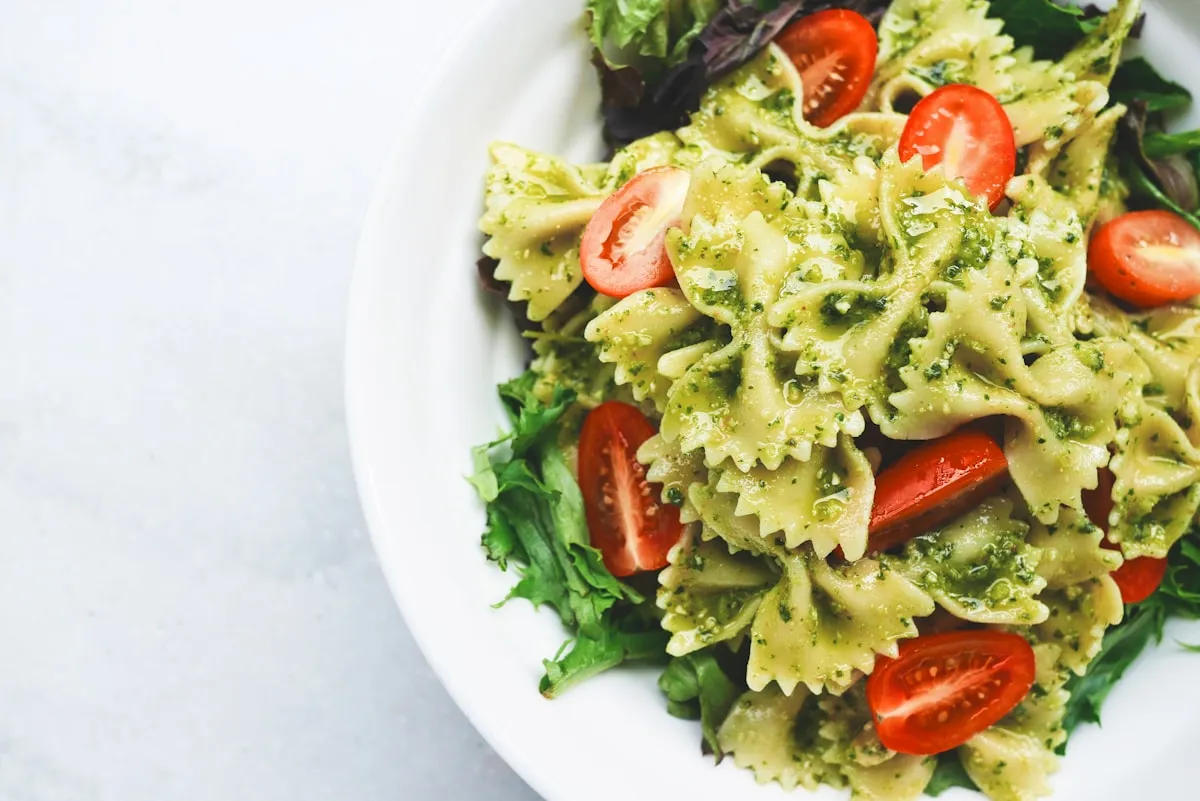
If you have spent even a single week on a low-carb journey, you know the "pasta ghost" is real. It haunts your dreams with visions of buttery noodles and saucy tangles of spaghetti. But here is the secret: it is rarely the pasta you actually miss; it is the vehicle for the sauce. My Keto Italian Meatballs in Zucchini Nests are designed to satisfy that deep-seated craving while keeping your macros perfectly in line. This is one of those healthy weeknight dinners that feels like a cheat meal but works like a nutritional powerhouse.
The Science of the Binder and the Zucchini Crisis
When you dive into keto recipes for beginners, the first hurdle you hit is the breadcrumb problem. In a traditional meatball, breadcrumbs act as a panade. They soak up milk or water and create a starch-protein matrix that keeps the meat tender and prevents it from shrinking into a tough, rubbery golf ball. Without bread, how do we save the texture?
The answer lies in moisture and fat. Instead of starch, use finely grated zucchini and high-fat parmesan cheese. The zucchini provides the internal moisture that the meat needs to stay succulent, while the cheese melts and acts as a structural glue. However, there is a catch: zucchini is a hydration bomb.
Zucchini is roughly 95% water. If you simply grate it and toss it into your meat, your "nests" will turn into a swamp by the time they hit the oven. To master this, you must apply mechanical force. Use a clean kitchen towel or a fine-mesh nut milk bag to squeeze the life out of that shredded zucchini. I am talking about a workout, squeeze until you think no more water can possibly come out, and then squeeze one more time. This process increases the concentration of fiber and natural sugars, which helps the meatball brown through the Maillard reaction rather than steaming in its own juices.
Next, focus on the "nest" construction. Avoid the temptation to just pile the zucchini noodles on a plate. Create small, individual coils on your baking sheet. This increases the surface area exposed to the hot air, allowing for better evaporation. If you leave the zucchini in a large, wet pile, the heat will break down the cell walls (a process called pectolytic degradation), turning your firm noodles into a mushy puddle. By forming individual nests and par-roasting them, you maintain that "al dente" bite that mimics real pasta.
Keep your meat cold until the very moment of mixing. Warm fat is slippery fat; if the fat in your ground beef melts from the heat of your hands or the kitchen air before it hits the pan, it will leak out during cooking. This leaves you with a dry meatball and a greasy tray. Work quickly, use an ice cream scoop for uniformity, and get them into the heat immediately.
Flavor Profiles and Variation Ideas
Once you have mastered the basic structure, you can start playing with the flavor chemistry. The traditional Italian profile relies on the holy trinity of garlic, basil, and oregano, but you can easily pivot this into a Mediterranean or even a spicy profile.
Try swapping half of the ground beef for ground pork or spicy Italian sausage. The higher fat content in pork increases the "mouthfeel," which is essentially the way the fat coats your tongue and carries flavor. If you want a lighter version, ground turkey works remarkably well, but you must be vigilant about adding extra moisture. Since turkey is leaner, increase the amount of squeezed zucchini by about 20% to compensate for the lack of animal fat.
For a spicy kick, incorporate crushed red pepper flakes or even a teaspoon of Calabrian chili paste into the meat mixture. The capsaicin in the chilies provides a heat that cuts through the richness of the parmesan. If you are feeling adventurous, tuck a small cube of fresh mozzarella into the center of each meatball. As the meatball cooks, the cheese melts, creating a "lava" effect that makes these healthy weeknight dinners feel incredibly indulgent.
Don't forget the sauce. If you are buying store-bought marinara, check the label like a hawk. Most commercial sauces are loaded with added sugars to balance the acidity of the tomatoes. Look for a brand with no added sugar, or better yet, make a quick pan-sauce using crushed tomatoes, garlic, and a splash of heavy cream to increase the healthy fats.
Side Dish Pairings for Perfect Balance
A heavy, cheese-laden meatball dish needs a partner that can fight back. You want something with high acidity and a bit of a crunch to reset your palate between bites. A sharp arugula salad is my absolute favorite pairing for this dish.
The peppery bite of arugula combined with a simple lemon vinaigrette provides the necessary acid to cut through the fat of the meatballs. You can find a great version of this on the Cookpedia site that features shaved parmesan and toasted pine nuts. The pine nuts add a buttery crunch that mirrors the nutty notes in the meatballs' parmesan crust.
If you want something warmer, consider roasted broccolini with plenty of lemon zest and red pepper flakes. The bitterness of the charred brassica balances the sweetness of the tomato sauce. Avoid heavy, starchy sides, remember, we are keeping this keto. A simple bowl of marinated olives or a plate of sliced cucumbers with white wine vinegar also works wonders for keeping the meal feeling light and vibrant.
FAQ: Troubleshooting Your Keto Nests
What if my meatballs are falling apart?
This usually happens for two reasons: not enough binder or too much moisture. Ensure you used a full egg and enough parmesan. If the zucchini wasn't squeezed dry, the excess water will steam the meat from the inside out, breaking the structural bonds. Check your squeezing technique!
Can I make these ahead of time?
Yes, but keep the components separate. You can mix and roll the meatballs up to 24 hours in advance, but do not spiralize the zucchini until you are ready to cook. Once spiralized, zucchini begins to weep water almost immediately. For the best keto recipes for beginners, freshness is key to texture.
Why did my zucchini nests turn into a "lake" in the oven?
You likely skipped the par-roasting or didn't squeeze the zucchini hard enough. Salt the zucchini lightly after spiralizing and let it sit for 10 minutes; this uses osmosis to draw out even more water before you squeeze it.
Is it okay to use frozen zucchini?
I strongly advise against it for the nests. Frozen zucchini undergoes cell wall rupture during the freezing process, which means it will never regain that firm, noodle-like texture. It becomes a puree the moment it thaws. Save the frozen stuff for soups.
How do I know when the meatballs are done without a thermometer?
Give them a gentle poke. They should feel firm to the touch, similar to the fleshy part of your palm when you touch your thumb to your pinky finger. If they feel soft or "squishy," they need more time.
Can I use a different vegetable for the nests?
Certainly. Spaghetti squash is a fantastic keto alternative, though it has a slightly higher carb count than zucchini. If you use spaghetti squash, roast it face down first, then shred the strands and form your nests.
How do I get a better crust on the meatballs?
Don't crowd the pan or the baking sheet. If the meatballs are too close together, they will trap steam between them, preventing the Maillard reaction. Give them at least an inch of "personal space" so the hot air can circulate and crisp up the edges. Use a high-quality baking sheet for even heat distribution.