Recipe
Servings
Servings 1×
Ingredients
- Tofu
- Noodles
- Rice
- Cauliflower
- Broccoli
- Mushrooms
- Kale
- Fresh ginger
- Lime
- Honey
- Cooking oil
- Soy sauce or tamari
- Sesame
- Salt
Method
- Let’s be honest: we’ve all had those nights where the siren call of the takeout menu is almost too loud to ignore.
- Heat is the enemy of chlorophyll, the stuff that makes your veggies green.
- Use a heavy-bottomed skillet or a cast-iron pan if you don't own a wok.
- Sear in batches if you have to.
- Pour it in at the very end, let it bubble for exactly thirty seconds until it turns translucent and glossy, and then pull it off the heat immediately.
- Stir-fries are the ultimate canvas for healthy dinner ideas .
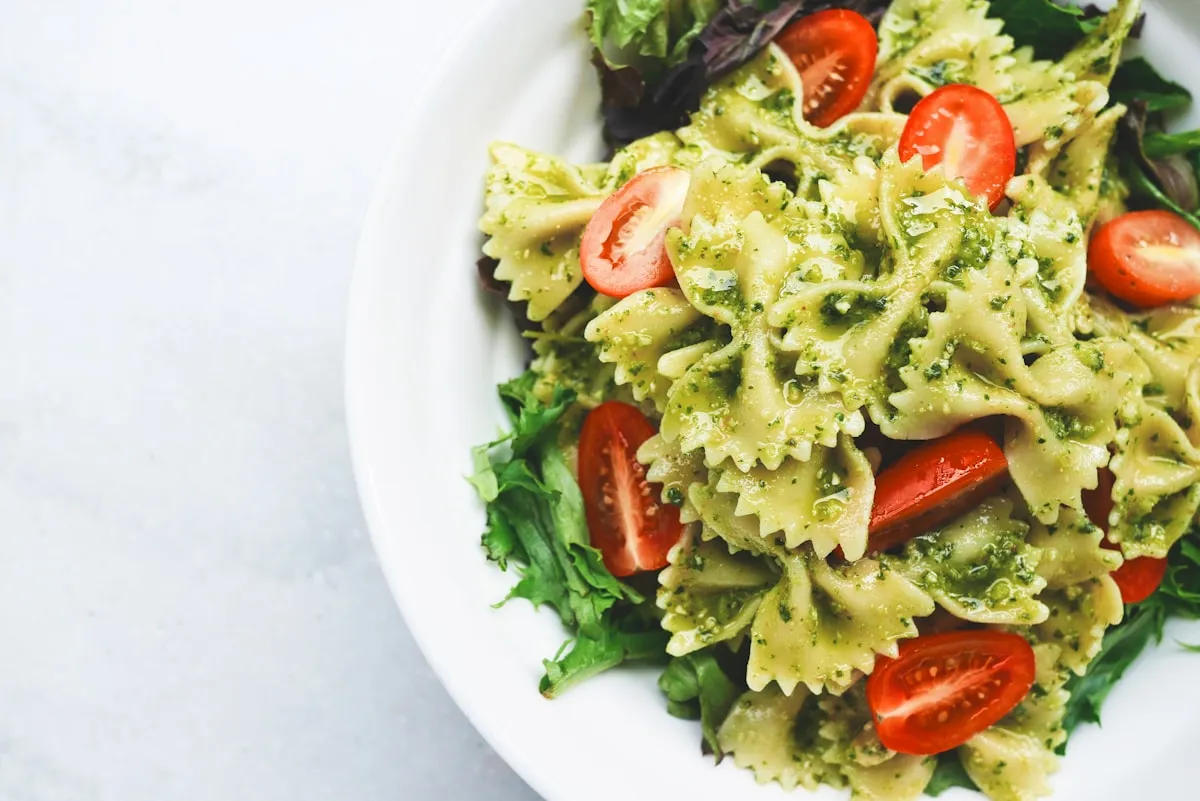
Let’s be honest: we’ve all had those nights where the siren call of the takeout menu is almost too loud to ignore. You want that glossy, savory beef and broccoli, but you don't want the salt bloat or the forty-minute delivery wait. My one-pot beef and broccoli is the answer to your weeknight prayers. It’s one of those quick family meals that actually delivers on the promise of speed without tasting like a compromise. We’re talking tender, "how-did-she-do-that" beef and broccoli that stays vibrant, all made in a single pan.
The Secret Science of the Silky Slicing
If you’ve ever wondered why restaurant beef is impossibly tender while your home version feels like chewing on a leather belt, I’m about to change your life. The secret is a Chinese technique called "velveting." This isn't just a fancy culinary term; it’s pure chemistry. When you marinate your meat with a bit of cornstarch and oil, you’re creating a physical barrier. This starch coating protects the protein fibers from the aggressive, direct heat of the pan, effectively sealing the juices inside.
To take it a step further, use a pinch of baking soda. This raises the pH level on the surface of the meat, making it harder for the proteins to bond together tightly when they hit the heat. Result? The beef stays buttery soft. Just remember: rinse the beef after a brief baking soda soak, or your dinner will taste like a chemistry set.
Now, let's talk about the broccoli. Most people throw raw broccoli into a pan and hope for the best, only to end up with burnt florets and raw, woody stems. Heat is the enemy of chlorophyll, the stuff that makes your veggies green. The longer broccoli sits in a hot pan, the more that vibrant green turns into a sad, muddy khaki. To prevent this, give your broccoli a "head start" by steaming it briefly with a splash of water in the same pan before you even touch the beef. This softens the stems while keeping the color intact.
Use a heavy-bottomed skillet or a cast-iron pan if you don't own a wok. You need something that retains heat like a champion. When the beef hits the pan, do not crowd it. If you dump two pounds of cold meat into a lukewarm pan, the temperature will plummet, and your beef will stew in its own juices instead of searing. Sear in batches if you have to. You want the Maillard reaction, that beautiful browning that creates deep, savory complexity, not a gray, boiled mess.
Finally, emulsify your sauce. Don't just pour soy sauce and water into the pan and expect magic. A slurry of cornstarch and cold water is non-negotiable. It acts as the glue that binds the savory juices to every nook and cranny of the beef and broccoli. Pour it in at the very end, let it bubble for exactly thirty seconds until it turns translucent and glossy, and then pull it off the heat immediately.
Mixing Up the Magic
While the classic soy-ginger profile is a winner, don't feel boxed in. Stir-fries are the ultimate canvas for healthy dinner ideas. If you want a bit of heat, toss in some dried red chilies or a generous dollop of sambal oelek during the last few seconds of cooking. The capsaicin in the peppers adds a sharp bite that cuts through the richness of the beef.
For those looking for a bit more crunch, add toasted cashews or sesame seeds at the very end. The contrast between the silky velveted beef and the snap of a toasted nut is addictive. If you prefer a brighter, more Thai-inspired profile, swap some of the soy sauce for fish sauce and finish the dish with a massive squeeze of fresh lime juice and a handful of torn cilantro. The acidity of the lime acts as a "flavor highlighter," making all the salty, savory notes pop.
If you’re leaning into a more plant-forward lifestyle, this technique works wonders with firm tofu or even thick-cut portobello mushrooms. Just treat the mushrooms exactly like the beef, sear them hard until they’re golden brown before adding your aromatics. You’ll get that same "meaty" satisfaction without the actual meat.
Perfect Pairings for a Balanced Plate
A great stir-fry needs a sidekick that can soak up that liquid gold we call sauce. While jasmine rice is the traditional go-to, you can easily pivot based on your dietary needs. If you’re keeping things low-carb, cauliflower rice is your best friend. Its neutral flavor profile lets the beef and broccoli be the star of the show.
For a bit of a twist, try serving this over quick-cooking rice noodles. They take about three minutes to hydrate in hot water, making them perfect for a fast turnaround. If you're feeling adventurous, a side of quick-pickled cucumbers, sliced thin and tossed with rice vinegar and a pinch of sugar, provides a cool, acidic crunch that cleanses the palate between bites of savory beef.
Don't forget that many air fryer recipes dinner enthusiasts often use their gadgets to crisp up some wonton strips or even kale chips to serve on the side. That extra bit of texture can turn a simple weeknight meal into something that feels like a full-blown feast.
Troubleshooting Your Stir-Fry
What if my sauce is too thick?
This usually happens if you let the cornstarch slurry boil for too long or if your heat is too high. Don't panic. Simply whisk in a tablespoon of water or low-sodium beef broth at a time until you reach that perfect, coating consistency. Avoid adding cold sauce directly to a hot pan without whisking, or you’ll end up with gelatinous lumps.
Can I use frozen broccoli?
Yes, but proceed with caution. Frozen broccoli has a much higher moisture content than fresh. If you throw it straight into the pan, it will release all that water and turn your stir-fry into a soup. Thaw it completely and pat it very dry with paper towels before using. Skip the initial steaming step and toss it in at the very end just to warm it through.
My beef is still tough: what went wrong?
Check your slicing technique. You must slice against the grain. Look for the long muscle fibers running through the meat and cut perpendicular to them. This shortens the fibers, making the beef much easier to chew. Also, ensure you didn't skip the velveting step; that starch layer is the difference between "okay" and "extraordinary."
Is there a soy-free alternative for the sauce?
Absolutely. Liquid aminos or coconut aminos are excellent substitutes. Coconut aminos are slightly sweeter, so you might want to dial back on any added sugar or honey in your recipe to keep the balance right.
How do I keep the broccoli from getting mushy?
The "one-pot" method requires timing. Remove the broccoli from the pan once it’s bright green and just tender-crisp, then set it aside while you cook the beef. Add it back in only at the very end when you’re tossing everything with the sauce. Leaving it in the pan the whole time is a one-way ticket to Mush-ville.
For more simple, soulful inspiration, check out our full collection at Cookpedia, where we focus on making home cooking accessible for everyone. Whether you're looking for a 15-minute Thai stir-fry or keto-friendly breakfasts, we've got you covered. Happy cooking!