Recipe
Servings
Servings 1×
Ingredients
- Greek yogurt
- Bread
- Potatoes
- Greens
- Cucumber
- Apple
- Onion
- Garlic
- Mustard
- Black pepper
Method
- Start by browning your sausage slices in a dry or lightly oiled pan.
- Use medium-high heat and do not move them the second they hit the metal.
- Use this rendered fat as your primary cooking medium for the cabbage.
- Use a wooden spoon to scrape the bottom of the pan, this is called deglazing.
- Stir in a tablespoon of apple cider vinegar or a splash of white wine at the very end.
There is a specific kind of magic that happens when you take two humble, affordable ingredients and toss them into a hot pan together. If you’re staring at a head of cabbage and a link of kielbasa wondering if they can actually transform into a gourmet meal, the answer is a resounding yes. This skillet is the ultimate solution for those nights when the fridge looks bare but you still want something soul-warming and packed with flavor. It’s a masterclass in simplicity, proving that you don’t need a pantry full of exotic spices to create one of your new favorite quick family meals.
The Science of the Sear: Mastering the Maillard Reaction
To turn basic cabbage into something crave-worthy, you have to understand the science of the sear. Most home cooks make the mistake of crowding the pan or rushing the process. If you want that deep, smoky flavor that defines a great Polish sausage skillet, you must respect the Maillard reaction. This is the chemical reaction between amino acids and reducing sugars that gives browned food its distinctive flavor.
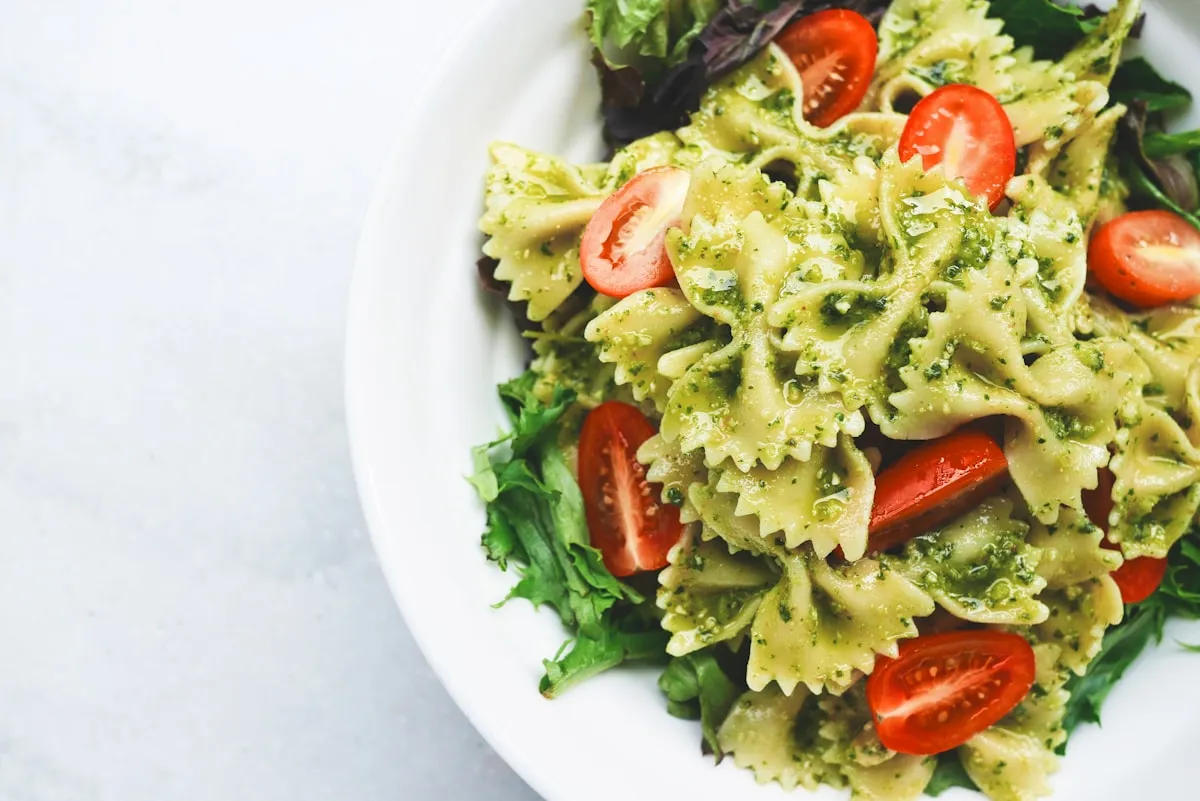
Start by browning your sausage slices in a dry or lightly oiled pan. Use medium-high heat and do not move them the second they hit the metal. Let them sit. You want a dark, crispy crust on each side. This isn't just for looks; that crust is where the concentrated savory flavor lives. As the sausage browns, it also renders its fat. This fat is liquid gold, it’s infused with garlic, smoke, and spices from the meat. Use this rendered fat as your primary cooking medium for the cabbage. Avoid draining it unless you’ve used an exceptionally fatty sausage, as this fat carries the "soul" of the dish into the vegetables.
Once the sausage is removed, add your onions and cabbage to that same pan. This is where moisture management becomes critical. Cabbage has a high water content. If you dump a massive mountain of cabbage into a cold pan and cover it immediately, you’ll end up with a soggy, boiled mess. Instead, keep the heat up and sauté the cabbage in batches if necessary. You want the edges of the cabbage to catch some of that high heat and caramelize before you introduce any steam. Use a wooden spoon to scrape the bottom of the pan, this is called deglazing. Those little brown bits (the "fond") stuck to the skillet will dissolve into the moisture of the cabbage, seasoning every shred with deep, meaty notes.
Check your heat levels constantly. If the cabbage is browning too fast without softening, lower the flame and add a tiny splash of water or broth before covering. This creates a pressurized steam environment that breaks down the tough cellulose in the cabbage, making it tender but still retaining a slight "toothsome" bite. Never overcook cabbage until it's translucent and mushy; aim for a vibrant, silky texture that still holds its shape. This balance makes it one of the best healthy dinner ideas for anyone trying to eat more greens without feeling like they're on a diet.
Flavor Profiles and Creative Variations
While the classic version is hard to beat, the beauty of this skillet is its versatility. Think of the base recipe as a canvas. To elevate the dish, focus on the "Acid Trip." Heavy fats from the sausage and the natural sweetness of caramelized cabbage need acidity to stay balanced. Stir in a tablespoon of apple cider vinegar or a splash of white wine at the very end. The acid cuts through the richness and brightens the entire flavor profile.
If you want a bit of heat, don't just reach for black pepper. Red pepper flakes or a dollop of spicy brown mustard stirred into the pan at the last minute adds a complex, sharp kick. For those following a keto or low-carb lifestyle, this dish is already a winner, but you can add extra crunch by tossing in some toasted walnuts or sunflower seeds just before serving.
Want a smokier, more "Old World" feel? Use caraway seeds. Toasted caraway seeds provide a nutty, anise-like flavor that is traditional in Polish and German cooking. If you find yourself looking for more quick family meals that use these same flavor profiles, you can even try roasting the cabbage and sausage together on a sheet pan for a hands-off approach, though you’ll lose that precious skillet fond.
The Perfect Side Dish Pairings
While this skillet is a complete meal on its own, the right side dish can turn it into a feast. Since the main dish is soft and savory, you want something with texture or a different flavor note. A side of crispy roasted potatoes is the classic choice. If you’re short on time, you can even use air fryer recipes dinner techniques to get those potatoes perfectly crunchy in half the time it takes to bake them.
A sharp, grainy Dijon mustard is a non-negotiable accompaniment. Serving a small bowl of mustard on the side allows you to dip the sausage and cabbage as you go, providing a punchy contrast to the mellow sweetness of the greens. If you want to keep things light, a simple cucumber salad with a dill-yogurt dressing provides a cooling effect that balances the smoky warmth of the skillet. For a heartier meal, a thick slice of rye bread or a sourdough boule is essential for mopping up any remaining juices at the bottom of your bowl.
Frequently Asked Questions (FAQ)
Why is my cabbage so watery and bland?
This usually happens because the pan wasn't hot enough or you seasoned with salt too early. Salt draws moisture out of vegetables. If you salt the cabbage the moment it hits the pan, it will release all its water and boil rather than sauté. Always wait until the cabbage has started to brown and soften before adding your salt. Also, ensure you are using a large enough skillet; if the cabbage is piled too high, the bottom layer steams while the top stays raw.
Can I use red cabbage instead of green?
Absolutely, but keep in mind that red cabbage is denser and takes longer to cook. It also contains anthocyanins, which can turn an unappealing blue-grey color if not cooked with an acid. Always add vinegar or lemon juice when using red cabbage to keep the color vibrant.
Is this dish actually healthy?
Yes! Cabbage is a nutritional powerhouse, high in Vitamin C and fiber. By using a high-quality, lean Polish sausage or even a turkey kielbasa, you can keep the calorie count low while staying satisfied. It’s one of those healthy dinner ideas that doesn't feel like a compromise.
What is the best way to reheat leftovers?
Avoid the microwave if possible. Microwaving cabbage can make it rubbery and the sausage can lose its snap. Instead, throw the leftovers back into a skillet with a tiny teaspoon of butter or oil. Heat it over medium-low until the edges of the sausage get crispy again. This restores the texture and brings back that freshly-cooked flavor.
Can I make this in an air fryer?
While this specific skillet recipe relies on the fond developed in a pan, you can certainly use air fryer recipes dinner methods to prep the sausage and cabbage separately for a different texture. Toss shredded cabbage with oil and salt, air fry at 375°F (190°C) until crispy, and add the sliced sausage for the last 5 minutes. It’s faster, but you’ll miss out on the integrated flavors of a single-skillet cook.
For more inspiration on simple, soulful cooking, check out our full collection of recipes at Cookpedia. Whether you're a seasoned chef or just starting your journey, we're here to make home cooking the best part of your day.