Recipe
Servings
Servings 1×
Ingredients
- Chicken
- Shrimp
- Pasta
- Noodles
- Spinach
- Garlic
- Lemon
- Butter
- Cooking oil
- Black pepper
Method
- Use tongs or a flick of the wrist to ensure every strand is coated in that starchy, buttery gloss.
- Heat is the enemy of fresh acidity.
- Add your fresh-squeezed juice at the very end, once the pan is off the heat.
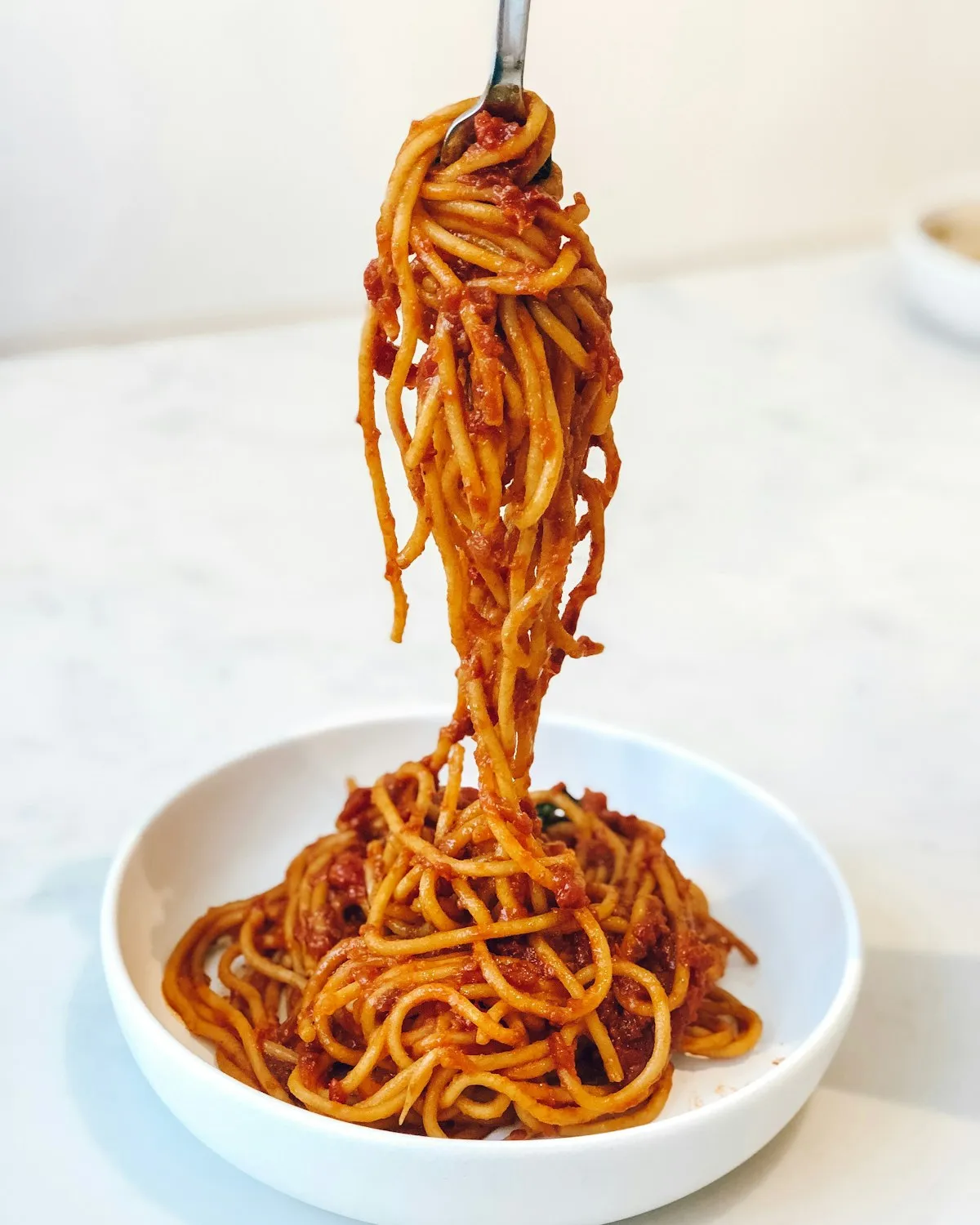
There is a specific kind of magic that happens when you realize you don’t need a pantry full of gourmet imports to make a five-star meal. Sometimes, the most rewarding simple pasta recipes are the ones that rely on four or five humble ingredients working in perfect harmony. This Lemon Butter Garlic Pasta is exactly that. It’s light, zesty, and carries a silky mouthfeel that makes you feel like you’ve actually mastered the art of the Italian kitchen, even if you’re just looking for quick family meals that don't result in a sink full of dishes.
The Science of the Silky Emulsion
If you’ve ever ended up with a pool of yellow oil at the bottom of your bowl and dry, sticky noodles on top, you’ve experienced an "emulsion fail." To get that restaurant-quality coating, you have to understand the science of Mantecatura. This is the process of finishing the pasta in the pan to create a cohesive sauce.
First, treat your pasta water like liquid gold. As the pasta cooks, it releases amylose and amylopectin: starch molecules: into the water. When you combine this starchy liquid with your fat (the butter and olive oil), the starch acts as a bridge, allowing the fat and water to bind together instead of separating. Never dump your pasta water down the drain. Always reserve at least a cup before you strain.
Next, manage your heat like a pro. Garlic is delicate. If you burn it, it turns bitter and acrid, ruining the entire dish. Sauté your garlic over medium-low heat just until it becomes fragrant and turns a pale golden color. This is the moment to introduce your lemon zest. The essential oils in the zest are fat-soluble, meaning the butter will pick up all that bright, citrusy aroma much more effectively than the juice alone.
When you add the pasta water to the pan, increase the heat slightly and whisk or toss vigorously. You are looking for those tiny bubbles that signal the fat and water are becoming one. Once you toss the pasta back in, keep it moving. Use tongs or a flick of the wrist to ensure every strand is coated in that starchy, buttery gloss. If it looks too dry, add more water, a tablespoon at a time. If it looks too thin, keep tossing; the starch from the pasta itself will continue to thicken the sauce as it sits.
Finally, let’s talk about the lemon juice. Heat is the enemy of fresh acidity. If you boil lemon juice, it loses its bright "pop" and can become oddly muted. Add your fresh-squeezed juice at the very end, once the pan is off the heat. This preserves the Vitamin C and the volatile flavor compounds that make your mouth water. This technique is what transforms simple pasta recipes from basic noodles into a sophisticated dinner.
Fresh Variations to Keep it Interesting
While the base of butter, lemon, and garlic is a holy trinity, you can easily adapt this dish to fit different healthy dinner ideas. If you’re craving a bit of heat, toss in a generous pinch of red pepper flakes when you sauté the garlic. The capsaicin will bloom in the fat, providing a consistent, gentle warmth throughout the sauce.
For a boost of greens, fold in a few handfuls of baby spinach or arugula at the very end. The residual heat from the pasta will wilt the greens in seconds without turning them into mush. If you want to lean into the Mediterranean vibe, add a tablespoon of briny capers or some chopped kalamata olives. The saltiness of the capers cuts through the richness of the butter beautifully, providing a sharp contrast to the citrus.
Protein additions are also incredibly straightforward. Seared shrimp or scallops are natural partners for lemon and garlic. If you have leftovers, sliced grilled chicken or even a tin of high-quality oil-packed tuna can turn this from a side dish into a robust main event. Just remember: whatever you add, maintain that emulsified sauce base. Don't let your additions soak up all the moisture; keep that pasta water handy.
Side Dish Pairings for Perfect Balance
Because this pasta is rich with butter and bright with lemon, your side dishes should focus on texture and contrasting flavors. A crisp, bitter green salad: think radicchio or endive: with a very light vinaigrette is a classic choice. The bitterness of the greens resets your palate between bites of the buttery pasta.
If you’re looking for something more substantial, roasted vegetables are your best friend. For those who love using modern kitchen tools, checking out air fryer recipes dinner options can lead you to perfectly charred broccoli or asparagus. The high-heat circulation of an air fryer creates crispy edges that provide a much-needed crunch against the silky noodles.
Avoid heavy, cream-based sides or overly starchy additions like potatoes. You already have plenty of carbohydrates and fats in the main bowl. Stick to high-fiber, crunchy vegetables or a simple piece of crusty sourdough to swipe up every last drop of that lemon-garlic sauce from the bottom of your plate.
Frequently Asked Questions
Can I use bottled lemon juice?
Avoid it at all costs. Bottled lemon juice often contains preservatives like sodium benzoate that give it a "tinny" or chemical aftertaste. More importantly, you lose the opportunity to use the zest, which is where the deepest lemon flavor lives. A fresh lemon is a non-negotiable for this dish.
Why did my sauce turn out watery?
This usually happens for one of two reasons: you either added too much pasta water too quickly, or you didn't toss the pasta enough to create the emulsion. The sauce needs agitation to come together. If it’s watery, turn up the heat slightly and keep the pasta moving. The evaporation combined with the mechanical action of tossing will eventually bring it together.
Is this a good option for quick family meals?
Absolutely. Since the sauce comes together in the time it takes for the pasta to boil, you can have dinner on the table in under 15 minutes. It’s a reliable staple for those nights when the fridge looks empty but you still want something that feels like a "real" meal.
Can I make this dairy-free?
You can substitute the butter with a high-quality extra virgin olive oil or a plant-based butter alternative. If using oil, you’ll need to be even more diligent with the pasta water and tossing, as oil doesn't have the milk solids that help stabilize a butter-based emulsion. However, the flavor will still be fantastic and fits well into many healthy dinner ideas.
How do I reheat leftovers without the sauce breaking?
Microwaving butter-based pasta usually results in an oily mess. Instead, put the leftovers in a skillet over low heat. Add a splash of water (or more pasta water if you saved some) and toss gently as it warms. This re-emulsifies the fats and brings back that silky texture.
Does the type of pasta matter?
Long, thin strands like spaghetti, linguine, or capellini are traditional because they offer more surface area for the thin sauce to cling to. However, short shapes like fusilli or penne work well if you like the sauce to get trapped in the nooks and crannies. Avoid very thick shapes like rigatoni, which might feel a bit overwhelmed by such a light sauce.