Recipe
Servings
Servings 1×
Ingredients
- Pasta
- Noodles
- Mushrooms
- Garlic
- Cream
Method
- Let the water evaporate so the temperature can rise high enough to actually sear the surface.
- Keep the heat at a medium-low simmer.
- Use a heavy-bottomed pot.
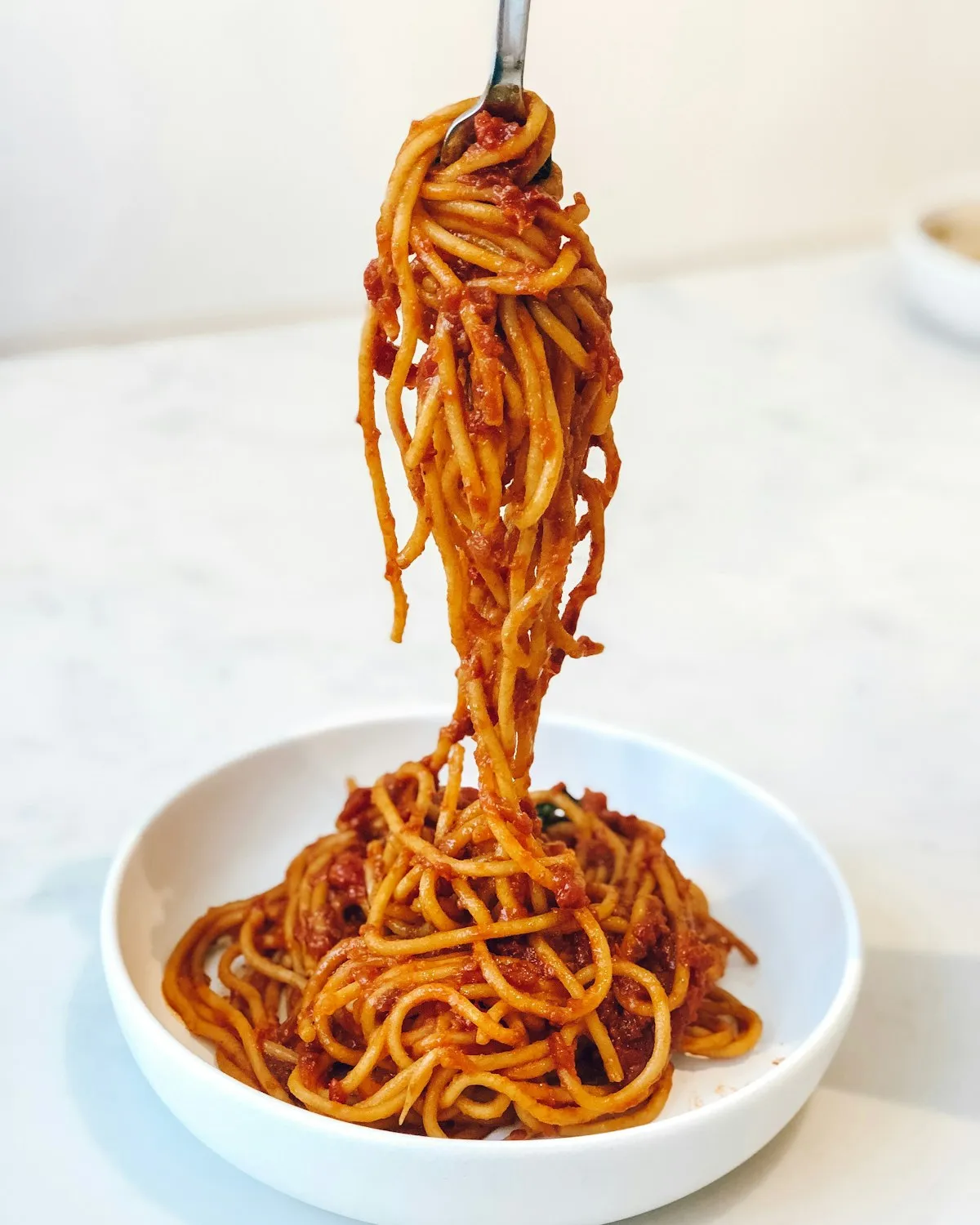
There is a specific kind of magic that happens when you decide to stop treating your kitchen like a high-stress laboratory and start treating it like a place of comfort. We’ve all been there, standing in front of an open fridge at 6:00 PM, dreading the mountain of dishes that usually follows a "fancy" dinner. That is exactly why I’ve fallen head over heels for one pot meals. This creamy garlic mushroom pasta is my go-to when I want a restaurant-quality meal without the restaurant-sized cleanup. It’s soulful, it’s earthy, and it’s about to become your new favorite secret weapon for those nights when time is short but hunger is high.
The Chemistry of Flavor: Why This Works
If you’ve ever wondered why some simple pasta recipes taste like a five-star meal while others feel like a soggy mess, the answer lies in the science of the pan. Most people treat mushrooms like a secondary thought, but in this dish, they are the main event. To get the most out of them, you have to respect the Maillard reaction. This is the chemical dance between amino acids and reducing sugars that gives browned food its distinctive, savory flavor.
Avoid crowding the pan. This is my non-negotiable rule. If you dump three pounds of mushrooms into a small pot all at once, they won’t brown; they’ll steam in their own released moisture. You’ll end up with rubbery, grey bits instead of golden, umami-rich powerhouses. Give them space. Let the water evaporate so the temperature can rise high enough to actually sear the surface.
Then, there’s the garlic. We aren't just tossing it in for a scent; we are extracting allicin. This compound is created the moment you crush or mince the garlic. To maximize the punch, mince your garlic and let it sit for about ten minutes before it hits the heat. This "rest" allows the enzymes to work their magic, ensuring that the flavor stands up to the heavy cream and starch. When you finally add it to the pot, watch it like a hawk. Garlic turns from "perfectly aromatic" to "bitter charcoal" in about thirty seconds. Sauté it just until you can smell it from across the kitchen, then immediately move to the next step.
The real secret of the "one pot" method, however, is the starch. When you boil pasta in a giant vat of water and drain it, you are literally pouring gold down the sink. In this recipe, the pasta cooks directly in a mixture of broth and cream. As the noodles soften, they release their starches directly into the liquid, creating a natural emulsification. This results in a sauce that clings to every strand with a velvety grip that you simply cannot achieve by adding sauce to pre-boiled noodles. It is the pinnacle of quick family meals because the physics of the starch does the thickening work for you.
Mastering the Texture and Heat
Control your simmer. Once you add your liquid and pasta, do not walk away to check your emails. The transition from "perfectly al dente" to "mushy" happens faster than you think in a concentrated environment. Keep the heat at a medium-low simmer. If the liquid is boiling violently, the outside of the pasta will disintegrate before the inside is cooked through. You want a gentle bubble that coaxes the starch out of the wheat slowly.
Check your liquid levels frequently. Different brands of pasta have different absorption rates. If the pot looks dry but the noodles are still crunchy, add a splash more broth. If it looks like soup, take the lid off and let the steam escape to reduce the sauce. This is intuitive cooking at its best. Trust your eyes over the timer on the back of the box.
Use a heavy-bottomed pot. This is essential for heat distribution. Thin pots create "hot spots" where the starch can stick to the bottom and burn before the rest of the dish is ready. A Dutch oven or a heavy stainless steel skillet is your best friend here. If you find things sticking, lower the heat immediately and give it a vigorous stir to scrape up those browned bits, that’s where the flavor lives.
Variations to Suit Your Mood
While I am a purist when it comes to the garlic-mushroom-cream trifecta, I know that variety is the spice of life. If you’re looking for healthy dinner ideas, you can easily lighten this up without losing the soul of the dish. Swap half of the heavy cream for a high-quality vegetable broth or a splash of starchy pasta water. You won’t get the same decadent mouthfeel, but the mushroom juices will still carry the day.
For the spice lovers, add a pinch of red pepper flakes during the garlic sauté stage. The heat will infuse into the fat of the butter or oil, spreading a gentle warmth throughout the entire pot. If you want to add a layer of brightness to cut through the richness, a squeeze of fresh lemon juice right before serving is transformative. The acidity acts as a "flavor highlighter," making the earthy notes of the mushrooms pop.
If you have leftovers of roasted chicken or even some air fryer recipes dinner components like crispy tofu, toss them in at the very end. The residual heat of the pasta will warm them through without overcooking them. This is also a great way to use up those last few sprigs of herbs in your crisper drawer, thyme, rosemary, or even a bit of sage work beautifully with the woodsy profile of the mushrooms.
Perfect Pairings: Balancing the Richness
Because this pasta is unapologetically rich and creamy, your side dishes need to provide contrast. Think of it as a see-saw: if the pasta is heavy and savory, the side should be light, acidic, or bitter. A simple arugula salad with a sharp lemon vinaigrette is my top recommendation. The peppery bite of the arugula cuts right through the cream, refreshing your palate between every forkful of pasta.
If you want something a bit more substantial, roasted broccoli or asparagus works wonders. The charred tips of the vegetables echo the browned edges of your seared mushrooms, creating a cohesive flavor profile across the entire plate. I often find that a crisp, dry white wine, like a Pinot Grigio or a Sauvignon Blanc, is the ultimate companion. The acidity in the wine performs the same job as the lemon in the salad, ensuring that the meal never feels "one-note" or overly heavy.
Frequently Asked Questions
Why did my sauce turn out thin and watery?
This usually happens for one of two reasons: either you added too much liquid initially, or you didn't let the pasta simmer long enough to release its starch. Remember, the starch is the "glue" that binds the cream and broth together. If your noodles are cooked but the sauce is thin, remove the lid and turn the heat up slightly for two minutes. Constant stirring during this final phase will help the evaporation and encourage the starch to emulsify.
Can I use different types of mushrooms?
Absolutely. In fact, I encourage it. Cremini (baby bellas) are great for their sturdy texture, but adding shiitakes provides a buttery, almost smoky depth. If you’re feeling fancy, oyster mushrooms add a delicate, velvety texture that mimics the pasta itself. Just remember the golden rule: sear them properly regardless of the variety.
How do I prevent the garlic from burning?
The secret is timing. Never add your garlic to a dry, screaming-hot pan. Always ensure there is enough fat (butter or oil) to coat the garlic bits, which acts as a heat buffer. If the pan feels too hot, pull it off the burner for ten seconds before adding the garlic. It should sizzle gently, not jump and turn brown instantly.
Is it possible to make this dairy-free?
Yes, and it’s surprisingly delicious. Use a full-fat canned coconut milk or a high-quality cashew cream instead of heavy cream. To replicate the savory depth that Parmesan usually provides, add a tablespoon of nutritional yeast. The science remains the same: the pasta starch will still thicken the alternative milks, giving you that signature "one-pot" silkiness.
Can I use gluten-free pasta?
You can, but be cautious. Gluten-free pastas are often made from rice or corn, which release starch differently than wheat. Some brands can become very gummy if over-stirred, while others might fall apart. If using gluten-free noodles, I recommend checking for doneness two minutes earlier than the package suggests and being much gentler when stirring.
How do I store and reheat leftovers?
Cream-based one pot meals tend to thicken significantly as they cool because the starch continues to absorb moisture. When reheating, the pasta will likely look like a solid brick. Do not panic. Add a splash of broth or water to the bowl before microwaving or adding it back to a pan. This will "loosen" the starch bonds and restore the creamy consistency.
For more inspiration on quick weeknight solutions, check out our other quick family meals or explore our simple pasta recipes for your next dinner rotation!