Recipe
Servings
Servings 1×
Ingredients
- Chicken
- Pasta
- Noodles
- Bread
- Broccoli
- Asparagus
- Carrots
- Zucchini
- Mushrooms
- Spinach
- Garlic
- Lemon
- Cream
- Hard cheese
- Chorizo
- Cooking oil
- Salt
Method
- Let’s be honest: lasagna is the ultimate comfort food, but it’s also a total logistical nightmare.
- Keep the simmer low and steady.
- Use a heavy-bottomed skillet, cast iron is brilliant here because it retains heat so evenly, preventing those annoying "hot spots" that turn your dinner into carbon.
- Use a base of heavy cream, chicken stock, and plenty of Parmesan.
- Add some roasted garlic and perhaps some shredded rotisserie chicken.
- Toss it with nothing more than fresh lemon juice, a splash of high-quality olive oil, and some flaky sea salt.
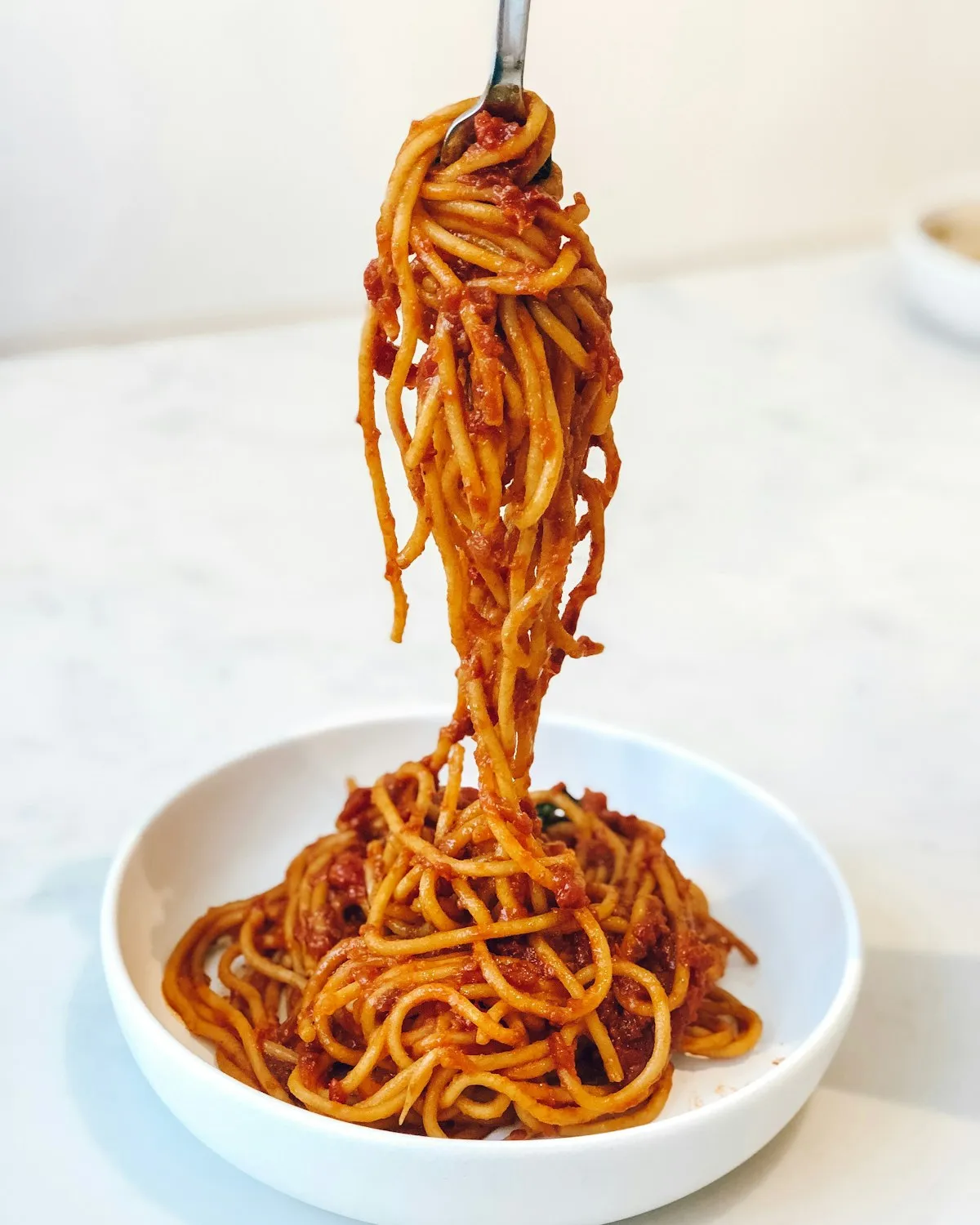
Let’s be honest: lasagna is the ultimate comfort food, but it’s also a total logistical nightmare. Between boiling the noodles, simmering a sauce for three hours, and then scrubbing that baked-on cheese off a rectangular glass dish, you’re basically signing up for a part-time job. That’s why I’ve pivoted. I want the soul of the dish without the heavy lifting. This skillet version is my secret weapon for those nights when the kitchen feels like a battlefield and I just want something warm, cheesy, and impressively effortless.
The Physics of One-Pan Pasta
You might be wondering how we get that classic lasagna texture without the traditional layering and baking. It all comes down to the science of starch and hydration. When you boil pasta in a massive pot of water, you’re essentially washing away the starches that could be helping your sauce. In a skillet, however, those starches stay right where they belong. As the broken noodles simmer directly in the liquid, they release amylose and amylopectin into the sauce, creating a natural thickening agent. This transforms a basic tomato base into a velvety, rich coating that clings to every ruffle of the pasta.
To master this technique, focus on your liquid-to-solid ratio. Think of the skillet as a small ecosystem. If the heat is too high, the water evaporates before the pasta can absorb it, leaving you with crunchy shards and a scorched pan. Keep the simmer low and steady. Use a heavy-bottomed skillet, cast iron is brilliant here because it retains heat so evenly, preventing those annoying "hot spots" that turn your dinner into carbon.
Another non-negotiable is the Maillard reaction. Don’t just toss your aromatics and meat into the pan and hope for the best. Brown them aggressively. That deep, caramelized crust on your ground protein or mushrooms is where the complexity lives. Without it, you’re just eating boiled meat in red water. Once you’ve achieved that browning, deglaze the pan with your liquid to scrape up all those flavorful bits. It’s the difference between a "fine" meal and one that makes people ask for seconds.
When it comes to the ricotta, temperature is your best friend. Ricotta doesn't "melt" like mozzarella; it softens and "blooms." By dolloping cold ricotta into the bubbling sauce at the very end, you create a temperature contrast that keeps the cheese fluffy rather than grainy. If you stir it in completely, you lose those beautiful white swirls that define this dish. Leave it in distinct clouds, cover the pan, and let the residual steam do the work. It’s one of those quick family meals that looks like it took hours but actually respects your time.
Mixing Up Your Midweek Routine
While the classic meat and tomato combo is a winner, don't let your creativity stop at the edge of the skillet. The beauty of this method is its adaptability. For those looking for healthy dinner ideas, try a version packed with leafy greens. Folding in three or four cups of fresh spinach at the very end, just until it wilts, adds a massive nutrient boost without changing the flavor profile of the sauce.
If you’re craving something punchier, swap out the standard ground beef for spicy Italian sausage or even chorizo. The fats from the sausage will meld with the tomato acidity in a way that’s almost addictive. For a "white" version of this skillet dream, skip the red sauce entirely. Use a base of heavy cream, chicken stock, and plenty of Parmesan. Add some roasted garlic and perhaps some shredded rotisserie chicken. It’s a decadence that feels earned after a long day.
For my plant-based friends, roasted eggplant and zucchini can stand in for the meat, providing that necessary bulk and texture. Just ensure you roast them separately first to remove excess moisture; otherwise, your skillet will turn into a soggy mess. Variety is what keeps home cooking from feeling like a chore, and this template is robust enough to handle almost any ingredient swap you throw at it.
The Perfect Supporting Cast
Because this dish is inherently rich and cheese-forward, your side dishes need to provide a sharp counterpoint. You want acidity and crunch to cut through all that creamy ricotta and savory sauce. A simple arugula salad is my go-to. Toss it with nothing more than fresh lemon juice, a splash of high-quality olive oil, and some flaky sea salt. The peppery bite of the greens acts as a palate cleanser between bites of cheesy pasta.
If you’re feeding a crowd that demands carbs with their carbs, garlic bread is the obvious choice. But don't settle for the frozen stuff. Slice a baguette, rub it with a raw garlic clove, and toast it in the pan while the lasagna rests. It’s efficient and keeps the "one-pan" philosophy alive.
When I’m planning my week and looking for air fryer recipes dinner options to round out the menu, I often use the air fryer to roast some broccoli or asparagus to serve alongside this skillet. The charred, crispy edges of air-fried veggies provide a fantastic textural contrast to the soft, tender lasagna noodles. It keeps the meal balanced and prevents that "heavy" feeling that sometimes follows a pasta night.
Common Culinary Conundrums
Why are my noodles still hard after 20 minutes?
This usually comes down to "nesting." If you don't stir the broken noodles occasionally during the first few minutes, they tend to stick together in flat layers. When they’re stuck, the liquid can’t reach the center, leaving you with a literal "pasta brick." Break the noodles into smaller pieces than you think you need, about 1 to 2 inches, and make sure they are fully submerged in the bubbling liquid.
Can I use no-boil lasagna sheets?
Absolutely, and in fact, they often work better in a skillet because they are thinner and hydrate faster. However, because they are designed to absorb liquid quickly, you might find your sauce disappearing faster than expected. Always keep a cup of extra stock or water nearby and add it a splash at a time if the pan looks dry before the pasta is tender.
My sauce is too watery! What did I do wrong?
Patience is the key ingredient here. If the pasta is cooked but the sauce is thin, remove the lid and let it simmer vigorously for two or three minutes. The evaporation will concentrate the flavors and thicken the consistency. Remember that the dish will continue to thicken as it rests for five minutes off the heat. Don't rush the "rest", it’s when the starches fully set.
How do I prevent the bottom from burning?
If you aren't using a heavy skillet, the heat from your burner can be too direct. Use a lower flame and stir more frequently. Pushing the pasta around ensures that no single noodle is stuck to the hot surface for too long. If you're worried about cleanup, check out some of our other quick family meals that use similar one-pot techniques to save your scrubbing arm.
What if I want a crispy cheese top?
Since we're cooking on the stovetop, you won't get that oven-baked crust naturally. If your skillet is oven-safe (like cast iron or stainless steel), you can pop it under the broiler for 60 seconds at the very end. Just keep a close eye on it, the transition from "golden brown" to "burnt offering" happens in the blink of an eye. This is a great alternative to traditional air fryer recipes dinner hacks when you want that specific broiled finish.
Is this a good option for healthy dinner ideas?
Yes, if you manage your portions and ingredients. By using whole wheat lasagna noodles, you increase the fiber content significantly. You can also lean heavily into the "sauce" by adding pureed carrots or bell peppers into the tomato base, sneaking in extra vegetables without changing the "soulful" nature of the meal. Cooking at home is always the healthiest option because you control the salt and the quality of the fats.
Now, stop overthinking it. Grab that skillet, break those noodles, and get to work. You're only thirty minutes away from a meal that tastes like Sunday dinner on a Tuesday night.