Recipe
Servings
Servings 1×
Ingredients
- Lentils
- Chickpeas
- Orzo
- Pasta
- Noodles
- Spinach
- Kale
- Onion
- Garlic
- Lemon
- Coconut milk
- Cream
- Hard cheese
- Chili seasoning
- Salt
- Black pepper
Method
- Start by sweating your aromatics.
- Use a heavy-bottomed pot to ensure even heat distribution.
- Use low-to-medium heat and stir frequently to prevent the pasta from sticking to the bottom of the pot.
- Use your favorite gluten-free lasagna sheets.
- Stir it in at the very last second, or better yet, top each individual bowl so the cheese melts purely from the heat of the broth.
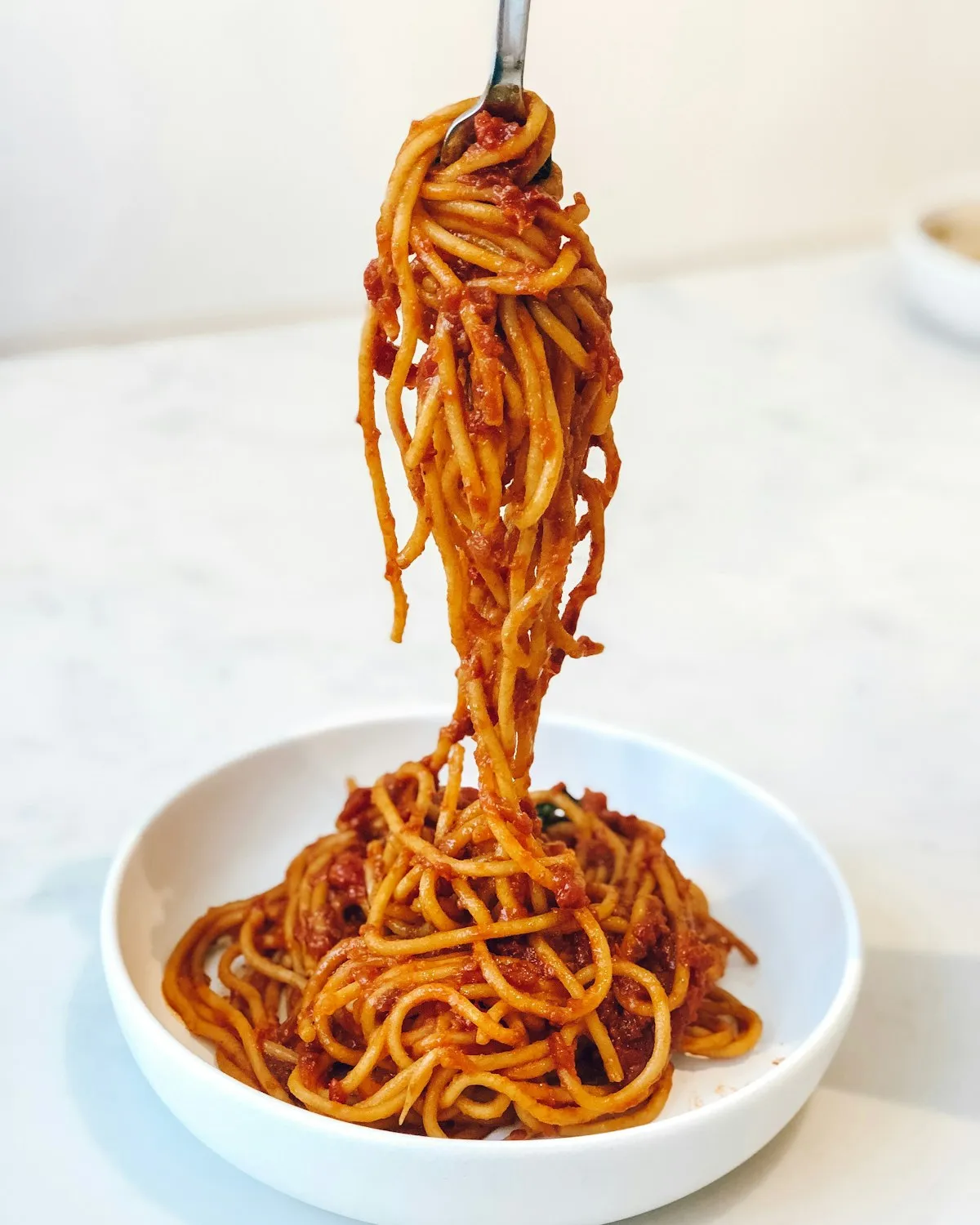
If you love lasagna but hate the mountain of dishes and the hour-long bake time, I have the ultimate solution for you. My one-pot vegetarian lasagna soup delivers every ounce of that cheesy, tomatoey comfort without the structural engineering of traditional layers. It is the definition of one pot meals: efficient, soulful, and ready in a fraction of the time. Grab your favorite Dutch oven and get ready to transform a classic Italian feast into a weeknight staple that actually fits your schedule.
The Science of the Perfect Simmer
The magic of this soup lies in the "one pot" philosophy, but there is a bit of science involved to ensure you don't end up with a pot of red mush. When you cook pasta directly in the soup base, the noodles release starches into the broth. In a traditional boiled pasta situation, you drain those starches away. Here, we keep them, which creates a velvety, thick mouthfeel that mimics the richness of a baked lasagna.
Start by sweating your aromatics. Use a heavy-bottomed pot to ensure even heat distribution. Sauté your onions and garlic until they are translucent, not browned. If you burn the garlic, the bitterness will haunt the entire batch, so keep the heat moderate. Once the base is soft, introduce your tomato paste. This is a non-negotiable step: cook the paste for at least three minutes until it turns a deep brick red. This caramelizes the sugars and removes that "tinny" raw tomato taste, providing a foundation of umami that makes healthy dinner ideas taste much more decadent than they actually are.
When it comes to the noodles, avoid the urge to use pre-cooked or "no-bake" varieties. Standard dried lasagna sheets are your best friend here. Break them into irregular, bite-sized pieces. This increases the surface area, allowing the noodles to grab onto the sauce while releasing just enough starch to thicken the broth. Maintain a gentle, consistent simmer, not a violent boil. A rolling boil will beat the noodles into submission, causing them to break down and turn gummy. Use low-to-medium heat and stir frequently to prevent the pasta from sticking to the bottom of the pot.
The final scientific secret? Residual heat. Turn off the burner when the noodles are just shy of al dente. The soup is incredibly hot and will continue to cook the pasta as you carry the pot to the table. This prevents the "soggy noodle" syndrome that plagues many quick family meals.
Flavor Shifts and Creative Variations
One of the reasons I love this recipe is how easily it adapts to what is lurking in your crisper drawer. While the classic version focuses on traditional Italian herbs, you can easily pivot the profile. For a heartier, protein-packed version, stir in a cup of cooked brown lentils or a can of drained chickpeas. These add a fantastic chew that mimics the texture of ground meat without sacrificing the vegetarian integrity of the dish.
If you want to lean into the "greens" aspect of healthy dinner ideas, don't stop at spinach. Chard or kale work beautifully here, though they need to be added a few minutes earlier than spinach to ensure they soften properly. For a spicy kick, double the amount of red pepper flakes or stir in a spoonful of Calabrian chili paste during the tomato paste stage.
For my vegan friends, skip the ricotta and mozzarella in favor of a cashew-based cream or a generous dusting of nutritional yeast. You can even stir in some full-fat coconut milk at the very end to achieve that signature creamy texture without the dairy. If you are looking for more quick family meals that use similar pantry staples, check out the resources at Cookpedia for inspiration.
Perfect Pairings for Balance
Because this soup is rich, acidic, and quite heavy on the carbs, you need side dishes that provide a sharp contrast. A simple arugula salad is my go-to. The peppery bite of the greens and a sharp lemon vinaigrette cut right through the richness of the melted cheese and pasta. Avoid heavy, creamy dressings; you want acidity to wake up your palate between spoonfuls of soup.
If you absolutely must have more carbs (and let’s be honest, we usually do), skip the soft rolls and go for something with a serious crunch. Toasted sourdough rubbed with a raw garlic clove provides the perfect vessel for soaking up the remaining broth. For a more modern twist, you could even try some of our air fryer recipes dinner techniques to make quick parmesan crisps or seasoned pita chips that add a necessary textural element to the meal.
Troubleshooting Your One-Pot Masterpiece
What if my soup gets too thick?
Pasta is a sponge. If you let the soup sit for even twenty minutes, those noodles will continue to drink the broth. If it starts looking more like a pasta dish than a soup, simply splash in a little more vegetable broth or warm water. Adjust the salt and pepper accordingly to keep the flavors bright.
Can I use different types of pasta?
Technically, yes, but you’ll lose the "lasagna" soul of the dish. Rotini or farfalle work in a pinch because they have nooks and crannies for the sauce, but the flat, wide texture of broken lasagna noodles is what really makes this feel like the real deal. Avoid tiny shapes like orzo, as they will disappear into the broth and turn the whole thing into a thick porridge.
How do I store and reheat leftovers?
This is where science gets tricky. If you plan on having leftovers, I actually recommend cooking the noodles separately and adding them to individual bowls. If you store the noodles in the soup overnight, they will become very soft. If you already have leftovers mixed together, reheat them gently on the stove with an extra splash of broth to loosen things up. Avoid the microwave if possible, as it tends to overcook the pasta in some spots while leaving others cold.
Is there a way to make this gluten-free?
Absolutely. Use your favorite gluten-free lasagna sheets. Just be aware that gluten-free pasta tends to release more starch and can break down faster. Check the noodles at the 8-minute mark and be ready to pull the pot off the heat immediately once they reach your desired texture.
Why is my cheese clumping instead of melting?
If you are using pre-shredded cheese from a bag, it is likely coated in potato starch or cellulose to prevent sticking in the package. This coating also prevents it from melting smoothly into your soup. For the best "cheese pull," buy a block of mozzarella and grate it yourself. Stir it in at the very last second, or better yet, top each individual bowl so the cheese melts purely from the heat of the broth. Explore more air fryer recipes dinner and stovetop tips on our main site at Cookpedia to level up your kitchen game!