Recipe
Servings
Servings 1×
Ingredients
- Steak
- Rice
- Potatoes
- Greens
- Avocado
- Tomatoes
- Onion
- Garlic
- Lemon
- Lime
- Chili seasoning
- Salt
Method
- Prepare the ingredients described in the article and heat the cooking surface or oven as directed.
- Cook the main ingredients using the heat and timing guidance in the article.
- Finish with the seasonings and garnishes named in the article, then serve.
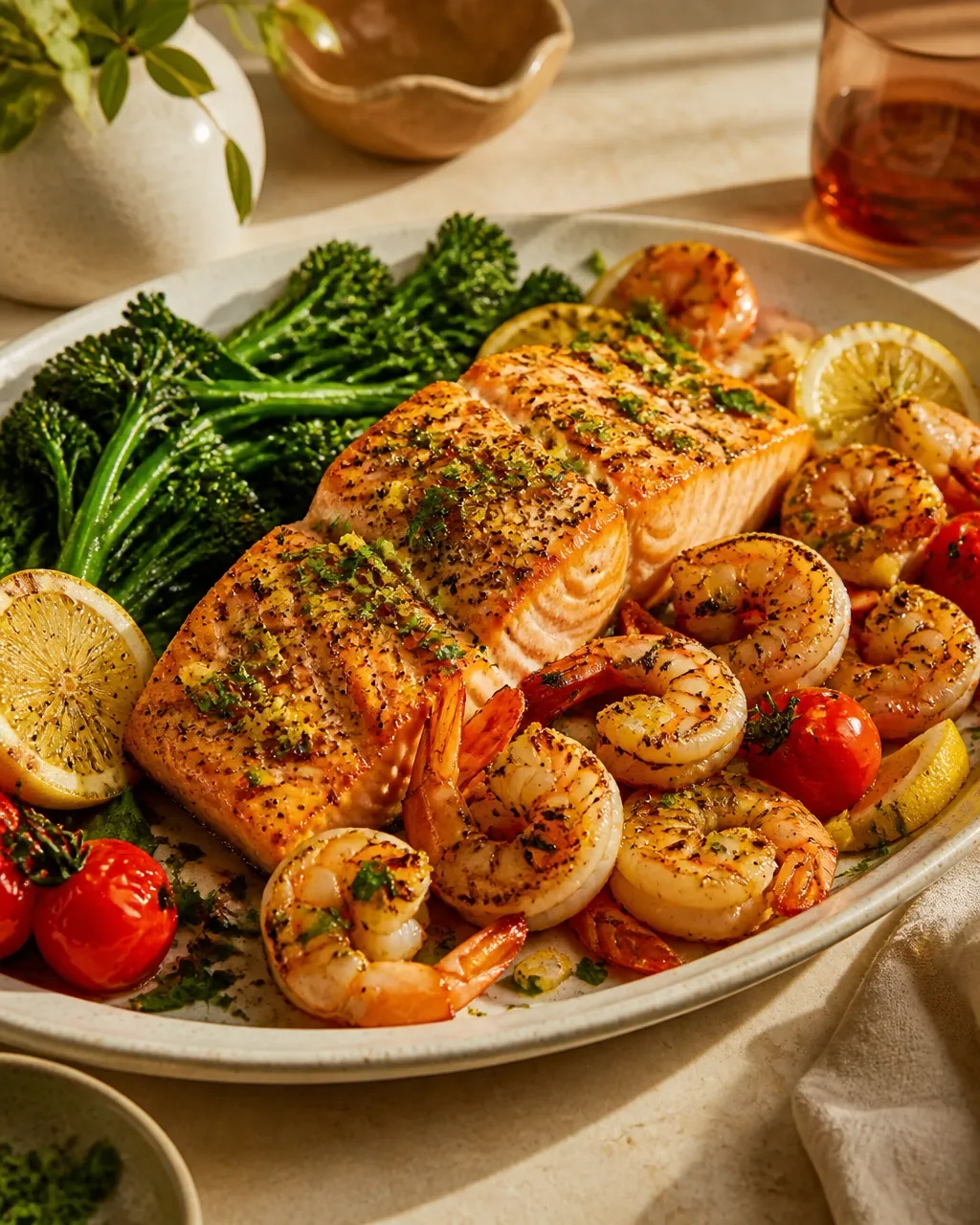
There is something about the combination of smoky, charred fish and cold, citrusy fruit that just screams summer. If you are looking for healthy dinner ideas that don't require you to hover over a hot stove for an hour, you have hit the jackpot. This grilled tilapia with mango salsa is my go-to when I want a meal that feels like a tropical vacation but takes about as much effort as making a sandwich. It is light, bright, and incredibly satisfying.
The Science of the Perfect Sear
When you are dealing with a lean white fish like tilapia, you are essentially working with a delicate lattice of protein and water. Unlike a fatty steak, tilapia has very little connective tissue or intramuscular fat to protect it from the heat. This is why the science of "conduction" is your best friend or your worst enemy.
First, understand that protein denaturation happens fast. As soon as that fillet hits the heat, the proteins begin to uncoil and rebond, squeezing out moisture like a wrung-out sponge. To prevent your dinner from turning into a dry piece of balsa wood, you must use high, direct heat for a very short duration. This creates a quick Maillard reaction: that beautiful browning on the outside: without giving the heat enough time to migrate to the center and vaporize all the internal juices.
Stop checking the fish every thirty seconds. If you try to flip it too early, the proteins will still be physically bonded to the grill grates. This is called "adhesion," and it is the enemy of a clean plate. Wait for the fish to naturally release. When the proteins on the surface have sufficiently coagulated and charred, they will pull away from the metal on their own. Use a thin, flexible metal spatula, and don't force it. If it sticks, give it another thirty seconds.
Now, let’s talk about the salsa. Creating a perfect mango salsa isn't just about throwing fruit in a bowl; it’s about "osmotic balance." When you salt your mango and red onion, you are drawing out a small amount of juice. This juice mixes with the lime juice to create a concentrated dressing that coats every single cube of fruit. The citric acid in the lime doesn't just add flavor; it actually "cooks" the raw red onion slightly, mellowing its harsh bite through a process of mild acid-denaturation. This ensures the onion complements the mango rather than overpowering it. For those looking for quick family meals, this salsa can even be made a few hours ahead, allowing the flavors to macerate and deepen.
Flavor Variations to Keep it Fresh
While mango is the classic choice, the architecture of a good fruit salsa is flexible. You can swap the mango for pineapple or even peaches depending on what is in season. The key is to maintain the ratio of sweet (the fruit), acidic (the lime), pungent (the onion), and heat (the chili). If you prefer a bit of a kick, leave the seeds in your jalapeño. The capsaicin: the compound responsible for the heat: is concentrated in the white pith and seeds.
If you aren't in the mood to fire up the outdoor grill, you can certainly take this indoors. While this post focuses on the grill, I have found that a hot cast-iron skillet or even some specific air fryer recipes dinner enthusiasts might suggest can yield great results if you focus on that high-heat, short-time rule.
For a Mediterranean twist, swap the mango for chopped tomatoes and cucumbers, and replace the lime with lemon juice and a splash of red wine vinegar. The principle remains the same: you want a cold, acidic "relish" to cut through the earthy, mild flavor of the tilapia. You could also experiment with dry rubs on the fish itself. A dusting of cumin, smoked paprika, and garlic powder creates a "blackened" effect that pairs beautifully with the sweetness of the fruit.
Pairing for a Balanced Plate
When pairing sides with grilled tilapia, think about texture and "palate cleansing." Since the fish and salsa are quite soft and juicy, you want something with a bit of bite. A simple lime-cilantro rice is the gold standard here. The grains absorb the extra juices from the salsa, ensuring not a drop of flavor is wasted.
If you want to keep things on the lighter side, a crunchy slaw made with shredded cabbage and a light vinegar dressing provides a necessary structural contrast. Avoid heavy, creamy sauces or sides like mashed potatoes; they will overwhelm the delicate nature of the tilapia. You want your sides to act as a supporting cast, not the lead actor. A few slices of fresh avocado can add a hit of healthy fats that satisfy the "mouthfeel" requirement that lean fish sometimes lacks. This is one of those healthy dinner ideas that feels indulgent without leaving you feeling sluggish.
Frequently Asked Questions
What if I only have frozen tilapia?
You can absolutely use frozen fillets, but you must thaw them completely and, most importantly, pat them bone-dry. Any surface moisture on the fish will turn into steam the moment it hits the grill. Steam prevents the Maillard reaction from occurring, meaning you'll end up with grey, mushy fish instead of a golden, charred crust. Science doesn't lie: moisture is the enemy of the sear.
Can I use a different type of fish?
Yes! Any thin, white fish will work with this technique. Cod, haddock, or even snapper are great substitutes. Keep in mind that thicker fillets like cod will require a few extra minutes of cooking time. If you’re looking for more inspiration, check out our Salmon Pasta Bowl or other quick family meals on the blog to see how different proteins behave under heat.
Why is my mango salsa so watery?
If your salsa is swimming in liquid, you likely chopped your fruit too small or let it sit for more than four hours. As the salt and acid sit on the fruit, they continue to break down the cell walls, releasing more water. For the best texture, chop your ingredients into uniform 1/4-inch cubes and serve within an hour or two of assembly.
Should I leave the skin on?
Tilapia is usually sold skinless, which makes it easier for quick family meals but a bit trickier on the grill. If you happen to find skin-on tilapia, keep it! The skin acts as a protective barrier and becomes incredibly crispy when grilled. Just remember to grill skin-side down first to get that crunch.
How do I know when the fish is actually done?
Use the "flake test." Gently press a fork into the thickest part of the fillet and twist slightly. If the meat separates easily along the natural lines (the myotomes), it is done. The internal temperature should be around 145°F (63°C). Don't overcook it! Tilapia goes from "perfect" to "pencil eraser" in about sixty seconds.
For more simple and soulful inspiration, browse our full collection of healthy dinner ideas and master the art of the weeknight win. Happy grilling!