Recipe
Servings
Servings 1×
Ingredients
- Pasta
- Potatoes
- Cauliflower
- Asparagus
- Avocado
- Garlic
- Lemon
- Hard cheese
- Butter
- Cooking oil
- Chili seasoning
- Black pepper
Method
- Let’s get into the science of why this works so you can nail it on the first try.
- Use paper towels to press down on them firmly.
- Let them sit on a fresh layer of towels for at least ten minutes.
- Heat your oil until it’s shimmering and just starting to show a tiny wisp of smoke.
- Use an oil with a high smoke point, like avocado or grapeseed oil.
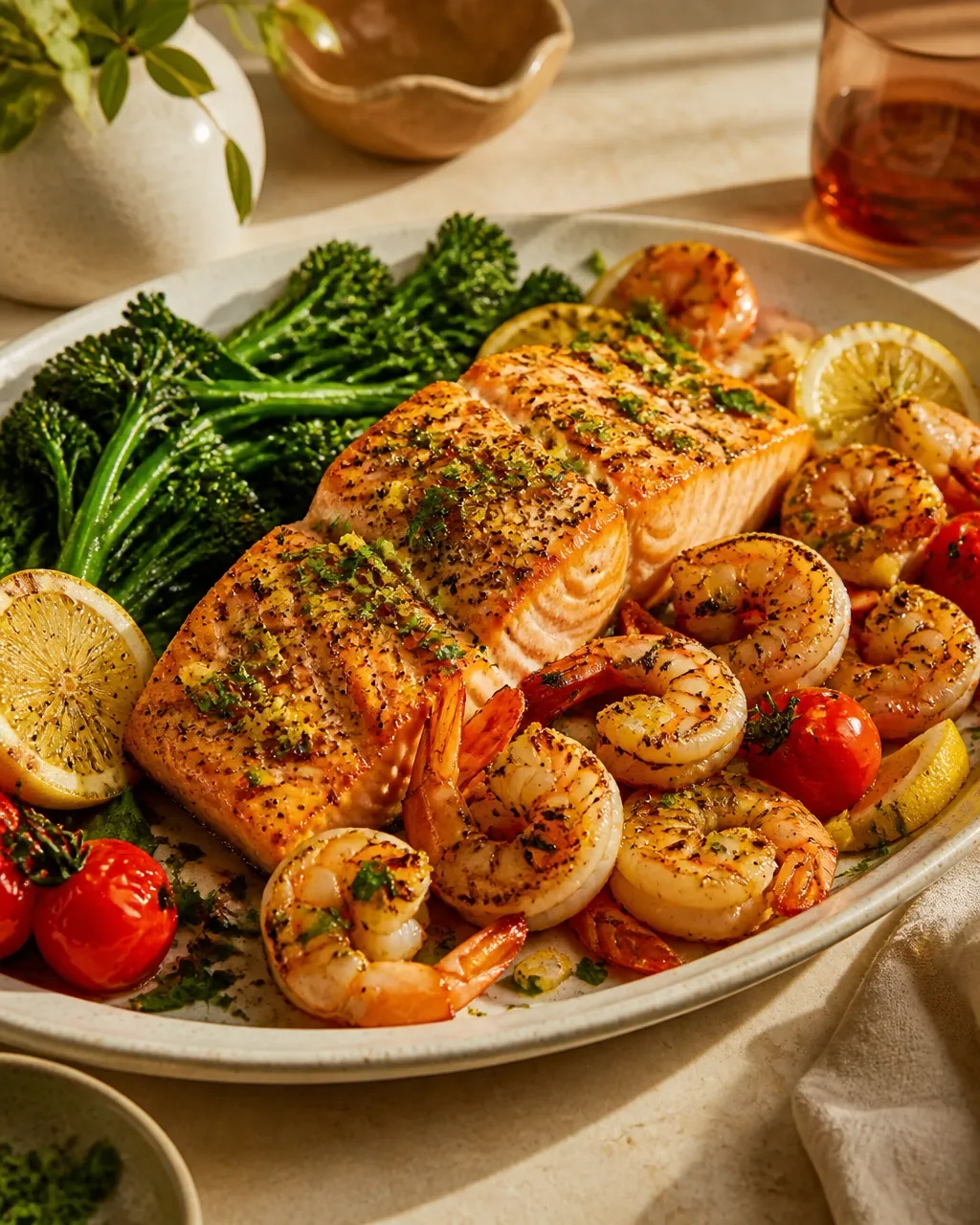
If you think a luxury dinner requires hours of slaving over a hot stove, I’m here to tell you that you’ve been misled. I’m a huge fan of 15 minute meals that feel like they belong on a white tablecloth, and nothing fits that bill better than perfectly seared scallops. We’re talking about tender, buttery gems with a crust so golden it looks like it was painted on. It’s the ultimate kitchen flex: minimal effort, maximum impact. Whether you’re trying to impress a date or just want to treat yourself after a long Tuesday, these lemon garlic butter scallops are your new best friend. Let’s get into the science of why this works so you can nail it on the first try.
The Science of the Perfect Sear
To get that restaurant-quality crust, you need to understand the Maillard reaction. This is the chemical dance between amino acids and reducing sugars that happens when you hit high heat. Scallops are unique because they are packed with sweet-tasting glycogen. When that glycogen hits a screaming-hot pan, it caramelizes into a deep, savory crust. However, moisture is the enemy of the Maillard reaction. If your scallops are wet, the heat from the pan will go toward evaporating the water rather than searing the meat. You’ll end up with sad, rubbery, steamed scallops instead of the golden prizes you deserve.
First, you must choose "dry-packed" scallops. Most grocery stores sell "wet" scallops, which have been soaked in a solution of sodium tripolyphosphate. This makes them absorb water (so they weigh more, and you pay more) and prevents them from ever getting a proper sear. Always ask for dry scallops. Once you get them home, don't just give them a quick pat. Use paper towels to press down on them firmly. Let them sit on a fresh layer of towels for at least ten minutes. You want the surface to feel tacky, not slippery.
Next, let’s talk about pan temperature. You aren't looking for "warm"; you’re looking for "dangerously hot." Use a heavy-bottomed skillet, cast iron or stainless steel is best because they hold heat like a champ. Heat your oil until it’s shimmering and just starting to show a tiny wisp of smoke. Use an oil with a high smoke point, like avocado or grapeseed oil. Save the butter for the end; if you put it in too early, the milk solids will burn before the scallops are even halfway done.
Once you place the scallops in the pan, follow the most important rule of the kitchen: do not touch them. Seriously, walk away. They need undisturbed contact with the heat to develop that crust. If you try to move them and they stick, they aren't ready to be flipped. When they release naturally, usually after about two minutes, flip them over. This is when the magic happens. Drop in a cold knob of butter and your smashed garlic cloves. As the butter foams, tilt the pan and spoon that liquid gold over the scallops. This "butter basting" finishes the cooking process gently while infusing every crevice with flavor. Aim for an internal temperature of about 115°F to 120°F for that melt-in-your-mouth texture.
Flavor Variations and Twists
While the lemon garlic butter combo is a classic for a reason, you can easily pivot this into several other quick family meals by switching up the aromatics. For a Mediterranean vibe, swap the parsley for fresh tarragon or oregano and add a splash of dry white wine to the pan right after flipping the scallops. The acidity of the wine cuts through the richness of the butter beautifully.
If you like a bit of heat, toss in some red pepper flakes or a spoonful of Calabrian chili paste when you add the butter. The spice balances the natural sweetness of the seafood perfectly. For those looking for healthy dinner ideas, you can actually reduce the butter significantly and finish the dish with a high-quality extra virgin olive oil and a heavy squeeze of charred lemon. If you are adventurous with kitchen gadgets, you might even look into air fryer recipes dinner alternatives for side dishes, though I firmly believe the pan is the only place a scallop belongs for that specific crust.
Perfect Side Dish Pairings
Because scallops are so rich and buttery, you want sides that provide a sharp contrast. Think bright, acidic, or crunchy. A pile of blanched asparagus with a squeeze of lemon is a classic for a reason, it’s clean and doesn't distract from the main event. If you want something heartier, a light arugula salad with shaved parmesan and a simple vinaigrette provides a peppery bite that cleanses the palate between bites of seafood.
For those who want to soak up every drop of that garlic butter sauce (and you definitely should), a piece of crusty sourdough or a small serving of angel hair pasta is essential. If you’re keeping things on the lighter side of healthy dinner ideas, try serving them over a bed of cauliflower purée. The creamy texture of the cauliflower mimics the silkiness of the scallops without the heaviness of traditional mashed potatoes.
Frequently Asked Questions (FAQ)
Can I use frozen scallops for this?
Yes, but you have to be meticulous. Thaw them completely in the refrigerator overnight. Once thawed, they will hold significantly more moisture than fresh scallops. You’ll need to spend extra time patting them dry and potentially even let them sit uncovered in the fridge for an hour to air-dry the surface. If they are still "leaking" water in the pan, you won't get a sear.
Why did my scallops turn out rubbery?
Overcooking is the number one culprit. Scallops cook incredibly fast, usually in under five minutes total. If they feel firm like a well-done steak, they’re overdone. They should have a slight "give" when pressed, similar to the feel of your palm just below your thumb. Pull them off the heat the moment they reach 115°F; the residual heat will carry them to the perfect 125°F finish.
Do I really need to remove the "foot"?
Yes. Look for the small, tough muscle on the side of the scallop. It’s called the abductor muscle, and it stays tough even after cooking. It’s not harmful to eat, but it’s like chewing on a rubber band. Simply pinch it and peel it away before you start the drying process.
Can I make these ahead of time?
I’m going to be firm on this one: no. Scallops are meant to be eaten immediately. As they sit, the carry-over cooking continues, and that beautiful crispy crust will soften and go soggy. Since these are 15 minute meals, there’s really no reason to prep them too far in advance. Have your sides ready, then sear the scallops at the very last second.
What if I don't have a cast iron skillet?
A stainless steel pan is your next best bet. Avoid non-stick pans if you can. Non-stick coatings aren't designed for the high heat required for a proper sear, and you’ll never get that deep mahogany crust in a Teflon pan. If non-stick is all you have, make sure the scallops are exceptionally dry and don't crowd the pan.
Are scallops actually healthy?
Absolutely. They are a fantastic source of lean protein and are rich in minerals like magnesium and potassium. By focusing on a "real food" approach with fresh garlic, lemon, and a controlled amount of butter, you’re creating one of the best quick family meals that satisfies cravings without the junk. For more inspiration on accessible home cooking, check out our other guides at Cookpedia.