Recipe
Servings
Servings 1×
Ingredients
- Salmon
- Quinoa
- Pasta
- Broccoli
- Asparagus
- Garlic
- Lemon
- Honey
- Cream
- Feta
- Butter
- Cooking oil
- Soy sauce or tamari
- Chili seasoning
Method
- Prepare the ingredients described in the article and heat the cooking surface or oven as directed.
- Cook the main ingredients using the heat and timing guidance in the article.
- Finish with the seasonings and garnishes named in the article, then serve.
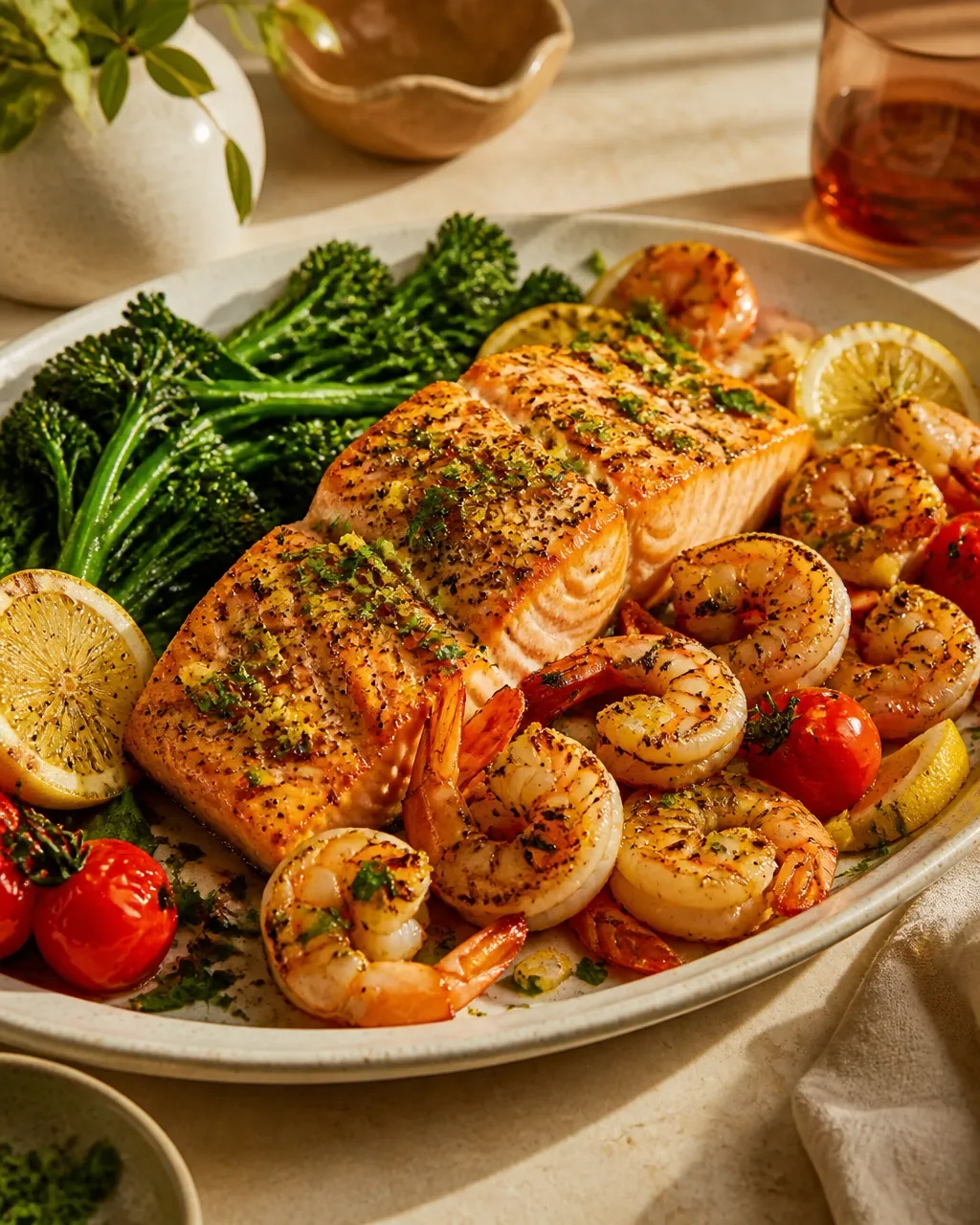
Let’s be honest: by the time Tuesday evening rolls around, the last thing anyone wants to do is spend an hour hovering over a hot stove. You want something fast, something impressive, and something that doesn’t leave you with a mountain of dishes. Enter my 15-minute garlic butter salmon bites. These little nuggets of joy are the ultimate answer to your search for quick family meals that actually taste like they came from a bistro. They’re crispy, buttery, and packed with flavor, making them one of those healthy dinner ideas that your kids will actually ask for twice.
The Science of the Perfect Sear
When it comes to 15 minute meals, speed often comes at the cost of texture. Not here. To get that restaurant-quality crust on salmon cubes, you need to understand the Maillard reaction. This is the chemical reaction between amino acids and reducing sugars that gives browned food its distinctive flavor. Because salmon is high in fat and protein, it’s a prime candidate for this process.
First, you must address the enemy of the sear: moisture. If your salmon cubes are damp when they hit the pan, that moisture will turn to steam. Instead of searing, your fish will effectively poach in its own juices, resulting in a rubbery texture rather than a crisp one. Use a paper towel and press down firmly on the salmon before it even touches the skillet.
Temperature is your next non-negotiable. Don't even think about putting that fish in a cold pan. You want your skillet, preferably cast iron for its superior heat retention, to be shimmering hot. When the cold salmon hits the hot fat, it causes the proteins to contract and brown instantly. This "seals" the exterior while keeping the fatty interior tender.
Finally, let’s talk about the butter. If you add butter at the very beginning, the milk solids will burn before the salmon is finished. Instead, sear the salmon in a high-smoke-point oil first. Only in the final two minutes should you drop in the butter and garlic. This technique, known as "basting," allows the fat-soluble compounds in the garlic to infuse the butter, which then coats the salmon in a rich, aromatic glaze without the bitterness of burnt garlic.
Swaps, Flips, and Flavor Variations
One of the reasons this recipe is a staple in my kitchen is its incredible versatility. While the garlic butter base is a classic, you can easily pivot based on what’s in your pantry. If you’re looking to lighten things up even further, consider turning this into one of your go-to air fryer recipes dinner options. Simply toss the cubes in a tiny bit of oil and seasonings, then air fry at 400°F (200°C) for about 6-8 minutes, tossing halfway through. You lose the heavy butter basting, but you gain a fantastic crunch.
For a Mediterranean twist, swap the parsley for fresh oregano and add a handful of kalamata olives and feta cheese right at the end. The saltiness of the feta cuts through the richness of the salmon beautifully. If you’re craving something with a bit of a kick, a teaspoon of chili flakes or a drizzle of sriracha honey transformed these bites into a sweet-and-spicy masterpiece.
If you're following a specific dietary path, like the keto or plant-based options we often discuss at Cookpedia, you can substitute the butter with a high-quality vegan butter alternative or even ghee for a deeper, nuttier profile. The goal is always high-impact flavor with minimal effort.
Perfect Pairings for a Balanced Plate
To turn these salmon bites into a complete meal, you need sides that provide contrast. Since the salmon is rich and buttery, you want something with acidity or a bit of "snap" to balance the palate.
A simple lemon-arugula salad is my favorite pairing. The peppery bite of the arugula and the sharp citrus dressing act as a "reset" for your taste buds between bites of fish. For something heartier, serve the salmon over a bed of garlic-infused quinoa or even a creamy pasta like the ones we feature in our soulful recipe collection.
If you have an extra ten minutes, roasted asparagus or steamed broccolini with a splash of soy sauce complements the garlic profile perfectly. Avoid heavy, cream-based sides; you already have the butter sauce on the fish, and doubling down on heavy fats can make the meal feel sluggish rather than energizing.
Troubleshooting Your Salmon Bites: The FAQ
What if my salmon sticks to the pan?
This usually happens for two reasons: either the pan wasn't hot enough when you started, or you're trying to flip the fish too early. Salmon has a "self-release" mechanism. Once the crust has properly formed through the Maillard reaction, the fish will naturally pull away from the surface of the pan. If you feel resistance, wait another 30 seconds.
Can I use frozen salmon for this?
Yes, but with a caveat. You must ensure the salmon is completely thawed and, more importantly, patted extremely dry. Frozen fish tends to release more water during the thawing process. If you don't get that moisture off, you'll end up with "salmon soup" instead of seared bites.
Why did my garlic turn bitter?
Garlic burns very quickly because of its high sugar content and small surface area when minced. If your pan is still at a searing-high heat when you add the garlic, it will scorch in seconds. Always turn the heat down to medium-low before adding your aromatics. Science tells us that flavor extraction happens best in warm fat, not scorching fat.
Can I make this as part of my meal prep?
While salmon is best eaten fresh, these bites hold up surprisingly well. Store them in an airtight container for up to two days. To reheat, avoid the microwave: it will turn the fish into rubber. Instead, flash-fry them in a pan for 60 seconds or pop them in the air fryer to restore that signature crunch. It's one of the most reliable quick family meals for a busy Wednesday lunch.
My salmon is white on the outside, is that okay?
That white stuff is called albumin. It’s a protein that pushes to the surface when the muscle fibers contract. While it’s perfectly safe to eat, it usually indicates the fish was cooked a bit too fast or too long. To minimize this, don't overcook your bites; they only need about 2-3 minutes per side.
Home cooking doesn't have to be a chore. By focusing on simple techniques: like drying your protein and managing your pan temperature: you can create healthy dinner ideas that rival any high-end restaurant. These garlic butter salmon bites are proof that with just 15 minutes and a few "real food" ingredients, you can serve a meal that is both soulful and incredibly satisfying. Now, get that skillet hot and start searing!