Recipe
Servings
Servings 1×
Ingredients
- Steak
- Cod
- Potatoes
- Asparagus
- Spinach
- Lemon
- Lime
- Coconut milk
- Butter
- Cooking oil
- Curry spices
- Salt
- Black pepper
Method
- Prepare the ingredients described in the article and heat the cooking surface or oven as directed.
- Cook the main ingredients using the heat and timing guidance in the article.
- Finish with the seasonings and garnishes named in the article, then serve.
You know those nights when you stare into the fridge for ten minutes, only to end up ordering takeout that arrives cold forty minutes later? We’ve all been there. But let me tell you, there is a better way. My 15-minute lemon butter white fish is the ultimate secret weapon for your kitchen arsenal. It is elegant enough to serve to guests but fast enough to qualify as one of those quick family meals you can pull off on a Tuesday between soccer practice and homework. It’s light, zesty, and honestly feels like a hug on a plate.
The Physics of Flakiness and the Emulsion Secret
When you are cooking delicate white fish, think cod, tilapia, or halibut, you are dealing with a protein structure that is incredibly sensitive to heat. Unlike a thick steak that needs time to break down connective tissue, white fish consists of short muscle fibers called myotomes. These are held together by thin layers of collagen. The second that collagen reaches about 140°F (60°C), it dissolves, and your fish "flakes." If you go much further, those short fibers tighten up and squeeze out all their moisture, leaving you with something resembling a pencil eraser.
To prevent this, use a medium-high heat for the initial sear. This triggers the Maillard reaction, that beautiful browning on the surface, without overcooking the center. If you’re looking for healthy dinner ideas, this technique is vital because it builds deep flavor through chemistry rather than just piling on salt.
Now, let’s talk about that sauce. The real magic happens with the "cold butter technique." If you toss room-temperature butter into a hot pan, it simply melts into a puddle of yellow oil. That is not a sauce; that is a crime. To get that restaurant-style glossy coating, you must use chilled butter. When cold butter hits the warm lemon juice and pan drippings, you create a temporary emulsion. The milk solids and water in the butter are suspended in the fat, creating a thick, velvety texture that clings to the fish. Whisk continuously and keep the heat low during this stage. If the pan gets too hot, the emulsion "breaks," and you’re back to oily fish.
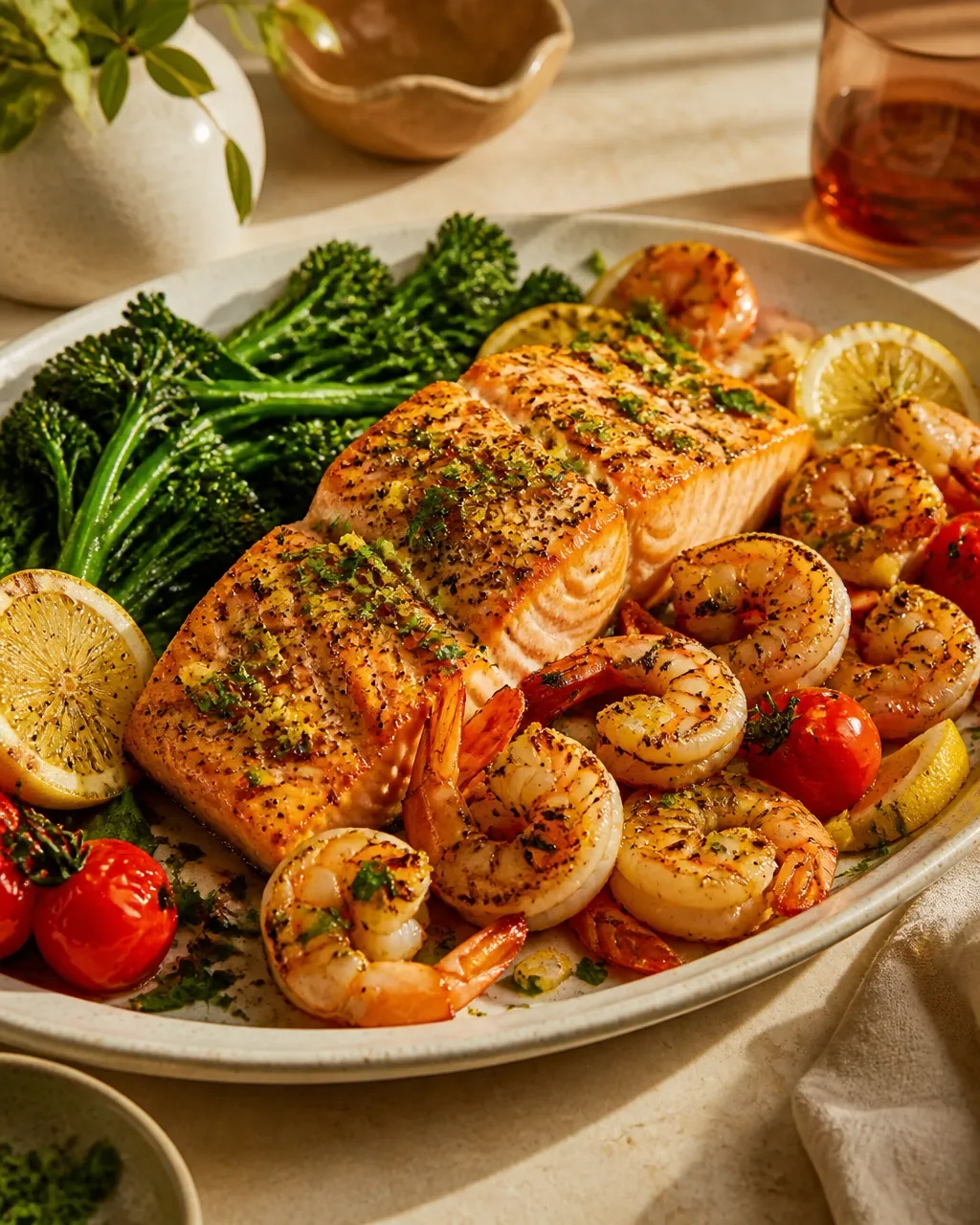
Avoid over-crowding your pan. If you pack the fillets in like sardines, the temperature of the pan drops too fast, and the fish will steam in its own juices instead of searing. This results in a grey, mushy texture that nobody wants. Give those fillets some breathing room. If you’re cooking for a larger crowd, work in batches. It adds a few minutes, but the difference in quality is non-negotiable.
Flipping the Script: Flavor Variations
Once you master the basic lemon butter foundation, you can start treating your kitchen like a laboratory. The acidity from the lemon is the "high note" of the dish, while the butter provides the "bass." You can shift the entire mood of these 15 minute meals by swapping out just one or two aromatic elements.
For a Mediterranean vibe, throw in a tablespoon of capers and some chopped parsley at the very end. The capers provide a briny, salty pop that cuts through the richness of the butter perfectly. If you want something with a bit of a kick, a pinch of red pepper flakes or a dash of smoked paprika during the searing process will add a beautiful color and a subtle warmth.
Want to go tropical? Swap the lemon for lime and add a splash of coconut milk instead of the final hit of butter. It transforms the dish into something reminiscent of a Thai coastal curry but keeps it within the realm of easy dinner recipes. Just remember: whatever you add, ensure it doesn't overpower the delicate flavor of the fish itself. White fish is a canvas, not a competitor.
Balancing the Plate: Side Dish Pairings
The beauty of a zesty, buttery main is that it calls for sides that can either soak up the sauce or provide a sharp contrast. I almost always reach for something green and something starchy.
A simple bed of sautéed spinach or roasted asparagus works wonders here. The slight bitterness of the greens acts as a foil to the fatty butter sauce. If you’re in the mood for something heartier, a quick couscous or a pile of garlicky mashed potatoes is the way to go. The starch acts as a sponge for every last drop of that liquid gold lemon butter.
If you're looking for more inspiration on how to build a full menu, check out our Cookpedia guide to celebratory meals where we pair proteins with vibrant salads. For those nights when you want something even more hands-off, you might even consider looking into air fryer recipes dinner options that can handle your veggie sides while you focus on the fish in the pan.
Frequently Asked Questions
Can I use frozen fish for this?
Absolutely, but you must thaw it completely first. If you put a frozen or semi-frozen fillet into a hot pan, the outside will burn before the inside even thinks about defrosting. Also, frozen fish tends to release more water. Pat it extremely dry with paper towels, and I mean extremely, otherwise, you'll end up poaching your fish in a watery mess instead of getting that crisp sear.
Why did my sauce turn out greasy and separated?
Your pan was likely too hot when you added the butter. The science of an emulsion requires a gradual temperature bridge. If the heat is too high, the fat separates from the milk solids instantly. If this happens, remove the pan from the heat, add a teaspoon of cold water or lemon juice, and whisk like your life depends on it. Sometimes you can save it; sometimes you just have to call it "rustic."
Is this recipe keto-friendly?
Yes! This is one of my favorite healthy dinner ideas for anyone on a low-carb or keto journey. You’re getting high-quality protein and healthy fats from the butter without any hidden sugars or grains. Just skip the potato side and go heavy on the roasted broccoli or a fresh arugula salad.
What is the best type of white fish to use?
"White fish" is a broad category. For this specific technique, look for fillets that are about an inch thick. Cod and haddock are fantastic because they have a large, meaty flake. Tilapia and swai are thinner and will cook much faster: closer to 2-3 minutes per side. If you use a thicker steak like halibut, you might need to finish it in the oven for a few minutes to ensure the center is opaque.
How do I know for sure the fish is done?
Use the "fork test." Insert a fork into the thickest part of the fillet and gently twist. If the meat resists or looks translucent/shiny in the center, it needs another minute. If it separates easily into layers and looks opaque, pull it off the heat immediately. Remember, "carry-over cooking" is real; the fish will continue to cook for a minute or two after you take it out of the pan.
If you enjoyed this fast-paced approach to the kitchen, you'll love my other guides on Cookpedia, ranging from 15-minute stir-fries to keto-friendly breakfasts. Keep it simple, keep it fresh, and for heaven's sake, keep that butter cold!