Recipe
Servings
Servings 1×
Ingredients
- Chicken
- Steak
- Beans
- Pasta
- Noodles
- Bread
- Potatoes
- Cauliflower
- Broccoli
- Asparagus
- Green beans
- Mushrooms
- Lemon
- Coconut milk
- Cream
- Butter
- Cooking oil
- Salt
Method
- Start by ignoring your instinct to dump oil into the pan immediately.
- Place your sliced mushrooms into a dry, hot skillet.
- Add a small splash of water and a pinch of salt.
- Use a ladle to reserve at least a cup of this water before you drain the noodles.
- Lower-fat dairy curdles more easily when exposed to high heat or acidic ingredients like wine or lemon.
- Cover the pan for a minute to let the steam loosen the noodles, then stir gently until warmed through.
There is a specific kind of magic that happens when you combine the earthy, umami-rich soul of a mushroom with the silky embrace of heavy cream. It’s the ultimate kitchen win: a dish that feels like it took hours of slow-simmering labor but actually comes together faster than most quick family meals. If you are looking for that perfect intersection of indulgence and efficiency, you’ve found it. This isn't just another pasta dish; it’s a masterclass in how a few humble pantry staples can transform into a restaurant-quality experience on your very own dining table.
The Science of the Sauté and the Secret of Starch
To get this dish right, you have to understand the mushroom. Most people treat mushrooms like vegetables, but they are closer to sponges. They are roughly 80–90% water and possess a unique structural component called chitin. Unlike the pectin in plants, chitin doesn’t break down easily with heat, which is why a mushroom stays pleasantly chewy rather than turning into mush. However, because they are so porous, they will drink up every drop of fat you put in the pan if you aren't careful, leaving you with greasy, flavorless fungi.
Mastery of the Maillard Reaction
Start by ignoring your instinct to dump oil into the pan immediately. Place your sliced mushrooms into a dry, hot skillet. Add a small splash of water and a pinch of salt. This sounds counterintuitive, but the water helps collapse the mushroom's internal structure and pushes out its own moisture. Once that water evaporates, you’ll see the mushrooms start to brown. Only then should you add your butter or oil. This technique ensures they caramelize beautifully rather than boiling in their own juices. Avoid stirring them constantly; let them sit undisturbed for a few minutes to develop that deep, mahogany crust. This is where the flavor lives.
The Emulsification Engine
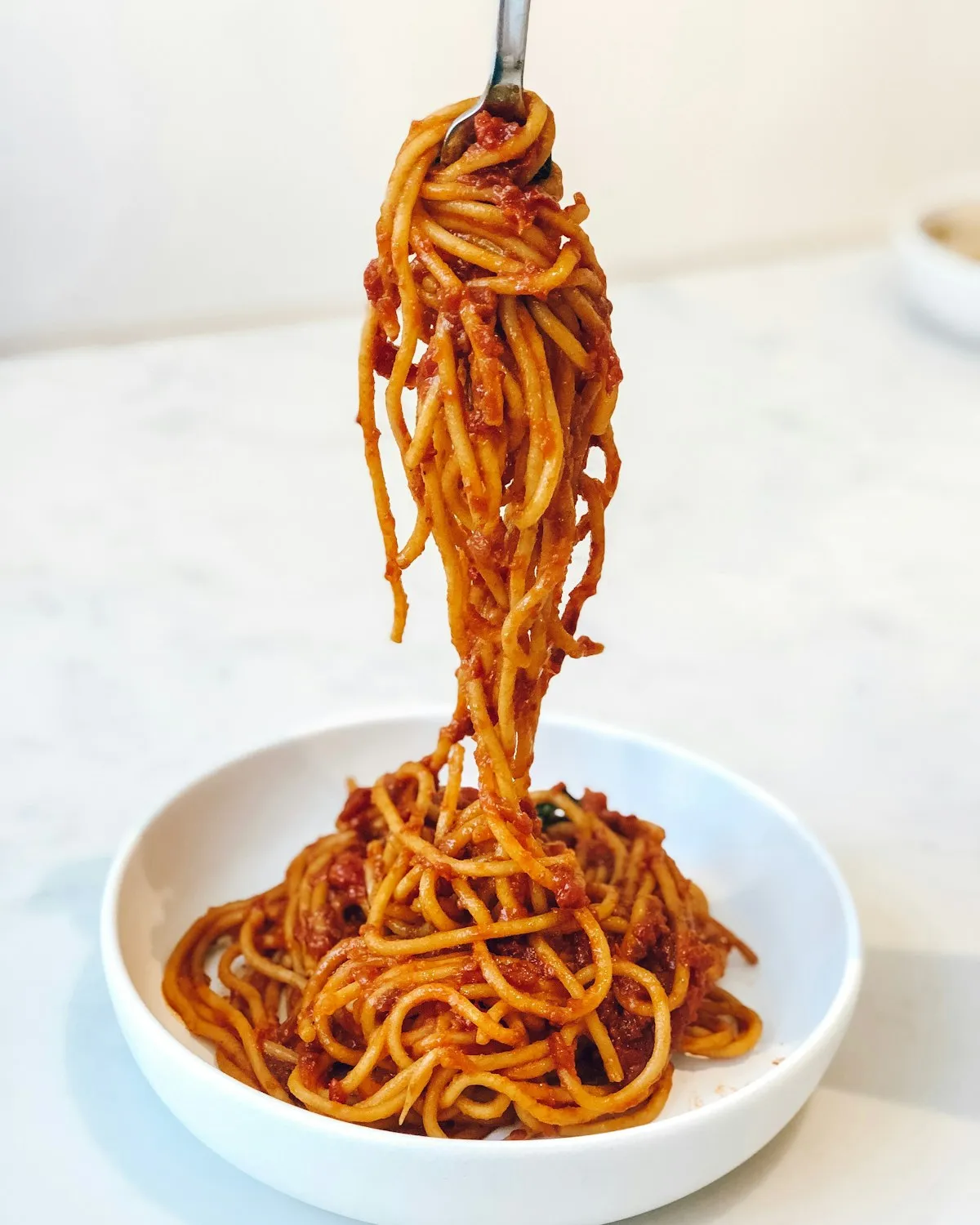
While your mushrooms are achieving perfection, you need to focus on your pasta water. Treat this liquid like "liquid gold." As the pasta cooks, it releases starch into the water. When you combine this starchy water with cream and fat, it acts as a bridge. It creates a stable emulsion that allows the sauce to cling to every strand of pasta rather than pooling at the bottom of the bowl.
Use a ladle to reserve at least a cup of this water before you drain the noodles. When you toss the undercooked pasta into your mushroom-cream base, add a splash of that water and stir vigorously. The agitation, combined with the heat and the starch, will transform a thin liquid into a glossy, thick coat. This is the same principle I discuss in my guide on achieving the perfect glossy sauce, and it is the non-negotiable step for any serious home cook.
Creative Variations for Every Table
While the classic version is hard to beat, I know that different nights call for different vibes. If you’re leaning into healthy dinner ideas, try swapping half the heavy cream for a splash of vegetable stock and a tablespoon of nutritional yeast. This keeps the umami hit high while lightening the caloric load. For those on a keto journey, serve this exact mushroom-cream reduction over sautéed zoodles or roasted cauliflower. The sauce is high-fat and low-carb, making it a dream for ketogenic meal planning.
If you have a house full of meat lovers who think a meal isn't complete without protein, sear some chicken breast or thinly sliced steak in the same pan before starting the mushrooms. The browned bits left behind: known as the "fond": will add an extra layer of complexity to the sauce. Alternatively, if you're looking for other quick family meals that utilize your kitchen gadgets, you might consider how well a roasted protein from our kielbasa pierogi air fryer roast would pair alongside a simpler version of this pasta.
For a plant-based twist, use full-fat coconut milk or a cashew-based cream. Just be sure to add a squeeze of lemon juice at the end; plant-based fats often lack the natural acidity found in dairy, and a bit of citrus will brighten the entire dish and prevent it from feeling too heavy on the palate.
Balancing the Plate: Side Dish Pairings
Because this pasta is inherently rich and creamy, you need side dishes that provide contrast. Think about acidity and crunch. A heavy sauce needs a "bright" partner to refresh your taste buds between bites.
A simple arugula salad tossed in a sharp lemon-shallot vinaigrette is my go-to recommendation. The peppery bite of the arugula cuts right through the cream. If you prefer cooked vegetables, try quick-blanched green beans or roasted asparagus with a heavy dusting of lemon zest. Avoid side dishes that are also creamy or starchy, like mashed potatoes or cheesy bread, as they will overwhelm the meal and lead to a "food coma" before you’ve even finished your plate. If you’re already using your air fryer for other healthy dinner ideas, you could even throw some broccoli florets in there for five minutes to get those crispy, charred edges that provide a fantastic textural counterpoint to the soft pasta.
Common Questions and Kitchen Fixes
Why is my mushroom pasta sauce watery?
This usually happens for two reasons: you didn't reduce the cream enough, or you didn't use enough pasta water to create the emulsion. If your sauce looks thin, increase the heat slightly and toss the pasta more vigorously. The movement helps the starch bind the fats together. Check your reduction time; the cream should coat the back of a spoon before you even add the pasta.
Can I use different types of mushrooms?
Absolutely. While cremini (baby bellas) are the standard for their balance of price and flavor, a mix of shiitake, oyster, and porcini will elevate the dish to a whole new level. Just remember that different mushrooms have different water contents. Shiitakes are drier and will brown faster, while oysters are delicate and should be added toward the end of the browning process so they don't disintegrate.
What if I don't have heavy cream?
In a pinch, you can use half-and-half or even whole milk, but you must be careful. Lower-fat dairy curdles more easily when exposed to high heat or acidic ingredients like wine or lemon. If using milk, whisk in a teaspoon of flour to create a quick roux before adding the liquid, or simply accept that the sauce will be thinner and less luxurious. For a truly rich result without cream, a large dollop of mascarpone or cream cheese can work wonders.
How do I reheat leftovers without the sauce breaking?
Cream-based sauces are notoriously finicky when reheated. Avoid the microwave if possible. Instead, place the pasta in a skillet over low heat and add a tiny splash of water or milk. Cover the pan for a minute to let the steam loosen the noodles, then stir gently until warmed through. This "wakes up" the emulsion without shocking the fats into separating. If you're busy with air fryer recipes dinner prep for the next day, you can even put a small oven-safe bowl of pasta in the air fryer at a low temperature (around 300°F) for a few minutes, but stay close to ensure it doesn't dry out.
Why do my mushrooms taste rubbery?
Rubbery mushrooms are almost always the result of undercooking. People often pull them off the heat once they look "done," but you need to push them further. You want to cook out the water completely and reach the point where they are actually frying in the fat. This firms up the chitin and develops a meaty, satisfying texture.
{“@type”:”BlogPosting”,”image”:”https://cdn.marblism.com/SlFrJCxzbMx.webp”,”author”:{“name”:”Penny”,”@type”:”Person”},”@context”:”https://schema.org”,”headline”:”Simple Creamy Mushroom Pasta”,”publisher”:{“logo”:{“url”:”https://cookpedia.com/logo.png”,”@type”:”ImageObject”},”name”:”Cookpedia”,”@type”:”Organization”},”description”:”Learn the science behind the perfect simple creamy mushroom pasta. Master mushroom browning and emulsification for a restaurant-quality meal at home.”,”datePublished”:”2026-06-01″,”mainEntityOfPage”:{“@id”:”https://cookpedia.com/simple-creamy-mushroom-pasta”,”@type”:”WebPage”}}