Recipe
Servings
Servings 1×
Ingredients
- Chicken
- Shrimp
- Fettuccine
- Pasta
- Noodles
- Eggs
- Bread
- Mushrooms
- Tomatoes
- Garlic
- Lemon
- Cream
- Hard cheese
- Butter
- Cooking oil
- Salt
- Black pepper
Method
- Let’s be honest: when you decide to go low-carb, the first thing you usually miss isn’t the bread: it’s the soul-soothing comfort of a bowl of pasta drenched in cream.
- Use medium-low heat and whisk constantly.
- Use dry heat to your advantage.
- Roast the squash at a high temperature, around 400°F (200°C), to encourage evaporation.
- Place the strands in a colander and let them drain for a few minutes.
- Use a heavy-bottomed skillet and let it get hot before adding your oil.
Let’s be honest: when you decide to go low-carb, the first thing you usually miss isn’t the bread: it’s the soul-soothing comfort of a bowl of pasta drenched in cream. I’ve been there, staring longingly at a box of fettuccine like it’s a long-lost friend. But what if I told you that you could have that exact same velvety, cheesy experience without the carb-induced nap? This Keto Chicken Alfredo with Spaghetti Squash is one of those healthy dinner ideas that feels like a total cheat meal, and it’s become one of my favorite quick family meals for busy Tuesday nights.
Emulsification: The Secret to a Silky Sauce
Creating a restaurant-quality Alfredo at home isn’t just about melting cheese; it’s about mastering the science of emulsification. Alfredo is a delicate suspension of fat (butter and cream) inside a water phase (the liquid in the cream and cheese). Without a bit of care, these two phases want to live separate lives, leaving you with a puddle of yellow oil and a clump of rubbery cheese.
To achieve that gloss, you must respect the temperature. Use medium-low heat and whisk constantly. You aren't just stirring; you are physically breaking the fat into tiny droplets so they can be coated by the milk proteins in the cream. This creates a stable, thickened liquid. Avoid the temptation to crank up the heat. If your sauce hits a rolling boil, the proteins in the cheese will seize and tighten, squeezing out the water and causing the sauce to "break" or become grainy.
If you’ve ever mastered a glossy tomato sauce, you know that the final texture is everything. For a keto-friendly version, I often use a touch of cream cheese or even an egg yolk to act as a natural emulsifier, adding an extra layer of stability and richness that mimics the starchy pasta water found in traditional recipes.
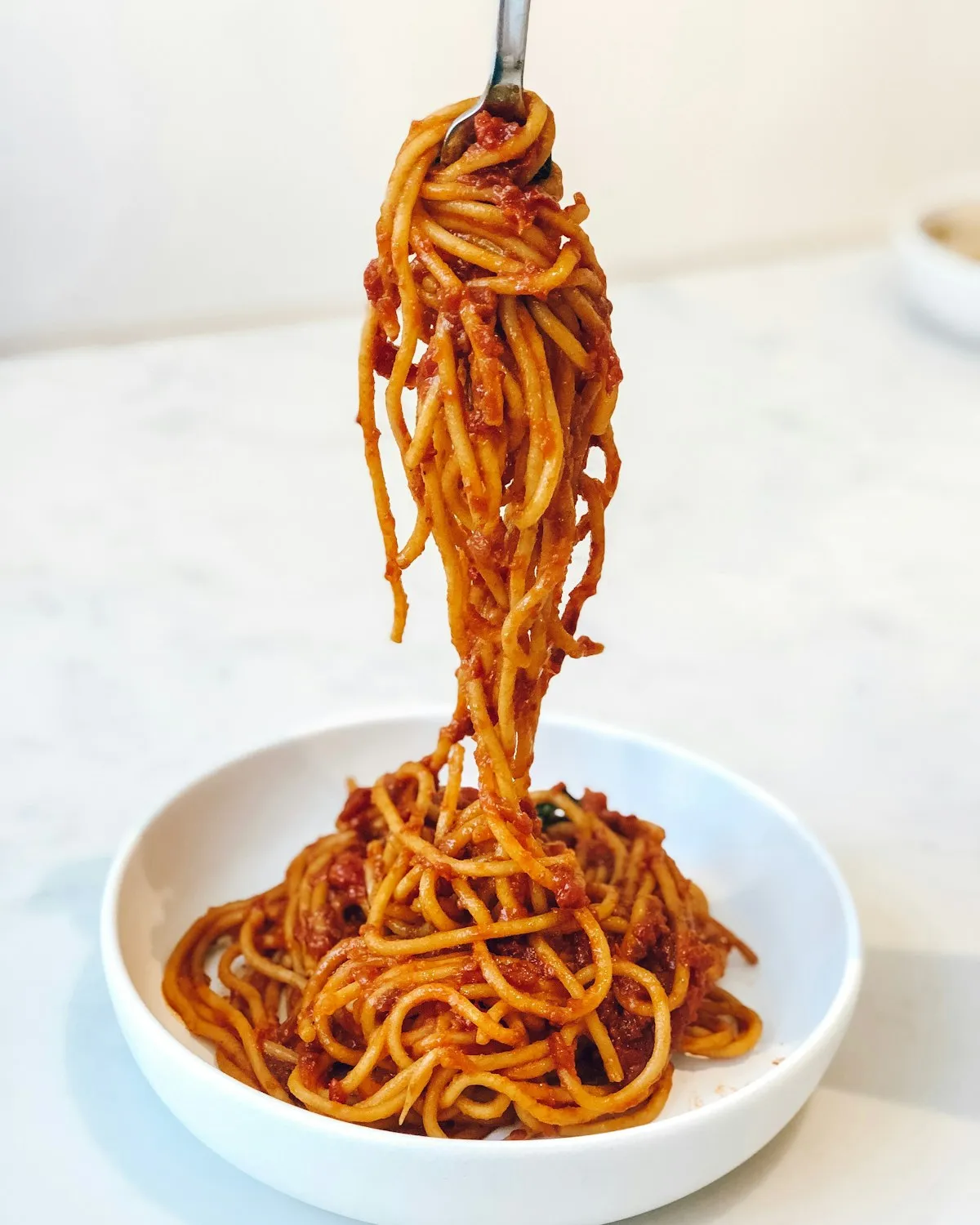
Taming the Squash: Moisture Management
The biggest enemy of a great spaghetti squash dish is water. Spaghetti squash is about 92% water, and if you don’t handle it correctly, it will release all that liquid directly into your Alfredo, turning your silky masterpiece into a thin, watery soup.
Use dry heat to your advantage. Roast the squash at a high temperature, around 400°F (200°C), to encourage evaporation. Before roasting, lightly salt the cut sides of the squash and let them sit for 15 minutes. You’ll see beads of water forming on the surface: pat these dry with a paper towel. This process, known as osmosis, draws out excess moisture before it ever hits the oven.
Once the squash is roasted and you’ve scraped out those beautiful "noodles," don't toss them into the sauce immediately. Place the strands in a colander and let them drain for a few minutes. For the ultimate texture, I recommend a "dry sauté." Toss the drained strands into a hot, dry skillet for two minutes. This drives off the last bit of surface moisture, ensuring the sauce clings to the squash rather than sliding off it.
The Maillard Reaction: Browning Your Bird
We aren't just boiling chicken here; we want flavor. To get the most out of your protein, you need the Maillard reaction: the chemical reaction between amino acids and reducing sugars that gives browned food its distinctive, savory flavor.
Dry your chicken breasts thoroughly with paper towels before seasoning. Moisture is the enemy of browning; if the chicken is damp, it will steam in the pan instead of searing. Use a heavy-bottomed skillet and let it get hot before adding your oil. Once you lay the chicken down, leave it alone! Moving it too early prevents that golden-brown crust from forming. That crust isn't just for looks: it provides the savory "base notes" that balance the high-fat richness of the Alfredo sauce.
If you're looking for an even faster way to handle the protein, using air fryer recipes dinner style can be a lifesaver. You can achieve a fantastic crust on the chicken in the air fryer while you focus on the sauce at the stove, making this one of the most efficient quick family meals in your repertoire.
Balancing the Plate: Variations
Alfredo is famously rich, which is why I love playing with variations that add acidity or heat to cut through the fat.
- The Zesty Kick: Add the zest and juice of half a lemon to the sauce just before serving. The citric acid brightens the heavy cream and makes the whole dish feel lighter.
- The Spicy Italian: Toss in a teaspoon of red pepper flakes and some chopped sun-dried tomatoes. The heat provides a necessary counterpoint to the saltiness of the Parmesan.
- The Seafood Swap: If you’re tired of chicken, seared shrimp is a fantastic alternative. Shrimp cooks in minutes and its natural sweetness pairs beautifully with the garlic-heavy sauce.
- The Mushroom Medley: For an earthy depth, sauté some cremini or shiitake mushrooms in the butter before adding the cream. The umami from the mushrooms reinforces the savory notes of the cheese.
Side Dish Pairings
When serving a dish this decadent, your side dishes should provide contrast. Look for high-fiber, acidic, or bitter elements to refresh your palate between bites.
A simple arugula salad is my top recommendation. The peppery bite of the arugula and the acidity of a lemon vinaigrette act as a "reset button" for your taste buds. It’s light, crisp, and takes less than five minutes to assemble.
Alternatively, roasted asparagus or charred broccolini are excellent healthy dinner ideas that hold up well against the creamy sauce. The slight bitterness of these green vegetables balances the richness of the butter and cheese. If you have extra room in the oven, you can even toss them in alongside the squash for a true one-pan side dish. For more quick vegetable inspiration, check out my guide on an air fryer vegetable medley.
FAQ: Troubleshooting Your Keto Alfredo
Why did my Alfredo sauce turn oily and separate?
This usually happens because the sauce got too hot. When the emulsion breaks, the fat separates from the water. To fix it, remove the pan from the heat immediately. Whisk in a tablespoon of cold heavy cream or a splash of water and whisk vigorously. The cold liquid helps lower the temperature, while the new moisture gives the fat a place to go back into suspension.
Can I make this ahead of time?
You can roast the spaghetti squash and sear the chicken in advance, but I recommend making the Alfredo sauce fresh. Because it’s a fat-based emulsion without starches, it doesn't reheat as well as flour-based sauces. If you must reheat it, do so very slowly over low heat with a splash of cream, whisking constantly to prevent the oil from separating.
My spaghetti squash is still "crunchy." Did I undercook it?
Not necessarily! Spaghetti squash should have a slight "al dente" bite, much like pasta. If it’s truly hard, it needs more time in the oven. However, be careful: if you overcook it until it's soft, it will lose its noodle-like structure and become mushy once mixed with the sauce.
Can I freeze this?
I don’t recommend freezing this specific dish. Spaghetti squash releases a massive amount of water when thawed, which will ruin the texture of the sauce. Additionally, the cream in the Alfredo can take on a grainy texture after being frozen and thawed. This is best enjoyed fresh or kept in the fridge for up to two days.
Is there a substitute for Parmesan?
You can use Pecorino Romano for a saltier, sharper flavor, or even a high-quality aged Asiago. Avoid the pre-shredded stuff in the green can; it contains anti-caking agents like cellulose that prevent it from melting smoothly, which will almost certainly lead to a grainy sauce.
How do I stop the squash from smelling "earthy"?
A quick toss with a little garlic butter and a pinch of nutmeg before adding the Alfredo sauce can mask the natural "squash" smell and lean into the savory profile of the dish. It’s a small trick that makes a huge difference in the final flavor profile.
{“@type”:”BlogPosting”,”image”:”https://cdn.marblism.com/FbtaH-aef0U.webp”,”author”:{“name”:”Penny”,”@type”:”Person”},”@context”:”https://schema.org”,”headline”:”Keto Chicken Alfredo with Spaghetti Squash”,”publisher”:{“logo”:{“url”:”https://cookpedia.com/logo.png”,”@type”:”ImageObject”},”name”:”Cookpedia”,”@type”:”Organization”},”description”:”Learn the science behind a perfect, non-watery Keto Chicken Alfredo using spaghetti squash. Expert tips on emulsification, moisture control, and the Maillard reaction.”,”datePublished”:”2026-05-28″,”mainEntityOfPage”:{“@id”:”https://cookpedia.com/keto-chicken-alfredo-spaghetti-squash”,”@type”:”WebPage”}}