Recipe
Servings
Servings 1×
Ingredients
- Chickpeas
- Pasta
- Noodles
- Bread
- Zucchini
- Spinach
- Tomatoes
- Garlic
- Lemon
- Balsamic vinegar
- Hard cheese
- Butter
- Cooking oil
- Salt
- Black pepper
Method
- Use just enough liquid to barely cover the pasta.
- Stir vigorously for the first two minutes of cooking to ensure the noodles stay separated and don't glue themselves to the stainless steel.
- Add a tablespoon of water or broth before microwaving.
If you are like me, the sight of a mountain of dirty dishes after a long day is enough to make you reach for the takeout menu. But what if I told you that one of the most satisfying, healthy dinner ideas in my repertoire involves exactly one pot and about twenty minutes of your time? This one-pot spinach and chickpea pasta isn't just a "lazy" meal; it is a masterclass in efficiency and flavor. By cooking everything together, you create a silky, built-in sauce that clings to every noodle, making it a staple for anyone who needs a win in the kitchen without the cleanup.
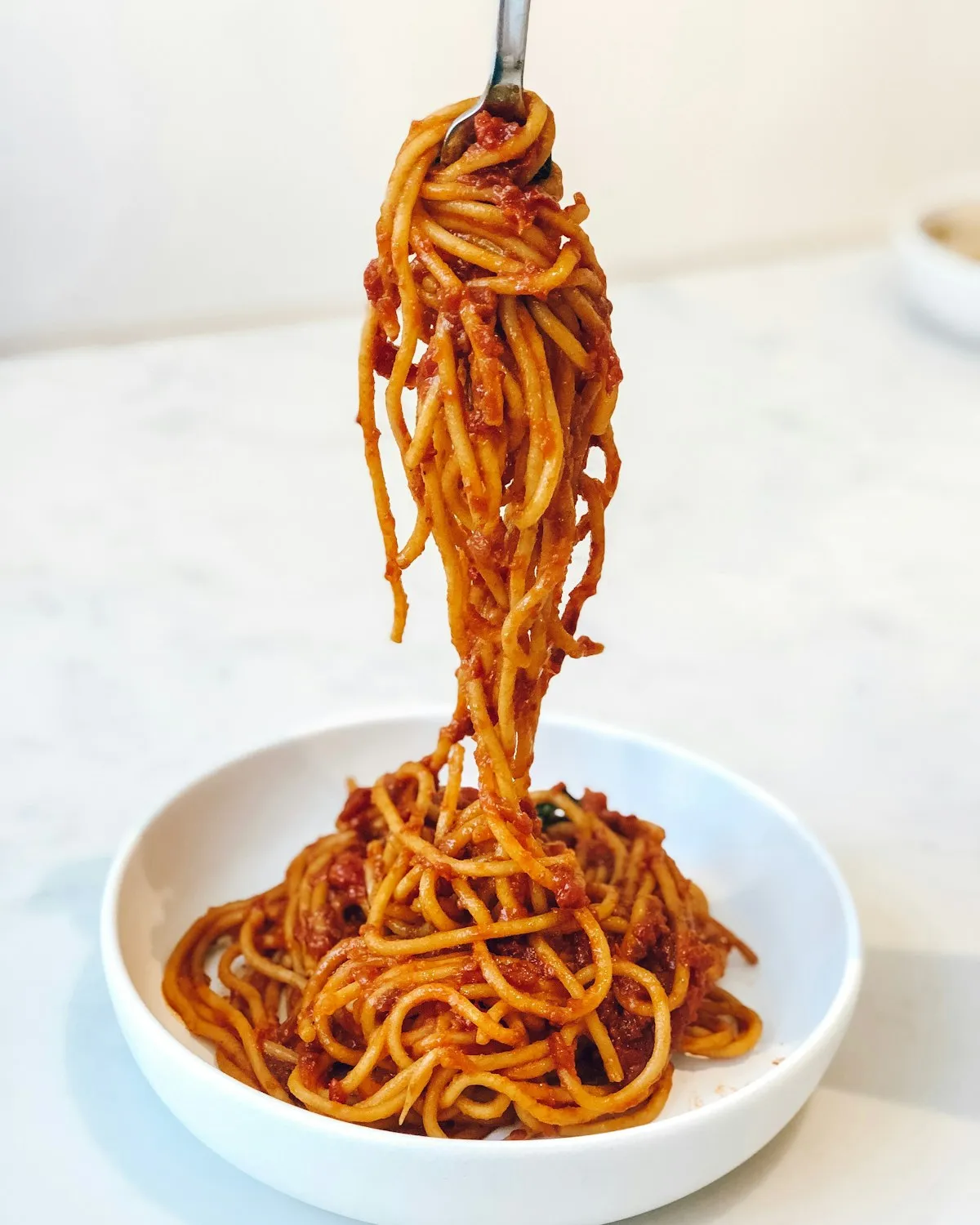
The Science of the "One-Pot" Gloss
Why does cooking pasta in its own liquid taste so much better than the standard boil-and-drain method? It all comes down to starch. When you boil pasta in a massive gallon of water and dump it down the drain, you are literally throwing away "liquid gold." As the pasta hydrates, it releases surface starches into the liquid. In a one-pot setup, that starch stays right where it belongs: in your sauce.
This starch acts as a natural emulsifier. When you add a splash of olive oil or a knob of butter at the end, the starch binds the fat and the water together, creating that glossy, professional-looking sheen you see in high-end Italian restaurants. It is a similar technique to the one I use for my spicy tomato basil linguine.
Manage Your Ratios
The biggest fear with one-pot cooking is ending up with a gummy mess or a dry pot of burnt noodles. Use just enough liquid to barely cover the pasta. As it simmers, the pasta absorbs the water and releases starch, thickening the remaining liquid into a sauce. If it looks too dry before the pasta is tender, add a splash of hot water. If it looks too soupy, simply simmer it uncovered for the last two minutes to let the excess moisture evaporate.
Respect the Spinach
Wilted spinach is a delight; slimy spinach is a tragedy. Never add your greens at the beginning of the process. Instead, wait until the pasta is perfectly al dente and the chickpeas are heated through. Throw the spinach on top, put a lid on the pot, and turn off the heat. The residual steam will wilt the leaves in about sixty seconds, preserving their vibrant color and delicate texture. This keeps your quick family meals looking as good as they taste.
The Power of Chickpeas
Chickpeas are the secret weapon here. They provide a nutty contrast to the soft pasta and a massive boost of plant-based protein. To get the best out of them, stir them frequently. As they cook, some of the skins might break down slightly, contributing even more creaminess to your sauce. This is the ultimate "pantry raid" dish that doesn't feel like a compromise.
Flavor Variations to Suit Your Mood
One-pot pasta is a blank canvas. While the spinach and chickpea combo is a classic, you can easily pivot based on what is in your fridge.
- The Zesty Kick: Add a heavy hand of lemon zest and a squeeze of fresh juice right before serving. The acidity cuts through the heavy starch and makes the whole dish feel lighter.
- The Spice Route: Sauté a teaspoon of red pepper flakes in the oil before adding your water. This infuses the entire sauce with a gentle, building heat.
- The Crunch Factor: If you want some texture, you can actually look toward air fryer recipes dinner for inspiration. While the pasta cooks on the stove, toss a few extra chickpeas in the air fryer with some salt and paprika. Use them as a crunchy garnish on top of the finished dish for a brilliant contrast of textures.
- Mediterranean Twist: Swap half the water for a high-quality vegetable broth and stir in some sun-dried tomatoes or kalamata olives at the end for a deeper, more savory profile.
Perfect Side Dish Pairings
Since this dish is relatively starch-heavy, you want sides that offer acidity or a crisp crunch to balance the palate.
A simple arugula salad is my go-to choice. The peppery bite of the arugula and a sharp balsamic vinaigrette act as a "reset" button for your taste buds between bites of creamy pasta. If you’re feeling more indulgent, a thick slice of sourdough garlic bread is never a mistake.
If you have your air fryer out from making the crunchy chickpea topping, consider making some quick roasted peppers or zucchini. Our air fryer sausage and pepper medley is a great example of how easy it is to get a side dish going without taking up any extra stove space. A bright, roasted vegetable side keeps these healthy dinner ideas balanced and satisfying for the whole family.
One-Pot FAQ: Troubleshooting Your Pasta
Why is my pasta stuck to the bottom of the pot?
This usually happens because of a lack of movement in the first few minutes. When pasta first hits the water, it releases a burst of surface starch that is very sticky. Stir vigorously for the first two minutes of cooking to ensure the noodles stay separated and don't glue themselves to the stainless steel.
Can I use gluten-free or chickpea-based pasta?
Yes, but you must be vigilant. Alternative pastas, especially those made from legumes, release starch differently and can turn from "perfect" to "mush" in a matter of seconds. I recommend cutting two minutes off the package's suggested cook time and finishing the dish with the heat off, letting the residual heat do the final heavy lifting.
My sauce is too watery! How do I fix it?
Do not panic. If you have finished cooking and the sauce looks like soup, remove the lid and turn the heat up to medium-high for 60 to 90 seconds. Stir constantly. This encourages rapid evaporation and helps the starch thicken the liquid quickly. Alternatively, a handful of finely grated parmesan cheese acts as a fantastic thickening agent.
Can I use frozen spinach instead of fresh?
You can, but you must squeeze every drop of moisture out of it first. Frozen spinach carries a lot of water that will dilute your carefully balanced starchy sauce. Thaw it, squeeze it in a clean kitchen towel, and stir it in at the very end just like you would with fresh leaves.
How do I reheat leftovers without it getting dry?
Because the pasta continues to absorb moisture as it sits, leftovers will often be a bit stiff. Add a tablespoon of water or broth before microwaving. This "reactivates" the starch and brings that glossy sauce back to life. It is the perfect solution for quick family meals the next day.
{“@type”:”FAQPage”,”@context”:”https://schema.org”,”mainEntity”:[{“name”:”Why is my one-pot pasta sticking to the bottom?”,”@type”:”Question”,”acceptedAnswer”:{“text”:”Pasta releases a lot of starch early in the cooking process. To prevent sticking, stir the pot frequently during the first two to three minutes of simmering.”,”@type”:”Answer”}},{“name”:”Can I use frozen spinach in one-pot pasta?”,”@type”:”Question”,”acceptedAnswer”:{“text”:”Yes, but ensure you thaw and squeeze out all excess moisture before adding it to the pot to avoid thinning out your sauce.”,”@type”:”Answer”}},{“name”:”How do I fix a watery one-pot sauce?”,”@type”:”Question”,”acceptedAnswer”:{“text”:”Simmer the pasta uncovered for an extra minute or two while stirring, or add a handful of parmesan cheese to help emulsify and thicken the liquid.”,”@type”:”Answer”}}]}