Recipe
Servings
Servings 1×
Ingredients
- Salmon
- Noodles
- Tomatoes
- Garlic
- Lemon
- Cream
- Cooking oil
- Black pepper
Method
- Use high heat, usually in the 400°F to 425°F range, to cook the fish quickly enough for the exterior to color before the interior dries out.
- Pat the fish very dry before it touches the pan.
- Use that to your advantage.
- Roast it quickly, keep the surface dry, and let carryover heat do the last bit of work.
- Add olives, nuts, seeds, or a side of olive oil-dressed vegetables, and the plate starts to look less like a diet gimmick and more like an actual healthy eating pattern.
- Warm oil extracts fragrant compounds from citrus zest, rosemary, thyme, garlic, and pepper, then distributes them across the fish.
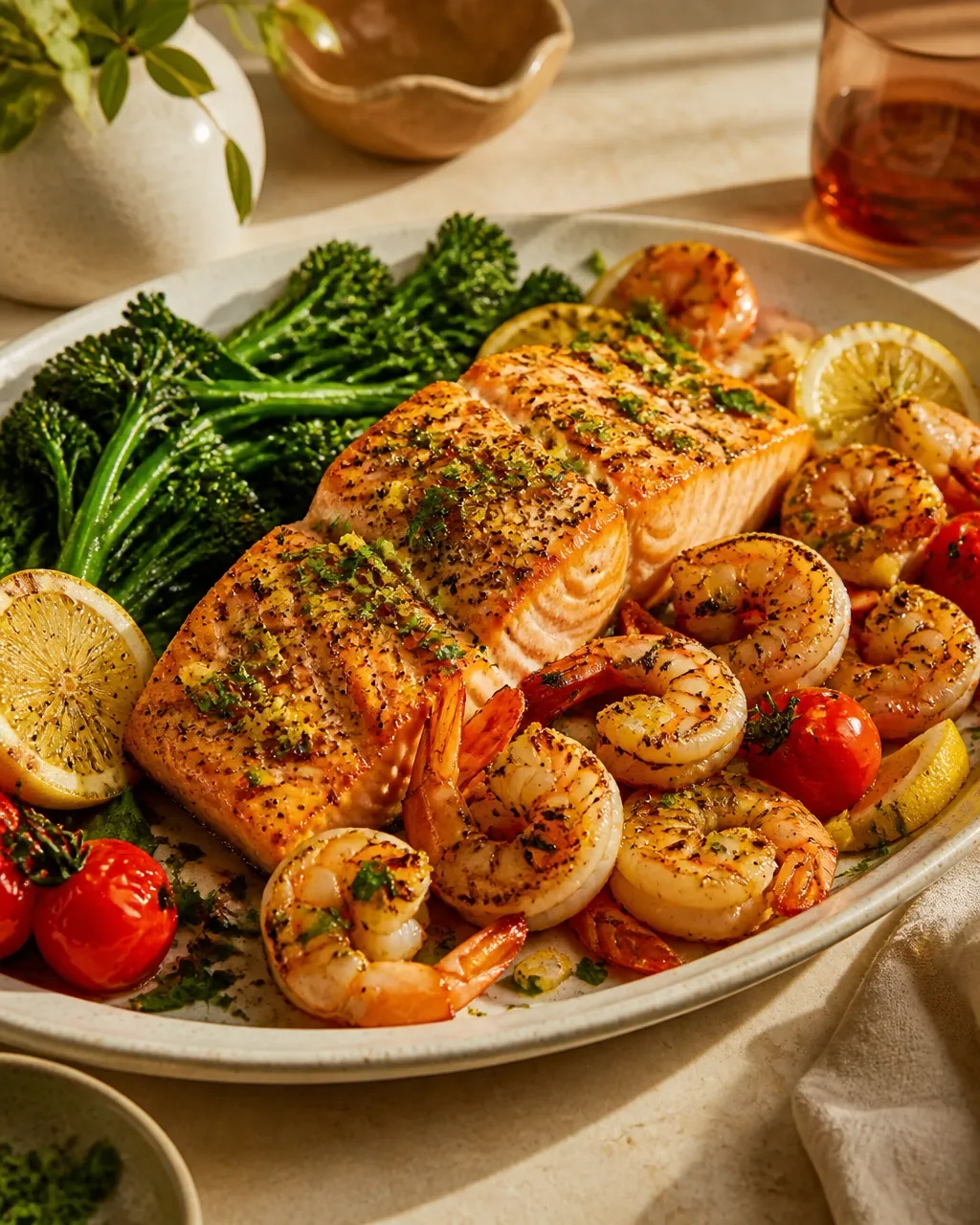
If you have ever felt like cooking fish at home is a high-stakes gamble with your sanity and your kitchen’s scent, you are not alone. Most of us have been there, staring down a delicate fillet, wondering if it’s going to turn into a rubbery mess or stick to the pan like it’s been superglued. But here is the secret: Mediterranean Sea Bass (or Branzino, if you’re feeling fancy) is the ultimate cheat code for home cooks. It’s elegant, it’s buttery, and when you toss it on a sheet pan, it becomes a dinner that feels restaurant-level without requiring restaurant-level drama. Better yet, it fits beautifully into a Mediterranean keto approach, where quality fats, clean protein, and bright, punchy flavor do the heavy lifting.
The Science of the Sheet Pan: Heat, Fat, and Skin
Cooking the perfect sea bass is not just about following a timer; it is about understanding what heat does to delicate protein and why this particular fish plays so nicely with olive oil, herbs, and sharp, briny accents. When you roast fish, you are basically managing two things at once: protein denaturation and surface browning.
Protein denaturation sounds like something that belongs in a lab coat, but in your kitchen it simply means the proteins unwind and reset as they heat. Raw sea bass starts translucent and supple. As the temperature rises, those proteins firm up and turn opaque. Push too far and they seize, forcing moisture out of the flesh. That is how you end up with fish that eats like expensive packing foam. Use high heat, usually in the 400°F to 425°F range, to cook the fish quickly enough for the exterior to color before the interior dries out.
Then there is the Maillard reaction, the browning chemistry that creates deeper savory flavor. Fish does not brown as aggressively as beef, but sea bass skin still benefits from strong, dry heat and a proper coating of fat. The skin contains proteins and natural fats that crisp and blister when moisture is under control. Pat the fish very dry before it touches the pan. Do not skip this. Water must evaporate before browning can happen, and while that is going on, your fish is slowly steaming instead of roasting.
The skin is more than a nice texture trick. It acts like a protective shield, slowing moisture loss from the flesh underneath. Leave it on whenever possible. That crisp layer gives you contrast, yes, but it also buys you a little insurance against overcooking, which is handy because fish waits for nobody.
White Fish Protein Structure: Why Sea Bass Cooks So Fast
White fish behaves differently from red meat, and sea bass is a perfect example of why. Its muscle fibers are short, delicate, and separated by thin sheets of connective tissue that dissolve or soften quickly. That is why properly cooked sea bass flakes into neat segments instead of chewing like a workout. It also explains why overcooking happens at cartoon speed. There is not much collagen to buffer your mistakes.
As heat moves into the flesh, several protein groups begin to denature at different temperatures. Myosin starts firming relatively early, which gives fish that initial set structure. Actin tightens later and more aggressively, and that is usually where trouble starts. Once those proteins contract too far, moisture gets pushed out, the flesh loses its gloss, and the texture goes from silky to stubborn. This is why timing matters more with white fish than with many other proteins. You are not slowly tenderizing anything here. You are catching a narrow window.
The low connective tissue content is also why sea bass feels refined when roasted properly. It turns tender without needing a braise, a marinade marathon, or culinary heroics. Use that to your advantage. Roast it quickly, keep the surface dry, and let carryover heat do the last bit of work. If you keep cooking until it looks very firm in the oven, you have probably already gone too far.
Another useful detail: fish muscle is naturally arranged in flakes separated by myocommata, the thin connective layers that hold those segments together. As the proteins set, those layers become more visible and the fish begins to separate gently. That visual cue is more helpful than a dramatic oven stare-down. Check for flaking, check for opacity, and stop before the fish starts shedding albumin like it is trying to prove a point.
Healthy Lipid Profiles in Mediterranean Cooking
Sea bass is not a fatty fish in the salmon-or-sardine sense, but it absolutely earns its place in a Mediterranean-style dinner because of the kind of fat it brings and the kind of fat it invites. Its natural lipid profile includes a mix of monounsaturated and polyunsaturated fats, with a modest but useful amount of omega-3s. That alone makes it more nutritionally interesting than ultra-lean white fish that rely entirely on added fat for richness.
What makes the Mediterranean approach especially smart is that the fish is only part of the fat story. Extra virgin olive oil adds predominantly monounsaturated fat, along with polyphenols and aroma compounds that improve both flavor and nutritional quality. Add olives, nuts, seeds, or a side of olive oil-dressed vegetables, and the plate starts to look less like a diet gimmick and more like an actual healthy eating pattern.
This is where the healthy lipid profile conversation gets practical. Mediterranean-style meals tend to emphasize unsaturated fats over heavier saturated-fat overloads. That shift changes mouthfeel, yes, but it also changes how the meal sits with you. A piece of sea bass roasted with olive oil, herbs, and lemon feels rich without being oppressive. You get satiety, cleaner flavor, and a plate that still has room for vegetables and acidity. No cream moat required.
Sea bass also benefits from added olive oil because its mild flavor acts like a blank canvas for fat-soluble aromas. Warm oil extracts fragrant compounds from citrus zest, rosemary, thyme, garlic, and pepper, then distributes them across the fish. In other words, the lipid phase is doing flavor engineering while also supporting the broader Mediterranean diet logic. Very efficient. Very tasty.
Mediterranean Nutrition: Balance, Not Brick-Like Heaviness
The best Mediterranean fish dinners work because they understand contrast. Sea bass gives you protein and gentle richness. Olive oil gives you body and aroma. Lemon, capers, tomatoes, greens, and herbs bring acid, bitterness, and freshness. That balance matters because rich foods feel more satisfying when something bright is keeping them awake.
Sea bass is especially useful here because it is substantial without being heavy. It fits naturally into healthy dinner ideas for people who want protein, plenty of flavor, and a more thoughtful fat profile than the usual weeknight chaos. It also brings selenium, B vitamins, and useful minerals to the table, which is not flashy, but your body tends to appreciate these little details even if your dinner guests are mostly focused on crispy skin.
The big non-negotiable is to avoid drowning delicate fish in thick, blunt flavors. Use olive oil generously, yes, but use it intelligently. Add acid. Add herbs. Add briny ingredients that sharpen the fish instead of smothering it. Mediterranean cooking is at its best when richness has structure. It should feel luxurious, not sleepy.
If you want a meal that fits into the real world, this is also one of those excellent templates for quick family meals. It cooks fast, scales well, and does not need a ten-bowl cleanup operation. That is the sort of practicality I can get behind without writing poetry to a roasting pan.
Flavor Dynamics and Lipid Infusion
When you roast sea bass on a sheet pan with lemon, herbs, and olives, the oil becomes a working medium, not just a coating. As the fish cooks, warmed fat dissolves fat-soluble aroma compounds from rosemary, thyme, citrus peel, and garlic. That flavored oil lightly bastes the fish and helps season every bite more evenly than dry seasoning alone.
This is why Mediterranean fish dinners taste complex without needing much fuss. The ingredients cooperate. The herbs perfume the oil. The oil protects the fish. The fish releases juices into the pan. Those juices mingle with the oil and aromatics, creating a quick natural sauce. Very little effort, suspiciously high payoff.
Acidity also matters. Lemon does not merely make fish taste fresh. Acid cuts perceived richness and wakes up your palate, so the meal feels lighter than it actually is. That makes this a smart template for quick family meals when you want something nutritious that does not taste like compromise food. A few briny ingredients, a fresh herb finish, and a proper squeeze of citrus can make a simple piece of fish taste like it spent a semester abroad.
If you have enjoyed our 15-minute Thai prawn noodles, you already know the trick: strong, clear flavor beats a long ingredient list every single time.
Variations: Keep the Method, Change the Mood
The beauty of this dish is that the method stays stable even when the flavor profile changes. That is exactly what you want from practical healthy dinner ideas: a reliable technique that can wear different outfits without becoming unrecognizable.
The Olive and Caper Version: Push the briny side harder with more olives and capers. This variation works because salinity and acidity sharpen the mild richness of the fish. If your sea bass tastes a little too gentle, this is the fix. The capers also add tiny bursts of texture, which keeps each bite from feeling one-note.
The Herb-Forward Version: Lean into dill, parsley, mint, or oregano for a greener finish. Fresh herbs add volatile aroma compounds that fade with prolonged heat, so use them as a finishing move rather than cooking them into oblivion. This version tastes lighter even though the fat content stays almost the same. Sneaky little kitchen illusion, and a useful one.
The Spicy Citrus Version: Add chili flakes or sliced fresh chile with lemon. Heat does not add fat, but it increases sensory intensity, which can make the meal feel fuller-flavored without adding heaviness. That matters if you want lower-carb meals that stay lively.
The Allium Version: Use shallots or leeks for sweetness. As they roast, their sulfur compounds mellow and their sugars concentrate, giving you soft sweetness that rounds out the sharper Mediterranean notes. This is a good move if you are cooking for someone who claims fish is “too fishy” and needs convincing.
Keep the aromatics appropriately sized for the fish’s cooking time. Sea bass cooks fast. Giant chunks of vegetables do not magically get tender because you believe in them.
Side Dish Pairings: Use Contrast on Purpose
When you build a plate around sea bass, think in terms of contrast. The fish is tender and lightly rich, so the side dishes should bring either bitterness, acidity, or a sharper vegetal edge. That is how you make the whole meal feel composed rather than just “fish plus whatever was nearby.”
Arugula salad is an easy win. Its peppery bite cuts through olive oil beautifully, and a lemony dressing keeps the plate bright. Roasted asparagus works for a different reason: it echoes the sheet-pan simplicity while adding grassy bitterness and crisp tips. Wilted spinach gives you a softer side, but add lemon or a touch of garlic so it does not get too mellow.
If you want a more substantial Mediterranean keto plate, pair the fish with cauliflower mash finished with olive oil instead of loads of butter. You keep the comfort factor while staying aligned with the dish’s cleaner flavor profile. Or serve it with zucchini ribbons or roasted eggplant, both of which absorb flavor well and play nicely with citrus and herbs.
The rule is simple: pair richness with brightness and softness with crunch. That formula helps sea bass feel elegant instead of sleepy. It is also why this kind of meal belongs in the same conversation as quick family meals and even some of the better air fryer recipes dinner ideas people lean on during busy weeks. The goal is ease, sure, but ease with standards.
FAQ: Troubleshooting Your Sea Bass
Can I use frozen sea bass for this?
Yes, but thaw it fully and dry it like you mean it. Frozen fish releases more surface moisture as it defrosts, and extra moisture interferes with browning. If the fish goes into the oven damp, the skin steams before it crisps. Pat repeatedly with paper towels and let it sit uncovered in the fridge for a short while if needed.
How do I know the fish is actually done?
Do not rely only on the timer. Look for flesh that has turned opaque and flakes easily under gentle pressure. If you use a thermometer, aim for 145°F in the thickest part. Pull it promptly. Fish has the annoying habit of going from perfect to overdone while you blink and reach for a plate.
What if the fish turns out dry?
That usually comes down to protein structure and temperature. White fish proteins are delicate and low in connective tissue, which is great for tenderness but terrible for second chances. Once those muscle fibers tighten too much, they squeeze out moisture fast. Use high heat, but stop cooking as soon as the flesh flakes. Do not chase “extra done.” That road leads to sadness.
Why does sea bass feel rich even though it is still a white fish?
Because it has a more generous lipid profile than very lean fish like cod or sole. Sea bass contains enough natural fat to give the flesh a buttery feel, but it is still mild enough to benefit from olive oil, herbs, and citrus. That middle ground is exactly why it works so well in Mediterranean-style meals.
What if the fish tastes rich but somehow flat?
That usually means it needs acid or salt, not more fat. Add lemon, capers, olives, or a final sprinkle of flaky salt. Fat carries flavor, but acid sharpens it. Mediterranean cooking understands this deeply, which is why these meals feel lively rather than heavy.
The skin stuck to the pan. What happened?
Usually one of three things went wrong: the fish was too wet, the pan was not properly prepared, or there was not enough oil. Protein sticks hardest before a crust forms. Once browning develops, the fish often releases more easily. Translation: dry fish, enough fat, and a little patience.
What is that white stuff oozing out of my fish?
That is albumin, a protein that firms up and squeezes out when the fish cooks. It is harmless, but it usually signals that the fish is cooking a bit too aggressively or too long. If you see a lot of it, back off the heat next time or shorten the cook slightly.
Is this a genuinely healthy Mediterranean-style dinner?
Yes, when you keep the formula sensible. Sea bass gives you quality protein and useful unsaturated fats, while olive oil, herbs, and vegetables bring the broader Mediterranean diet benefits people actually want: flavorful food, satisfying texture, and a healthier lipid balance than heavy cream-and-cheese overloads pretending to be dinner.
Can I do this with other white fish?
Absolutely, but choose based on thickness and fat content. Snapper and halibut work well. Cod works too, though it is leaner and can dry out faster if you are careless. Very thin fish can overcook before the exterior gets nicely browned, so use gentler timing with those.
What if I want to use an air fryer instead of a sheet pan?
You can, and this fish adapts well to the same high-heat logic behind many air fryer recipes dinner ideas. Just remember that circulating heat can dry lean proteins faster. Use enough oil, avoid overcrowding, and check doneness early. The fish does not care about your multitasking ambitions.