Recipe
Servings
2 servings 1×
Serves 2Prep 5 minCook 10 minTotal 15 min
Nutrition per serving
Ingredients
- 1 lb large shrimp peeled and deveined
- 4 cloves garlic thinly sliced
- 1/4 cup dry white wine Pinot Grigio or Sauvignon Blanc
- 2 tbsp cold butter cubed
- 1 tbsp lemon juice fresh
Method
- Sauté garlic in olive oil until fragrant.
- Add shrimp and cook until just pink.
- Remove shrimp from pan.
- Pour in white wine and reduce by half over high heat.
- Remove from heat.
- Whisk in cold butter cubes until a thick, glossy sauce forms.
- Stir in lemon juice and return shrimp to the pan.
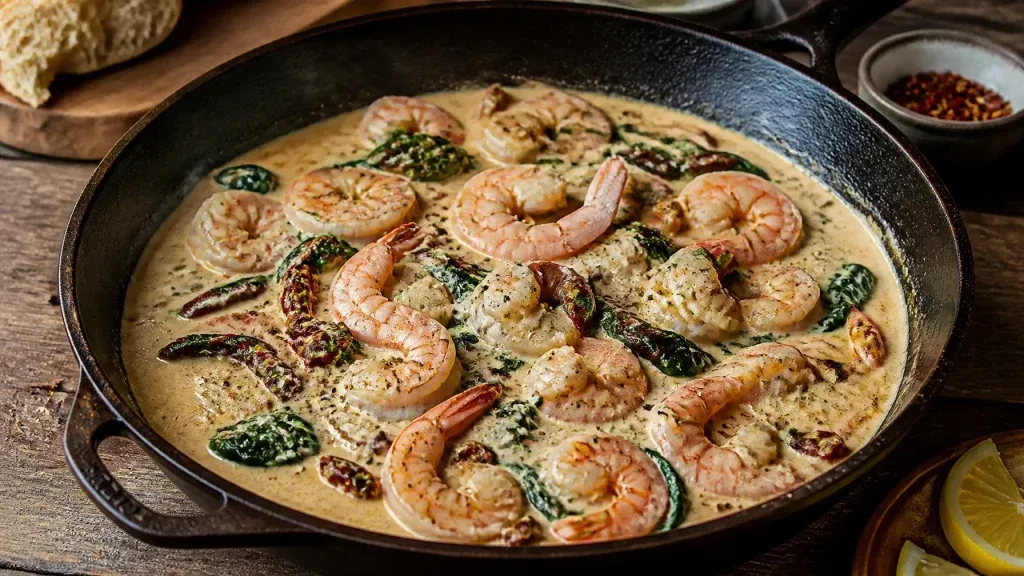
There is a persistent myth in the culinary world that elegance requires hours of labor. We’ve been conditioned to think that a "fancy" dinner must involve a simmering stock pot or a multi-stage reduction. I am here to debunk that. When you need a hit of pure luxury but your clock is ticking, shrimp scampi is your best friend. It is one of those quintessential 15 minute meals that tastes like it belongs on a white tablecloth, yet it comes together faster than you can find a matching pair of socks. You are about to master a dish that relies on physics and chemistry more than sweat, delivering a silky, garlic-infused masterpiece every single time.
The Science of the Silky Emulsion
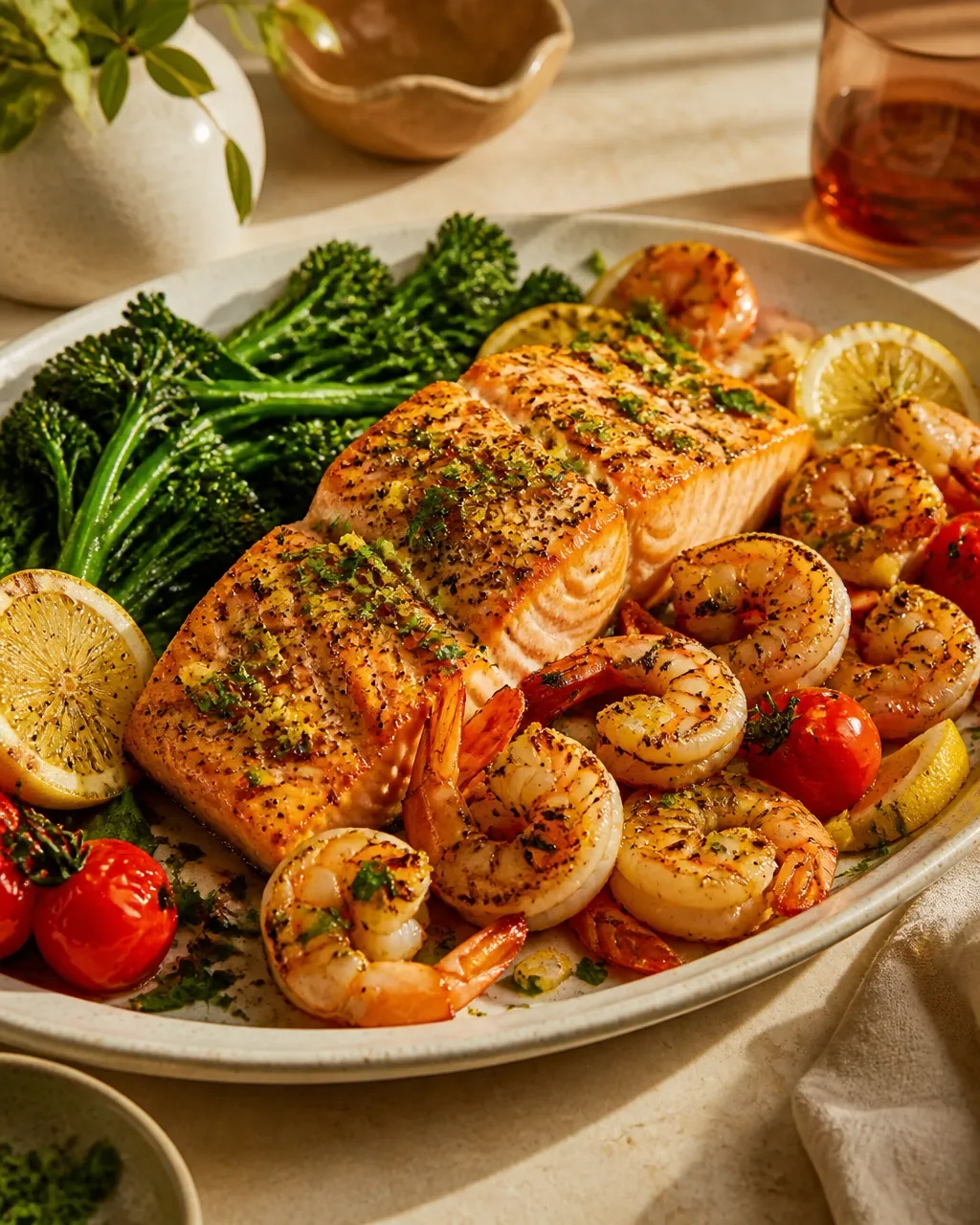
The soul of a great scampi isn't just the shrimp; it’s the sauce. If you’ve ever ended up with a pool of yellow oil at the bottom of your plate, you’ve experienced a broken sauce. That sad puddle is what happens when the fat phase and the water phase stop pretending to be friends. In scampi, the water side comes from wine, lemon juice, and the moisture released by the shrimp. The fat side comes from butter and oil. Your job is to keep those two sides suspended together long enough to create a glossy coating instead of a slick little oil spill that makes your dinner look emotionally unavailable.
Use the cold-butter finish on purpose, not because some TV chef waved a whisk dramatically and called it “luxury.” Once the wine reduces, pull the pan away from aggressive heat. Add cold butter and swirl or whisk hard. That mechanical action breaks the butterfat into tiny droplets and disperses them through the liquid. Butter also contains milk solids and a small amount of natural emulsifying material, which helps those droplets hang out together without immediately recombining into grease. If the pan is too hot, the butter melts faster than the emulsion can form. The droplets merge, the sauce splits, and suddenly your “easy elegant dinner” looks like a kitchen betrayal.
Think of a butter-wine emulsion as a very temporary peace treaty. It is not as stable as mayonnaise, which relies on stronger emulsifiers like lecithin in egg yolks. Scampi sauce is more fragile. That means heat control matters more than brute force. Reduce the wine enough to concentrate flavor, but leave enough liquid behind to support the sauce. Then whisk in the butter off high heat so the droplets stay small. Small droplets scatter light better, which is part of why the sauce looks glossy and restaurant-ish. Science: making dinner look expensive since forever.
Wine is doing more than adding a vaguely grown-up vibe. It brings water, acid, and volatile aroma compounds. As it reduces, the water evaporates while the aromatic compounds become more concentrated. That gives the sauce complexity without extra ingredients cluttering the pan. The acidity also helps balance the fat. Butter without acid can taste flat and heavy fast. Wine and lemon keep the sauce bright enough to feel lively rather than sleepy.
There is also a concentration sweet spot. Reduce the wine too little and the sauce tastes loose and watery. Reduce it too much and the acidity becomes sharp, the volume gets stingy, and you leave yourself with too little water phase to support the butter. That is how people end up adding more butter to fix texture and then wondering why dinner tastes rich but weirdly one-note. Use restraint. Scampi is a quick dish, not a butter dare.
Now for the shrimp itself, because rapid-cook seafood is basically a race between delicious and disappointing. Shrimp are built from delicate muscle fibers with very little connective tissue compared with land animals. That is why they cook so fast and why they punish inattention so efficiently. The main proteins to care about are myosin and actin. Myosin begins to denature first at lower temperatures, which starts the transition from translucent and soft to opaque and firm. As heat continues, actin denatures too, and the muscle fibers tighten further. That tightening is not automatically bad. In fact, that is cooked texture. The problem starts when the proteins contract enough to squeeze out moisture. Then you get that dry, springy, rubber-band effect nobody asked for.
Watch the shape. A gentle C means the proteins have tightened enough to set the flesh without pushing out too much water. A tight O means you stayed in the pan too long and the shrimp have entered their bounce-house era. Pull them as soon as they turn opaque with a pink exterior and a slightly pearly center. Residual heat will keep finishing the job after they leave the direct heat, because proteins respond to temperature, not to your personal hopes.
Surface moisture matters more than people think. Pat the shrimp dry before they hit the pan. Wet shrimp steam. Dry shrimp sear. Excess water has to evaporate before the surface temperature can rise high enough for meaningful browning and concentrated flavor. Even if you are not chasing a hard crust in classic scampi, you still want the shrimp to taste sweet and clean rather than pale and watery. A damp shrimp is a timid shrimp.
Salt helps here too, but use it with purpose. A light seasoning before cooking improves flavor and can help the exterior retain a bit more moisture by altering how proteins interact with water. Go too heavy and you start pulling out surface moisture instead, which makes the pan wetter and the timing fussier. This dish rewards moderation. Loud ingredients are not the same as smart ingredients.
Garlic deserves its own lecture, because garlic is not just garlic. When you cut or crush a clove, you rupture its cells and let the enzyme alliinase convert alliin into allicin. Allicin is the compound responsible for that sharp, punchy aroma that makes raw garlic smell gloriously bossy. It is powerful but unstable. Once heat enters the picture, allicin transforms into a range of sulfur compounds that taste sweeter, nuttier, and more mellow. That shift is exactly what you want in scampi: garlic that tastes warm and savory, not raw and aggressive.
Your cutting method changes the chemistry. Slice the garlic for a milder infusion because fewer cells are ruptured. Mince or crush it for a stronger, faster release of those pungent compounds. Neither is wrong. Just know what you are choosing. Then manage the heat like an adult. Gentle heat gives the sulfur compounds time to mellow. High heat scorches the solids, creates bitterness, and turns your pan into a cautionary tale. Burned garlic is not “deeply caramelized.” It is just burned garlic wearing fake glasses.
Lemon plays cleanup crew. Its acidity cuts through the richness of butter, resets your palate, and makes the shrimp taste sweeter by contrast. Acid also sharpens your perception of salt, which is why a correctly finished scampi tastes brighter and more complete, not just more sour. Add lemon thoughtfully. Too early and prolonged heat can flatten the fresh citrus aroma. Too late and the sauce can taste disjointed, like the butter and lemon are arguing in separate corners of the plate.
If you want more healthy dinner ideas built on speed and actual kitchen logic, shrimp scampi deserves a spot near the top. It is fast, high in protein, and deeply satisfying without leaning on heavy cream or complicated technique. If you are hunting for air fryer recipes dinner options, use the air fryer for a side if you want, but let the skillet handle the scampi. This sauce depends on pan chemistry, and the skillet is where the magic and the minor chaos are supposed to happen.
Beyond the Classic: Scampi Variations
Once you have mastered the base technique, treat the scampi formula like a framework, not a prison sentence. Change one variable at a time and keep the balance intact. Rich fat needs acid. Sweet shrimp need aromatic bite. Fast-cooking protein needs gentle timing. Ignore those three rules and the dish gets sloppy in a hurry.
If you want heat, build it in a way that still respects the garlic and butter. Use Calabrian chili paste or a pinch of red pepper flakes, but add it early enough to bloom in the fat. Capsaicin, the compound that makes chiles hot, is fat-soluble, which means butter and oil help spread that warmth through the whole sauce instead of leaving you with random spicy landmines. This version works especially well if you want a more assertive finish without making the dish taste heavy.
If you want a greener version, fold in quick-cooking vegetables right at the end. Spinach, peas, or thin asparagus ribbons all work because they soften with residual heat instead of demanding extra pan time. That matters. The more time the shrimp spend hanging around while vegetables cook, the greater your chances of overcooking them. This is one of the easiest ways to turn scampi into one of those reliable quick family meals that still feels fresh and balanced.
If you want a creamier variation, respect the acid. Dairy proteins can curdle when they meet strong acidity at high heat. To keep the sauce smooth, let the dairy warm and thicken before the lemon goes in. Then add citrus at the end for aroma and brightness. The result lands somewhere between scampi and Alfredo, but still tastes like dinner instead of a glue project.
You can also change the base without changing the soul of the dish. Spoon the shrimp over pasta, rice, polenta, or zucchini noodles depending on what kind of meal you want. Just remember that every base interacts with sauce differently. Pasta absorbs and clings. Rice soaks. Zucchini releases water. Polenta cushions richness. Match the base to the texture you want, not just the carb mood you are in.
For a sharper, lighter profile, lean harder on lemon zest and herbs rather than adding more butter. Zest gives you citrus aroma without extra liquid, which means you get brightness without thinning the emulsion. That is a useful trick when you want the dish to stay squarely in the camp of practical healthy dinner ideas.
Another smart variation is to change the aromatic profile without touching the core science. Add parsley for freshness, chives for a softer onion note, or a little fennel frond if you want the seafood flavor to feel even more at home. Herbs carry volatile aroma compounds that read as bright and fresh, especially when added off heat. Dump them in too early and you mute exactly what makes them useful.
You can also nudge the sauce toward a more savory profile with a small amount of stock, but keep it disciplined. Too much and you flatten the clean butter-wine character that makes scampi taste like scampi. The point of variation is not to turn the dish into something else wearing a fake mustache. The point is to adjust texture, brightness, or aroma while keeping the essential balance intact.
Perfect Pairings: Balancing the Plate
Because shrimp scampi leans rich, salty, and aromatic, pair it with sides that either absorb the sauce or reset your palate. Those are your two lanes. Anything mushy, overly sweet, or aggressively creamy just piles excess on top of excess.
Linguine or angel hair remain the obvious classics because their surface area helps the sauce cling instead of pooling. That gives you better distribution of fat, acid, and garlic in each bite. Rice works if you want something softer and more neutral. It acts like a sponge, which is great if your sauce is especially lemony.
If you want a lighter plate, use zucchini noodles or a crisp green vegetable. Just keep water content in mind. Zucchini can dilute the sauce fast if overcooked, so keep it brief. Roasted broccoli or green beans are often easier because their drier surfaces hold onto the scampi without watering it down.
Bread is not just a carb sidekick here. A crusty baguette gives textural contrast and handles the last bit of sauce better than any fork ever will. Pair that with a salad dressed in a sharp vinaigrette and you get the balance this dish needs: fat from the scampi, crunch from the greens, and acidity to keep your palate awake. That is the kind of structure that makes rich seafood dinners feel complete instead of exhausting.
If you want the meal to feel a little more dinner-party and a little less Tuesday survival mode, add a bitter green on the side. Arugula, frisée, or radicchio all bring slight bitterness that helps tame buttery richness. Bitter flavors are useful because they keep rich food from feeling monotonous. It is the same reason a squeeze of lemon helps: contrast keeps your palate interested. Scampi is best when every bite still tastes exciting halfway through the plate.
Scampi FAQ: Your Science-Based Troubleshooting
Can I use frozen shrimp?
Yes, and often you should. Unless you are buying straight from a very good fish counter, a lot of “fresh” shrimp were previously frozen anyway. IQF shrimp are usually frozen quickly after processing, which protects texture. Thaw them gently and dry them thoroughly. That second part matters. Water on the surface prevents proper searing and encourages steaming, which makes the shrimp taste flatter.
What if my shrimp turned rubbery?
You overcooked the proteins. Shrimp muscle fibers contract quickly once the internal temperature climbs, and they keep tightening if left in the hot pan while you fiddle with the sauce. Next time, cook just until opaque and curved into a loose C. Remove them early and let carryover heat finish the job. Use the pan like a tool, not a waiting room.
Why did my sauce turn greasy and separated?
Your emulsion likely broke because the heat was too high when the butter went in, or because there was not enough water phase to suspend the fat. Fix it by lowering the heat and whisking in a small spoonful of warm water. That little bit of added liquid can help disperse the fat droplets again. It feels suspiciously tiny, but it works.
What if my sauce seems thin instead of silky?
You probably did not reduce the wine enough before finishing with butter, or your shrimp released extra moisture into the pan. A scampi sauce needs enough concentrated flavor in the water phase to support the fat. Let the liquid reduce a little more next time before adding butter. Do not try to fix a watery sauce by dumping in more butter like you are solving a crisis with cash. That just makes it greasy and confused.
What if my garlic tastes bitter?
It probably burned, and burned garlic does not recover. Garlic’s sulfur compounds are delicious when gently transformed by heat, but harsh once scorched. Start it over if needed. On the next round, lower the heat and watch for pale gold, not dark brown. This dish moves fast, and garlic has zero patience for your distractions.
Can I make it without wine?
Yes. Use seafood stock, chicken stock, or even a little pasta water plus extra lemon. But know what changes: wine brings acidity and aroma compounds that stock does not. The dish will still be good, just less layered. If you skip wine, be more attentive with lemon and salt so the sauce does not taste flat.
Is there a way to make this in an air fryer?
Not in the classic sense. If you are looking at air fryer recipes dinner options, you can cook the shrimp itself in the air fryer, but you will lose the pan reduction and the sauce-building that make scampi scampi. Use the air fryer for bread or potatoes if you want. Use the skillet if you want the real thing.
Should I leave the tails on?
Leave them on for presentation, remove them for easy eating. Tails can contribute a little extra shellfish aroma during cooking, but the difference is modest. For weeknights, peeled shrimp are simply less annoying. For date-night vibes, tails-on looks nice. Choose your level of elegance and your level of patience.
What if my lemon flavor is too sharp?
You probably added too much juice or added it without enough fat and seasoning to support it. Acidity needs a buffer. A bit more butter, a touch more salt, or serving the scampi over pasta or rice can round that sharpness out. Lemon should brighten the dish, not slap you across the face.
Can I reheat leftovers?
Yes, but do it gently and keep expectations realistic. Reheated shrimp are always at risk of crossing from tender to rubbery because the proteins tighten again as they warm. Use low heat and stop as soon as the shrimp are warmed through. If the sauce has split in the fridge, a splash of water and gentle stirring can bring it back to life better than microwaving it into oblivion.
Explore more quick meals on my blog to keep your weeknight cooking stress-free and delicious!