Recipe
Servings
4 servings 1×
Serves 4Prep 5 minCook 10 minTotal 15 min
Nutrition per serving
Ingredients
- 200 g rice noodles soaked in boiling water
- 250 g raw king prawns peeled and deveined
- 2 tbsp neutral oil vegetable or peanut
- 2 cloves garlic minced
- 1 tbsp fresh ginger grated
- 1 red bell pepper sliced thin
- 2 tbsp soy sauce
- 1 tbsp fish sauce essential for flavor
Method
- Soak noodles in boiling water for 5-8 mins until tender; drain and set aside.
- Heat oil in a wok.
- Sauté minced garlic and grated ginger for 30 seconds.
- Fry prawns for 1-2 minutes on each side until pink.
- Remove and set aside.
- Flash-fry sliced peppers and snap peas in the pan for 2-3 minutes.
- Toss noodles, prawns, and sauce together for 1 minute until well coated.
Intro
Thai prawn noodles are one of those weeknight miracles that feel wildly more impressive than the actual effort involved. You get slippery noodles, juicy prawns, punchy aromatics, and that glossy sauce situation that makes everyone hover near the stove pretending they are “just checking.” In other words, this dish has main-character energy without demanding a whole evening of your life.
What makes it really interesting, though, is the science doing all the heavy lifting behind the scenes. A great plate of Thai prawn noodles is not just about throwing tasty things in a pan and hoping for the best. It is about heat management, timing, moisture control, and balance. The wok needs to be hot enough to create that lightly smoky, seared character known as wok-hei. The sauce has to juggle the four classic Thai flavour pillars: sweet, sour, salty, and spicy. And the prawns, those pink little overachievers, need just enough heat to firm up their protein structure without crossing the line into rubber-band territory.
This is why a simple noodle dish can taste flat in one kitchen and outrageously good in another. It is not magic. Sadly. It is chemistry, physics, and a bit of nerve.
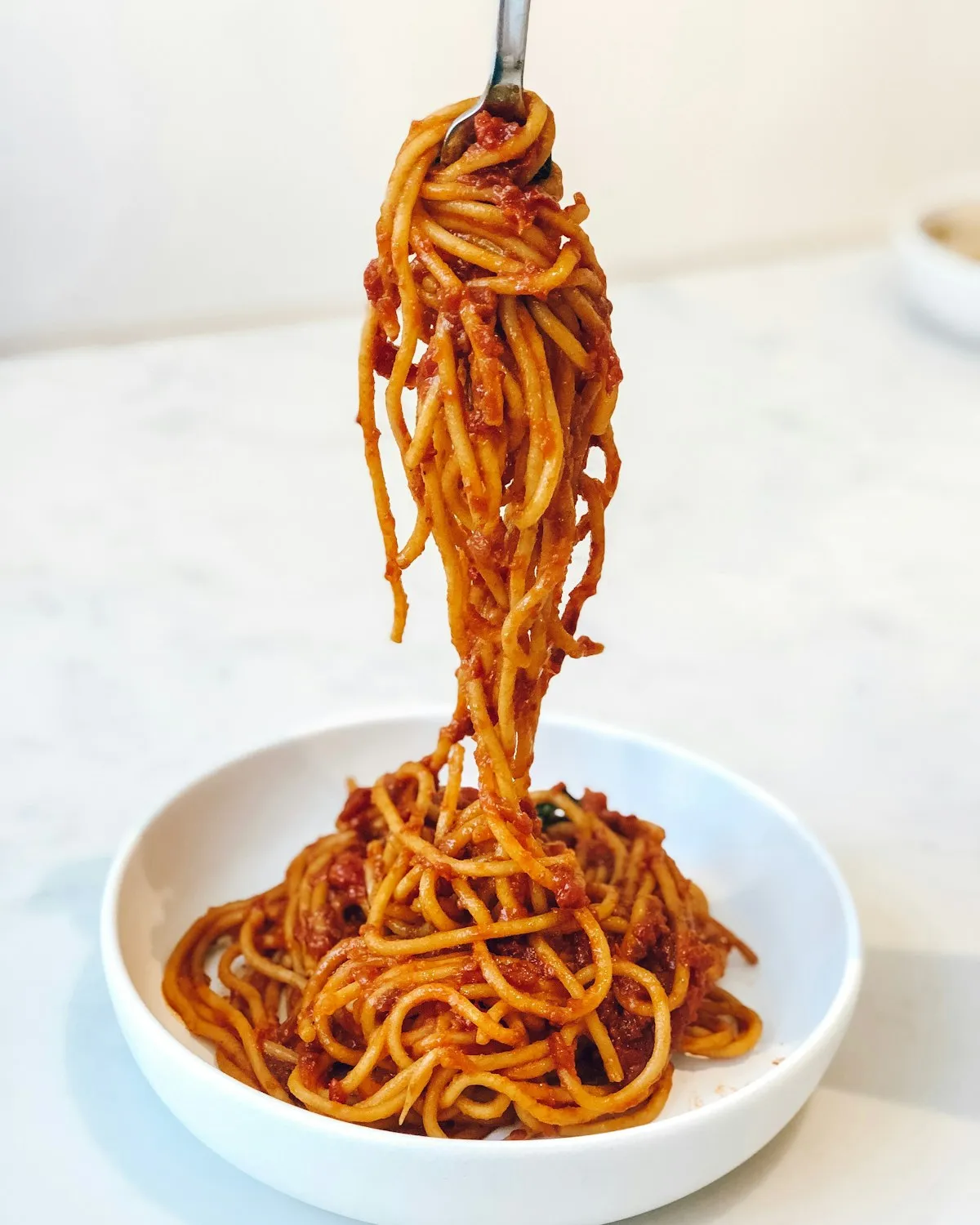
The first big idea here is wok-hei, often described as the “breath of the wok.” It sounds poetic, and it is, but it is also very practical. Wok-hei comes from intense heat hitting oil, sauce, proteins, and starches in quick bursts. At that temperature, water evaporates fast, surfaces sear instead of stew, and tiny flavour compounds develop from browning and charring. That is why a proper stir-fry tastes lively rather than sleepy. If the pan is too cool, everything releases moisture, the ingredients steam one another, and your noodles end up tasting a bit like they gave up halfway through.
Then there is the flavour balancing act. Thai cooking is brilliant at making your palate do a double take. Sweetness rounds off sharp edges, sourness brightens the whole bowl, salt brings depth, and spice adds heat and momentum. When these are balanced well, the dish feels exciting rather than chaotic. You are not meant to taste one note bulldozing the others. The goal is harmony with a little swagger.
And finally, prawns. Prawns cook fast because their muscle proteins denature quickly under heat. As they warm up, the proteins tighten, the flesh turns opaque, and the texture changes from soft and translucent to springy and tender. Keep going too long and those proteins contract further, squeezing out moisture. That is when perfectly lovely prawns transform into tiny edible stress balls. Brutal, but true.
Tips & Technique
If you want better Thai prawn noodles, start with heat. Real heat. The pan should be properly hot before anything goes in. Not “warm enough, probably” hot. Not “I can hear a gentle hiss” hot. Properly hot. High heat means faster evaporation, better browning, and less chance of the noodles and vegetables dumping liquid into the pan and creating an accidental soup.
Wok-hei depends on speed as much as temperature. Ingredients should spend short amounts of time making contact with a very hot surface, and they should be moved quickly so they sear without burning. This creates little spots of char and caramelisation while keeping the overall dish fresh and bright. The moment you overcrowd the pan, the temperature drops. Suddenly the wok is not breathing fire; it is quietly sulking.
The noodles matter too. Rice noodles are excellent at soaking up flavour, but they are also dramatic. Too dry, and they clump. Too wet, and they turn mushy and break apart when tossed. Their starches soften quickly, so they need to be treated like they are useful but slightly high-maintenance colleagues. The ideal texture is supple and springy, able to absorb sauce without collapsing into paste.
The prawns bring their own bit of food science to the party. Their flesh is mostly water and protein, and that protein responds quickly to heat. At the right point, the muscle fibres have tightened enough to become firm and juicy. Push past that point and they tighten too much, forcing out moisture. That is why prawns go from tender to rubbery in what feels like six emotionally devastating seconds. Their curved shape is also a clue: a gentle C-shape usually means they are cooked nicely, while a tight O-shape often means they have gone too far.
Balancing the sauce is where the dish starts feeling unmistakably Thai. Sweetness softens sharp edges and helps the sauce cling. Sourness lifts everything, keeping the bowl lively instead of heavy. Salt adds savoury backbone and depth. Spice brings heat, but more importantly, it creates contrast and momentum. The best bowls keep these elements in tension. If it is too sweet, it feels sticky and dull. Too sour, and it gets aggressive. Too salty, and all subtlety leaves the building. Too spicy, and your taste buds file a complaint.
Aromatics like garlic, ginger, chilli, and herbs also change character with heat. Brief exposure unlocks fragrance and sweetness. Too much heat for too long, and those same ingredients can turn bitter. This is why stir-frying feels so dramatic: done well, it is fast and controlled; done badly, it is chaos in a pan.
One more thing worth mentioning is surface moisture. Wet ingredients sabotage browning because the pan has to boil off that water first before any searing can happen. So if a stir-fry ever tastes pale and watery, that is usually the culprit. Dry surfaces plus high heat equals colour, aroma, and proper wok-hei. It is not glamorous advice, but it works.
Variations
One of the nicest things about Thai prawn noodles is how flexible the dish can be without losing its identity. If you want a brighter, sharper version, lean harder into sourness and herbs. The whole bowl feels lighter and more refreshing, especially if you like your noodles with a bit of zing.
If you prefer something rounder and richer, the sweet-salty balance can take the lead. That gives you a more mellow, comforting style where the savoury depth hangs around longer on the palate. It is the culinary equivalent of a friendly wink.
You can also shift the vegetable profile to change the overall texture. Crunchier vegetables make the dish feel fresher and snappier, while softer vegetables create a more relaxed, silky bowl. Same basic idea, different mood.
And if you like serious heat, the spicy element can absolutely be pushed further. Just remember that great Thai flavour is not about making your face melt off for sport. Heat works best when it sharpens the other tastes rather than flattening them. A little chaos is fun. Total flavour destruction is less charming.
For the prawns themselves, size changes the eating experience more than people think. Smaller prawns distribute through the noodles more evenly, so every bite gets a bit of sweetness and bounce. Larger prawns make the dish feel more luxurious and let that juicy, tender texture stand out. Either way, the same rule applies: cook them just enough, then stop meddling.
Side Dish Pairings
Because Thai prawn noodles already do a lot, side dishes should support rather than compete. Crisp, fresh sides work especially well because they contrast with the hot, glossy noodles. Think of textures and temperatures rather than trying to build an enormous feast for no reason on a Tuesday.
Something cool and crunchy helps reset the palate between bites, especially if the noodle dish has a decent chilli kick. A light salad with herbs and acidity makes perfect sense because it echoes the sour-fresh side of Thai flavour balancing. A broth-based side can work too, especially if it is clean and aromatic rather than heavy.
If you want to add extras on the table, go for finishing touches that let people tune the balance to their taste. That is one of the joys of this style of cooking. Some people want more lime, some want more chilli, some want more salty depth. Let them meddle. It is part of the fun.
The main thing is not to pair the noodles with anything too rich or stodgy. This dish shines when it stays lively. The whole point is contrast: heat and freshness, sweetness and sharpness, tenderness and crunch. Once everything becomes heavy, the sparkle disappears.
FAQ
What is wok-hei, exactly?
Wok-hei is the smoky, charred, slightly complex flavour that comes from cooking food very quickly over intense heat in a wok. It is created by rapid browning, light charring, oil vaporisation, and quick caramelisation. In plain English: it is the thing that makes a stir-fry taste exciting rather than boiled and bossy.
Why do prawns become rubbery so fast?
Because their proteins tighten quickly when heated. Once they are cooked through, continued heat makes those proteins contract further and squeeze out moisture. That leaves the prawns firm in a sad way instead of firm in a good way.
How do Thai flavours stay balanced?
By making sweet, sour, salty, and spicy support one another rather than compete. Sweetness rounds, sourness brightens, salt deepens, and spice energises. If one flavour dominates, the dish feels off. When they balance properly, each bite tastes layered and lively.
Why do stir-fried noodles sometimes turn soggy?
Usually because the pan is not hot enough, the ingredients are too wet, or the pan is overcrowded. Instead of searing, everything steams. That means less browning, weaker flavour, and softer noodles than you probably wanted.
Are rice noodles difficult to work with?
They can be a bit fussy, yes. They soften quickly and can go from perfect to floppy with very little warning. But once you understand that they need the right level of hydration and quick handling, they are brilliant at carrying bold flavours.
What makes prawns a good match for Thai-style noodles?
Their natural sweetness plays nicely against sour and spicy elements, and their quick-cooking protein structure makes them ideal for fast, high-heat dishes. They are basically built for weeknight stir-fry glory.
Final Thoughts
Thai prawn noodles might look like a simple fast dinner, but there is a lot going on under the hood. Wok-hei gives the dish that smoky, high-energy edge. The four Thai flavour pillars keep every bite balanced and interesting. And the prawn protein story explains why timing matters so much if you want tenderness instead of chewiness.
That is the beauty of this dish. It feels casual, tastes big, and rewards a bit of know-how without demanding culinary sainthood. So the next time a bowl of Thai prawn noodles tastes unbelievably good, you will know it was not luck. It was heat, balance, and a few very cooperative crustaceans.