Recipe
Servings
Servings 1×
Ingredients
- Chicken
- Cod
- Asparagus
- Avocado
- Butter
- Cooking oil
Method
- Prepare the ingredients described in the article and heat the cooking surface or oven as directed.
- Cook the main ingredients using the heat and timing guidance in the article.
- Finish with the seasonings and garnishes named in the article, then serve.
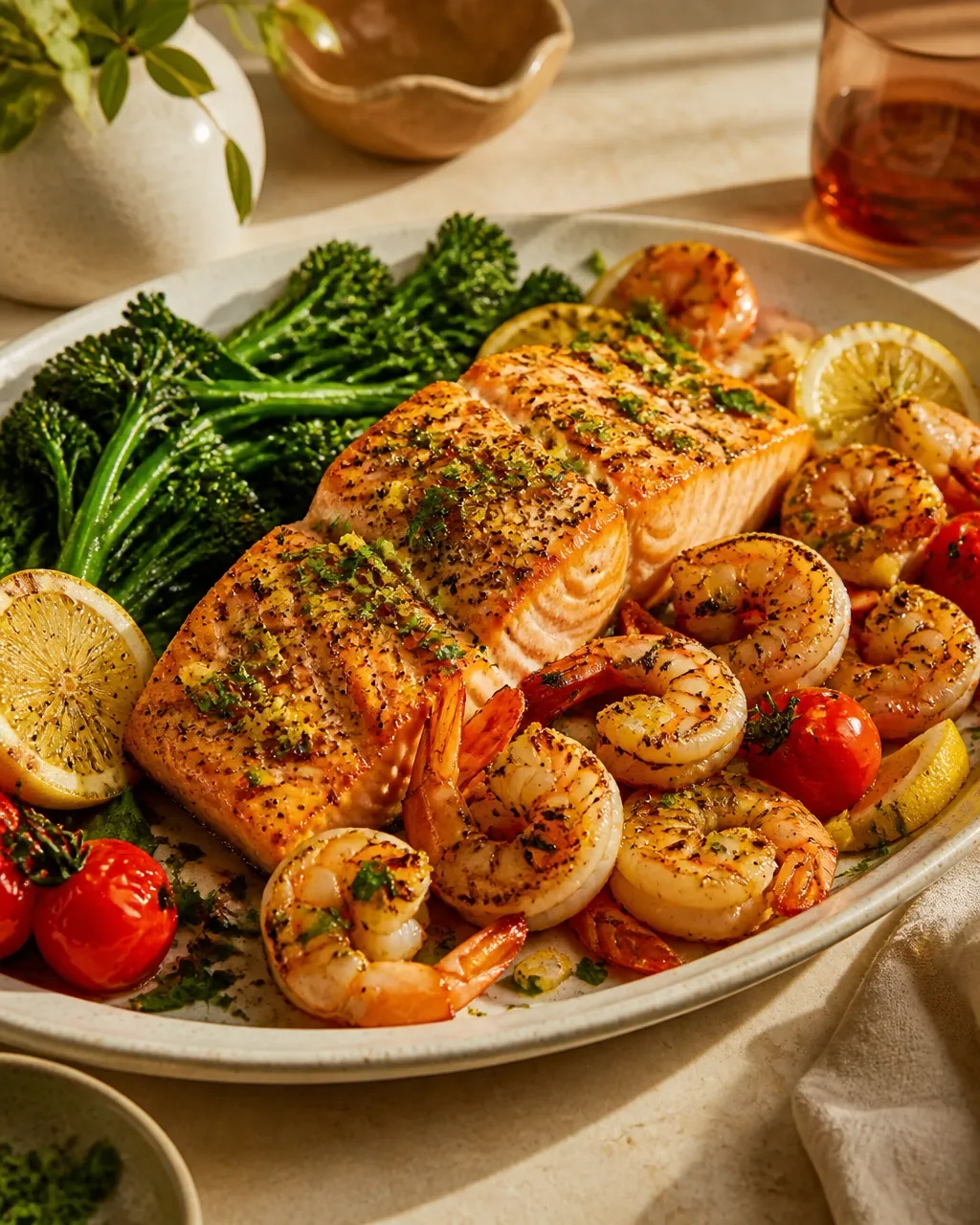
Let’s be honest: by Tuesday night, the romantic idea of spending two hours over a bubbling copper pot has usually evaporated, replaced by the siren song of the takeout menu. But before you surrender to another soggy delivery carton, let me introduce you to the ultimate weapon in my kitchen arsenal. Sheet pan meals aren't just a trend; they are a logistical masterpiece. When you pair a delicate, flaky white fish like cod with the earthy snap of asparagus, you aren't just making a meal; you're conducting a symphony of efficiency. This is one of those easy dinner recipes that feels like a cheat code for adulthood.
The Thermodynamics of the Sheet Pan
To master this dish, you have to understand that your baking sheet is more than just a tray; it’s a high-performance heat conductor. Most home cooks treat the oven as a "hot box" where things just happen to get cooked, but there is a specific science to why a sheet pan works so well for fish. Unlike a deep casserole dish, the low sides of a sheet pan allow hot air to circulate rapidly around the food. This prevents the dreaded "steaming" effect that turns vibrant vegetables into mush.
When you place your ingredients on the pan, you are looking for the Maillard reaction, that magical chemical dance between amino acids and reducing sugars that creates browning and complex flavor. Because cod has a high moisture content, you need that dry, circulating heat to evaporate surface water quickly so the fish can actually roast rather than boil in its own juices. Always pat your fish bone-dry with a paper towel before it touches the pan. If the surface is wet, the energy from the oven goes into turning that water into steam rather than browning the protein.
Choose a heavy-gauge rimmed baking sheet. Thinner pans can warp under high heat, leading to uneven oil distribution and "hot spots" that might overcook one fillet while another remains underdone. If you want to dive deeper into maximizing your kitchen efficiency, check out our guide on quick family meals for more time-saving strategies.
Understanding Protein Denaturation
Cod is a lean, mean, protein-packed machine, but it is incredibly sensitive to heat. The structure of fish muscle is different from land animals; it consists of short fibers called myotomes held together by thin layers of connective tissue (collagen). In cod, this collagen dissolves at a much lower temperature than it does in beef or chicken. This is why fish "flakes", the "glue" holding the muscle fibers together has literally melted away.
Your goal is to hit the sweet spot of protein denaturation. As the temperature rises, the proteins in the fish unfold and then coagulate. If you go too far, the proteins tighten up and squeeze out all the moisture, leaving you with something resembling a pencil eraser. Watch for the change from translucent to opaque. The moment the center of the thickest part of the fillet turns a solid, pearly white and the layers begin to separate under the slightest pressure from a fork, pull it out. Residual heat, the thermal energy remaining in the food after it leaves the oven, will finish the job during the few minutes it sits on the counter.
The Science of the Asparagus Snap
Asparagus is a fascinating vegetable from a structural standpoint. It is loaded with cellulose and lignin, the fibrous bits that give it that rigid "snap." When you roast it at high heat alongside your cod, you are aiming to break down enough of that cellulose to make it tender while retaining enough structure so it doesn't turn into a limp string.
The thickness of your spears matters immensely. Thin spears will cook in the time it takes for the oven to say "hello," while jumbo spears might need a head start. If you have particularly thick stalks, consider giving them a five-minute head start on the pan before adding the fish. Use a high-smoke-point fat like avocado oil or a refined olive oil. Avoid butter for the roasting phase; the milk solids will burn at the temperatures required to get that perfect roast on the asparagus tips. Save the butter for a finishing touch once the pan is out of the oven.
Variations: Acidity and Texture
While the classic pairing of lemon and garlic is a staple for a reason, the beauty of easy dinner recipes lies in their versatility. You can completely change the DNA of this dish by swapping your aromatics. The primary rule to remember is balance: fish and roasted greens are inherently "sweet" and "earthy," so you need acidity and salt to make the flavors pop.
Try an "Umami Bomb" version by brushing the cod with a thin layer of miso paste mixed with a drop of honey. The sugars in the honey will caramelize beautifully under the heat. Alternatively, go for a Mediterranean profile by adding Kalamata olives and capers to the pan. The saltiness of the olives provides a sharp contrast to the mildness of the cod.
If you crave texture, look to the "crunch factor." Since cod is soft and asparagus is tender-crisp, adding a handful of sliced almonds or toasted panko breadcrumbs during the last three minutes of roasting can elevate the mouthfeel of the entire meal. Just be sure to toast your nuts or crumbs slightly beforehand if they aren't getting enough color in the oven. For those looking to keep things light, explore our other healthy dinner ideas that focus on vibrant, fresh ingredients.
Side Dish Pairings for Perfect Balance
Since your oven is already doing the heavy lifting, your side dishes should be low-maintenance but high-impact. The key here is to find something that can soak up the flavorful juices that collect on the sheet pan: what the French call jus.
A fluffy bed of quinoa or couscous is a fantastic choice because they cook in roughly ten minutes and act like a sponge for the lemon and garlic oil from the pan. If you want a temperature contrast, a cold, crunchy slaw with a vinegar-based dressing provides a refreshing "snap" that cuts through the richness of the roasted fish. Avoid heavy, cream-based sides; you want to maintain the lightness that makes this sheet pan dinner so appealing.
Frequently Asked Questions
Can I use frozen cod for this?
Yes, but with a scientific caveat. Frozen fish often contains extra moisture from the freezing process. If you put a frozen fillet straight onto the pan, it will release a puddle of water, effectively poaching your asparagus instead of roasting it. Thaw the cod completely in the refrigerator overnight and, most importantly, squeeze it gently between paper towels to remove excess water.
What if my asparagus is ready but the fish isn't?
This happens if your fillets are particularly thick. If the asparagus is looking brown and tender but the fish is still translucent, simply use a pair of tongs to slide the asparagus off the pan and onto a warm plate. Cover them loosely with foil and let the fish finish its journey alone. Next time, try to find cod fillets that are a consistent one-inch thickness.
Why did my fish stick to the parchment paper?
Parchment paper is generally non-stick, but lean fish like cod can sometimes bond to the fibers if the pan wasn't hot enough or if there wasn't enough oil. Ensure you coat the bottom of the fish with a thin layer of oil. Alternatively, you can roast directly on the metal pan for better heat transfer, but you must be diligent about greasing the surface.
Can I use a different type of fish?
Absolutely. Any firm white fish will work: haddock, pollock, or even halibut. However, keep in mind that thickness is the primary driver of cook time, not the species. A thick piece of halibut will take significantly longer than a thin fillet of sole. Adjust your timing based on the "flake test" mentioned earlier.
Is it safe to eat if the fish is slightly translucent in the center?
According to the FDA, fish should reach an internal temperature of 145°F. However, many chefs prefer to pull the fish at 130-135°F and let the carryover cooking bring it up to the finish line. If the fish is "vibrant" and opaque on the outside but still has a tiny hint of translucency in the very center, it’s usually perfect after a three-minute rest. Use your judgment and a reliable meat thermometer if you’re unsure.
By focusing on the science of heat and the nature of your ingredients, you can turn easy dinner recipes into gourmet experiences without the gourmet effort. Now, get that oven preheated and give that takeout menu a rest!