Recipe
Servings
Servings 1×
Ingredients
- Shrimp
- Pasta
- Noodles
- Greek yogurt
- Bread
- Cauliflower
- Broccoli
- Asparagus
- Zucchini
- Spinach
- Kale
- Garlic
- Lemon
- Coconut milk
- Cream
- Cooking oil
- Black pepper
Method
- Prepare the ingredients described in the article and heat the cooking surface or oven as directed.
- Cook the main ingredients using the heat and timing guidance in the article.
- Finish with the seasonings and garnishes named in the article, then serve.
You know those nights when the clock is ticking, the family is staring at you like a pack of hungry wolves, and you’ve got approximately zero energy to spend hours over a stove? I’ve been there. That is exactly why I swear by 15 minute meals that actually taste like they came from a high-end bistro. My 15-Minute Creamy Garlic Shrimp is the ultimate "emergency" dinner that doesn’t feel like an emergency. It is silky, garlicky, and decadent, yet it hits the table faster than you can find a matching pair of socks.
The Science of the Perfect Sear
When it comes to shrimp, speed is your best friend and heat is your greatest weapon. Shrimp are essentially little bundles of protein: mostly myosin and actin: that react violently to heat. The moment they hit a hot pan, those proteins begin to denature and coil up. If you cook them too long, they tighten into tough, rubbery little "O" shapes. You want them to form a gentle "C" shape. Stop right there. I’m telling you, 60 to 90 seconds per side is all you need. Any longer, and you’re eating pencil erasers.
The magic happens in the pan before the cream even touches the surface. Use a heavy-bottomed skillet to ensure even heat distribution. When you sear the shrimp, you are looking for a light Maillard reaction: that beautiful browning of proteins: without overcooking the interior. This is why you must pat your shrimp bone-dry with paper towels before they touch the oil. If they are wet, they will steam instead of sear. Steamed shrimp are gray and sad; seared shrimp are pink, vibrant, and packed with flavor.
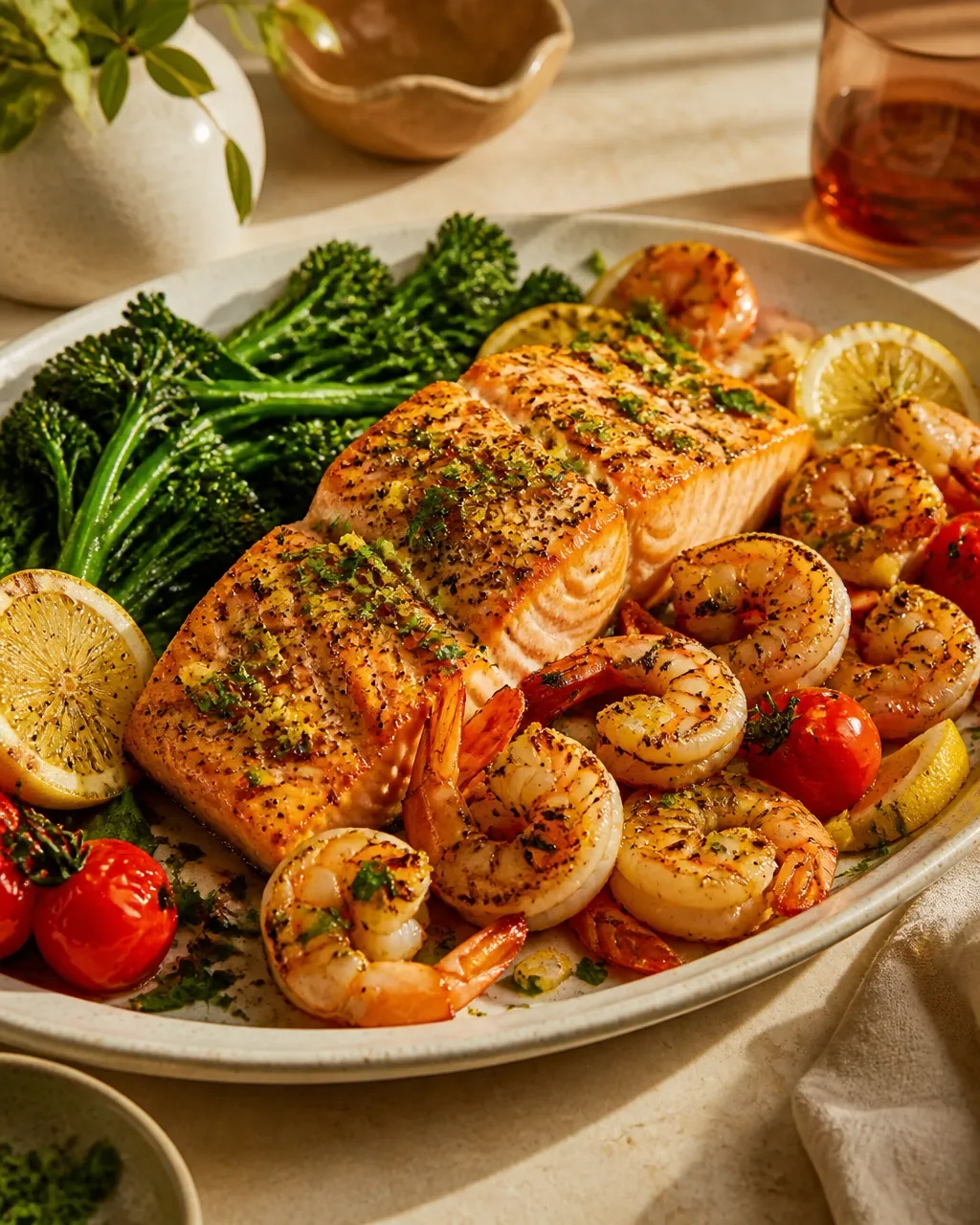
Now, let’s talk about the garlic. Garlic contains a compound called allicin, which is responsible for that pungent, wonderful aroma. However, garlic is also incredibly delicate. If you brown it until it’s dark, it turns bitter and ruined. I always add my garlic to the pan after the shrimp are removed. Stir it constantly. You only need about 30 seconds until it becomes fragrant. If you see it turning dark brown, pull the pan off the heat immediately.
The secret to that velvety sauce without it feeling heavy is a stable emulsion. I use a tiny bit of flour to create a roux with the residual oil and shrimp juices. This acts as a bridge between the fats in the cream and the liquids in the broth. Without this stabilizer, your sauce might "break," leaving you with a greasy puddle and curdled white bits. By whisking in your room-temperature liquids slowly, you build a structural mesh that keeps the sauce silky and consistent throughout the meal.
Creative Variations for Every Palate
While I love the classic profile of garlic and cream, my blog is all about making recipes work for your kitchen. If you are leaning into healthy dinner ideas, you can easily lighten this up. Swap the traditional cream for a mix of vegetable broth and a splash of Greek yogurt stirred in at the very end (off the heat!). The acidity of the yogurt adds a tangy brightness that cuts through the richness of the shrimp.
For a dairy-free version that still feels luxurious, reach for full-fat coconut milk. It pairs beautifully with the garlic and gives the dish a subtle tropical undertone that works surprisingly well with seafood. If you want to add a bit of heat, toss in a generous pinch of red pepper flakes or a teaspoon of smoked paprika during the garlic-sauté phase. The fat in the oil will carry the capsaicin (the heat element) throughout the entire dish, giving you a warm, back-of-the-throat glow rather than a sharp sting.
If you are a fan of greens, toss in a handful of baby spinach or chopped kale right when you return the shrimp to the pan. The residual heat will wilt the greens in seconds, adding color and nutrients without requiring extra cooking time. This is a great way to turn this into one of those quick family meals where you don't even need a side salad.
Mastering the Side Dish Balance
A rich, creamy sauce needs a partner that can handle its weight. The golden rule here is balance: you need acidity or starch to play off the fat. I almost always serve this over al dente pasta. The starch from the pasta helps the sauce cling to every strand, ensuring you don't leave a single drop of garlicky goodness behind. If you're looking for a lower-carb option, zucchini noodles or steamed cauliflower are excellent vehicles for the sauce.
Acidity is the other half of the equation. A squeeze of fresh lemon juice just before serving isn't just for show; the citric acid literally breaks up the perception of fat on your palate, making each bite taste fresh rather than heavy. Pair this with a crisp white wine like a Pinot Grigio or a Sauvignon Blanc. The high acidity in the wine mimics the lemon, cleaning your palate between bites of rich, creamy shrimp.
If you have a bit more time, a side of roasted asparagus or broccoli is fantastic. The charred, earthy notes of roasted vegetables provide a grounded contrast to the silky sauce. If you’re really in a hurry, just grab a loaf of crusty sourdough or a baguette. There is nothing: and I mean nothing: more satisfying than mopping up the extra garlic cream with a piece of warm bread.
Frequently Asked Questions
Can I use frozen shrimp for this?
Absolutely, and in many cases, I prefer it. Most "fresh" shrimp at the grocery store were previously frozen and thawed behind the counter anyway. Buying them frozen allows you to thaw them exactly when you need them. To thaw quickly, place them in a bowl of cold water for about 10-15 minutes. Just remember my non-negotiable rule: pat them completely dry before cooking.
Why did my sauce separate or curdle?
Sauce separation usually happens for two reasons: heat or temperature shock. If you add ice-cold milk to a scorching hot pan, the proteins in the dairy will seize up and clump. Always use room-temperature liquids. Secondly, if you boil the sauce too vigorously after adding the dairy, the emulsion can break. Keep it at a gentle simmer, never a rolling boil.
How do I prep the garlic for the best flavor?
Avoid the jarred pre-minced garlic at all costs. It lacks the aromatic oils of fresh garlic and often has a weird, metallic aftertaste. Roughly chop your garlic for this recipe instead of mincing it into a paste. Larger pieces are less likely to burn and provide nice little "flavor bombs" throughout the sauce.
Is this recipe suitable for meal prep?
Shrimp is best eaten immediately. When you reheat it, the shrimp will inevitably overcook and become rubbery. However, if you must reheat it, do so very gently on the stovetop over low heat with an extra splash of broth or milk to loosen the sauce. Avoid the microwave if you value the texture of your seafood!
What if I don't have white wine?
No problem. You can substitute the wine with extra vegetable or chicken broth and a teaspoon of lemon juice or white wine vinegar. The goal of the wine is to provide acidity and depth; the vinegar or lemon will cover the acidity, while the broth provides the volume.
Cooking doesn't have to be a chore, even when you're short on time. By focusing on the science of heat and the balance of flavors, you can turn a few simple ingredients into a meal that feels like a celebration. For more kitchen inspiration and quick family meals, check out our full collection at Cookpedia. Whether you’re looking for air fryer recipes dinner ideas or simple pan-seared classics, I’ve got you covered. Get in that kitchen and make some magic happen!