Recipe
Servings
Servings 1×
Ingredients
- Salmon
- Shrimp
- Tofu
- Rice
- Cauliflower
- Peas
- Corn
- Cucumber
- Avocado
- Garlic
- Fresh ginger
- Lime
- Honey
- Cooking oil
- Soy sauce or tamari
- Sesame
- Salt
Method
- Prepare the ingredients described in the article and heat the cooking surface or oven as directed.
- Cook the main ingredients using the heat and timing guidance in the article.
- Finish with the seasonings and garnishes named in the article, then serve.
You’ve had one of those days where the clock is ticking, the fridge looks sparse, and the temptation to order takeout is reaching a fever pitch. Stop right there. My blog is all about proving that you can outrun the delivery driver and eat better too. This 15-minute Thai salmon stir-fry is one of those quick family meals that feels like a total cheat code. It’s vibrant, spicy, and packed with the kind of soulful flavor that makes you feel like a pro chef in your own kitchen.
The Science of the Sear and Sizzle
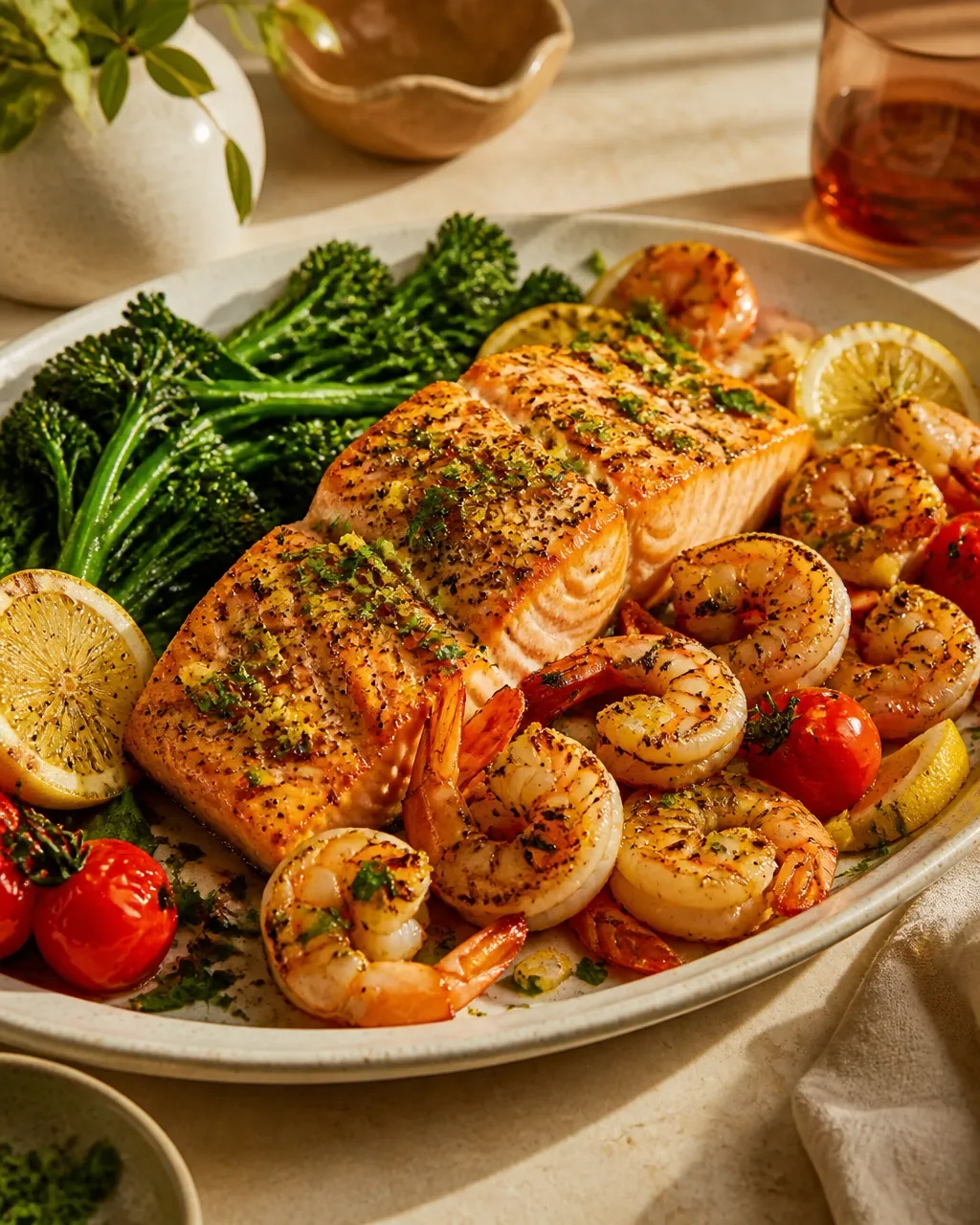
Stir-frying is essentially a race against time, and understanding the "why" behind the heat will save your dinner. When you’re working with salmon, you aren't just cooking it; you're managing a delicate balance of fat and protein. Salmon is a fatty fish, which makes it incredibly forgiving, but it also means it can turn into a mushy mess if you don't treat it with respect.
Master the Maillard Reaction. To get those gorgeous, golden-brown edges on your salmon cubes, you need high heat. The Maillard reaction: the chemical reaction between amino acids and reducing sugars: only happens effectively when your pan is screaming hot. Use a high-smoke point oil like grapeseed or avocado oil. Avoid olive oil here; it’ll smoke and turn bitter before the salmon even hits the pan.
Don’t be a "Pan-Toucher." This is the most common mistake home cooks make. Once you drop your salmon cubes into the wok or skillet, leave them alone. If you move them too soon, the proteins will stick to the metal and tear. Wait for the fish to develop a crust; it will naturally release itself from the pan when it’s ready to be flipped. This patience is what separates a soggy stir-fry from a restaurant-quality meal.
Aromatic Alchemy. The secret to that authentic Thai punch lies in the "holy trinity" of ginger, garlic, and chilies. When you toss fresh ginger and Thai chilies into hot oil, you are performing a process called "blooming." The heat releases the fat-soluble flavor compounds (like gingerol in ginger and capsaicin in chilies) into the oil, which then coats every other ingredient you add later.
Watch the Clock. Remember, salmon continues to cook even after you take it off the heat. Aim to pull the fish when it’s just slightly underdone in the very center. By the time you’ve tossed it in the sauce and plated it, the residual heat will carry it to a perfect, buttery medium. This is the gold standard for healthy dinner ideas that don't compromise on texture.
Elevating the Aromatics
If you want to take your quick family meals to the next level, you have to get serious about your aromatics. Fresh ginger isn't just a suggestion; it's a non-negotiable. It provides a sharp, peppery bite that cuts through the richness of the salmon. Peel it with the edge of a spoon: it’s faster and wastes less of the root than a vegetable peeler.
Thai bird’s eye chilies are small but mighty. If you’re a heat-seeker, slice them with the seeds intact. If you want the floral flavor without the fire, scrape the seeds out. The heat in chilies comes from the capsaicin, which is concentrated in the white pith and seeds. Balance this heat with a splash of lime juice at the very end. The acidity of the lime acts as a "brightener," waking up the flavors and balancing the salty umami of the fish sauce or soy sauce.
Flavor Variations for Every Palate
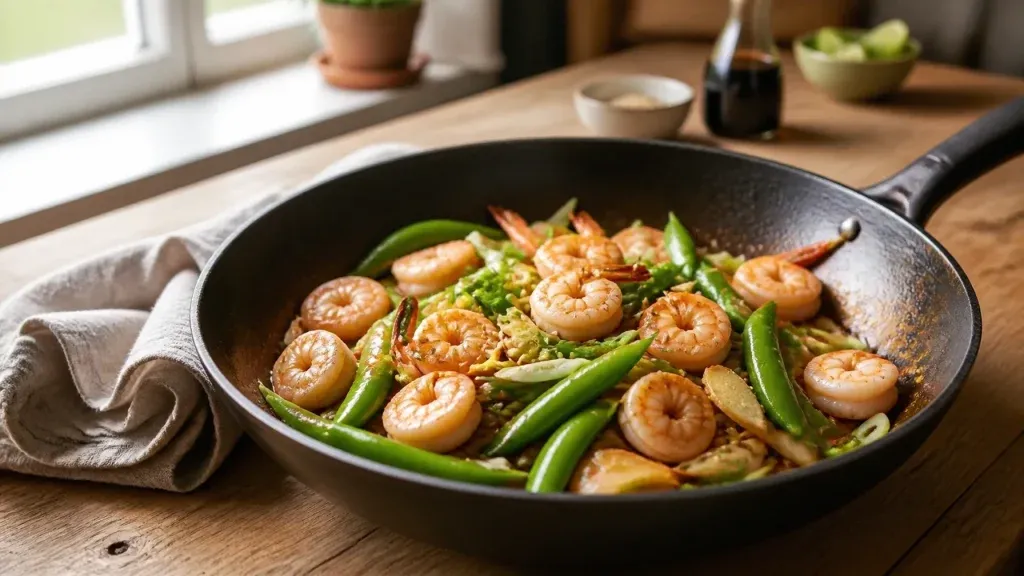
One of the reasons this dish is a staple on Cookpedia is its sheer versatility. If you aren't a fan of salmon, you can easily swap it for firm tofu or large shrimp. Just remember that tofu requires a bit more time to crisp up, and shrimp will cook even faster than salmon: usually in under three minutes total.
For a crunchier texture, toss in a handful of toasted peanuts or cashews right before serving. The fat from the nuts provides a lovely counterpoint to the spicy chilies. If you’re leaning into a more "green" profile, add snap peas or baby corn. The key is to keep the vegetables small and uniform so they cook in the same 2-3 minute window as the aromatics. This ensures that nothing ends up overcooked or soggy.
If you’re looking for more healthy dinner ideas, try substituting the traditional brown sugar in the sauce for a touch of honey or even a splash of orange juice. The natural sugars will still caramelize beautifully, giving you that signature Thai "sweet and salty" profile without the refined additives.
The Perfect Pairing
A stir-fry is only as good as what it’s served with. Traditionally, a bed of jasmine rice is the way to go: it acts like a sponge for all that ginger-infused sauce. If you’re looking for a lower-carb option, cauliflower rice is a fantastic substitute. Because this stir-fry is so bold, you want a side that provides a neutral, grounding base.
For a bit of freshness, serve a quick smashed cucumber salad on the side. The cooling effect of the cucumbers, dressed in a little rice vinegar and sesame oil, is the perfect foil to the heat of the Thai chilies. It’s all about creating a balanced plate where acidity, heat, salt, and sweetness live in harmony.
Frequently Asked Questions
Can I use frozen salmon for this?
Absolutely, but with one major caveat: it must be completely thawed and patted bone-dry. Any excess moisture on the surface of the fish will create steam, and steam is the enemy of a good sear. If your fish is wet, it will boil in the pan instead of frying, and you’ll lose that beautiful texture.
What if I don't have a wok?
Don't sweat it. A large, heavy-bottomed stainless steel or cast-iron skillet works just as well. The main advantage of a wok is its shape, which allows for easy tossing and different heat zones, but a skillet provides more surface area for that all-important searing. Just make sure you don't overcrowd the pan; cook in batches if you have to.
Is this dish too spicy for kids?
It depends on the kid, but you can easily control the heat. The flavor of this dish doesn't rely solely on the chilies: the ginger and garlic do a lot of the heavy lifting. You can omit the chilies entirely for a "mild" version, or use a milder pepper like a Fresno chili.
Can I cook the salmon in an air fryer instead?
While this is a stir-fry recipe, we love air fryer recipes dinner enthusiasts at Cookpedia! You can certainly air-fry the salmon cubes at 400°F (200°C) for about 6-8 minutes and then toss them into the sautéed aromatics and sauce at the very end. It won't have that classic "wok hei" (breath of the wok) flavor, but it’s a very reliable way to get perfectly cooked fish every time.
Why does my ginger taste soapy?
If your ginger tastes soapy or bitter, it might be old. Fresh ginger should have a thin, taut skin and a spicy, clean aroma. If the skin is wrinkled and the flesh is fibrous or woody, it’s past its prime. Always look for firm pieces at the grocery store to ensure your quick family meals taste their best.
How long do leftovers last?
Salmon is best enjoyed fresh, but you can store leftovers in an airtight container for up to two days. Reheat it gently in a pan over medium-low heat; avoid the microwave if possible, as it tends to make the fish rubbery and can produce a "fishy" aroma that won't win you any friends in the office breakroom.