Recipe
Servings
4 bowls 1×
Serves 4 bowlsPrep 10 minCook 20 minTotal 30 min
Nutrition per serving
Ingredients
- 500 g ground beef 20% fat preferred
- 400 g small pasta shapes shells or ditalini
- 250 g Greek yogurt full fat
- 50 g unsalted butter
- 1 tbsp tomato paste
- 700 ml beef or vegetable stock
- 5 cloves garlic divided: 3 for meat, 2 for yogurt
Method
- Brown the ground beef in a large skillet over medium-high heat until crispy.
- Sauté with diced onion, minced garlic, and tomato paste until fragrant.
- Stir in the dry pasta and add stock until just covered.
- Simmer for 10-12 minutes until the pasta is al dente and the sauce has thickened naturally.
- In a bowl, whisk together the Greek yogurt, grated garlic, and a pinch of salt until smooth and punchy.
- Melt butter in a small pan and stir in the paprika.
- Let it bloom for 30 seconds until the butter turns a vibrant, smoky red.
- Divide the hot pasta into bowls.
- Top each with a generous dollop of garlic yogurt and a drizzle of warm paprika butter.
- Garnish with fresh parsley.
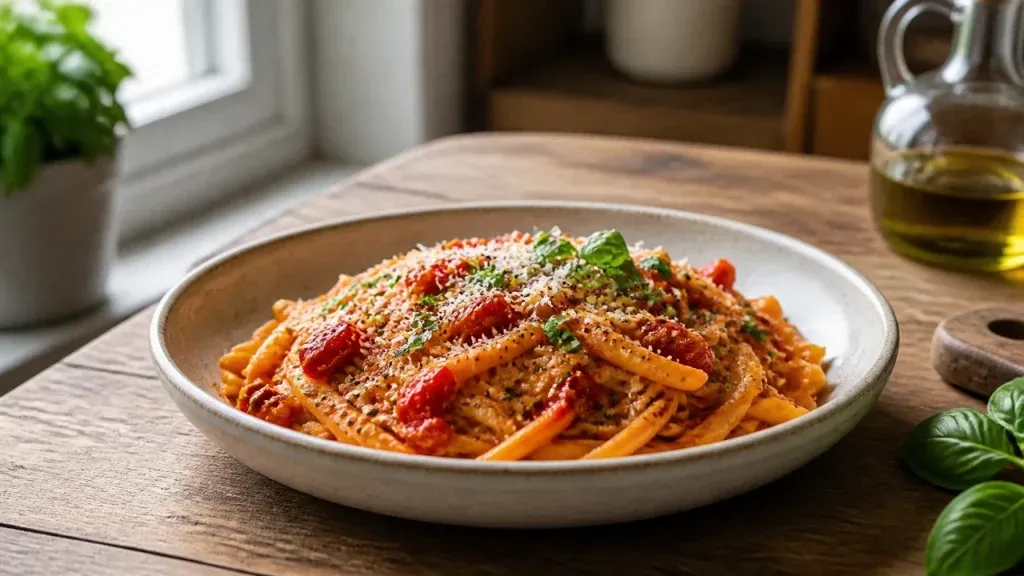
Salçalı makarna is one of those humble dishes that somehow tastes like a small miracle. It’s simple, fast, deeply comforting, and proof that tomato paste deserves way more respect. On my blog, I love foods that do a lot with very little, and this one absolutely shows off. The real trick is not the pasta itself. It’s what happens when tomato paste hits hot oil or butter and turns from sharp and concentrated into something rich, sweet, and wildly cosy.
Tips & Technique
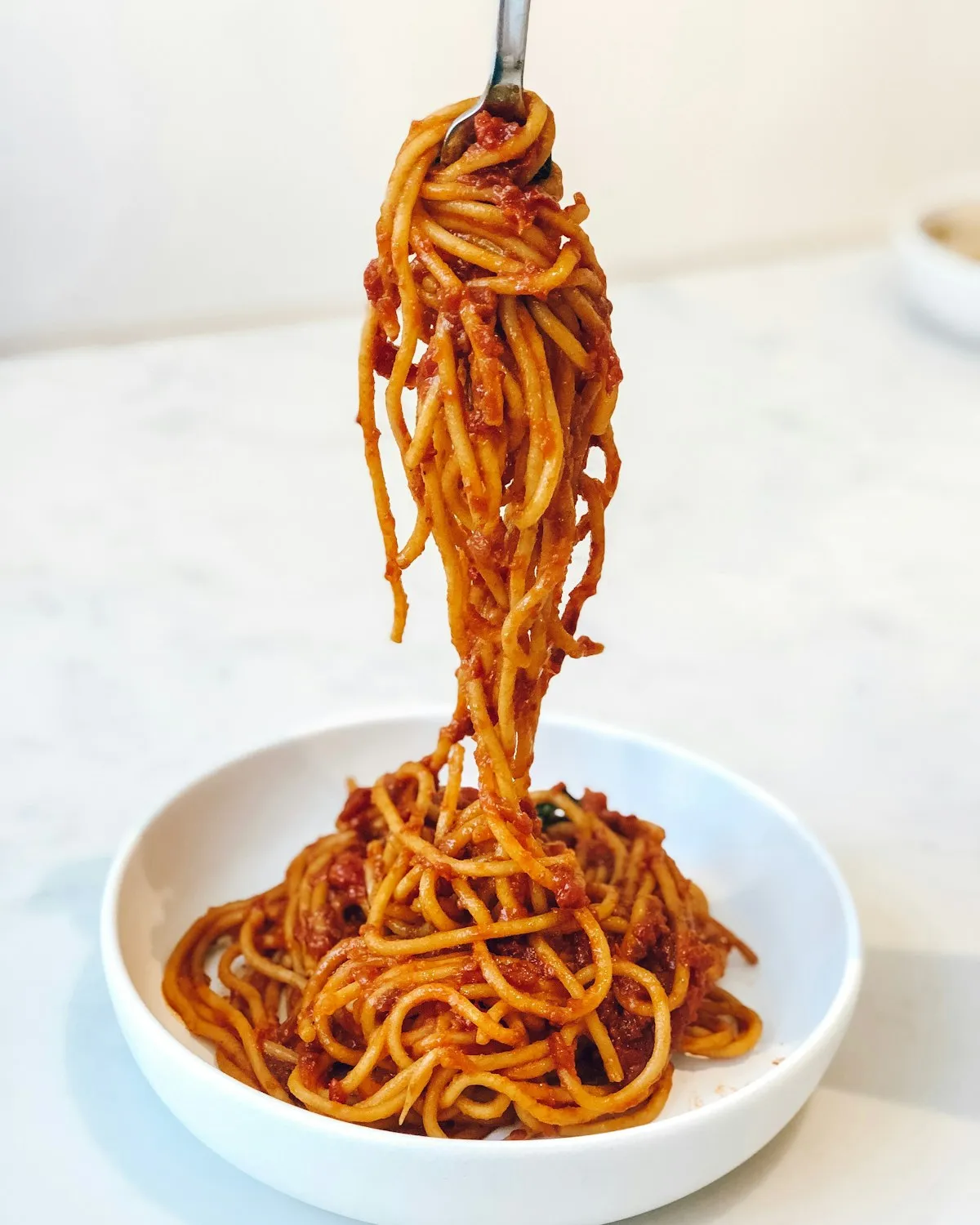
If salçalı makarna has a main character, it is the tomato paste. Not the pasta, not the cheese, and not any extra topping people add at the end. The whole dish really turns on one small move: frying the paste before anything else properly comes together.
A lot of people use tomato paste like a background ingredient. They stir it into water, stock, or sauce and move on. That works, but this dish shows why the paste deserves more attention. When tomato paste hits hot butter, oil, or a mix of both, it starts changing almost immediately. The raw, sharp edge softens. The colour deepens. The smell gets rounder and warmer. It stops tasting like something straight from a tube and starts tasting like the base of a real sauce.
That change happens because tomato paste is concentrated. It is packed with tomato solids, natural sugars, acids, and savoury compounds. Frying helps wake those up in the best way. The fat carries flavour through the pan, and the heat encourages the paste to darken slightly and mellow out. You are not trying to burn it. You are trying to cook off that raw taste and build something sweeter, deeper, and more balanced.
Butter gives the dish a softer, fuller feel, while oil keeps things a bit lighter and handles heat nicely. Using both is a smart move if you want richness without making the pan feel too heavy. The key is keeping the heat around gentle to medium so the paste sizzles and cooks rather than catches and turns bitter.
The next bit of magic is the starch. In a one-pan setup, pasta releases starch into the cooking liquid, and that starch is incredibly useful. Instead of being poured away, it stays in the pan and helps everything come together. Once it mixes with the fried tomato paste and fat, it starts building that glossy coating that makes salçalı makarna feel so complete. This is why the dish can taste silky and rich without needing cream or a long ingredient list.
That texture matters just as much as the flavour. You do not want watery red liquid around plain pasta, and you definitely do not want oil splitting away from the sauce. Starch helps smooth those extremes out. It thickens the liquid just enough and encourages the sauce to cling rather than slide off. The result is a pasta that tastes coated in flavour instead of merely sitting next to it.
Heat control matters all the way through. Too low, and the paste never really develops. Too high, and it can go from delicious to bitter in seconds. Stirring helps keep it moving and cooking evenly. You are looking for a darker red shade and a mellow, savoury smell that tells you the paste has relaxed into itself.
Pasta shape plays a part too. Short shapes usually do best because all the curves, ridges, and hollow bits catch the glossy sauce so well. Long pasta can still work, but short pasta really shows off the texture.
The final trick is restraint. Salçalı makarna works because it does not try to do ten things at once. Fried paste gives depth, starch gives body, and the pasta brings it all together. That is the whole secret, and honestly, it is more than enough.
Variations
Salçalı makarna is wonderfully flexible, which is great news if you like to cook by mood rather than by strict rules. The classic version keeps things simple and lets the fried tomato paste do all the talking, but there are a few easy ways people give it a different personality.
Some versions lean richer by using more butter, which gives the sauce a softer, silkier feel. Others go sharper and brighter with a little chilli heat in the background, turning the dish from cosy to cheeky. A spoonful of yogurt on top can add a cool, tangy contrast that works beautifully against the warm tomato base. Grated cheese also shows up often, adding salty depth and making the whole bowl feel extra comforting.
If you like texture, a crunchy topping can wake things up. Think toasted crumbs, crisp onions, or a little crack of black pepper over the top. Fresh herbs can make the dish feel lighter and fresher, especially if you want it to sit closer to healthy dinner ideas than full-on sofa food. That said, there is no need to over-style it. This dish wins because it is simple.
You can also shift the vibe depending on who is eating. For kids, a milder, buttery version usually goes down very well. For grown-ups, a slightly more intense tomato flavour with heat or garlic can make it feel bolder. It is one of those quick family meals that can quietly adapt without becoming a totally different dinner.
And while the internet loves grouping every easy dinner into trendy categories, this dish is a good reminder that a plain old pan still has plenty of magic left in it.
Side Dish Pairings
Because salçalı makarna is rich in flavor but simple in structure, it pairs best with sides that bring freshness, crunch, or cool contrast. A plain yogurt side is one of the easiest and smartest matches. The creamy tang balances the sweetness and depth of the fried tomato paste beautifully.
A cucumber salad also works really well. Something crisp and fresh helps cut through the warm, silky pasta and keeps the meal from feeling too heavy. Pickles bring a nice sharp bite if you want a more punchy contrast. Bread is another classic move, especially if you are the sort of person who refuses to leave any red sauce behind. Respect.
If you want the meal to feel a bit more rounded without making life complicated, a simple leafy salad on the side does the job. Salçalı makarna already brings comfort, so the side dish does not need to perform acrobatics. It just needs to freshen up the plate a little.
That balance is probably why this dish keeps making sense for quick family meals. It is easy to build around, easy to serve, and easy to like. It even fits into the wider world of healthy dinner ideas when paired with lighter sides instead of heavier extras.
FAQ
What does salçalı makarna mean?
It simply means pasta with salça, which is a concentrated paste used a lot in Turkish cooking. In this case, that usually means tomato paste. The name sounds plain, but that is part of the charm. It is a straightforward dish built on one strong flavour idea rather than a long list of ingredients.
Why fry the tomato paste first?
Because that is where most of the depth comes from. Frying the paste in oil or butter softens the raw taste and brings out a sweeter, richer flavour. Without that step, the sauce can taste flat or slightly harsh. With it, the whole dish feels warmer, rounder, and much more comforting.
Is this really a one-pan pasta?
It can be, yes. The main point is that the starch from the pasta stays close and helps form the final sauce. Instead of draining all that useful starch away, it works with the tomato paste and fat to create the glossy texture that makes the dish feel properly finished.
Why does the sauce cling to the pasta so well?
That comes down to starch. As pasta cooks, it releases starch into the liquid. That starch thickens things slightly and helps the fat and tomato paste combine more smoothly. The result is a coating that sticks to the pasta instead of separating into watery or oily patches.
Is salçalı makarna spicy?
Not by default. The basic version is more savoury, tangy, and rich than hot. You can add chilli if you like, but the core dish is usually mild and very easy to keep family-friendly.
What kind of pasta works best?
Short pasta usually works best because ridges, curves, and hollow centres grab onto the sauce nicely. That said, this is not a strict rule. If long pasta is what you have, it will still do the job. The sauce is forgiving.
Can I make it feel a bit more balanced?
Yes, very easily. A side of yogurt, some cucumber, or a fresh salad can lift the whole meal without making it complicated. The pasta brings the comfort, and the side brings contrast.
What makes this dish so comforting?
It is the mix of deep tomato flavour, glossy coated pasta, and the warm aroma that comes from frying the paste properly. It is simple food, but it feels complete. Nothing flashy, nothing fussy, just a bowl that tastes far more satisfying than its short ingredient list would suggest.