Recipe
Servings
4 servings 1×
Serves 4Prep 15 minCook 15 minTotal 30 min
Nutrition per serving
Ingredients
- 400 g pasta Fusilli or Farfalle recommended
- 300 g fresh salmon fillets about 2 fillets
- 200 g frozen petit pois or standard frozen peas
- 2 cloves garlic minced
- 1 small shallot finely diced
- 150 ml heavy cream or crème fraîche
- 5 lemon zest and juice
- 1 handful fresh dill or parsley, chopped
- Olive oil, salt, and black pepper to taste
Method
- Preheat oven to 180°C.
- Drizzle salmon with oil, season, and bake for 12-15 minutes until flaky.
- Cook pasta in salted water.
- Add frozen peas to the same pot 2 minutes before the pasta is finished.
- Sauté shallot and garlic in oil.
- Add cream and simmer gently.
- Stir in lemon zest and juice.
- Drain pasta and peas (save some pasta water).
- Toss into the sauce skillet, adding water if needed for glossiness.
- Gently flake salmon into the pasta.
- Fold in fresh herbs and season to taste.
Intro
Pasta with salmon and peas is one of those meals that sounds a bit fancy but behaves like one of the best quick family meals you can throw together on a busy night. It’s creamy, bright, comforting, and just polished enough to make it feel like you’ve got your life together, even if dinner happened five minutes after someone asked, “What’s for tea?” for the fourth time.
What makes this dish especially clever is the way a few simple elements do a lot of heavy lifting. The salmon brings richness and tenderness. The peas add sweetness, colour, and that fresh pop that stops the whole thing from feeling too heavy. And the sauce? That’s where the real magic happens. A good creamy salmon pasta sauce should feel silky rather than gloopy, light rather than stodgy, and glossy rather than like it gave up halfway through.
That texture comes down to emulsification. Sounds technical, but it’s really just the science of helping fat and water get along in the same pan without throwing a tantrum. Pasta water is the peacekeeper here. Because it contains starch released during cooking, it helps the creamy base bind into a smooth sauce that clings to the pasta instead of pooling sadly at the bottom of the bowl. It’s a tiny detail that makes a massive difference.
This also earns a spot on the list of genuinely healthy dinner ideas. You’ve got protein from the salmon, fibre and sweetness from the peas, and a sauce that can feel luxurious without needing to be heavy-handed. It’s the sort of meal that feels comforting enough for a weeknight and fresh enough that you won’t immediately need a nap afterwards.
Tips & Technique
If you want this dish to taste better than the usual “cream + pasta = done” situation, it helps to understand what’s going on in the pan.
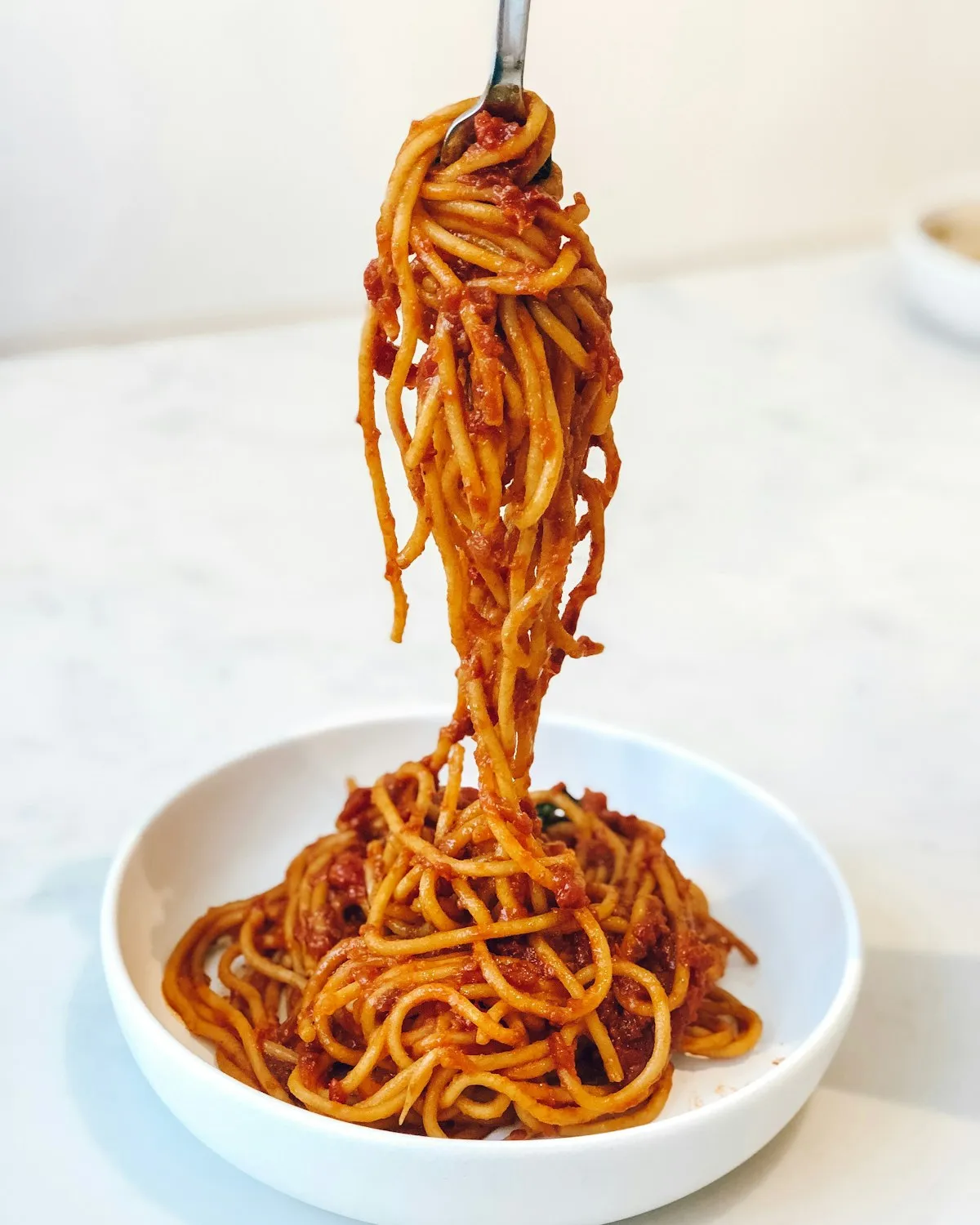
The first big thing is the sauce. Creamy pasta sauces work best when they’re emulsified, which means the fat from the creamy element and the water from the pasta cooking liquid are blended into one smooth, stable mixture. On their own, these two are not exactly best mates. Add starch, though, and suddenly everyone starts behaving. That starch acts like a support system, helping the sauce stay smooth and lightly thickened so it coats every twist, shell, or ribbon of pasta properly.
The result should be glossy and loose enough to move, not stiff enough to stand to attention. If a creamy sauce looks heavy and pasty, it usually means it didn’t get enough starchy water or it was reduced too aggressively. A bit of reserved pasta water gives you control. It helps the sauce stretch, shine, and hug the pasta instead of suffocating it. Very romantic. Very practical.
Then there’s the salmon, which deserves a bit of respect because it’s delicate. Salmon has a soft protein structure that changes quickly with heat. As it cooks, the proteins tighten and the flesh shifts from translucent to opaque. Push it too far, and it goes from tender flakes to dry disappointment in record time. This is why salmon in pasta should be treated gently. You want pieces that hold their shape but still break apart softly into the sauce, not rubbery cubes that seem personally offended to be there.
This delicate texture is part of what makes the dish so satisfying. The creamy sauce nestles around the salmon rather than overpowering it, and every bite gets a bit of richness without becoming too dense. It’s one of the reasons this recipe works so well for quick family meals: it feels impressive, but the ingredients are doing most of the work for you.
Peas might look like the supporting cast, but they play a bigger role than people give them credit for. Their sweetness balances the savoury richness of the salmon and sauce, and their bright green colour makes the whole bowl look fresher and lighter. They also bring a slightly firm, juicy bite, which helps contrast the softness of the pasta and fish. Without peas, this dish can lean a little too far into beige comfort. With peas, it wakes up.
Freshness matters here in more ways than one. Peas have a clean, sweet flavour that gives the whole dish lift, and that freshness makes a creamy pasta feel much less heavy. It’s the culinary equivalent of opening the playlist with a song that actually has some energy. The whole thing just perks up.
Another small but important technique point: timing. Pasta, sauce, salmon, and peas all need to meet at the right moment. If one component hangs around too long, the final texture slips. Pasta keeps absorbing liquid after cooking, so a sauce that looked perfect in the pan can turn thick and clingy if it waits too long. That’s why the final toss matters. When everything comes together while still hot and fluid, the sauce settles into the pasta beautifully instead of turning into a creamy glue situation nobody asked for.
Variations
One of the best things about this dish is how adaptable it is. The core idea stays the same: creamy sauce, tender salmon, sweet peas, and pasta that ties it all together. But small changes can shift the mood without losing what makes it work.
If you want something a little brighter, leaning into lemon and herbs gives the whole dish a fresher edge. This works especially well if you’re after healthy dinner ideas that still feel comforting but not overly rich. More citrus lift can make the creamy elements feel lighter and sharpen the flavour of the salmon.
If you want a cosier version, you can push the sauce slightly more towards richness with a deeper savoury note. This gives you a heartier bowl for colder evenings while still relying on pasta water to keep the sauce smooth and balanced. The trick is not to let “cosy” become “cement.”
Different pasta shapes also change the experience more than people think. Twists and ridges catch peas and flakes of salmon nicely, while longer pasta creates a silkier, more elegant feel. Neither is wrong. It’s just a question of whether your evening says “smart casual dinner” or “everyone is hungry and we need carbs immediately.”
You can also play with the fish texture. Larger flakes make the salmon feel more luxurious and distinct, while smaller pieces melt more into the sauce and give every bite a bit of savoury richness. Both work. One is a dinner-party wink, the other is weeknight efficiency.
Side Dish Pairings
This pasta doesn’t need much on the side, which is exactly why it’s so useful for busy evenings. It already covers comfort, protein, and a bit of brightness, so pairings should support rather than compete.
A crisp green salad works brilliantly because it adds crunch and keeps the meal feeling balanced. The contrast is helpful: cool, sharp freshness next to creamy, tender pasta. It’s a simple move, but it makes dinner feel more complete without creating loads more work.
A roasted green vegetable side also fits nicely if you want something warm on the plate. Keeping the flavours straightforward is the key. This dish already has enough personality; it doesn’t need a dramatic side dish trying to steal focus like an overexcited best man at a wedding.
If you’re serving this as one of your regular quick family meals, a light side is usually enough. The pasta itself is the star. For more relaxed weekend dinners, a small starter with crisp, fresh flavours can set things up beautifully and keep the final plate from feeling too one-note.
Bread can work too, mainly because creamy sauce and bread have an old and very committed relationship. Just keep it simple so the salmon and peas still get to shine.
FAQ
Why does pasta water make the sauce better?
Because it contains starch, which helps emulsify the sauce. In plain English, that means it helps the creamy and watery parts blend into a smooth, glossy texture instead of separating.
Why can salmon dry out so quickly?
Salmon has delicate proteins that tighten as they cook. Once they tighten too much, moisture gets pushed out and the fish turns dry. That’s why gentle cooking makes such a difference.
Do peas really matter in this dish?
Absolutely. They add sweetness, colour, freshness, and a bit of texture. Without them, the pasta can feel heavier and flatter in flavour.
Is this a good option for healthy dinner ideas?
Yes. It balances protein, vegetables, and comforting pasta in a way that feels satisfying without needing to be over-the-top heavy. It’s one of those healthy dinner ideas that still feels like proper comfort food.
What makes this one of the best quick family meals?
It’s fast, flexible, and broadly crowd-pleasing. The flavours are familiar, the texture feels a bit special, and the science-y trick with pasta water makes the sauce taste much better than the effort level suggests.
Why does the sauce sometimes go thick after mixing?
Pasta keeps absorbing liquid after cooking, so the sauce can tighten up as it sits. A little extra pasta water helps loosen it and bring back that silky finish.
Final Thoughts
Pasta with salmon and peas works because every part has a job. The creamy sauce gets its silkiness from pasta water and good emulsification. The salmon brings richness but stays delicate when treated gently. The peas keep everything bright, sweet, and fresh. Put it all together, and you’ve got one of those rare meals that lands squarely between comfort food and smart weeknight cooking.
For anyone collecting reliable quick family meals and fresh-feeling healthy dinner ideas, this one deserves a spot near the top. It’s easygoing, a little bit clever, and tasty enough to make you look far more organised than you probably are. Which, frankly, is the dream.