Recipe
Servings
Servings 1×
Ingredients
- Chickpeas
- Penne
- Pasta
- Noodles
- Zucchini
- Spinach
- Onion
- Garlic
- Cream
- Butter
- Cooking oil
- Salt
- Black pepper
Method
- Remove most of it if you want a silkier sauce.
- Keep blending until the mixture turns glossy and unified.
- Add some and the sauce thickens, clings, and turns glossy.
- Keep the sauce warm and lively, not violently boiling like it has a personal grudge.
- Use the one that matches your mood.
- Let the peppers steam briefly after roasting if you want easier peeling.
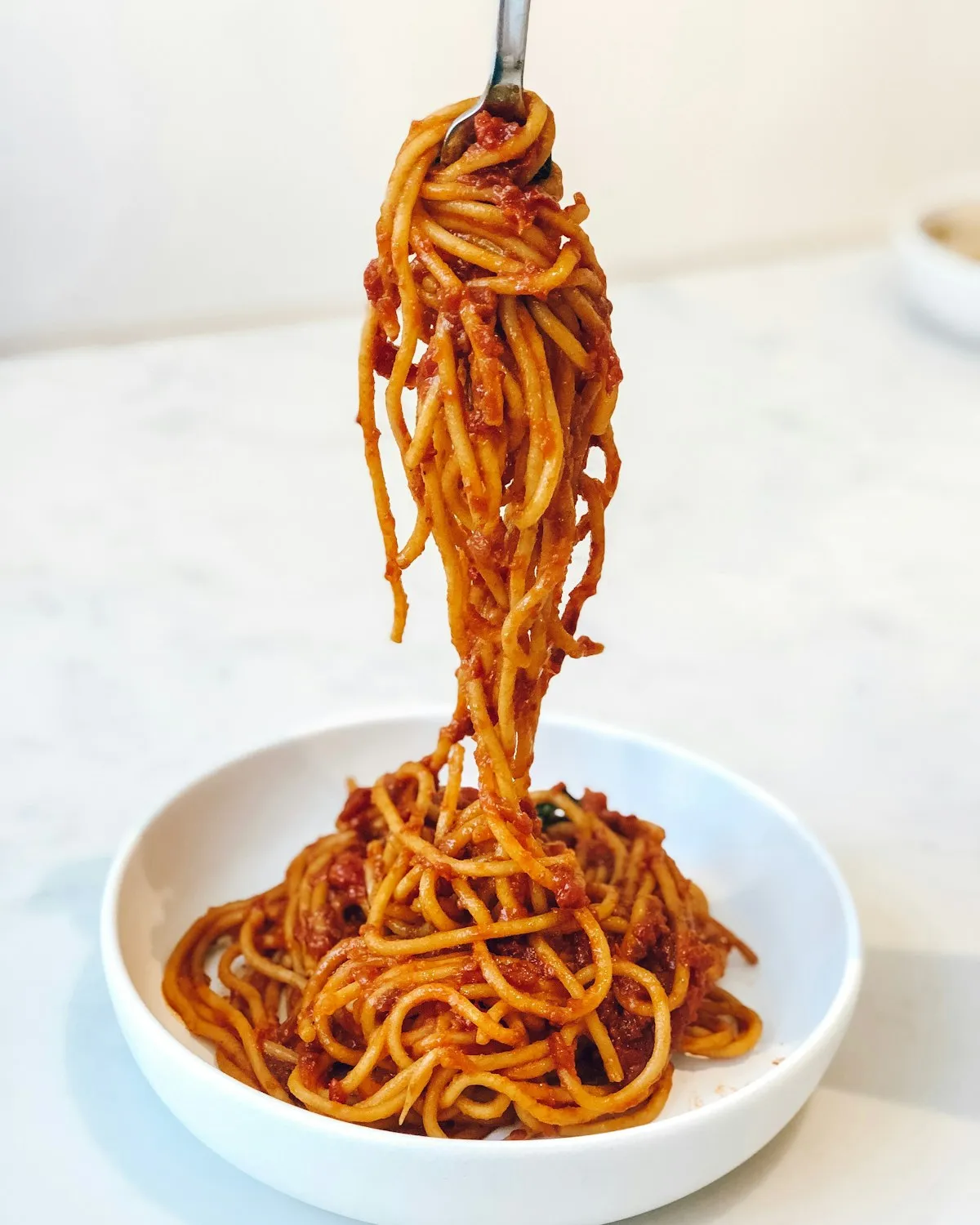
What if I want to make this even healthier?
For those looking for healthy dinner ideas, you can easily swap the traditional penne for a whole-wheat version or even chickpea pasta. The sauce is naturally low in fat if you skip the heavy cream, as the roasted peppers provide plenty of body on their own. Focus on adding more roasted vegetables to the final bowl: like roasted zucchini or baby spinach: to increase the fiber content without masking that incredible smoky pepper flavor.
Making your own sauce from scratch isn't just about the flavor; it's about knowing exactly what is going into your body. No preservatives, no hidden sugars: just real food that tastes better than anything you can buy in a jar. Now, get those peppers on the fire and start roasting. Your kitchen is about to smell incredible.
Why Roasting Changes Everything
Roasted red pepper pasta works because heat does more than soften vegetables. It rewrites them. When you roast peppers, you drive off excess moisture, concentrate natural sugars, and trigger browning on the skin and flesh. That is why raw red peppers taste bright and grassy, while roasted ones taste sweeter, deeper, and a little smoky even without adding smoked spices.
Use high heat. Do not baby the peppers. You want blistering, collapse, and dark patches. Those blackened spots are not kitchen failure. They are flavor markers. As the surface chars, sugars and amino acids create new aroma compounds that read as caramelized, savory, and slightly bitter in a good way. That tiny edge of bitterness matters because it keeps the finished sauce from tasting flat or candy-sweet.
A quick nerdy note, because this is where the magic lives: peppers are full of water, natural sugars, pigments, and aromatic compounds that behave very differently once heat gets involved. Roasting pushes off moisture first, which immediately concentrates flavor. Then the outer layer blisters and chars, creating new toasted, savory notes. Meanwhile, the flesh softens and tastes sweeter because the ratio of water to sugar changes in your favor. Same vegetable, completely different personality.
The peel matters too. Pepper skin is tougher than the flesh because it is built to protect the plant. Once roasted, that skin separates more easily from the softened interior. Remove most of it if you want a silkier sauce. Leave a little behind if you want a more rustic texture and a faintly smoky edge. Either approach works, but make the choice on purpose. Texture is not an accident in a good pasta sauce.
There is also a water-management issue here, and it is a big one. Raw peppers carry enough moisture to dilute a sauce fast. Roasting reduces that water load, which means you get more pepper flavor per spoonful. This is why a sauce made from roasted peppers tastes fuller without needing much cream, cheese, or butter to prop it up. The vegetable starts doing the heavy lifting itself.
And yes, color matters. Red peppers are fully ripened peppers, which means they have had more time to develop sugars than green ones. That is why roasted red pepper sauce tastes rounder and sweeter from the jump. Green peppers can roast too, but they bring more bitterness and less natural sweetness. Good in the right dish, not ideal if your goal is a velvety pasta sauce that tastes lush without needing a rescue mission from dairy.
The Science of a Silky Sauce
A good roasted red pepper pasta sauce should coat noodles, not puddle underneath them like a sad orange soup. That comes down to emulsion and particle size.
Blend the peppers until completely smooth. Tiny particles suspend more evenly in liquid, so the sauce feels creamy even when it is not loaded with dairy. If you add olive oil, cheese, cream, or a dairy-free fat source, you are helping create an emulsion: a mixture where fat droplets disperse through the water-rich pepper base. Stable emulsions feel plush on the tongue because the fat carries aroma and smooths out rough edges in acidity.
This is the part many home cooks accidentally rush. They see a sauce that looks smooth-ish and call it a day. Do not do that. Smooth-ish is how you end up with sauce that tastes good but feels slightly gritty, like it has not fully committed to being pasta sauce. Keep blending until the mixture turns glossy and unified. You are not just pureeing. You are reducing particle size so the sauce behaves better in the pan and on the pasta.
Starch helps too. Pasta water is not just cloudy leftovers. It contains gelatinized starch, and starch acts like a quiet little structural engineer. Add some and the sauce thickens, clings, and turns glossy. Skip it and the sauce can break or slide off the pasta. Use it with intention. It is one of the easiest ways to make homemade sauce feel restaurant-level without doing anything fancy.
Starch works because it swells in water and increases viscosity, which is just a scientist way of saying it helps the sauce feel thicker and more cohesive. That thickness slows down separation. So if your oil is trying to split from the pepper base, starch gives the mixture a better chance of staying together. It is not glamorous, but neither are seatbelts, and both are doing important work behind the scenes.
Acidity is another non-negotiable. Roasted peppers are sweet, and sweetness needs contrast. A small acidic element keeps the sauce from feeling sleepy. Acid brightens flavor because it wakes up your palate and sharpens aromatic perception. This is why a sauce can taste rich but still feel balanced instead of heavy. If your pasta tastes dull, do not add more salt first. Check the acid balance.
Salt matters, obviously, but use it as a finisher, not a crutch. Salt amplifies flavor compounds already there. It cannot create complexity that never showed up in the pan. Roast properly first. Then season.
Temperature also matters more than it gets credit for. If you blast an emulsified sauce too hard after adding dairy or extra fat, you can encourage separation. Keep the sauce warm and lively, not violently boiling like it has a personal grudge. Gentle heat lets the sauce tighten and coat the pasta without breaking. This is one of those small choices that separates “pretty good” from “why is this weirdly oily?”
Capsaicin, Sweet Peppers, and Heat Control
Here is the fun science detour: red bell peppers and hot chiles belong to the same broad pepper family, but their capsaicin profiles are wildly different. Capsaicin is the compound that creates the burning sensation in hot peppers by binding to pain receptors in your mouth. Bell peppers contain little to no capsaicin, which is why they taste sweet and vegetal instead of hot.
That matters for this pasta because you can build heat very precisely. The roasted red pepper base gives sweetness, fruitiness, and body without bringing fire. Then, if you want warmth, you can add a separate chile element and control the intensity without disturbing the core flavor. This is much smarter than hoping random “spicy peppers” behave themselves.
Different chiles also bring different personalities, not just more pain. Capsaicin level affects perceived heat, but aroma compounds shape the rest of the experience. A fresno can taste bright and fruity. Calabrian chile often reads fermented and punchy. Red pepper flakes deliver a more direct, sharper heat. Use the one that matches your mood. Build heat in layers rather than dumping it in and regretting your life choices halfway through dinner.
Fat changes heat perception too. Capsaicin is fat-soluble, which means creamy or oily ingredients can spread and soften the sensation. That is why a rich pepper sauce can carry chile heat more gently than a thin tomato broth. If your sauce turns hotter than planned, increase the creamy or fatty element before you panic. If it tastes too mild, reduce the fat-heavy add-ins and let the pepper heat speak more clearly.
Technique Rules That Actually Matter
Char the peppers enough to develop complexity, but do not turn the whole thing into ash. A little black is great. Total carbon is not. Burnt bitterness can hijack the sauce.
Let the peppers steam briefly after roasting if you want easier peeling. That trapped steam loosens the skin from the flesh. It is not mandatory, but it is helpful, and sometimes helpful wins. Then peel with restraint. You are not trying to erase every speck of char like you are restoring a museum artifact. Remove what feels papery and harsh. Keep what adds flavor.
Blend longer than you think you need to. Grainy sauce happens when cooks stop at “looks fine.” Do not stop there. Keep going until the texture is smooth enough to coat the back of a spoon evenly.
Cook the sauce briefly after blending. This lets water evaporate, flavors settle, and raw allium notes mellow if you used garlic or onion. A blended sauce that never meets heat again can taste disconnected, like the ingredients are still introducing themselves.
Finish the pasta in the sauce, not in a lonely colander-and-bowl situation. The last minute of cooking together helps starch and sauce bind to the pasta surface. That is how you get a glossy, clingy finish instead of noodles wearing sauce like a loose raincoat.
If the sauce looks tight before the pasta is fully coated, loosen it gradually. If it looks watery, keep tossing over gentle heat. Use your eyes. Use your spoon. Sauce consistency is not a fixed number; it is a moving target that depends on pepper moisture, blender power, pasta shape, and how aggressively you boiled everything. Cooking is delicious, but it is also one long series of adjustments.
Variations That Keep the Balance
If you want a richer version, lean into dairy or a creamy alternative, but keep an acidic check in place so the sauce does not become heavy. Richness plus roasted sweetness can blur together fast. Balance it with a bright finish.
If you want a sharper, more savory version, add ingredients with umami punch. Aged cheese, concentrated tomato, or a small amount of miso can deepen the sauce without stealing the spotlight from the peppers. Use restraint. This is roasted red pepper pasta, not a refrigerator clean-out.
For a greener, lighter direction, fold in spinach, arugula, peas, or herbs right at the end. Those ingredients shift the flavor from velvety and sweet to fresher and more springy. They also add bitterness or herbal lift, which can cut through the sauce nicely.
If you are planning this for quick family meals, keep the heat level low in the base and add spice at the table. That gives you one pot that works for everyone, from spice lovers to the person who thinks black pepper is an extreme sport.
You can also make the texture feel more substantial without changing the flavor profile much. Add mushrooms for savory depth, white beans for body, or a protein that benefits from a sweet-savory sauce. Just do not overload the bowl. Let the peppers stay in charge.
For readers collecting air fryer recipes dinner ideas, this flavor profile adapts well if you roast the peppers in the air fryer first. You still want blistering and collapse. The machine changes the method, not the chemistry.
What to Serve on the Side
This pasta is sweet, silky, and a little rich, so serve sides that bring crunch, bitterness, or acid. A sharp green salad with a punchy vinaigrette works because acidity cuts through the sauce and resets your palate between bites. Bitter greens are especially useful here. They stop the meal from feeling too soft and samey.
Roasted vegetables can work too, but choose ones with contrast. Broccoli, broccolini, or asparagus bring earthy bitterness and structure. Avoid pairing it with another very sweet roasted vegetable unless you want the whole plate drifting into dessert-adjacent territory. That is not the mission.
Bread is never a bad idea, especially if it is crusty enough to drag through the extra sauce. Just keep the rest of the meal simple. This pasta already has a strong personality.
If you are building out healthy dinner ideas, add a crisp salad or a bean-based side instead of making the pasta itself do every single nutritional job. Balance the plate. Do not overcomplicate the bowl.
FAQ
What if my sauce tastes flat even after roasting?
Check three things: salt, acid, and concentration. First, make sure the peppers were roasted enough to concentrate flavor. Pale, merely softened peppers will not deliver the same depth. Then check for acid. Sweet vegetables often need a bright element to wake them up. Finally, simmer the blended sauce a bit longer if it tastes watery. Flavor gets louder when excess water leaves.
What if the sauce is too thick?
Loosen it with reserved pasta water, not plain water if possible. Pasta water contains starch, so it thins the sauce while helping it stay cohesive. Plain water can dilute flavor and make the sauce feel thinner in a bad way.
What if the sauce is too thin?
Simmer it gently to evaporate moisture, or blend in a component that adds body. Roasted peppers vary in water content depending on size and roasting time, so sauce texture is never identical batch to batch. This is normal. Adjust on the stove instead of pretending every pepper behaves the same.
What if I want it spicier?
Add heat separately rather than changing the pepper base. Since bell peppers have almost no capsaicin, the sauce itself is naturally mild. Stir in chile flakes, fresh chiles, or a chile paste to control both heat and flavor. This gives you a cleaner result than replacing sweet peppers with random hot ones.
What if I made it too spicy?
Add fat and dilution. Capsaicin is fat-soluble, so richer ingredients can soften the burn. You can also increase the volume of the sauce or pasta to spread the heat out. Acid can brighten the sauce, but it will not erase spice the way fat can.
What if I want a smoother sauce?
Remove more of the charred skins and blend longer. If needed, strain the sauce. The skins carry flavor, but they can also add texture. That trade-off is up to you.
What if I want to meal prep this?
Do it. The sauce holds up well because roasted pepper flavor stays strong after chilling. In fact, it often tastes more integrated the next day as aromatic compounds settle together. Store the sauce separately when possible and combine with freshly cooked pasta for the best texture.
What if I need a faster version for weeknights?
Use pre-roasted peppers, but know what you are giving up. Convenient peppers save time, which is great for quick family meals, but you may lose some fresh smoky complexity. If you go that route, compensate with careful seasoning and a short simmer to concentrate flavor.
Can this fit into my rotation of air fryer recipes dinner options?
Yes. Roast the peppers in the air fryer until blistered and softened, then proceed as usual. The key is still moisture reduction and surface charring. The appliance is just the vehicle.
Is this one of those healthy dinner ideas that still tastes like actual food?
Absolutely. Roasted peppers bring natural sweetness and body, so you do not need a lot of heavy ingredients to make the sauce satisfying. Build the plate with balance, use proper seasoning, and it will taste like dinner, not a compromise.