Recipe
Servings
4 servings 1×
Serves 4Prep 10 minCook 20 minTotal 30 min
Nutrition per serving
Ingredients
- 1 lb chicken breast sliced into strips
- 8 oz penne pasta dry
- 1/2 cup sun-dried tomatoes in oil, sliced
- 2 cups chicken broth
- 1 cup heavy cream
- 2 cups fresh spinach
Method
- In a hot skillet, sear chicken until golden.
- Remove and set aside.
- Keep the ‘fond’ in the pan for flavor.
- Add broth, cream, sun-dried tomatoes, and dry pasta to the pan.
- Bring to a gentle boil.
- Cover and simmer for 10-12 minutes, stirring occasionally to prevent sticking, until pasta is al dente and sauce is thick.
- Stir in spinach and the cooked chicken.
- Let the residual heat wilt the greens and warm the meat.
- Serve hot.
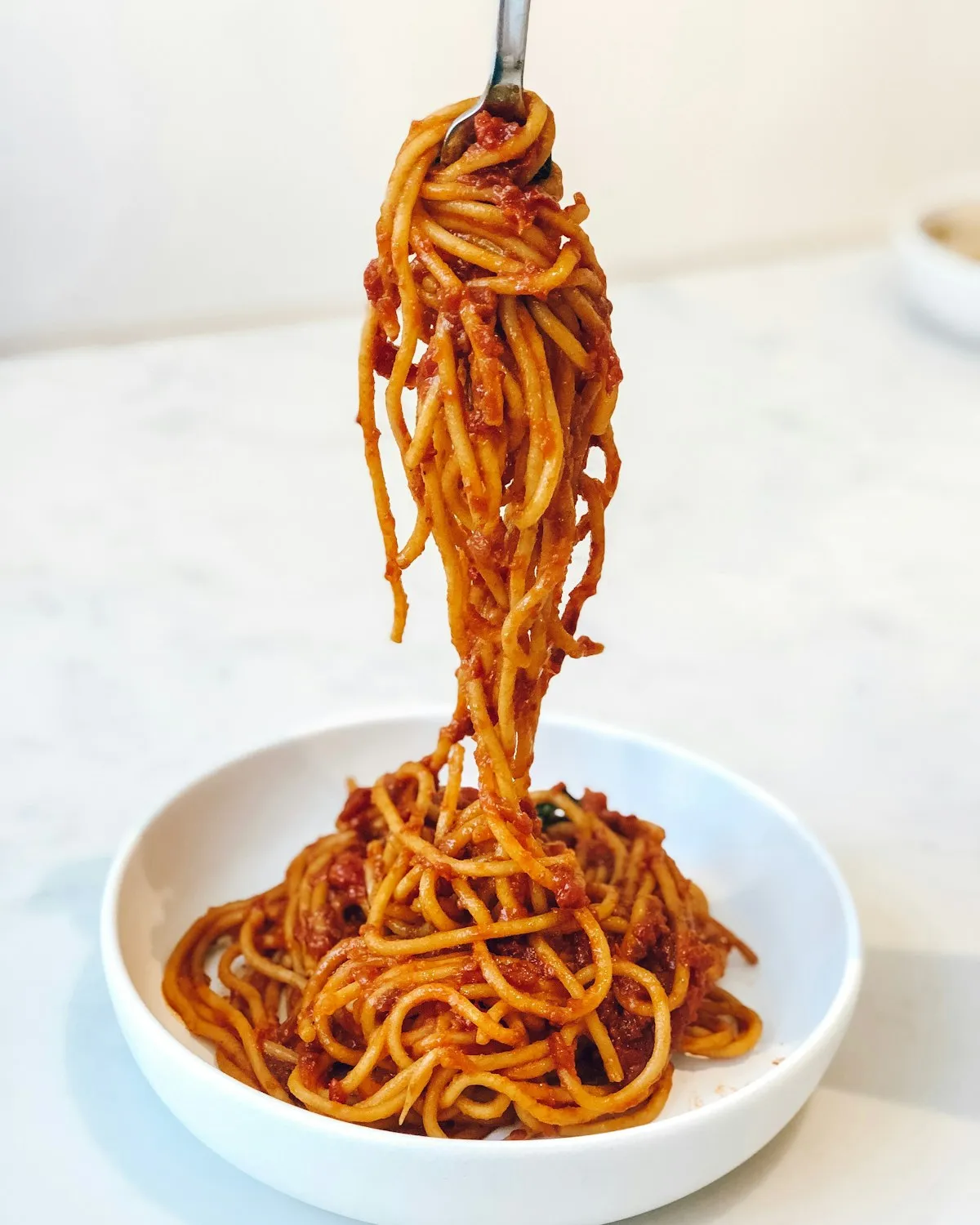
If you have ever stared into the abyss of your refrigerator on a Tuesday night wondering how to turn a pack of chicken and a box of pasta into something magical, you’ve found the answer. My blog is all about making those high-stress evenings a little more delicious without drowning you in a mountain of dishes. This creamy Tuscan chicken pasta is the ultimate solution for anyone looking for quick family meals that feel like they came out of a professional kitchen. It’s rich, velvety, and packed with enough flavor to satisfy even the pickiest eaters.
The Magic of Heavy Cream Emulsions
The secret to a truly spectacular one-pot meal isn't just in the seasoning; it’s in the chemistry happening inside your pan. When you cook pasta directly in the sauce rather than in a separate pot of boiling water, you are essentially harnessing the power of liquid gold: pasta starch. Usually, when we drain pasta, we toss out all that starch down the sink. In a one-pot setup, that starch stays in the pan, acting as a natural thickener and a quiet little peacemaker between fat and water, which normally behave like coworkers who only reply “per my last email.”
Think of starch molecules as tiny sponges with social skills. As the pasta cooks, it releases starch into the surrounding liquid: in this case, a mix of broth and cream. Those starches help suspend fat droplets from the heavy cream throughout the water-based portion of the sauce. That is emulsification. In plain-kitchen English, it means your sauce stays smooth and unified instead of splitting into an oily puddle with commitment issues. The starch also increases viscosity, which is a fancy way of saying it makes the sauce cling to the pasta instead of sloshing around the bowl like soup wearing a pasta disguise.
Heavy cream does a lot of the heavy lifting here. It contains enough fat to create richness, but it also contains milk proteins that help stabilize the emulsion when treated properly. Use heavy cream, not milk, if you want reliability. Milk has a much lower fat content and a different balance of proteins to water, so it is far more likely to curdle or taste thin once it meets heat and acidity. Sun-dried tomatoes bring intense flavor, but they also bring acid. Acid is great for brightness and balance, yet it can push dairy proteins to tighten and clump if the heat is too aggressive. Keep the sauce at a gentle simmer. Avoid a wild boil unless your goal is culinary chaos.
Temperature control is non-negotiable. Bring the sauce together over moderate heat, not full blast. High heat causes the water in the cream to evaporate too quickly, concentrates the proteins, and makes separation more likely. Once the emulsion breaks, you can sometimes rescue it with a splash of warm liquid and gentle stirring, but prevention is easier than sauce therapy. Stir consistently, especially after the cream goes in. Movement helps distribute fat droplets evenly and stops hot spots from scorching the dairy at the bottom of the pan.
Here is the useful nerdy part. Heavy cream is naturally an emulsion already, which means fat droplets are dispersed in water before you even open the carton. But once you add heat, salt, starch, cheese, chicken juices, and acidic tomatoes, that system gets tested. The more stable your droplet network stays, the glossier and more luxurious the sauce feels. The less stable it is, the more likely it is to split into greasy slicks and grainy bits. Starch helps by thickening the water phase so fat droplets move less freely and are less likely to merge. Milk proteins help too, because they can sit at the boundary between fat and water and act like little diplomatic staffers keeping the peace.
This is why technique matters more than dramatic ingredient swaps. Use moderate heat. Stir often. Add dairy when the pan is no longer screaming hot. If you dump cream into a fiercely boiling pan, the water evaporates too fast, the proteins tighten up, and the fat separates. That is not rustic. That is broken sauce. If you ever wonder why restaurant-style cream sauces look glossy rather than heavy, it is usually because the cook respected temperature and reduced with patience instead of panic.
Now add the chicken to this little science experiment. Searing it first is not just about color. Browning creates hundreds of flavor compounds through the Maillard reaction, which is why properly seared chicken tastes deeper, nuttier, and more savory than chicken that just quietly poached its way into dinner. Those browned bits left behind in the pan, the fond, dissolve into the liquid and become part of the sauce. Use that. Do not wash it away. That is flavor equity.
Sun-dried tomatoes deserve more respect than they usually get. Most people treat them like a garnish with delusions of grandeur, but they are little umami bombs. Drying concentrates their natural glutamates and nucleotides, which boosts savory depth in the same way slow roasting does. That is why a small handful can make the whole pan taste more complete. You are not just getting tomato flavor; you are getting concentrated sweetness, acidity, and that hard-to-describe savory richness that makes you go back for one more bite even when you are allegedly full.
Because they are dehydrated, their nutrients are concentrated too. They deliver carotenoids like lycopene, plus minerals such as potassium and iron, in a small volume. They also bring a savory-sweet intensity that means you need less of everything else to make the sauce taste complete. That concentrated punch matters for busy cooks because it builds complexity fast without requiring a spice cabinet scavenger hunt. It is one of the reasons this dish punches above its weight in the healthy dinner ideas department without tasting like a compromise meal.
Their acidity also plays an important balancing role. Cream and Parmesan can make a sauce feel rich in a hurry, so the sun-dried tomatoes cut through that richness and keep the dish from tasting flat. This is why the finished pasta feels balanced instead of just heavy. Richness without acidity is exhausting. Acidity without richness is sharp. Put the two together and you get a sauce that tastes rounded, vivid, and suspiciously restaurant-y for something made on a weeknight.
Spinach rounds things out by adding moisture, a mild earthy note, and a little nutritional backup without hijacking the flavor. It wilts quickly, which keeps this firmly in the lane of quick family meals. You get protein from the chicken, energy from the pasta, fat for satiety from the cream, and concentrated micronutrients from the tomatoes and greens. No, this is not a spa salad. It is, however, a smart example of healthy dinner ideas that actually feel comforting.
If you want the sauce glossy rather than gluey, watch your liquid level. Too little liquid and the starch concentration gets excessive, turning the sauce stodgy. Too much liquid and the emulsion never tightens enough to coat the noodles properly. Aim for a texture that loosens slightly in the pan because it will continue to thicken as it cools. Pasta is sneaky like that. Also, salt in layers. Proper seasoning helps the dairy taste fuller and the tomato flavor pop, while under-seasoning makes creamy sauces taste dull and oddly sweet.
One more non-negotiable: give the finished pasta a brief rest before serving. Just a minute or two. That tiny pause lets the sauce settle, the starch hydrate fully, and the emulsion tighten into that ideal clingy texture. Serve it straight off violent heat and the sauce can seem loose. Wait forever and it can stiffen up. Timing matters, but thankfully not in a fussy way. This is still one of those quick family meals that earns applause without requiring a culinary degree.
If you want to dive deeper into why this works, check out our guide on the starch emulsion secret.
Flavor Variations for Every Palate
While the classic chicken and spinach combo is hard to beat, the beauty of this "weeknight wonder" is its versatility. You can adapt the same creamy structure without wrecking the balance, as long as you respect what each ingredient contributes. Rich dishes live or die by contrast, so every variation should either add brightness, deepen savoriness, or change texture.
Swap the chicken for shrimp if you want a lighter-feeling version that still tastes luxurious. Shrimp cook fast and bring a gentle sweetness that pairs well with the tangy edge of sun-dried tomatoes. Just do not overcook them. Rubbery shrimp are the culinary equivalent of stepping on a Lego: avoidable and upsetting. This variation works especially well if you want the sauce to feel more delicate and less hearty.
Go meatless with mushrooms or chickpeas if you want a vegetarian spin. Mushrooms add glutamates, which boost savory flavor naturally and help make the sauce feel substantial. Chickpeas bring fiber and extra staying power, plus their mild flavor lets the cream, garlic, and tomatoes keep center stage. If you use kale instead of spinach, expect more chew and a slightly more assertive green flavor. That extra bitterness can be a very good thing because it offsets the richness.
If you want more tang, add a little extra Parmesan at the end rather than more cream. If you want more brightness, lean on herbs or a restrained hit of acid right before serving. If you want more heat, use red pepper flakes with a light hand so they sharpen the sauce instead of bullying it.
For readers who love air fryer recipes dinner options, you can cook the chicken separately in the air fryer and fold it into the pasta at the end. That gives you crisp edges and a stronger roasted flavor while the sauce stays silky. It is a nice trick when you want a texture contrast without changing the core flavor profile. However you riff on it, keep the cream stable, keep the acidity in balance, and do not let add-ins turn the pan into a yard sale.
Perfect Side Dish Pairings
When you are serving a dish this rich and decadent, the key to a balanced meal is acidity and crunch. You want something that cuts through the creaminess of the sauce so your palate does not tap out halfway through dinner.
A simple salad with a lemony vinaigrette is still the smartest move. The acid resets your taste buds between bites, which keeps the cream sauce tasting luxurious instead of heavy. Use crisp greens, cucumber, or radishes if you want maximum contrast. Avoid creamy dressings. That is just putting a velvet hat on a velvet couch.
Roasted broccoli or asparagus also work beautifully. Their charred edges add bitterness, and bitterness is extremely useful against rich dairy sauces. It keeps the meal from skewing too soft, too sweet, or too one-note. If you want bread, choose something crusty and a little tangy like sourdough. That acidity echoes the tomatoes and helps mop up the sauce without making the whole plate feel stodgy. Keep the sides sharp, fresh, or lightly bitter. Let the pasta do the cozy part.
FAQ: Mastering the One-Pot Method
What if my sauce is too thick before the pasta is cooked?
This is a common science problem, and fortunately not a dramatic one. As pasta cooks, it absorbs liquid while also releasing starch, so the sauce thickens from both directions. If the pan starts looking more like wallpaper paste than dinner before the noodles are tender, add a splash of warm broth or water. Do it gradually and stir well before adding more. You are adjusting the starch concentration, not starting over. A little extra liquid gives the pasta room to finish cooking while keeping the emulsion smooth.
What if my sauce is too thin at the end?
Be patient for a minute before you panic. Cream sauces tighten as they cool slightly, and starch needs a little time to do its thing. Let the pasta sit off the heat briefly, then stir again. If it is still loose, simmer gently for another minute or two. Avoid cranking the heat in a fit of impatience. That is how creamy sauces go from silky to broken.
Can I use a lighter dairy option?
You can, but you are trading stability for virtue points. Half-and-half or milk contain more water and less fat, which makes them less resistant to curdling and less satisfying in texture. If you insist on going lighter, keep the heat lower than you think necessary and expect a looser sauce. Heavy cream is not there to be dramatic. It is there because it works.
Can I use gluten-free pasta?
You can, but proceed with caution. Gluten-free pastas, especially those made from rice or corn, release starch differently. Some shed starch fast and go from perfect to mushy with almost suspicious speed. Check them early and often. You may also need a bit more liquid because some GF pastas absorb aggressively before softening properly. Translation: babysit the pan.
Why did my sauce separate and look oily?
This usually happens for three reasons: too much heat, not enough starch, or too much acid all at once. If the cream boils hard, the fat can separate from the water phase and the proteins can tighten. If there is not enough starch in the pan, the emulsion has less support. And if you dump in a lot of acidic ingredients at the wrong moment, the dairy can get cranky fast. Keep the simmer gentle, stir consistently, and let the starch do its job.
What if I only have oil-packed sun-dried tomatoes?
That is completely fine, and honestly often better for flavor. Just drain them well so you control how much extra oil goes into the pan. Too much oil can throw off the sauce balance and make it feel heavier than intended. The tomatoes themselves are still nutritional powerhouses, bringing concentrated tomato solids, carotenoids, and that deep sweet-savory flavor that makes the sauce taste finished faster. They also still deliver that concentrated umami effect, so you usually do not need as much salt or extra cheese to make the dish taste satisfying.
What if my cream sauce looks grainy instead of silky?
That usually points to overheating, especially after cheese or cream has been added. Graininess happens when proteins tighten and clump instead of staying smoothly dispersed in the liquid. Lower the heat immediately and stir in a small splash of warm broth or cream. Do not boil it harder hoping it will sort itself out. It will not. Gentle heat is your friend here.
How do I store and reheat leftovers?
Creamy pasta keeps, but it changes. The noodles continue absorbing sauce in the fridge, so leftovers often look thicker the next day. Add a small splash of water, broth, or milk before reheating, then warm it gently. Low heat matters. Blast it in the microwave and you risk breaking the emulsion all over again. Stir halfway through heating to redistribute the sauce and keep the texture civilized.
Is this dish actually nutritious?
Yes, in a real-world, satisfying-dinner kind of way. Chicken brings protein, spinach contributes folate and vitamin K, and sun-dried tomatoes pack concentrated nutrients including lycopene and potassium. The cream adds richness and satiety, which is not a crime. Portion it sensibly and pair it with something fresh on the side. That is how healthy dinner ideas survive contact with actual hunger.
Can I make this in advance?
You can prep for it in advance better than you can fully cook it in advance. Creamy one-pot pasta is at its best right after cooking, when the sauce is glossy and the noodles are perfectly coated. Prep your chicken, greens, and tomatoes ahead of time if you want speed. Then cook it fresh. This dish is ideal for quick family meals, but it still rewards good timing.