Recipe
Servings
4 servings 1×
Serves 4Prep 10 minCook 12 minTotal 22 min
Nutrition per serving
Ingredients
- 12 oz pasta fusilli or gemelli
- 1/2 cup basil pesto fresh is best
- 1 cup cherry tomatoes whole
- 1/4 cup pasta water reserved from pot
- 2 tbsp olive oil
Method
- Heat oil in skillet until shimmering.
- Add tomatoes and cook undisturbed until skins char and burst (the Maillard reaction).
- Toss cooked pasta with pesto and starchy water off-heat.
- The starch molecules will surround the oil droplets to create a glossy sauce.
- Gently fold in the jammy tomatoes and serve immediately to preserve the basil’s color.
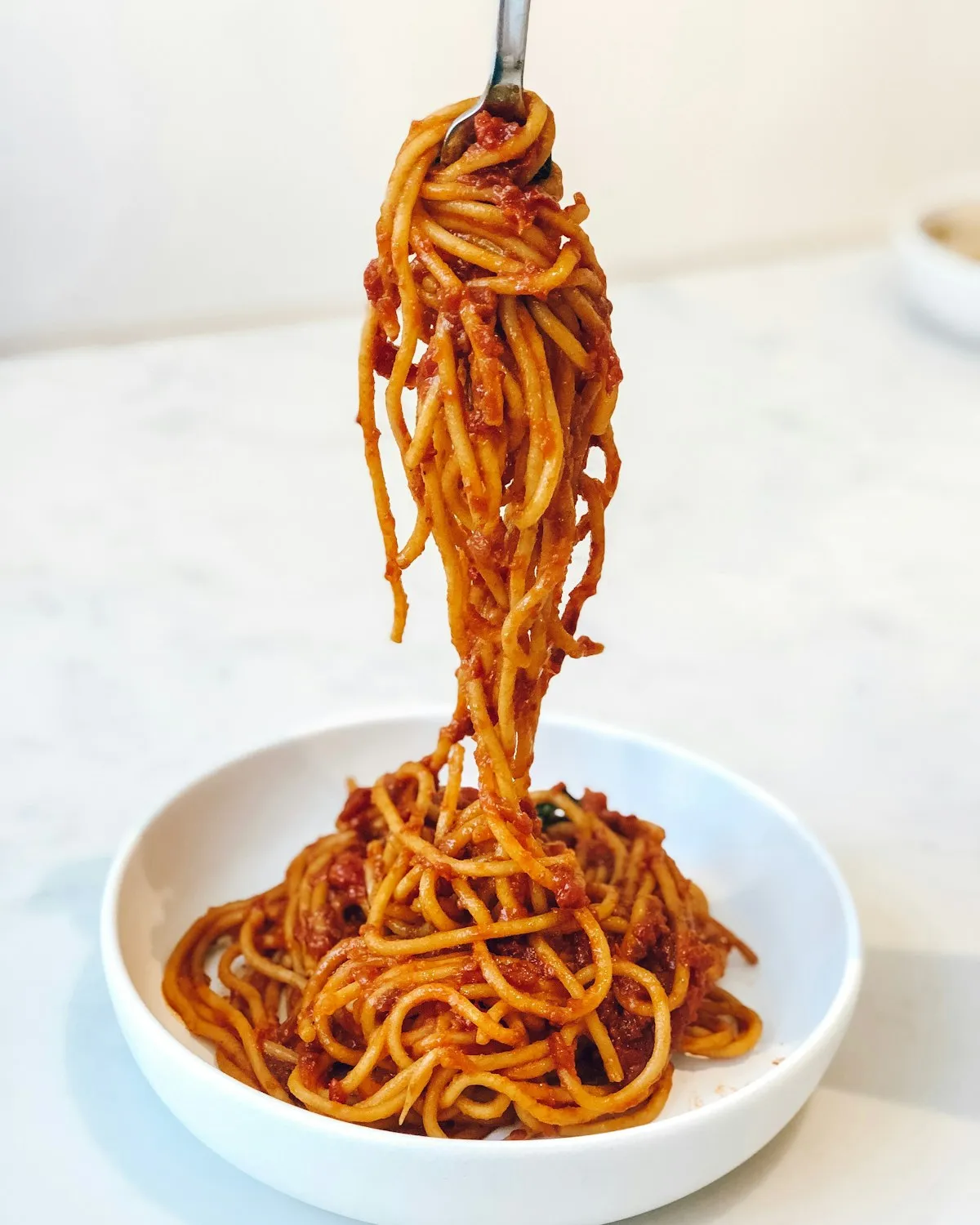
There is a specific kind of magic that happens when you take five or six high-quality ingredients and let them do the heavy lifting. You don’t need a culinary degree or a three-hour window to create something that tastes like a sunset in Liguria. Sometimes, all you need is the right technique to turn a humble box of noodles into one of those easy dinner recipes you’ll find yourself craving every Tuesday night. Today, we’re talking about the holy trinity of a perfect weeknight meal: vibrant basil pesto, Al Dente pasta, and tomatoes so sweet they practically pop like candy.
This isn't just about mixing green sauce with carbs. It’s about understanding the chemistry of your kitchen so you can stop following recipes blindly and start cooking with intuition. If you’ve ever ended up with a pool of oil at the bottom of your bowl or pesto that turned a depressing shade of swamp-brown before it even hit the table, pull up a chair. We’re going to fix that.
The Molecular Magic of Emulsion and Heat
Let’s get nerdy for a second because understanding the "why" is what makes you a better cook. The biggest mistake people make with pesto pasta is treating the sauce like a cold topping. In reality, a great pasta dish relies on a stable emulsion, a fancy word for getting oil and water to stop fighting and start dancing together.
When your pasta boils, it releases starch granules (specifically amylose and amylopectin) into the water. This liquid is liquid gold. Do not, I repeat, do not, dump all of it down the drain. This starchy water acts as a natural hydrocolloid. When you toss your pesto with a splash of this hot, cloudy water, the starch molecules surround the oil droplets, preventing them from coalescing into a greasy mess. This creates a glossy, velvety sauce that actually clings to the ridges of your pasta instead of sliding off into a puddle. For a deeper dive into this phenomenon, check out our guide on The Starch Emulsion Secret.
Now, let’s talk about those tomatoes, because this is where the dish stops being good and starts being annoyingly memorable. We aren't just "cooking" them; we are blistering them. Use high heat on purpose. You want the skins to tighten, split, and collapse before the interior fully dries out. That quick blast drives off surface moisture, concentrates sugars, and creates little pockets of jammy acidity that cut through the richness of the pesto. The result is balance, not just decoration.
A quick technical note: blistered tomatoes are less about deep browning than controlled rupture. Tomatoes are high in water, so you won’t get steak-level crust unless you cook them into oblivion, which would be a terrible life choice for this pasta. What you are really chasing is concentrated flavor. As the tomatoes heat, cell walls weaken, pectin softens, and the juices thicken. That means sweeter taste, softer texture, and a more intense tomato hit in every bite. The olive oil matters too. Lycopene, the antioxidant that gives tomatoes their red color, is fat-soluble. In plain English: your body absorbs it better when the tomatoes are cooked and paired with oil. So yes, those glossy blistered tomatoes are doing more than looking pretty. They are one of those genuinely smart healthy dinner ideas that taste indulgent while quietly pulling nutritional weight.
The lycopene story gets even better with heat. Raw tomatoes contain lycopene tucked inside firm plant cell structures. Apply heat, and those structures loosen. Some of the lycopene shifts into forms that are easier for your body to use, especially when olive oil is present to help transport it. That’s why cooked tomato sauces often deliver more accessible lycopene than a raw tomato salad. Blistered tomatoes sit in a sweet spot: enough heat to improve bioavailability and deepen flavor, but not so much that you lose their fresh, bright character. If you need a weeknight argument for skillet-blistering instead of tossing in raw tomatoes, there it is.
Finally, we have the "Basil Problem," and it’s a real one. Basil contains chlorophyll, which is responsible for that vivid green color, and enzymes like polyphenol oxidase that speed up browning once the leaves are bruised or cut. But chlorophyll has its own drama too. When basil gets exposed to too much heat or acid, the magnesium at the center of the chlorophyll molecule can be displaced. Once that happens, the color shifts from bright green to a drab olive tone. That’s chlorophyll degradation, and it is the fastest way to make fresh pesto look tired before dinner even starts.
Oxygen makes the problem worse. Chop basil aggressively, leave it sitting around, or blend it too long, and you increase contact with air. More air means more oxidation. More oxidation means duller color and flatter flavor. Use a sharp blade. Pulse instead of obliterating. Keep the basil as cool as possible. Work quickly. These are not fussy chef habits; they are practical defenses against chlorophyll oxidation and aroma loss.
Heat is the other bully in the room. Never simmer pesto. Never bake it into the pasta and hope for the best. Add it off the heat so the residual warmth of the noodles and a splash of reserved cooking water can loosen the sauce without wrecking the basil. Think warm enough to bloom the garlic and cheese notes, not hot enough to bully the herbs into submission. Around 60 to 70°C is a friendly zone. Much hotter, and you risk fading both the green color and the fresh, peppery perfume that makes pesto taste alive.
Acid also needs a little respect. Tomatoes bring brightness, which the dish absolutely needs, but too much direct acid contact too early can nudge the basil toward discoloration. That’s another reason the order matters. Emulsify the pesto with pasta and starchy water first, then fold in the blistered tomatoes so you get contrast instead of a muddy sauce. Good pasta is often about sequencing, not just ingredients.
One last non-negotiable: use enough movement when combining everything, but don’t thrash it. Toss the pasta so the starch, oil, cheese, and pesto knit into a glossy coating. Then stop. Overmixing can mash the tomatoes completely and turn a lively dish into greenish-red wallpaper paste. Nobody wants that. Keep some texture. Keep some definition. That contrast between silky sauce and burst tomatoes is exactly why this works as one of those quick family meals that still feels a bit special.
There’s also a cheese angle here that deserves a little respect. Hard aged cheeses like Parmesan don’t just bring salt; they bring proteins and fine particles that help the sauce feel fuller and more cohesive. They act like tiny supporting actors in the emulsion, giving the pesto more body when it meets hot pasta water. That’s why a pesto made with decent cheese and proper tossing tastes integrated, while one dumped cold onto noodles tastes like separate ingredients arguing in a bowl.
Texture is chemistry too, just wearing a less lab-coat-looking outfit. If your pesto is too thick, it won’t coat well because the oil phase is too dominant and the sauce can’t spread evenly. If it’s too loose, it slides off and collects at the bottom like a green moat. The fix is not random splashing and hoping. Add reserved pasta water in small amounts and toss between additions. Watch for the point where the sauce goes from chunky paste to glossy coating. That shift is your signal that the emulsion has formed properly.
Temperature control matters all the way to the plate. A screaming-hot pan can break the sauce after you worked so hard to build it, while stone-cold serving bowls can tighten it up too fast. You don’t need to turn dinner into a NASA launch, but you do need to avoid extremes. Keep the pasta hot, keep the pesto off direct heat, and serve without dawdling. Good emulsions are stable, not immortal.
Since we’re already geeking out, let’s circle back to the tomatoes for one more useful detail. Lycopene is a carotenoid, and carotenoids tend to hang out in plant tissues that are not especially eager to hand over their nutrients. Heat helps break those tissues down. Fat helps carry those compounds into a form your body can absorb more effectively. That means the olive oil in this dish is doing double duty: it builds the pesto and helps unlock the nutritional value of the tomatoes. Honestly, that’s the kind of overachiever energy I respect in a weeknight dinner.
This is also why cooking time matters. You want enough heat to soften the tomato structure and make the lycopene more available, but not so much that the tomatoes collapse into a dull sauce and lose their bright top notes. Blistering gives you both concentration and freshness. It’s the tomato equivalent of dressing nicely without trying too hard.
And if you’re wondering whether this counts among practical air fryer recipes dinner ideas, sort of. You can blister tomatoes in an air fryer, and it works surprisingly well because the circulating heat dries the skins quickly and encourages blistering without much fuss. The catch: you still need to respect the pesto. Do not blast the pesto in there like it owes you money. Keep the herb sauce separate, use the air fryer only for the tomatoes if you want, and combine everything off the heat so the emulsion stays silky and the basil stays lively. Done right, this can sit comfortably alongside your favorite air fryer recipes dinner shortcuts without tasting like a compromise.
Variations: Making the Dish Your Own
While the classic Genovese style is hard to beat, the beauty of easy dinner recipes like this is their flexibility. You can adapt the foundation based on what’s currently languishing in your pantry or what’s fresh at the farmer's market.
The Nut Swap
Pine nuts are delicious, but they’re also expensive enough to require a small bank loan. If you want to switch things up, try toasted walnuts for a deeper, earthier flavor, or pistachios for a slightly sweet, vibrant green result. If you’re dealing with a nut allergy, toasted sunflower seeds or even pepitas provide a fantastic crunch and nutty profile without the risk. Toast whatever nut or seed you choose just enough to wake up the oils. Don’t overdo it. Push them too far, and bitterness will elbow its way into a sauce that is supposed to taste fresh.
Protein Upgrades
If you feel like a vegetarian meal won't satisfy the "meat and potatoes" crowd in your house, adding protein is seamless. Grilled chicken breast is an obvious win, but seared scallops or garlic-butter shrimp take this to an elegant level. For a plant-based protein boost, add crispy roasted chickpeas or cannellini beans. Beans work especially well because their creamy interiors echo the richness of the pesto without making the dish heavier. That matters if you’re aiming for healthy dinner ideas that still feel complete.
Greens with Guardrails
If your basil supply is looking tragic, don’t replace all of it with spinach and call it pesto. Use a partial swap with parsley or a little arugula instead. Parsley keeps things grassy and bright. Arugula adds peppery bite. Spinach can help with bulk, but too much makes the flavor flatter and the color murkier. Basil should still lead the band here.
Cheese and Savory Swaps
Parmesan is classic, but Pecorino brings more salt and sharper edge. Use it if your tomatoes are especially sweet and you want more contrast. For a dairy-free version, nutritional yeast works, and a small dab of white miso gives you that aged, savory backbone without tipping into weird health-food territory. Keep the amount restrained. This is pesto pasta, not a fermentation experiment.
Pasta Shape Matters More Than You Think
Short twisted shapes like fusilli, casarecce, and gemelli grab the sauce best, especially if you want this to land as one of your reliable quick family meals. Long pasta works too, but it demands better tossing and more attention to emulsion. On a busy weeknight, choose the shape that does some of the work for you. That’s not cheating. That’s strategy.
Tomato Intensity Dial
If you want a sweeter, richer result, let the tomatoes go a little longer so more moisture cooks off and the juices get jammy. If you want brighter contrast, stop as soon as they split and soften. Same ingredient, very different mood. Use that on purpose. The sweet version leans cozy. The brighter version makes the pesto taste greener and sharper.
Make It Lighter Without Making It Sad
Use whole-wheat pasta or legume pasta if that fits your dinner style, but watch the sauce consistency closely. These pastas can release starch differently, which means the emulsion may need a little more or less pasta water to hit that glossy sweet spot. Translation: trust your eyes, not autopilot. If you’re building a shortlist of healthy dinner ideas that still taste like actual food, this is a smart place to play.
Side Dish Pairings: Balancing the Plate
Pesto is incredibly rich. It’s packed with fats from the oil, nuts, and cheese. To make this a complete meal, you need sides that provide contrast, specifically through acidity and crunch.
The Arugula Standard
A simple arugula salad is the gold standard pairing here. The peppery bite of the leaves cuts straight through the fatty pesto. Toss it with lemon and a small drizzle of oil. Avoid sweet dressings. You need sharpness, not sugar, because acidity resets your palate and keeps the pasta from tasting heavy halfway through the bowl.
Charred Broccolini
If you want something warm, go for charred broccolini with plenty of red pepper flakes. The bitterness of the greens balances the sweetness of the blistered tomatoes, and the crisp-tender texture gives the plate some needed contrast. Soft pasta plus soft sauce plus soft tomatoes is delicious for three bites and then a little sleepy. Add crunch or snap somewhere.
A Crisp, Cold Vegetable Side
Try shaved fennel, cucumber ribbons, or lightly dressed radishes if you want the meal to feel brighter. These work because cold, high-water vegetables create contrast against the warm, oily coating of the pasta. They also make the whole thing feel lighter without pretending this is a sad diet dinner.
Crispy Focaccia
Let’s be honest: you’re going to want to mop up the leftover pesto and tomato juices at the bottom of the bowl. A thick slice of rosemary focaccia or a crusty sourdough baguette is a non-negotiable for me. If you’re serving bread, keep the rest of the plate sharp and green so the meal stays balanced instead of sliding into carb-on-carb chaos. If you’re looking for more inspiration for your evening menu, browse through our Vegetarian Dinner Recipes for more pairing ideas.
FAQ: Mastering the Pesto Game
Why did my pesto turn bitter?
If you’re using a food processor, you might be over-processing the extra virgin olive oil or the basil itself. High-speed blades create friction and heat, which can pull bitter notes from the oil and bruise the herbs into a dull, harsher flavor. Pulse the basil and nuts first, then stir in the oil by hand at the end if you can. Use short bursts, not a five-minute green tornado.
Why did my pesto turn dark instead of bright green?
That’s usually chlorophyll oxidation plus a little enzyme action. Basil hates prolonged heat, excess air, and rough handling. Once the leaves are cut, oxygen gets to work. Add too much heat or acid, and the chlorophyll starts degrading too. Keep the basil cold, process briefly, and toss the pesto with pasta off the heat. If you make it ahead, cover the surface with a thin layer of oil to limit oxygen exposure.
What if my tomatoes never blister and just go watery?
Your pan probably wasn’t hot enough, or you overcrowded it. Tomatoes release moisture fast, and if they sit shoulder to shoulder in a lukewarm pan, they steam instead of blister. Use high heat, give them space, and don’t stir every five seconds. Let the skins make direct contact with the pan long enough to tighten and split.
Can I use frozen spinach if I’m out of basil?
You can, but don’t expect classic pesto flavor. Spinach is more watery and much less aromatic. If you must use it, squeeze out every bit of extra moisture and pair it with herbs that bring actual personality, like parsley or mint. Treat spinach as support, not the star.
How do I reheat leftover pesto pasta without it getting greasy?
Pesto is notorious for breaking when reheated hard. The emulsion separates, and suddenly you’ve got oily noodles with green freckles. Add a splash of water, cover loosely, and reheat gently over low heat or in short microwave bursts, stirring between each one. Do not boil it. Gentle heat gives the starch and fat a chance to come back together.
Is this dish actually healthy, or just green-looking?
It can absolutely be one of your smarter healthy dinner ideas. Olive oil brings monounsaturated fat. Basil and nuts contribute micronutrients. Tomatoes deliver lycopene, and cooking them in oil helps your body absorb more of it. Keep portions sensible, and pair the pasta with a sharp salad or vegetables for balance.
What’s the best pasta shape for pesto?
Tradition says trofie or trenette, but in a busy kitchen, fusilli or gemelli are king. You want shapes with ridges, twists, or folds that trap the sauce and tomato juices. Long strands like linguine work too, but they demand a good emulsion. If the sauce is too tight or oily, it will slide right off like it has somewhere better to be. For more quick-fix pasta ideas, don't miss our 15-minute Weeknight Favourites.
What if my sauce looks oily instead of silky?
You likely need more pasta water, better tossing, or less direct heat. Pesto on its own is not a finished pasta sauce; it needs starch and water to emulsify properly. Add a small splash of reserved cooking water and toss until glossy. If you keep the pan over strong heat while doing this, though, the basil can dull and the oil can separate. Warm, not blazing, is the rule.
Can I make the pesto in advance?
Absolutely. Pour a thin layer of olive oil over the top before sealing it. That creates a barrier against oxygen, which helps preserve both color and flavor. Store it in the fridge and use it within a few days for the freshest taste. If it thickens when chilled, let it sit briefly at room temperature before tossing.
What if I want even more tomato flavor without turning this into red sauce?
Use blistered tomatoes plus a spoonful of their pan juices, not a flood. Those juices contain concentrated acids, sugars, and dissolved flavor compounds that can lift the whole dish. Add too much, though, and you risk thinning the emulsion and dulling the basil. This is a finesse move, not a cannonball.
Can I make this ahead for meal prep?
Kind of. You can prep components ahead, but the best texture happens when you combine them close to serving. Store the pesto separately, blister the tomatoes in advance if needed, and cook the pasta fresh or just underdone if you plan to rewarm it. Fully dressed pesto pasta tends to lose some sparkle as it sits because the emulsion tightens in the fridge and the basil flavor softens. It’s still good, just less smugly excellent.
Why does the order of mixing matter so much?
Because ingredients don’t behave the same way at every stage. Tossing pesto with hot pasta and pasta water first gives the oil and starch a chance to emulsify properly. Adding tomatoes after that preserves their shape and keeps their acidity from barging into the basil too early. Sequence is structure. Structure is dinner.
Can this work as one of my fast weeknight staples?
Very much yes. Once you understand the emulsion, this stops being a “special occasion pasta” and becomes one of those dependable quick family meals you can pull off without drama. The trick is not rushing the wrong parts. Boil the pasta, blister the tomatoes hard, then slow down for one minute when it’s time to combine everything. That one minute is where the magic happens.