Recipe
Servings
Servings 1×
Ingredients
- Chicken
- Shrimp
- Chickpeas
- Beans
- Orzo
- Pasta
- Bread
- Broccoli
- Asparagus
- Green beans
- Zucchini
- Mushrooms
- Spinach
- Kale
- Cucumber
- Tomatoes
- Lemon
- Tahini
Method
- Stir occasionally, not constantly.
- Use that resting window to your advantage instead of panicking and adding extra liquid too early.
- Use medium heat, keep it moving, and stop when it smells nutty, not when it smells like a lesson.
- Season early, taste late, and adjust only after the feta goes in because that cheese brings its own salty agenda.
- Fold it in off the heat or over very low heat.
- Serve it with a varied diet.
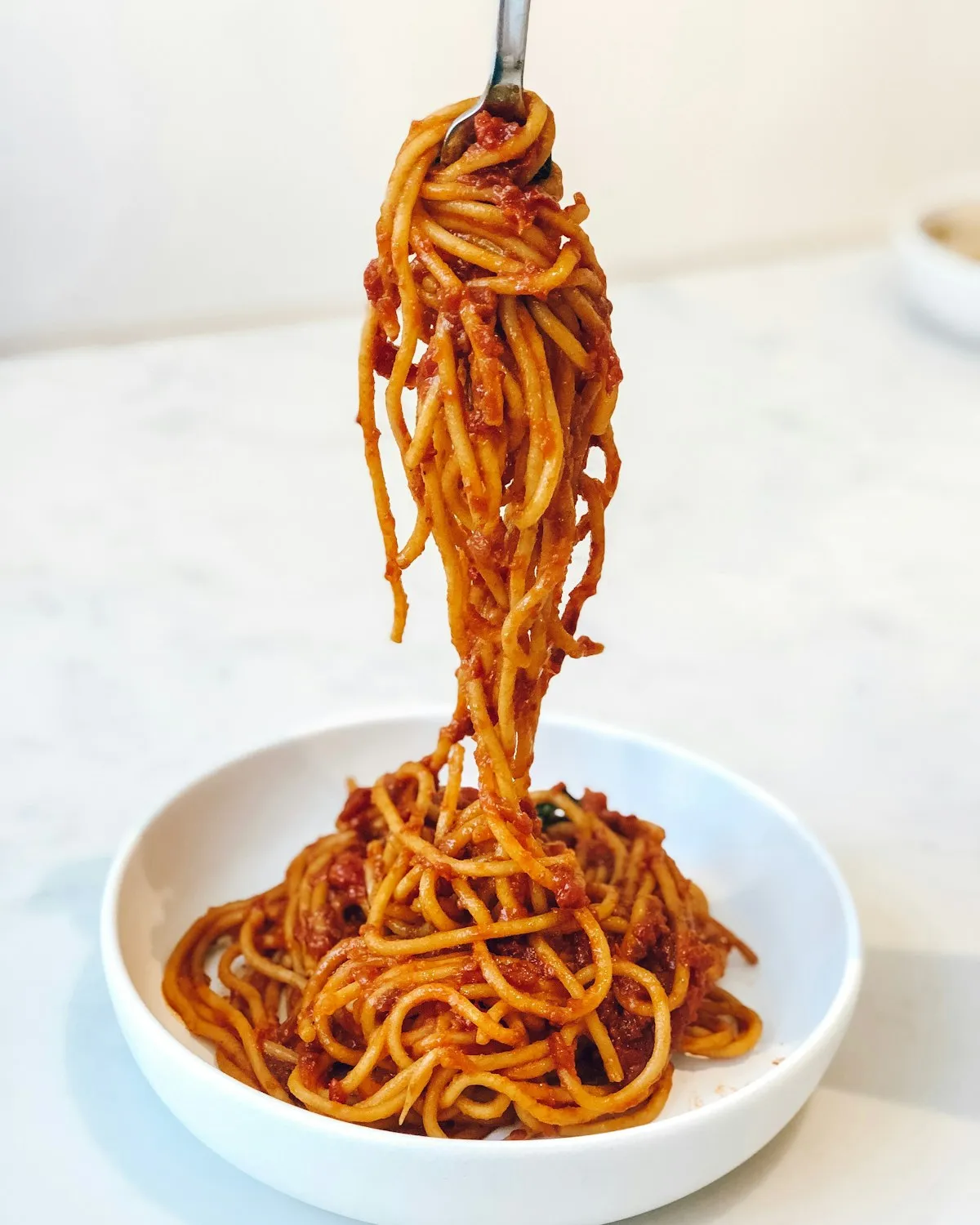
If you have ever stared into the depths of your pantry at 6:00 PM, wondering how to turn a bag of tiny pasta into something that tastes like a vacation on the Aegean coast, you are in the right place. This Mediterranean orzo is the culinary equivalent of a warm hug from a Greek grandmother. It is bright, briny, and unexpectedly creamy, all without a drop of heavy cream. Best of all, it belongs to the elite category of one pot meals that actually deliver on the promise of minimal cleanup and maximum flavor.
The Science of Starch Release: Why One-Pot Orzo Gets Creamy
Most of us were taught to cook pasta like a chemistry experiment: a massive pot of boiling water, a handful of salt, and a frantic race to the colander. But when you are making quick family meals, that method is your enemy. When you boil orzo in a lake of water and drain it, you are literally pouring the "liquid gold", the surface starch, down the sink.
In this recipe, we use the absorption method. By cooking the orzo in a measured amount of broth or water, you force the pasta to release starch into the cooking liquid rather than losing it to the drain. That matters because orzo is small, has a high surface area, and sheds starch faster than larger pasta shapes. As the liquid simmers, the starch granules on the outside of the pasta hydrate, swell, and loosen into the pot. That released starch thickens the surrounding liquid, which is exactly what gives you that creamy, risotto-adjacent texture without cream.
Think of it as controlled messiness. You want enough starch to build body, but not so much that the whole pan turns gluey. Stir occasionally, not constantly. Stirring helps distribute heat and prevents sticking, but overworking the pasta can make the starch release too aggressively and push the texture from glossy to gummy. Keep the simmer gentle. A violent boil knocks the orzo around, breaks its surface faster, and can leave you with mush on the outside before the center is properly tender.
Check your liquid ratios carefully. If you use too much liquid, you end up with soup; too little, and you get crunchy bits with a side of regret. The goal is a suspension: the orzo should be tender, but there should still be a glossy, lightly thickened sauce coating every piece. When the pasta rests for a minute or two off the heat, that sauce tightens slightly as the starch continues to hydrate. Use that resting window to your advantage instead of panicking and adding extra liquid too early.
Another critical tip: toast your orzo first. Before you add a single drop of liquid, toss the dry orzo in the pan with your aromatics. This step is not just chef theater. Toasting drives off a little surface moisture and develops nutty notes that give the finished dish more depth. It also slows the first wave of hydration slightly, which helps the pasta cook a bit more evenly. People love to throw around "Maillard reaction" for every brown thing in a skillet, but the practical point is simple: toasted orzo tastes better and holds its shape better. Use medium heat, keep it moving, and stop when it smells nutty, not when it smells like a lesson.
One more non-negotiable: salt your cooking liquid with intention. Starch absorbs water, and that water carries seasoning into the pasta itself. If the liquid is underseasoned, the orzo will taste flat all the way through, and no amount of feta sprinkled on top will rescue it. Season early, taste late, and adjust only after the feta goes in because that cheese brings its own salty agenda.
Spinach Chemistry: Iron, Acid, and Why Timing Matters
We add the spinach at the very end for a reason beyond just aesthetics. Spinach is mostly water, and if you add it too early, it leaks that moisture into the pan and loosens the sauce you just worked to build. Fold it in off the heat or over very low heat. The residual warmth is enough to wilt the leaves while keeping their color fresher and their texture less swampy.
Now for the nutrition part that actually matters in a real kitchen. Spinach is famous for iron, but the full story is a little less superhero and a little more chemistry class with better snacks. The iron in spinach is non-heme iron, which your body does not absorb as easily as the heme iron found in meat. That does not make spinach useless. It just means you need to help it out. This is where acid comes in, and suddenly that squeeze of lemon is not just there because Mediterranean food likes to show off.
Vitamin C and acidic ingredients can help improve the absorption of non-heme iron. In practical terms, pairing spinach with lemon gives the iron a better shot at being absorbed rather than just passing through your system like an ignored party guest. So yes, the bright finish matters for flavor, but it also pulls nutritional weight. This is one of those healthy dinner ideas where the ingredients are doing more than one job, and frankly, that is the kind of efficiency I respect.
There is a catch, because spinach also contains oxalates. Oxalates can bind to minerals like iron and calcium, which means some of the iron in spinach is not as available as the headline number suggests. That is why you should not look at spinach as a miracle iron bomb and call it a day. Look at it as part of a smart combination. Use lemon. Serve it with a varied diet. Keep your expectations realistic. Dinner is not a TED Talk, but it should at least know basic chemistry.
The feta adds another interesting twist. Calcium can compete somewhat with iron absorption in the same meal, which sounds dramatic until you remember that food is not a courtroom drama. You do not need to exile cheese from the pan. You just need to understand that no single ingredient is the whole story. The feta still brings salt, fat, tang, and creamy contrast that make the dish worth eating in the first place. If a meal is technically nutritious but tastes like punishment, nobody wins.
If you want the spinach to taste greener rather than merely present, do not bury it under too much residual heat. Chlorophyll dulls when overcooked, and spinach goes from vibrant to tired-looking fast. Add it last, fold just until wilted, and stop fussing. The pan has done enough by that point. Overcooking also softens the leaves into oblivion, which makes the whole dish feel flatter in texture.
So the real win here is not pretending spinach alone will solve your life. The win is using it wisely. Add it late to protect color and texture. Pair it with lemon to support iron uptake. Let the feta and olive oil handle richness while the greens keep the whole bowl from becoming a beige starch festival. That is balance, and it tastes a lot better than nutritional mythology.
Sun-Drenched Variations
While the spinach and feta combo is a classic, the beauty of one pot meals is their adaptability. If you want to lean harder into the Mediterranean vibe, use these tweaks without wrecking the texture you just built:
- The Protein Power-Up: Seared shrimp or sliced chicken thighs can be cooked in the pan first, removed, and then added back at the end. The fond on the bottom of the pan dissolves into the cooking liquid and boosts savoriness fast. Add the protein back only when the orzo is nearly done so it stays juicy instead of turning rubbery.
- The Veggie Swap: If spinach is not your thing, use kale or Swiss chard. Just remember that these heartier greens contain more fiber and need more time to soften. Slice them smaller and add them earlier so they tenderize without forcing the orzo to overcook.
- The Umami Bomb: Stir in chopped sun-dried tomatoes or Kalamata olives for sharper contrast. Salty, acidic ingredients cut through the creamy starch and keep the dish from tasting too soft or too rich. This is the move if your palate gets bored by mellow food.
- The Vegan Alternative: Swap the feta for a small spoonful of tahini with lemon juice and a dusting of nutritional yeast. Tahini brings fat, which helps mimic that rounded mouthfeel, while the lemon keeps things from veering into heavy territory.
- The Herb-Lover Version: Finish with dill, parsley, or mint. Fresh herbs add volatile aromatic compounds right at the end, which means you smell the dish more intensely before you even take a bite. That makes the whole bowl taste brighter without needing more salt.
- The Pantry Rescue Version: Add chickpeas for substance if you want to stretch dinner. They make the dish feel heartier while keeping the Mediterranean profile intact, and they fit nicely into healthy dinner ideas when you need a little extra staying power.
The trick with every variation is balance. If you add something salty, add something bright. If you add something rich, add something herbal or acidic. Do not just keep piling in ingredients and hope for the best. One-pot dishes reward restraint.
A final note on variations: do not sabotage the starch emulsion with watery add-ins. Raw zucchini, heaps of mushrooms, or undrained canned vegetables can dump extra moisture into the pan and thin the sauce before the orzo has fully finished its job. If you want to add high-water vegetables, cook off that moisture first or keep the quantity modest. The pasta can forgive a lot, but it is not a miracle worker.
Perfect Pairings for a Balanced Plate
Because this orzo is rich, savory, and softly textured, pair it with sides that bring either crunch, bitterness, or acidity. Balance matters more than volume here. You do not need another comfort food mountain sitting next to it.
Avoid heavy, cream-based sides. Instead, use a simple arugula salad with a sharp lemon vinaigrette. The peppery bite and acidity cut through the starch and feta, which keeps each forkful from feeling heavier than the last. A cucumber and tomato salad works for the same reason: high water content, clean flavor, and enough acid to reset your palate.
If you want a warm vegetable, roast or air-fry something with edges. Broccoli, asparagus, or green beans all bring a little char and bitterness that plays nicely against the creamy orzo. Crisp-tender vegetables also create textural contrast, which is a big deal in a dish where everything in the bowl is otherwise soft and cozy.
Bread is optional, but a crusty piece of something good is hard to argue with. Use it to mop up the starchy, lemony sauce, not to turn dinner into a carb convention. For drinks, lean acidic. Sauvignon Blanc, Assyrtiko, or sparkling water with lemon all work because brightness cuts richness. That same principle is why this kind of meal stays in the rotation with fans of air fryer recipes dinner ideas and other weeknight staples: it feels satisfying without knocking you flat.
Frequently Asked Questions
Why did my orzo turn into a giant clump?
This usually comes down to one of three things: too little liquid, too much heat, or not enough stirring at the start. Orzo is small, so it settles fast and its starch releases quickly. Give it a stir early and occasionally after that. Keep the heat at a steady simmer, not a rolling boil. Once starch gets overly concentrated in a too-hot pan, the pasta starts sticking to itself instead of staying suspended in the sauce.
What if my orzo is still hard but the pan looks dry?
Add a small splash of hot water or broth, not a flood. Orzo cooks by absorbing liquid, so evaporation rate matters. A wider pan, stronger burner, or just a distracted weeknight can dry things out faster than expected. Add liquid gradually and keep stirring so the starch stays emulsified instead of breaking into patches.
Can I use gluten-free orzo?
You can, but the science changes. Many gluten-free pastas are made from rice or corn flour, and they often release starch differently or lose structure faster once fully hydrated. Start checking early. Expect a shorter sweet spot between underdone and mushy. Use gentler stirring too, because GF pasta can fracture more easily.
What if I do not have broth?
Water works. Just season it properly. Broth adds dissolved proteins, salt, and aromatic compounds, so if you use water, you need to replace some of that flavor with smart seasoning. A squeeze of lemon, a little extra salt, and good olive oil can carry more of the load than people think.
Why does this taste flat even though I used feta?
Salt is not the same as brightness. Feta brings salinity and richness, but the dish still needs acid and proper baseline seasoning. If it tastes dull, it probably needs lemon, black pepper, or a fresh herb finish. Also check whether you under-salted the cooking liquid. Pasta that absorbs bland liquid stays bland at its core.
What if I want more iron from the spinach?
Use lemon generously and do not overthink it. The iron in spinach is non-heme iron, which benefits from vitamin C and acidic company. That is the practical reason citrus works so well here. If you are trying to maximize iron in your overall diet, pair meals like this with other iron-rich foods across the week instead of expecting one bowl of pasta to carry the entire team.
Can I reheat this the next day?
Yes, but do not expect it to behave like it did on day one. Orzo keeps absorbing moisture as it sits, so the sauce tightens in the fridge. Add a splash of water or broth before reheating and warm it gently. Avoid blasting it on high heat or you will get sticky edges and overcooked pasta centers. It is still one of those healthy dinner ideas that makes a solid next-day lunch if you revive it properly.
My spinach turned brown. What happened?
You overcooked it. Spinach only needs a brief hit of residual heat to wilt. Prolonged heat degrades chlorophyll and turns those leaves from lively green to tired olive. Fold it in last and stop cooking once it collapses.
Is it okay to use frozen spinach?
Yes, but squeeze it dry first. Frozen spinach holds a shocking amount of water, and that extra moisture will thin your sauce and mute the seasoning. Thaw it, wring it out hard, then add it near the end so it blends in without flooding the pan.
Do I really need olive oil if I am already using feta?
Yes, unless you are replacing it with another meaningful fat source. Olive oil helps carry flavor, improves mouthfeel, and supports the emulsion that makes the orzo glossy instead of pasty. Feta helps, but usually not enough on its own to coat the whole dish properly. This is not the place to go fully fat-phobic.
Can I make this for meal prep?
You can, but know what you are signing up for. One-pot pasta is at its best freshly made because the starch sauce is most fluid right after cooking. For meal prep, slightly undercook the orzo so it does not go too soft after reheating. Store it tightly covered, and refresh each portion with a spoonful of water before warming. Think "good recovery candidate," not "identical leftovers."
Why is my sauce creamy one minute and stiff the next?
Because starch keeps working even after you turn off the heat. As the orzo sits, it continues absorbing liquid and the starch network tightens. That is normal. Serve it promptly for the loosest texture, or loosen it with a splash of hot liquid if it sits too long. Pasta is dramatic like that.
Cooking should be an escape, not a chore. By mastering the one-pot technique, you aren't just saving yourself from a sink full of dishes; you're learning how to manipulate simple ingredients to create something far greater than the sum of its parts. Now, grab your favorite skillet and let's get to work.
For more inspiration on streamlining your weeknights, check out our guide to 15-minute Thai stir-fries or explore our library of emulsion-based pasta sauces.