Recipe
Servings
Servings 1×
Ingredients
- Shrimp
- Quinoa
- Pasta
- Rice
- Potatoes
- Sweet potatoes
- Cauliflower
- Asparagus
- Tomatoes
- Garlic
- Lemon
- Feta
- Cooking oil
- Salt
- Black pepper
Method
- Use a heavy-bottomed skillet and don't overcrowd the pan.
- Add the zest during the cooking process to infuse the oil, but save the juice for the very end.
- Keep it vibrant by finishing with the juice off the heat.
- Toss the shrimp and asparagus in a bowl with your oil and seasonings, then air fry at 400°F (200°C) for about 6–8 minutes.
- Place them in a bowl of cold water for 15–20 minutes.
- Use the woody ends for vegetable stock later: don't throw them away!
If you’ve ever found yourself staring into the fridge at 6:00 PM with nothing but a bag of frozen shrimp and a bunch of asparagus, you’re in luck. This dish is my absolute favorite weeknight savior. It’s light, vibrant, and takes less time to cook than it does to decide what to watch on Netflix. We’re talking high-impact flavor with minimal cleanup: the ultimate goal for anyone looking for healthy dinner ideas that don't taste like "diet food."
The Science of the Sizzle: Master Your Technique
When it comes to seafood and greens, timing is everything. You aren't just heating things up; you’re managing protein structures and cellular walls. To get that restaurant-quality finish at home, you need to understand why we do what we do.
Respect the Maillard Reaction
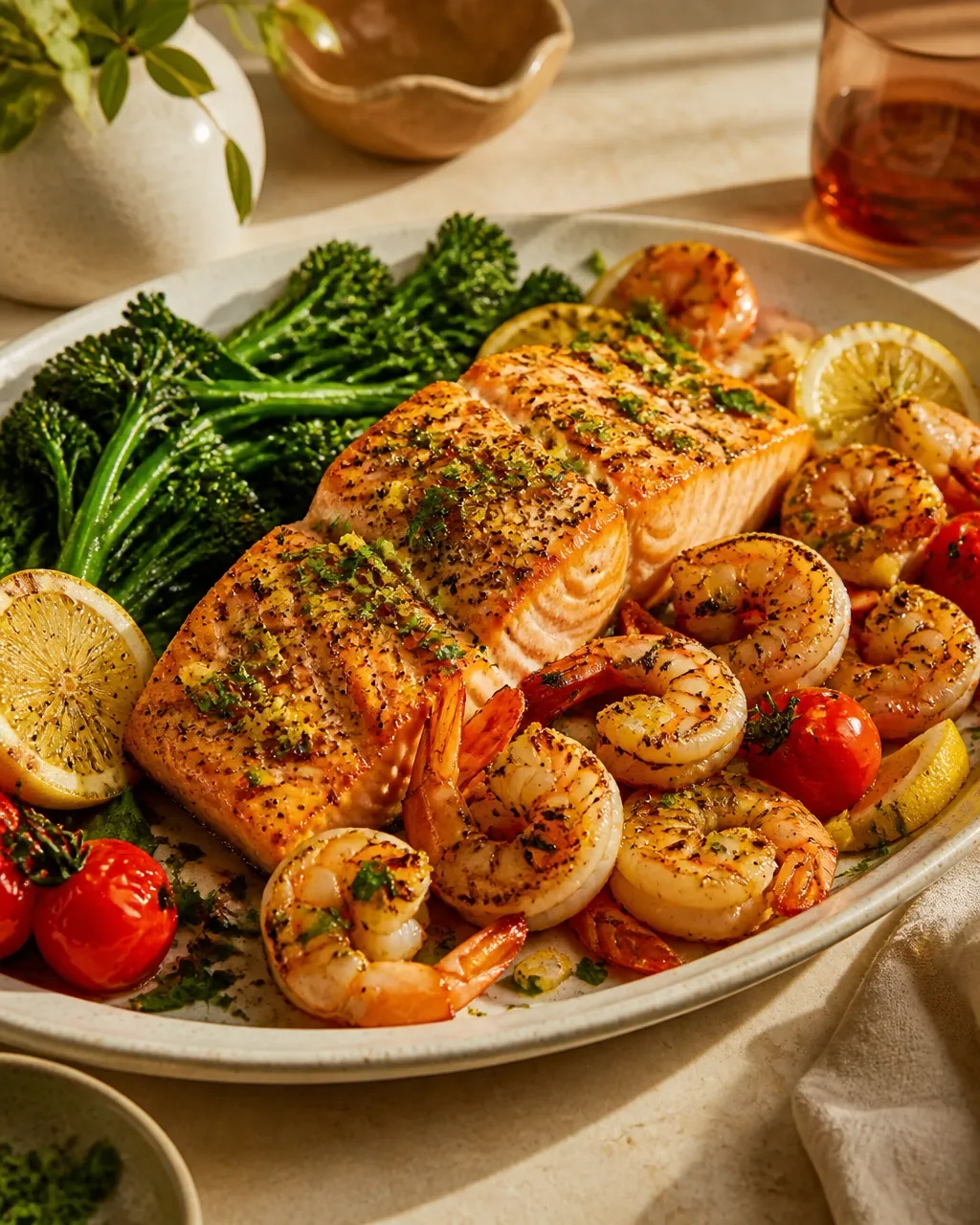
First, let's talk about the shrimp. Those little crustaceans are packed with amino acids and sugars. When they hit a hot pan, they undergo the Maillard reaction: the chemical process that creates that savory, "browned" flavor. To maximize this, pat your shrimp bone-dry before they ever touch the oil. Moisture is the enemy of a good sear; if they're wet, they’ll steam instead of sear, leaving you with grey, rubbery bits instead of golden gems. Use a heavy-bottomed skillet and don't overcrowd the pan. If you put too many in at once, the pan temperature drops, the juices leak out, and you lose that precious caramelization.
The Protein Tightrope
Shrimp are mostly protein and water. As they cook, the protein fibers (specifically myosin) coil and tighten. If you cook them too long, they squeeze out all their moisture like a wrung-out sponge. Stop cooking the moment they turn opaque and form a "C" shape. If they've curled into a tight "O," you've gone too far, and they'll be tough. Treat them with a bit of urgency; they only need about two minutes per side.
Asparagus Texture Chemistry
Asparagus gets its structure from hemicellulose and pectin in its cell walls. We want "crisp-tender": the holy grail of vegetable cookery. This happens when the heat softens those cell walls just enough to be biteable but not so much that they collapse into mush. High, fast heat is your best friend here. If you're using thicker stalks, the outer skin can be fibrous, so give them a quick peel or snap off the woody ends where the lignin (the "woodiness") is most concentrated.
The Lemon Logic: Zest vs. Juice
Don't just squeeze a lemon and call it a day. The flavor chemistry of a lemon is split: the juice provides acidity (citric acid), which brightens the dish and cuts through the richness of the oil. However, the zest contains the essential oils (limonene) that provide that deep, floral citrus aroma. Add the zest during the cooking process to infuse the oil, but save the juice for the very end. Adding acid too early can actually turn your bright green asparagus a dull, brownish-grey because the hydrogen ions in the acid displace the magnesium in the chlorophyll. Keep it vibrant by finishing with the juice off the heat.
Flavor Variations for Every Mood
One of the reasons this is one of my go-to quick family meals is its versatility. You can take the base of lemon, garlic, and herbs and pivot in three different directions depending on what’s in your pantry.
The Mediterranean Twist
If you want to lean into those coastal vibes, add a handful of halved cherry tomatoes and some crumbled feta right at the end. The tomatoes will blister and release their juices, creating a light, natural sauce that coats the asparagus. Swap the parsley for fresh oregano or dill to change the aromatic profile entirely.
The Spicy Kick
For those who like a bit of heat, toss in a generous pinch of red pepper flakes when you sauté the garlic. The capsaicin in the peppers is fat-soluble, so it will infuse the entire dish with a warm, consistent glow rather than just being a spicy garnish. A splash of dry white wine like Sauvignon Blanc can also add a complex fermented acidity that plays beautifully with the spice.
The Air Fryer Shortcut
If you’re looking for even less hands-on time, this is one of the best air fryer recipes dinner has to offer. Toss the shrimp and asparagus in a bowl with your oil and seasonings, then air fry at 400°F (200°C) for about 6–8 minutes. The circulating air creates an incredible "roast" effect on the asparagus tips that you just can't get in a pan. Check out our 15-minute meals section for more ways to use your air fryer for fast dinners.
Balancing the Plate: Side Dish Pairings
While this dish is a powerhouse on its own, adding a side can help stretch it into a full feast. The key is to find a partner that respects the acidity of the lemon.
Complex Carbs
A nutty quinoa or a wild rice pilaf is a fantastic choice. The earthiness of the grain grounds the bright, high notes of the lemon. If you’re keeping things low-carb, cauliflower rice is the obvious winner: it soaks up the garlic-herb oil like a dream.
Silky Textures
If you want something a bit more indulgent, serve the shrimp and asparagus over a bed of creamy polenta or even a light pasta dish. The contrast between the snappy asparagus and the soft, creamy base is incredibly satisfying.
Acidity Balance
Avoid side dishes that are overly acidic (like a heavy vinegar-based slaw). You already have the lemon doing that work. Instead, opt for something with a hint of sweetness or creaminess to balance the plate. A simple side of roasted sweet potatoes can provide that necessary counter-balance to the sharp citrus.
Cooking FAQ: Your Science-Based Guide
Can I use frozen shrimp?
Absolutely. In fact, most "fresh" shrimp at the grocery store was previously frozen anyway. The key is to thaw them properly. Place them in a bowl of cold water for 15–20 minutes. Avoid using warm water, which can start the cooking process prematurely and mess with the texture. Once thawed, refer back to my "dry and season" rule: frozen shrimp hold a lot of surface moisture.
How do I know where to snap the asparagus?
Hold a spear at both ends and bend it until it snaps naturally. It will almost always break exactly where the woody, fibrous end meets the tender stalk. This is nature’s way of telling you what’s edible. Use the woody ends for vegetable stock later: don't throw them away!
Why did my lemon juice make the shrimp look weird?
If you marinate shrimp in lemon juice for more than 15 minutes before cooking, you're essentially making ceviche. The acid denatures the proteins without heat. This can make the shrimp feel "mushy" once they actually hit the pan. Always add your acid at the very end of the cooking process for the best texture.
What if I don't have fresh herbs?
While fresh parsley or basil is ideal for that "pop," you can use dried herbs in a pinch. However, dried herbs need heat and fat to bloom. Add them to the pan with the garlic so they can release their oils. Use about one-third of the amount you would use for fresh, as dried herbs are more concentrated.
Can I prep this in advance?
You can trim the asparagus and peel the shrimp up to 24 hours in advance. Keep them in separate containers in the fridge. Do not season them until you are ready to cook, as salt will draw out moisture and lemon will start the "cooking" process we mentioned earlier. This is a staple for my quick meals rotation because the actual active cooking time is so low once the prep is done.
Why is my garlic bitter?
Garlic burns faster than almost anything else in the pan. If it turns dark brown or black, it will taste bitter and ruin the dish. Add your garlic only in the last minute of sautéing the asparagus, or add it with the shrimp to ensure it just gets golden and fragrant, not burnt.
{“@type”:”BlogPosting”,”image”:”https://cdn.marblism.com/tQW2zpiN0-S.webp”,”author”:{“name”:”Penny”,”@type”:”Person”},”@context”:”https://schema.org”,”headline”:”Quick Healthy Lemon Herb Shrimp and Asparagus”,”publisher”:{“logo”:{“url”:”https://cdn.marblism.com/r31hCYxu5lk.webp”,”@type”:”ImageObject”},”name”:”Cookpedia”,”@type”:”Organization”},”description”:”A fast, fresh, and healthy dinner idea featuring seared shrimp and crisp asparagus. Learn the science of perfect shrimp and how to maximize lemon flavor.”,”datePublished”:”2026-07-10″}