Recipe
Servings
Servings 1×
Ingredients
- Salmon
- Rice
- Tortillas
- Cauliflower
- Asparagus
- Garlic
- Lemon
- Hard cheese
- Feta
- Butter
- Cooking oil
Method
- Prepare the ingredients described in the article and heat the cooking surface or oven as directed.
- Cook the main ingredients using the heat and timing guidance in the article.
- Finish with the seasonings and garnishes named in the article, then serve.
Starting a ketogenic lifestyle shouldn't feel like a chore. If you're hunting for keto recipes for beginners, you’ve likely realized that the best meals are the ones that require the least cleanup. You want high fat, moderate protein, and ultra-low carbs without spending your entire evening over a hot stove. These salmon and asparagus foil packets are your solution. They are elegant, nutrient-dense, and, best of all, they practically cook themselves while you relax.
The Science of the "Steam Bag" Technique
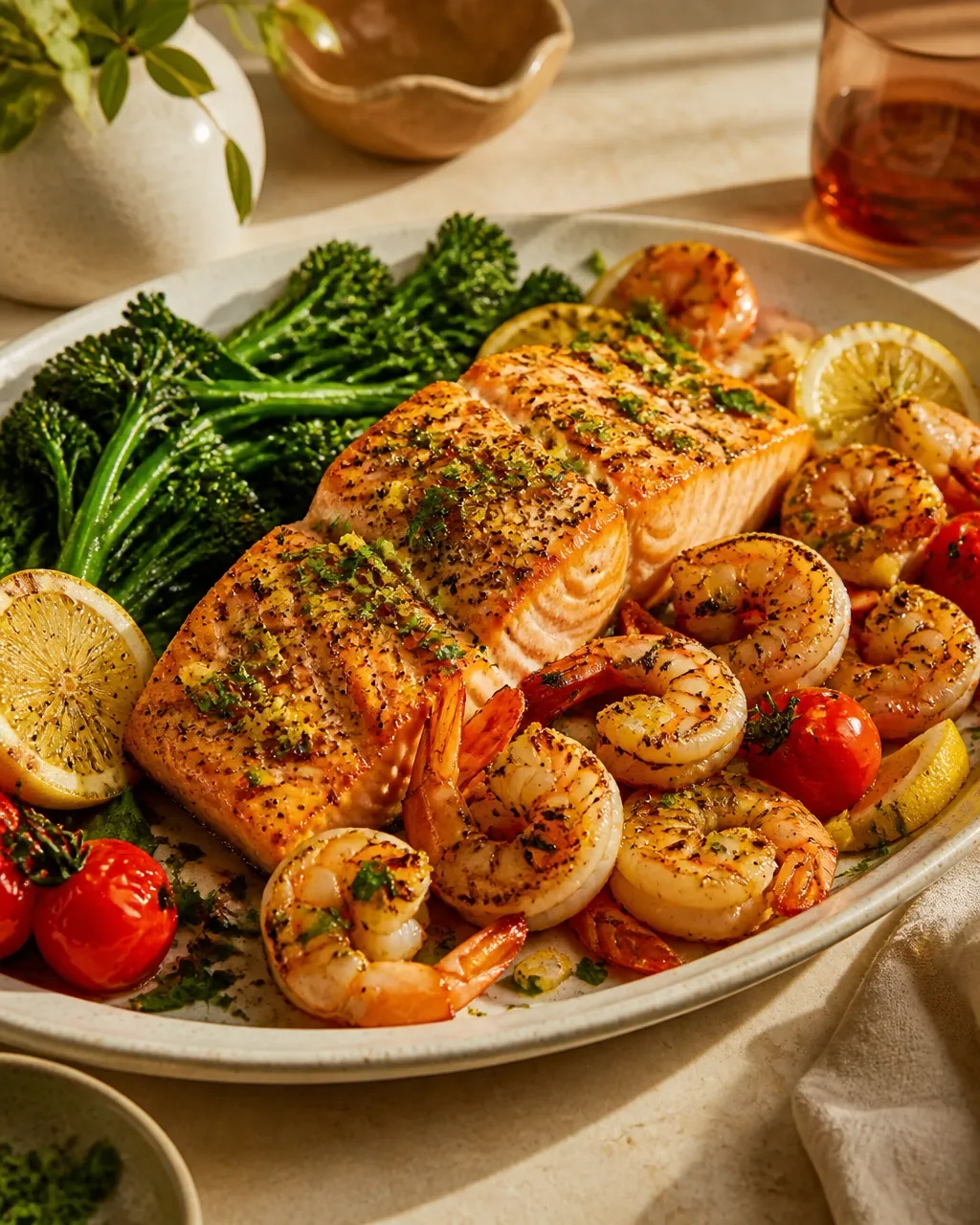
When you wrap food in aluminum foil, you aren't just making a container; you are creating a localized, high-pressure steam environment. This is the secret to why salmon in a packet tastes vastly superior to salmon tossed onto a dry sheet pan. As the oven heat penetrates the foil, the internal moisture from the fish and the asparagus evaporates. Because the packet is sealed, that moisture can’t escape. It transforms into steam, surrounding the ingredients and cooking them from all sides simultaneously.
This "steam bag" effect ensures that your protein stays incredibly moist. Salmon is rich in delicate omega-3 fatty acids, which can oxidize or dry out when exposed to the harsh, direct heat of a broiler for too long. By trapping the moisture, you preserve the structural integrity of these healthy fats. Use heavy-duty foil for this; it holds the seal better and prevents accidental punctures that would let that precious steam escape.
For those focusing on healthy dinner ideas, the marriage of salmon and asparagus is a nutritional powerhouse. Asparagus is a non-starchy vegetable, meaning it’s packed with prebiotic fiber but contains very few net carbohydrates. When steamed inside the packet, it absorbs the rendered fats from the salmon and the added butter, making those fat-soluble vitamins (like Vitamin K and E) more bioavailable for your body.
Always place the asparagus at the bottom of the packet. This allows the stalks to act as a "rack" for the salmon, letting the juices and aromatics drip down and infuse the vegetables. If you’re looking for other quick family meals, remember that this technique works for almost any thin-cut protein and quick-cooking vegetable.
Flavor Variations for Every Palate
While lemon and dill are the gold standard, the beauty of this beginner-friendly keto recipe is its versatility. You can easily adapt the flavor profile to keep your meal rotation exciting.
- The Garlic Butter Classic: Swap the lemon for a heavy hand of minced garlic and an extra tablespoon of grass-fed butter. The garlic mellows as it steams, creating a rich, savory sauce that coats the asparagus.
- Mediterranean Zest: Use feta cheese, pitted kalamata olives, and dried oregano. The saltiness of the olives cuts through the richness of the salmon, providing a balanced bite.
- Cajun Kick: Dust your salmon with a sugar-free Cajun spice blend. The heat of the cayenne and the earthiness of the paprika thrive in the moist environment of the foil packet.
If you enjoy experimenting with different cooking methods, you might also find that these flavor profiles translate beautifully to air fryer recipes dinner. While the foil packet is a classic oven staple, you can achieve similar results in an air fryer by reducing the cook time and ensuring the packet fits comfortably in the basket.
Perfect Side Dish Pairings
Because salmon and asparagus provide a rich combination of fats and proteins, your side dishes should focus on adding volume and acidity to cleanse the palate.
Cauliflower Rice: This is the ultimate keto companion. It acts as a sponge for the garlic-butter juices left in the bottom of your foil packet. Squeeze a fresh lemon wedge over it to add a bright, acidic note that balances the oily texture of the salmon.
Arugula and Parmesan Salad: If you want something fresh, a simple bed of arugula with a splash of olive oil and shaved Parmesan is perfect. The peppery bite of the greens cuts right through the fatty richness of the fish.
For those looking for more quick family meals, these pairings are excellent because they require zero actual "cooking" time while your main dish is in the oven.
Frequently Asked Questions
What if my salmon is still frozen?
Avoid cooking salmon from frozen in a foil packet. The extra ice crystals will melt and turn your "steam" into a "boil," resulting in mushy fish and soggy asparagus. Defrost your fillets in the refrigerator overnight or in a sealed bag under cold running water for 20 minutes before prep.
Can I use parchment paper instead of foil?
You can, but the seal won't be as airtight. Parchment is great for "en papillote" cooking, but it lacks the heat conductivity of aluminum. If you use parchment, expect the cooking time to increase by 3–5 minutes. Avoid using parchment if you are trying this as part of your air fryer recipes dinner repertoire, as the paper can blow around and hit the heating element.
How do I know when the salmon is done?
The most reliable scientific method is using an instant-read thermometer. Aim for an internal temperature of 145°F (63°C). If you don't have a thermometer, look for the "flake test." Gently press a fork into the thickest part of the fillet; if it separates easily along the white lines (the fat layers), it's ready.
Is it safe to cook with aluminum foil?
While there are discussions about aluminum leaching, the amounts are negligible for occasional home cooking. To minimize any risk, avoid using highly acidic marinades (like pure vinegar) directly against the foil for long periods before cooking. Add your lemon slices just before sealing and hitting the heat.
Why is my asparagus mushy?
Check the thickness of your stalks. If you have very thin "pencil" asparagus, they will cook much faster than the salmon. In this case, use thicker stalks or bundle the thin ones together. Conversely, if you have very thick stalks, you might want to snap off the woody ends and slightly peel the bottom inch of the stalk to ensure even cooking.
Can I prep these in advance?
Yes. You can assemble the packets up to 24 hours in advance and keep them in the fridge. This makes them a fantastic option for healthy dinner ideas on busy weeknights. Just add 2 minutes to the cooking time if they are going straight from the fridge to the oven.
{“@type”:”BlogPosting”,”image”:”https://cdn.marblism.com/4_9QTxMTTyi.webp”,”author”:{“name”:”Cookpedia”,”@type”:”Organization”},”@context”:”https://schema.org”,”headline”:”Keto for Beginners: Salmon and Asparagus Foil Packets”,”publisher”:{“logo”:{“url”:”https://cookpedia.com/logo.png”,”@type”:”ImageObject”},”name”:”Cookpedia”,”@type”:”Organization”},”description”:”An easy, mess-free keto dinner option for beginners featuring salmon and asparagus cooked in foil packets for maximum flavor and moisture.”,”datePublished”:”2026-07-08″,”mainEntityOfPage”:{“@id”:”https://cookpedia.com/keto-salmon-asparagus-foil-packets”,”@type”:”WebPage”}}