Recipe
Servings
Servings 1×
Ingredients
- Chicken
- Shrimp
- Pasta
- Zucchini
- Spinach
- Tomatoes
- Garlic
- Lemon
- Butter
- Cooking oil
- Chili seasoning
- Salt
- Black pepper
Method
- Pat your shrimp completely dry before they even see the pan.
- Place your zoodles in a colander and give them a light sprinkle of salt.
- Let them sit for 10 minutes while you prep your garlic.
- Give them a gentle squeeze with a clean kitchen towel to remove the excess.
- Start by gently poaching your garlic in butter and olive oil.
- Keep the heat low here: burnt garlic is bitter and will ruin the whole vibe.
You know those nights when you’re staring at the fridge like it’s a difficult math equation? You want something that tastes like a five-star bistro but you only have the energy for a drive-thru. Enter the 15-minute shrimp scampi with zoodles. It’s light, it’s buttery, and it’s fast enough to win a drag race. This dish is the ultimate proof that 15-minute meals don't have to be boring or heavy. Grab your spiralizer and let's get into why this works.
The Anatomy of the Perfect Snap: Shrimp Science
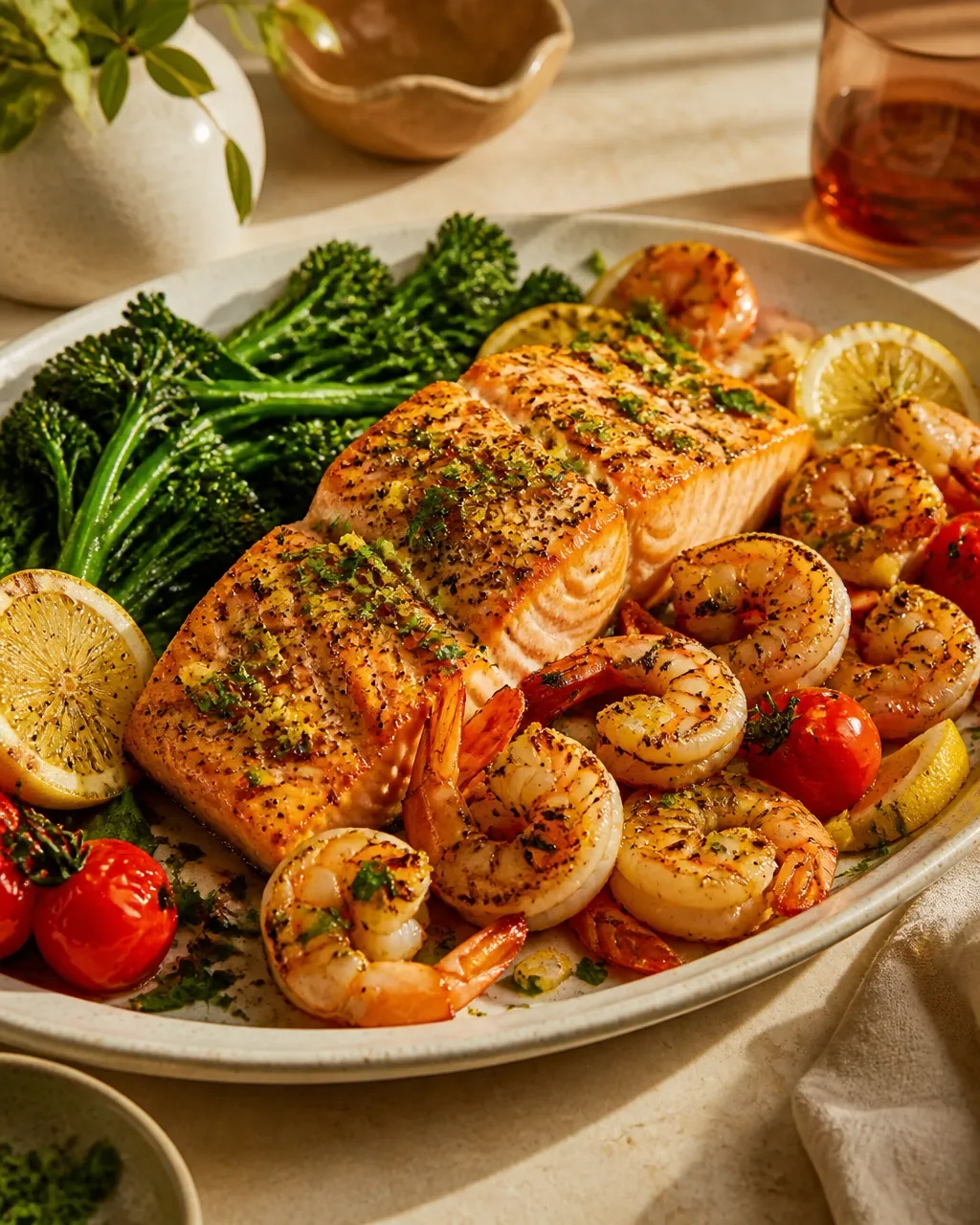
Cooking shrimp is a game of seconds, not minutes. To get that restaurant-quality "snap," you need to understand the protein structure. Shrimp are mostly water and lean muscle. When they hit heat, those proteins denature and coil up like a spring. Use the "C vs. O" rule: remove your shrimp when they form a "C" shape. If they curl into a tight "O," you’ve turned them into rubber erasers.
Pat your shrimp completely dry before they even see the pan. Any surface moisture will turn into steam, and steaming is the enemy of the Maillard reaction. We want a brief, high-heat sear to develop that subtle caramel sweetness. Set your pan to medium-high and lay them in a single layer. Don't crowd the pan; if you do, the temperature drops, and the shrimp will sit in their own juices instead of searing.
The color change from gray to vibrant pink is caused by astaxanthin. This pigment is usually trapped inside proteins, but heat breaks those bonds, letting the color shine. It’s nature’s way of telling you "dinner is almost ready." Once they’re pink and opaque, pull them out immediately. They’ll continue to cook slightly from residual heat, so err on the side of caution.
The Great Zoodle Drought: Moisture Management
If you’ve ever ended up with a bowl of "zucchini soup" instead of pasta, you missed the most important scientific step: osmosis. Zucchini is about 95% water. When you add salt, you’re creating a concentration gradient that draws that water out of the plant cells.
Place your zoodles in a colander and give them a light sprinkle of salt. Let them sit for 10 minutes while you prep your garlic. You’ll see the water pooling at the bottom. Give them a gentle squeeze with a clean kitchen towel to remove the excess. This prevents your sauce from becoming a watery mess.
When it comes to cooking them, less is more. Avoid boiling them at all costs. Instead, give them a lightning-fast "dry sauté" in a hot skillet for no more than two minutes. We aren't looking for mush; we want a slight al dente bite that can stand up to the rich butter sauce. If you’re looking for more healthy dinner ideas, mastering the "dry sauté" technique for vegetables is a total game-changer for your weekly rotation.
Emulsification: The Secret to Silky Sauce
The soul of a scampi is the sauce, and the secret is emulsification. You’re trying to marry fat (butter and oil) with liquid (lemon juice and white wine). If you just throw them together, they’ll separate like high school sweethearts after graduation.
Start by gently poaching your garlic in butter and olive oil. Keep the heat low here: burnt garlic is bitter and will ruin the whole vibe. Once the aromatics have infused the fat, deglaze the pan with a splash of dry white wine or chicken broth. Let that liquid reduce by half. This concentrates the flavor and burns off the harsh alcohol bite.
The finish is the most critical part. Remove the pan from the heat and whisk in cold cubes of butter. The temperature difference helps create a stable emulsion, resulting in a sauce that is thick, glossy, and clings to every single zoodle. This is the same level of care we put into our 10-minute meal recipes to ensure they feel premium, even when time is short.
Scampi Variations for Every Palate
If you want to stray from the classic path, the scampi base is incredibly forgiving. For those who enjoy a bit of heat, double the crushed red pepper flakes or add a teaspoon of Calabrian chili paste. The acidity of the lemon cuts right through the spice, creating a beautiful balance.
If you’re looking for quick family meals that please everyone, try adding some halved cherry tomatoes or fresh spinach at the very end. The residual heat will blister the tomatoes just enough to release their sweetness without turning them into a sauce.
For a Mediterranean twist, throw in a handful of briny capers and some chopped kalamata olives. The saltiness of the olives eliminates the need for extra seasoning and adds a sophisticated depth of flavor. If you find yourself in the mood for something even more hands-off, you might want to explore our air fryer recipes dinner section, where we apply these same flavor principles to even faster techniques.
Side Dish Pairings: Balance the Plate
Since this dish is rich with butter and garlic, your side dishes should provide a sharp contrast. A simple arugula salad with a balsamic vinaigrette is my go-to. The peppery bite of the arugula and the acidity of the vinegar act as a palate cleanser between bites of the buttery shrimp.
If you aren't strictly low-carb, a piece of crusty sourdough is practically mandatory for mopping up that emulsion. For a more vegetable-forward side, try roasted asparagus or broccolini. The charred, earthy notes of roasted greens provide a grounded base for the bright, zesty scampi. This balance is what makes for the best 15-minute meals : you get a full spectrum of flavor in a fraction of the time.
FAQ: What If It Goes Wrong?
What if my sauce separates?
If your sauce looks oily or broken, it usually means the pan was too hot when you added the butter, or it sat too long. Add a tiny splash of hot water (or pasta water if you’re using it) and whisk vigorously. The starch or moisture can often pull the emulsion back together.
Can I use frozen shrimp?
Absolutely. Just make sure they are completely thawed and, again, dried thoroughly. Frozen shrimp often hold more internal moisture, so you might need to be even more aggressive with the paper towels to ensure they sear rather than boil.
My zoodles are still crunchy: did I fail?
Not at all! Zucchini can be eaten raw, so "underdone" is always better than "overdone." If they have a bit of crunch, it actually provides a nice textural contrast to the soft, tender shrimp.
Is there a substitute for white wine?
If you want to skip the alcohol, use a high-quality chicken or vegetable broth with an extra squeeze of lemon juice. The goal is to provide a liquid base for the sauce and a hit of acidity to balance the fat.
How do I store leftovers?
Shrimp and zoodles are best enjoyed immediately. Reheating shrimp usually leads to that "rubber ball" texture we discussed earlier. If you must, reheat them very gently on the stovetop over low heat just until warmed through: never microwave them on high power! For more healthy dinner ideas that keep well, check out our one-pot meal category on the main site.
{“@type”:”BlogPosting”,”image”:”https://cdn.marblism.com/iQ2Y45W9kPR.webp”,”author”:{“name”:”Penny”,”@type”:”Person”},”@context”:”https://schema.org”,”headline”:”15-Minute Shrimp Scampi with Zoodles”,”publisher”:{“logo”:{“url”:”https://cookpedia.com/logo.png”,”@type”:”ImageObject”},”name”:”Cookpedia”,”@type”:”Organization”},”description”:”A light and flavorful low-carb pasta dish that takes only 15 minutes. Learn the science of perfect shrimp and moisture-free zoodles.”,”datePublished”:”2026-07-08″,”mainEntityOfPage”:{“@id”:”https://cookpedia.com/15-minute-shrimp-scampi-zoodles”,”@type”:”WebPage”}}