Recipe
Servings
Servings 1×
Ingredients
- Avocado
- Onion
- Garlic
- Butter
- Cooking oil
- Black pepper
Method
- Prepare the ingredients described in the article and heat the cooking surface or oven as directed.
- Cook the main ingredients using the heat and timing guidance in the article.
- Finish with the seasonings and garnishes named in the article, then serve.
When you need a meal that hits the table faster than a delivery driver can find your doorbell, this blackened tilapia is your secret weapon. It’s the ultimate solution for those looking for healthy dinner ideas that don't taste like "diet food." By harnessing the power of high-heat searing and a robust blend of spices, you can transform humble, mild white fish into a restaurant-quality centerpiece in exactly fifteen minutes.
The Science of the Sear: Mastering the Blackened Crust
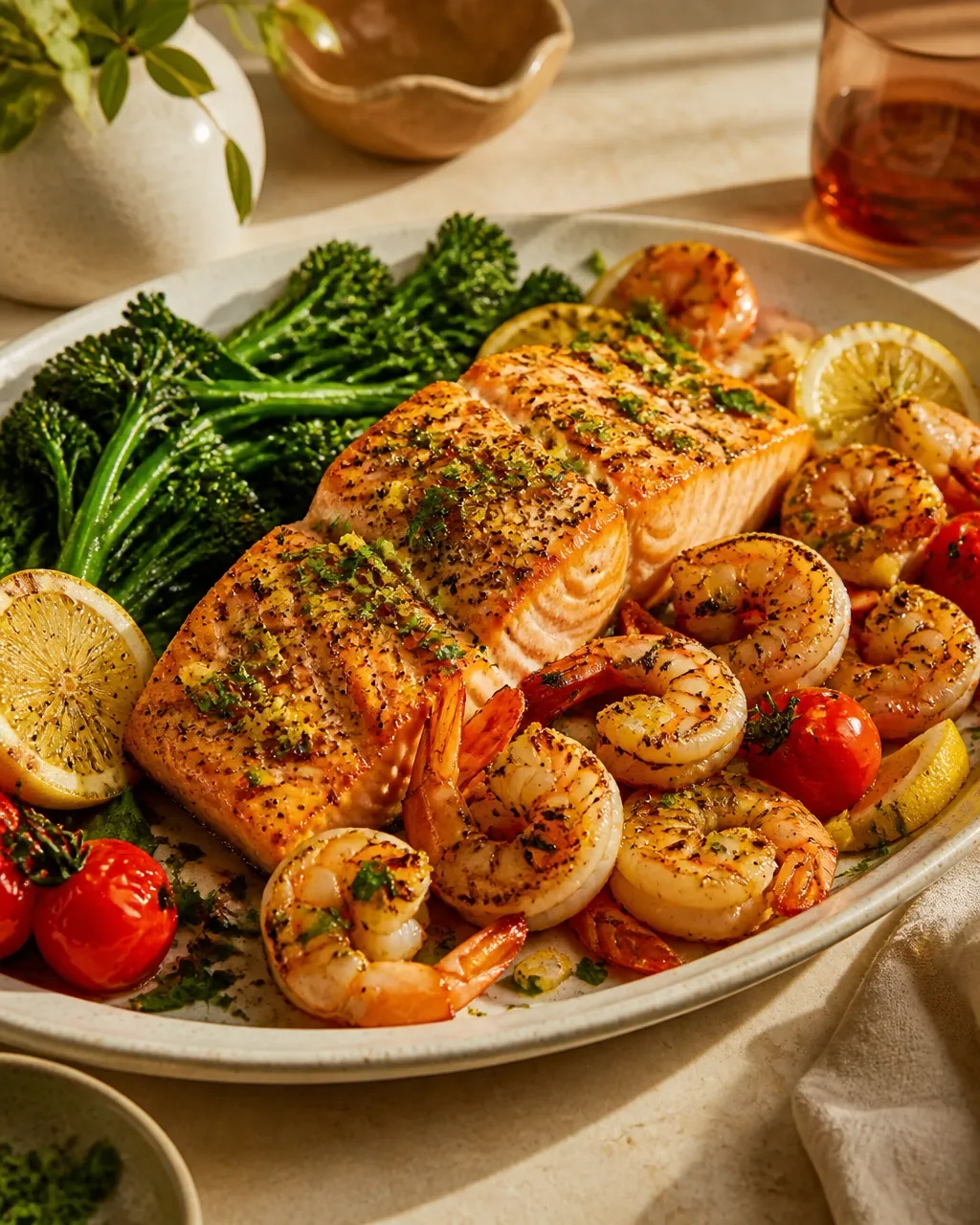
Blackening isn’t just a fancy word for "burning your dinner." It is a specific culinary technique that relies on two scientific heavy hitters: the Maillard reaction and caramelization. Understanding these will change the way you approach quick family meals forever.
The Maillard reaction is a chemical dance between amino acids and reducing sugars that occurs when food hits high heat. In the case of tilapia, which is a very lean fish, we rely on the spices in the rub to provide the surface area needed for this reaction. When those spices, like paprika, garlic powder, and onion powder, meet a hot, oiled surface, they undergo a rapid transformation that creates hundreds of new flavor compounds. This is why a blackened fillet tastes smoky, nutty, and savory all at once.
Why You Must Dry Your Fish
Before you even think about the spice rub, reach for the paper towels. This is a non-negotiable step in my kitchen. Moisture is the sworn enemy of a good sear. If your tilapia fillets are damp when they hit the pan, that moisture will instantly turn into steam. Steaming leads to rubbery, grey fish, not a crisp, dark crust. Pat every inch of that fish dry until the paper towel comes away clean.
The Role of Fat and Heat Management
Once dry, you need a "glue" for your spices. Brushing the fish with a thin layer of oil or melted butter serves two purposes: it helps the heavy layer of seasoning stick, and it acts as a heat conductor in the pan.
For the pan itself, cast iron is king. It has high thermal mass, meaning it won’t lose its temperature the moment you drop in the cold fish. This consistent heat is vital for developing the crust before the delicate interior of the tilapia overcooks. Use a high-smoke-point oil like avocado or grapeseed. Avoid extra virgin olive oil for this specific task; its low smoke point will fill your kitchen with acrid smoke before the fish is even half-done.
The "Don't Touch" Rule
One of the biggest mistakes home cooks make is fussing with the fish. Once you place the seasoned fillets in the hot pan, leave them alone. You are waiting for the proteins to set and the spices to form a cohesive crust. If you try to flip it too early and it sticks, it’s telling you it isn’t ready. The fish will naturally release from the surface once that beautiful black crust has solidified.
Flavor Variations and Modern Methods
While the classic pan-sear is the gold standard for texture, there are several ways to adapt this recipe to fit your lifestyle or pantry.
The Air Fryer Alternative
If you want to avoid the smoke of a stovetop sear, look toward your air fryer recipes dinner collection. An air fryer is essentially a high-powered convection oven. While you won't get the same localized "char" as a cast iron skillet, the rapid air circulation does a fantastic job of drying out the spice rub and creating a firm, flavorful exterior. This is an excellent route for anyone prioritizing healthy dinner ideas with minimal added fat.
Adjusting the Heat Profile
The beauty of a homemade blackening rub is that you control the thermostat. If you are cooking for kids, dial back the cayenne and black pepper and lean into the sweetness of smoked paprika. If you want a more complex profile, add a pinch of brown sugar to your mix. The sugar will caramelize at a lower temperature than the proteins, giving you a darker color and a hint of sweetness that balances the heat perfectly.
Side Dish Pairings: Balancing the Bold
Because blackened tilapia has such an intense, savory, and spicy profile, your sides need to provide balance. Think of your plate in terms of acidity and texture.
Bright and Zesty Salads
A heavy-hitting fish needs a high-acid partner to cut through the richness of the spices and butter. A fresh corn and black bean salad, loaded with lime juice and cilantro, is my go-to. The sweetness of the corn and the zing of the lime act as a palate cleanser between bites of the smoky fish.
Neutral Starches
To soak up any leftover seasoned butter or juices, serve the tilapia over a bed of fluffy jasmine rice or a quick cilantro-lime quinoa. If you're keeping things low-carb, a simple cauliflower rice or a zesty arugula salad provides a peppery bite that complements the blackening spices without adding unnecessary weight to the meal.
Frequently Asked Questions
Can I use frozen tilapia for this?
Yes, but you must thaw it completely first. Frozen fish contains a significant amount of excess water. If you try to cook it from frozen, the rub will slide right off as the fish thaws in the pan, and you’ll end up with a watery mess instead of a crust. Thaw it in the fridge overnight or in a sealed bag under cold running water, then dry it aggressively.
Why is my fish sticking to the pan?
Sticking is usually caused by one of three things: the pan wasn't hot enough, you didn't use enough fat, or you tried to flip it too soon. Ensure your oil is shimmering (almost smoking) before the fish touches the surface. Remember the "release" rule: if it doesn't want to move, let it cook for another thirty seconds.
Is "blackened" the same as "burnt"?
No! Burnt food tastes bitter and carbonized. Blackened food tastes of toasted spices and deep savory notes. The "black" color primarily comes from the toasted paprika and the Maillard reaction on the surface spices. If your fish tastes bitter, you likely had the heat too high for too long, or you used an oil that scorched.
What if I don't have a cast iron skillet?
You can still make this in a heavy-bottomed stainless steel pan or even a high-quality non-stick skillet. However, be careful with non-stick; you shouldn't heat them to the extreme temperatures required for a traditional "hard" blackening, as it can damage the coating. If using non-stick, keep the heat at a steady medium-high and expect a slightly lighter brown crust.
Is tilapia actually healthy?
Tilapia is a fantastic source of lean protein and is very low in calories, making it a staple for anyone building out a rotation of healthy dinner ideas. It’s also one of the most accessible and affordable fish options at the grocery store, which is why it’s a permanent fixture in my quick family meals planning.
{“@type”:”BlogPosting”,”image”:”https://cdn.marblism.com/UgXUkMg6FbJ.webp”,”author”:{“name”:”Penny”,”@type”:”Person”},”@context”:”https://schema.org”,”headline”:”15-Minute Blackened Tilapia”,”publisher”:{“logo”:{“url”:”https://cookpedia.com/logo.png”,”@type”:”ImageObject”},”name”:”Cookpedia”,”@type”:”Organization”},”description”:”Master the art of 15-minute blackened tilapia with our expert guide on searing techniques, spice science, and healthy side pairings.”,”datePublished”:”2026-07-09″,”mainEntityOfPage”:{“@id”:”https://cookpedia.com/15-minute-blackened-tilapia”,”@type”:”WebPage”}}